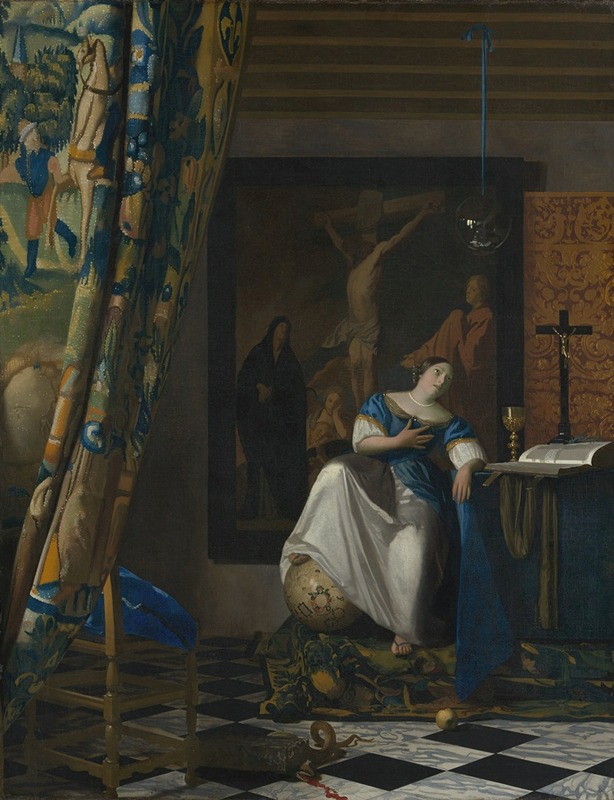
De marskramer en de Dood — History & Facts
In a world shaped by the weight of legacy, how do we confront the inevitability of our own end? This question lingers over the intricate details of De marskramer en de Dood, inviting us to reflect on our transient existence. Look closely at the foreground, where a traveling merchant stands, his hunched figure contrasting sharply with the looming presence of Death. Notice the merchant’s weathered face, etched with both resilience and resignation; his gesture extends outward, as if offering his wares to a fate that is both tantalizing and terrifying. The chiaroscuro technique enhances the drama, with deep shadows concealing the deeper fears that lie within the hearts of those who barter with life itself.
The muted earth tones evoke a somber atmosphere, encapsulating the gravity of the moment. Yet, beneath the surface lies a wealth of emotional tension. The merchant, surrounded by symbols of wealth and trade, faces an unseen reckoning, representing the fragility of success in the face of mortality. The delicate balance of light and dark not only highlights physical contrasts but also metaphorical ones; wealth, often sought, stands at odds with the inevitable truth of death.
Each object in the composition serves as a reminder of what will ultimately slip from our grasp, underscoring a poignant meditation on existence and legacy. Wenceslaus Hollar created this haunting piece in 1651 during a time when the Baroque movement was flourishing across Europe. Living in the Netherlands after fleeing the Thirty Years' War, Hollar was influenced by the shifting currents of life and death around him. His work reflects the anxieties of an era grappling with mortality, as well as the societal changes that questioned the foundations of trade and human endeavor.
More Artworks by Wenceslaus Hollar
Browse all →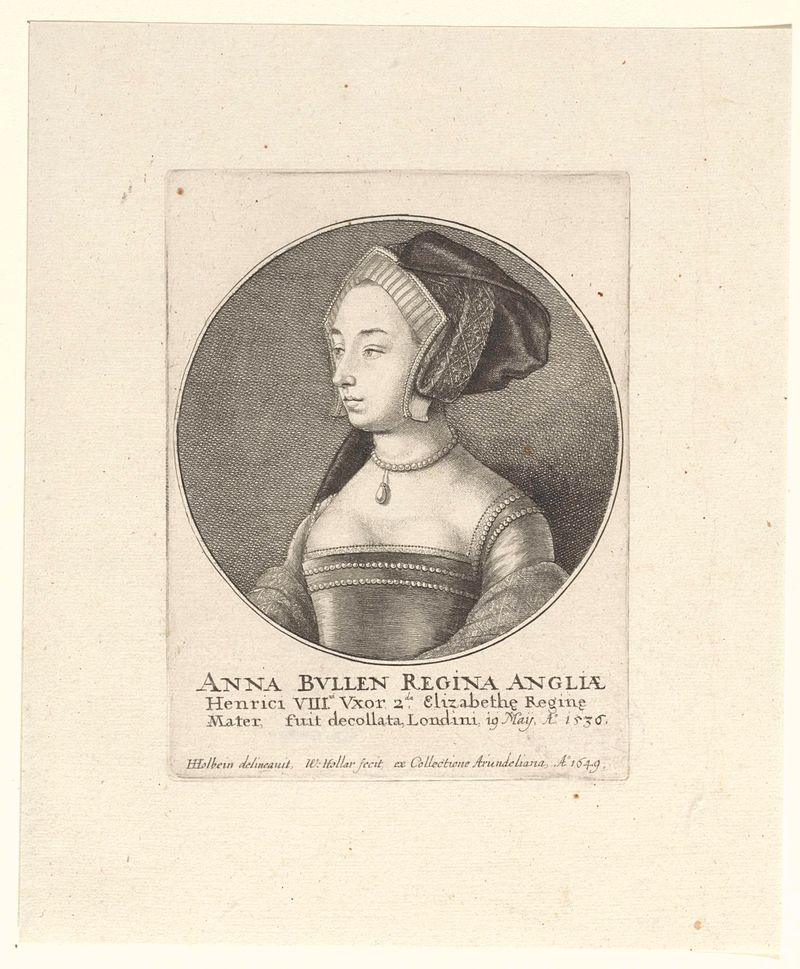
Portret van Anna Boleyn, koningin van Engeland
Wenceslaus Hollar
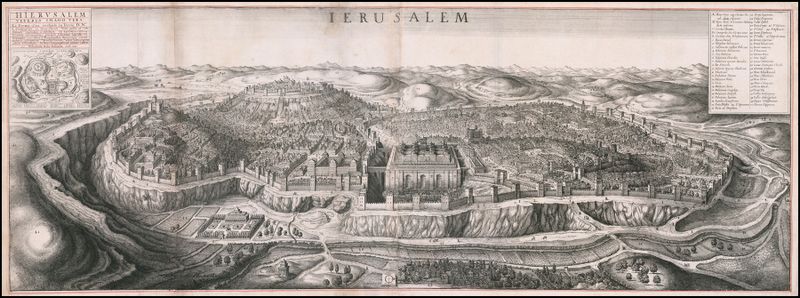
Bird’s eye view of Jerusalem
Wenceslaus Hollar
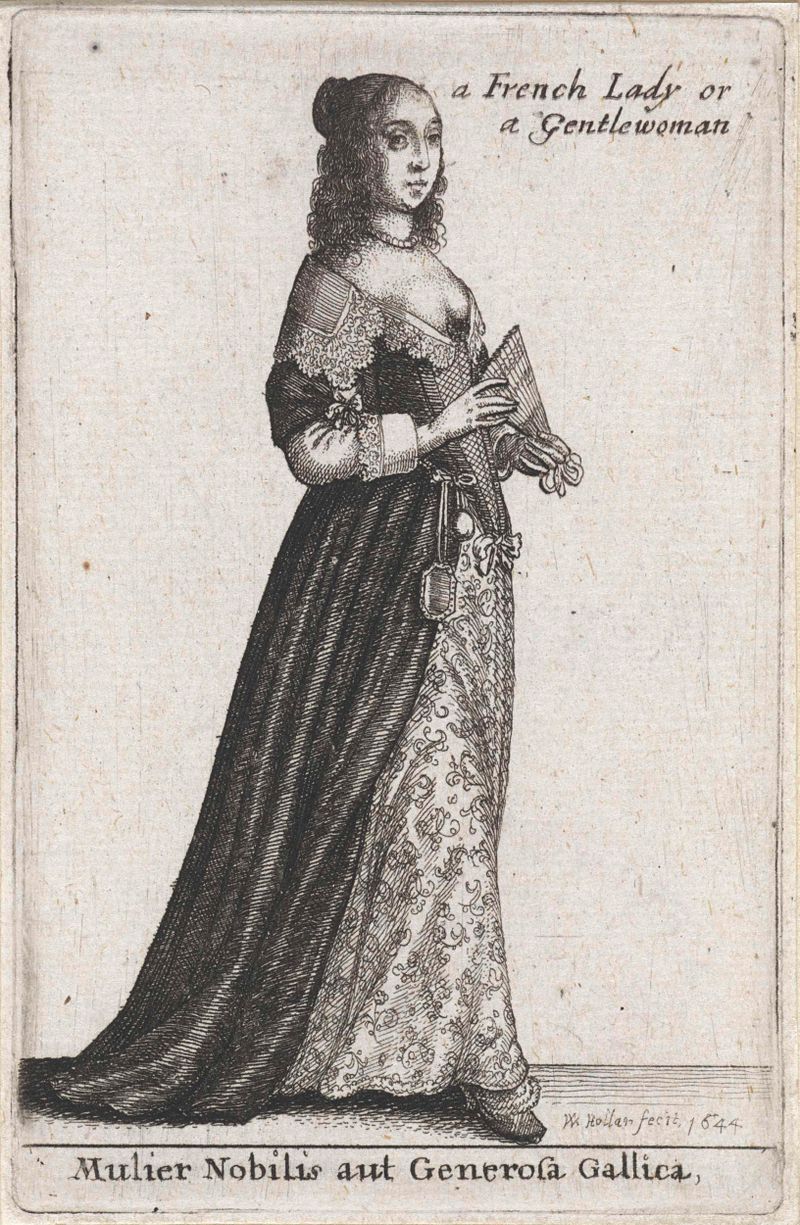
Mulier Nobilis aut Generosa Gallica / a French Lady or Gentlewoman
Wenceslaus Hollar
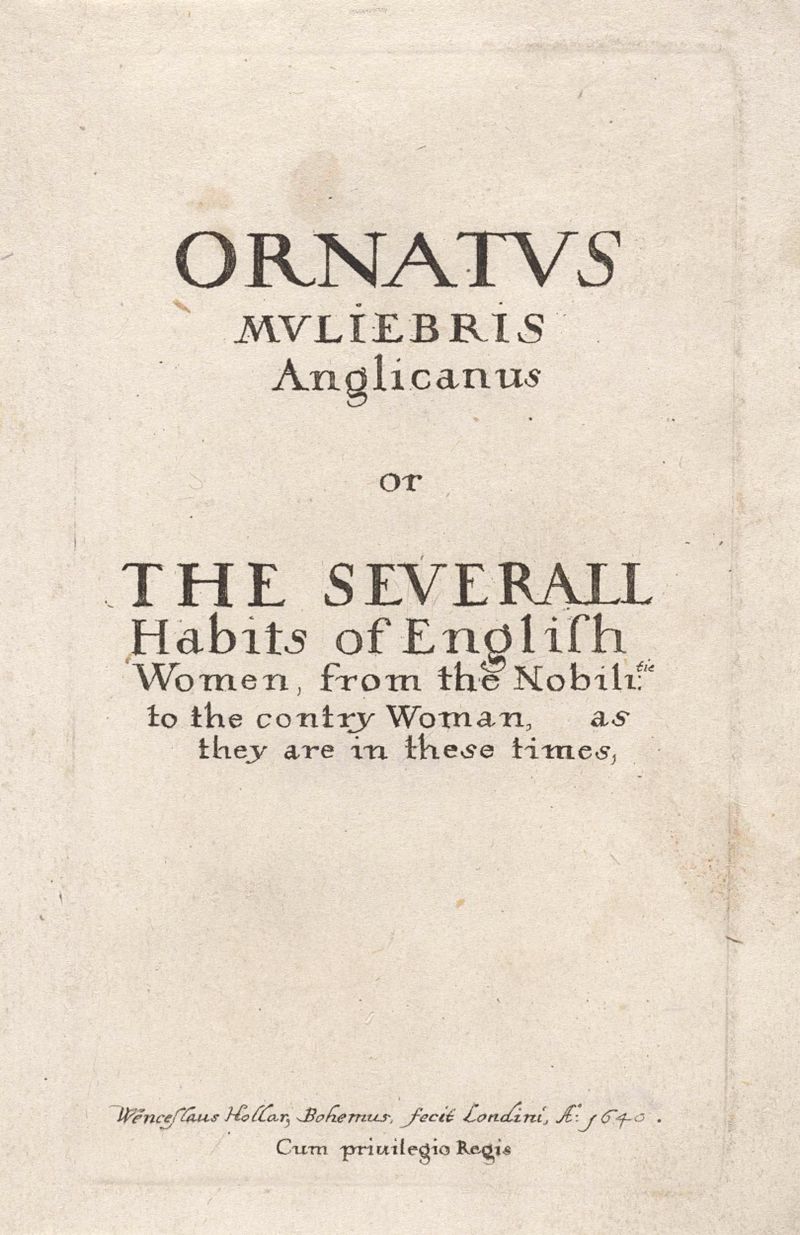
Titelprent voor: Ornatus Muliebris Anglicanus
Wenceslaus Hollar
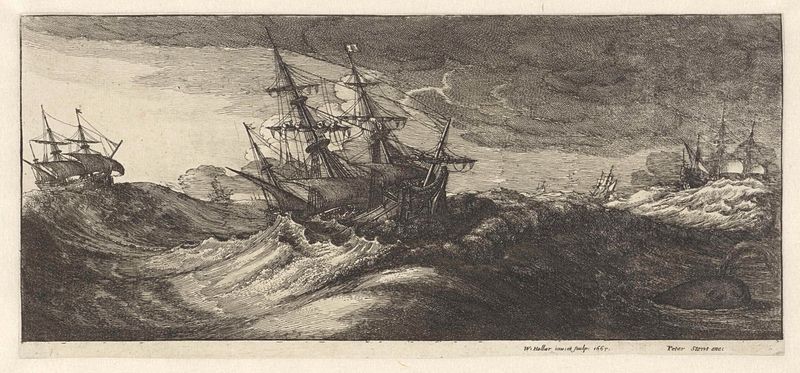
Oorlogsschepen en een walvis in een zeestorm
Wenceslaus Hollar
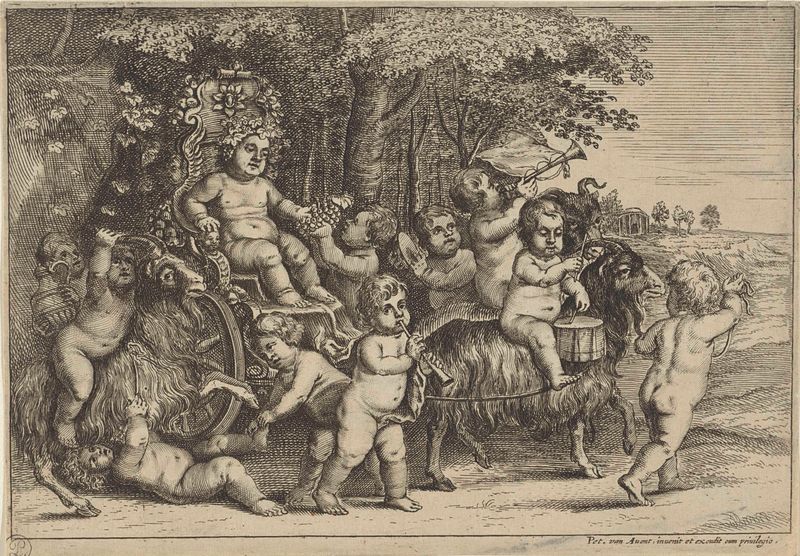
Optocht van bacchant en jongetjes op geiten
Wenceslaus Hollar
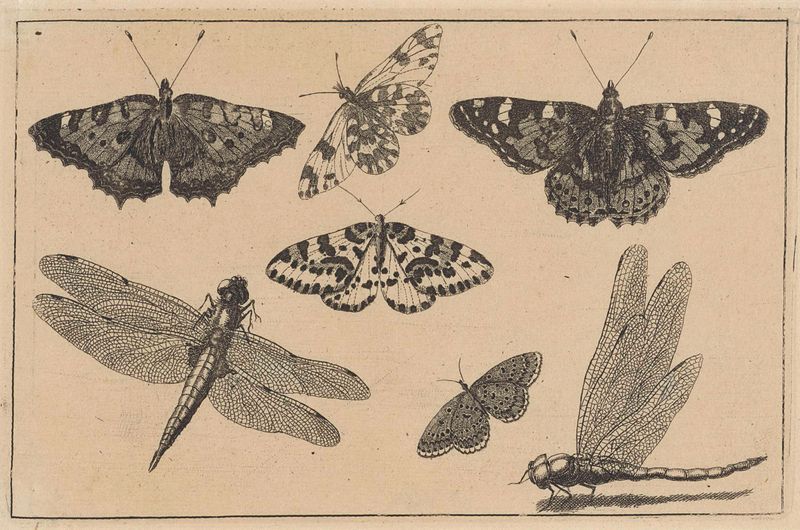
Twee libellen en vijf vlinders
Wenceslaus Hollar
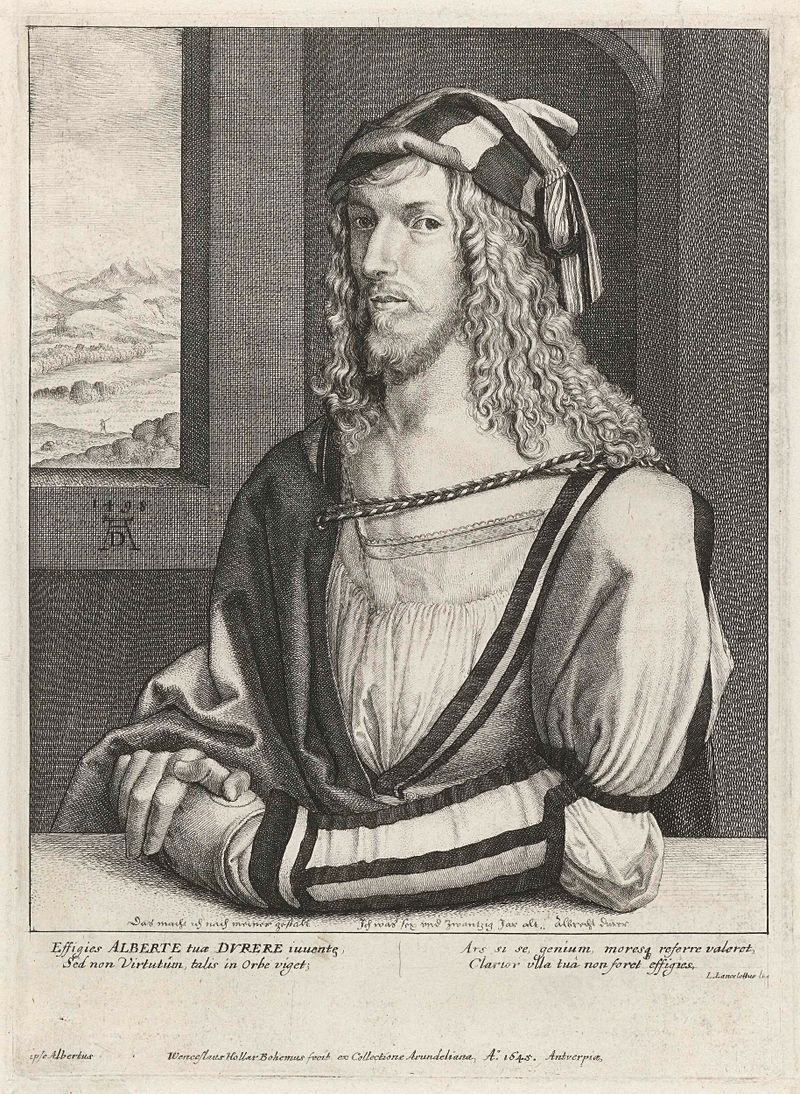
Portret van Albrecht Dürer
Wenceslaus Hollar
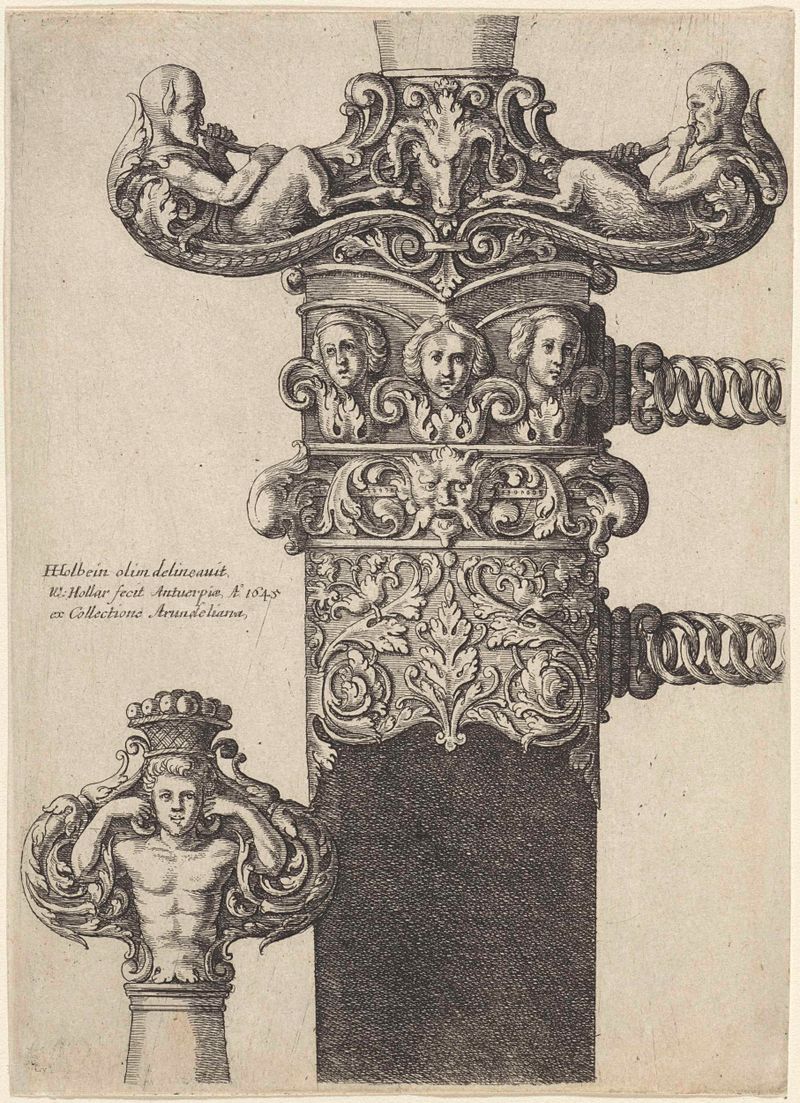
Ornamenteel ontwerp voor een dolk
Wenceslaus Hollar
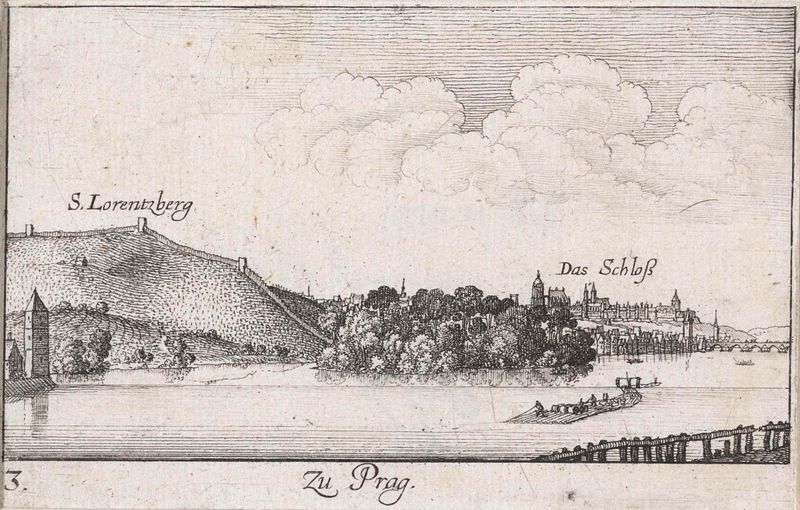
Gezicht op Praag vanaf de Moldau
Wenceslaus Hollar