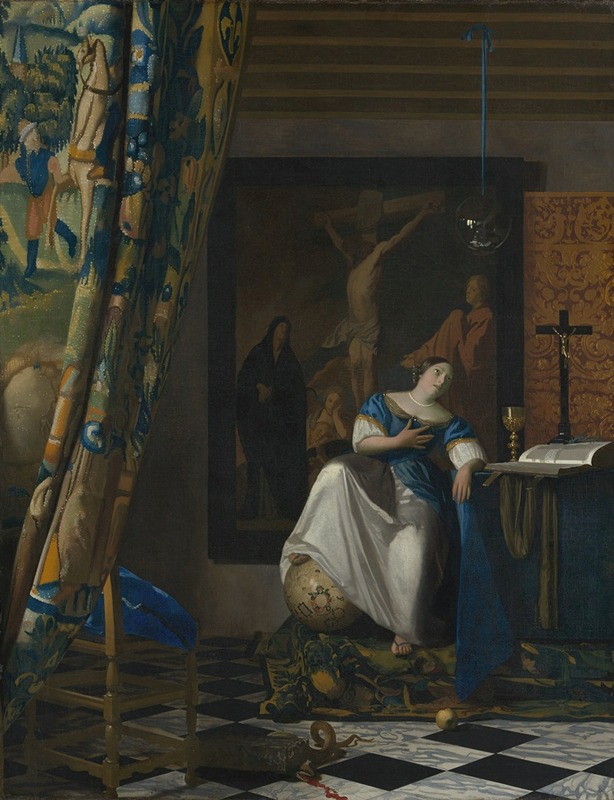
De mond der waarheid — History & Facts
In De mond der waarheid, the haunting specter of decay confronts us, revealing life’s impermanence and the weight of truth. Focus on the central figure, a grotesque mask, its open mouth poised to reveal hidden truths or perhaps to consume the unwary. The intricate details, from the rugged texture of the mask to the delicate handling of light that casts shadows across its surface, invite a closer examination. Notice how the subtle yet rich colors of earth tones and muted greens create a somber ambiance, underscoring the tension between beauty and decay.
This composition compels the eye, leading to the juxtaposition of the vivid mask and the desolate background, evoking the relentless passage of time. Delving deeper, one can observe how the mask serves as a potent symbol of honesty versus deception. The tension lies in the stillness of the figure, contrasting with the chaos of human emotions often hidden behind false facades. This duality suggests that behind every truth lies the danger of exposure, reflecting the fears of vulnerability.
The inclusion of cracked and deteriorating elements resonates with the theme of mortality, making each viewing a meditation on what is ephemeral in our lives. During the years 1512 to 1516, Lucas van Leyden painted this piece amidst a vibrant Renaissance backdrop where the exploration of humanism and the complexities of life were at the forefront. He was navigating a period of both personal achievement and existential contemplation, influenced by the evolving artistic styles of his time. This work stands as a unique reflection of that era, encapsulating the inseparable relationship between art, truth, and the inexorable decay that envelops all things.
More Artworks by Lucas van Leyden
Browse all →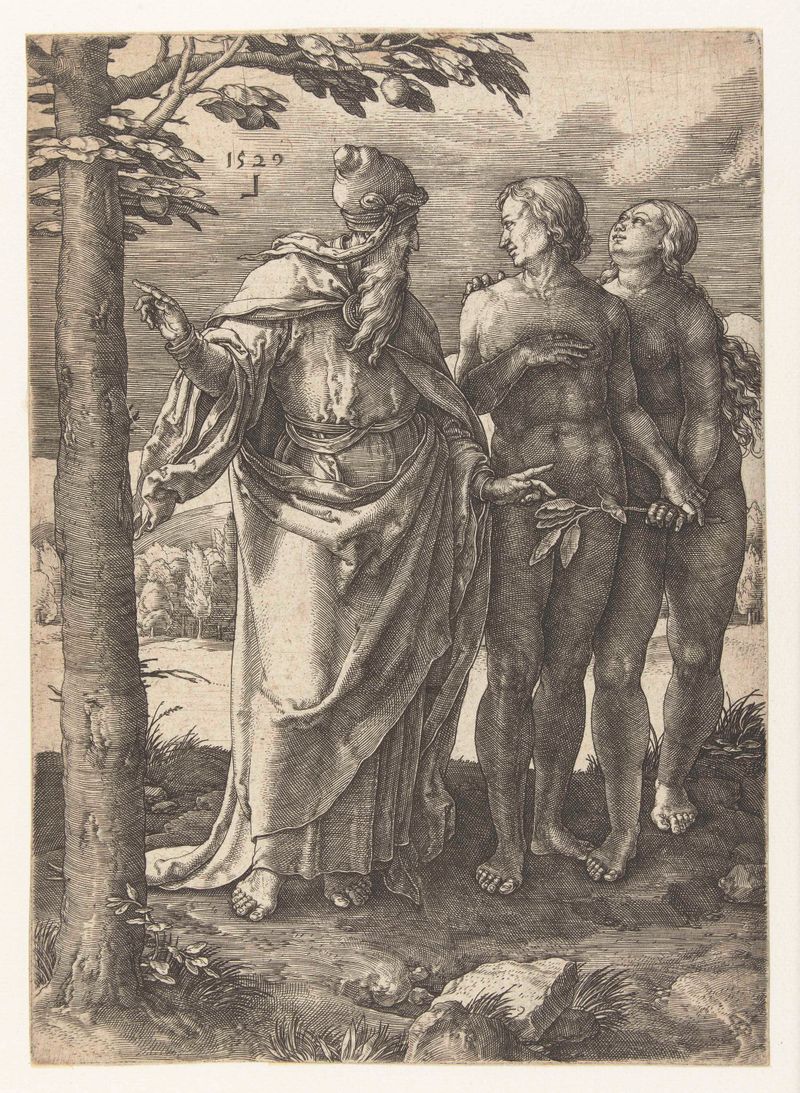
Het eerste verbod
Lucas van Leyden
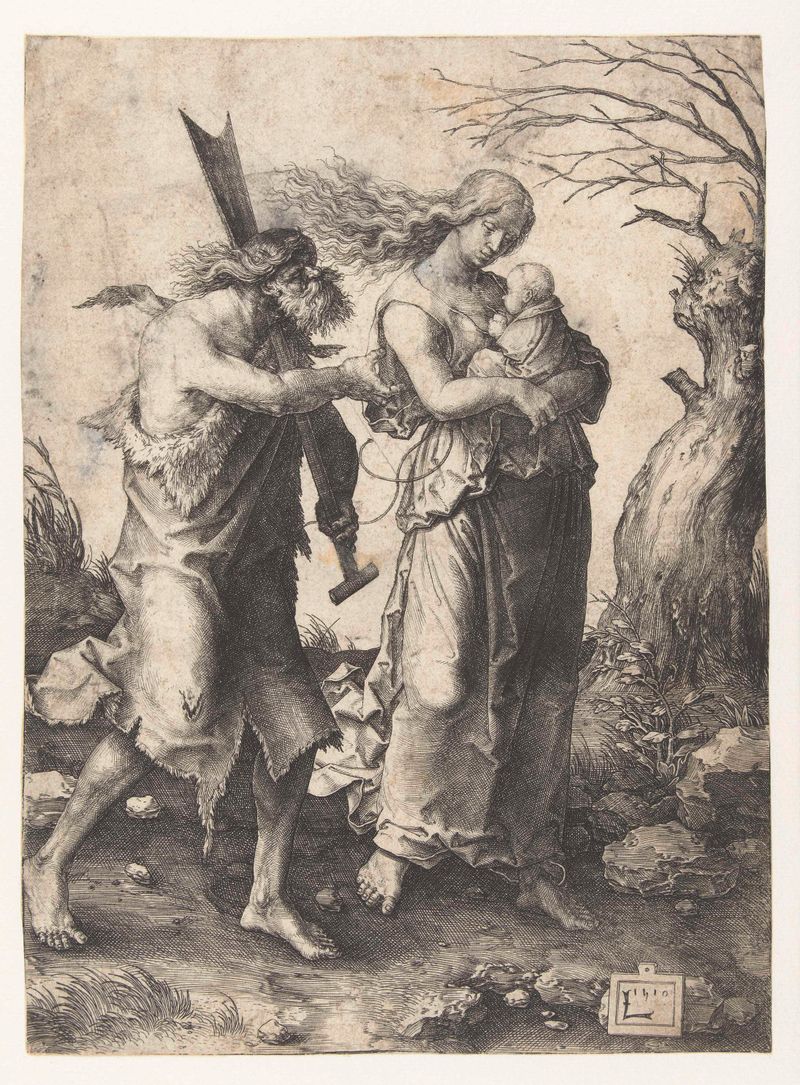
Adam en Eva na de verdrijving uit het paradijs
Lucas van Leyden
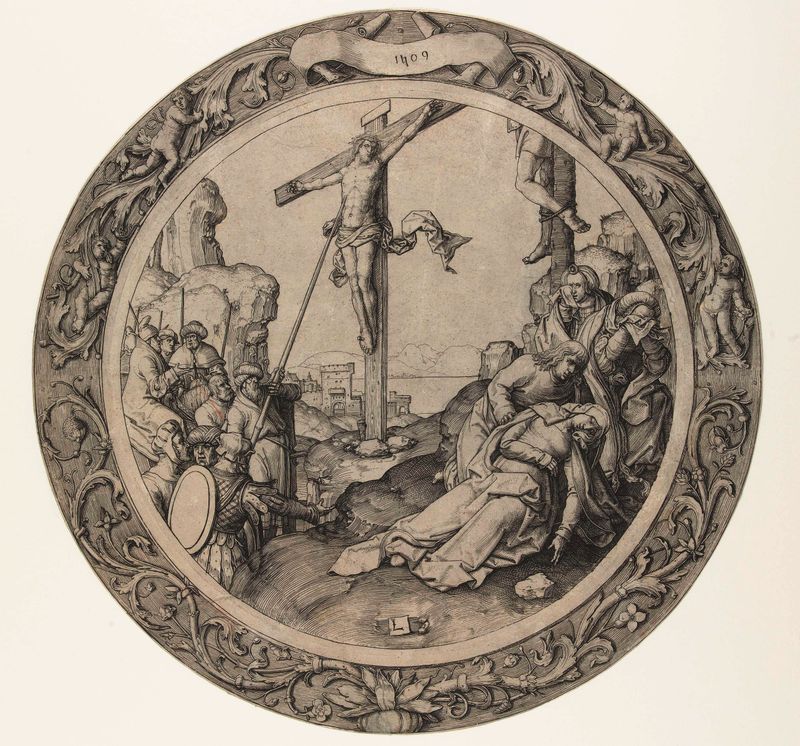
De kruisiging
Lucas van Leyden
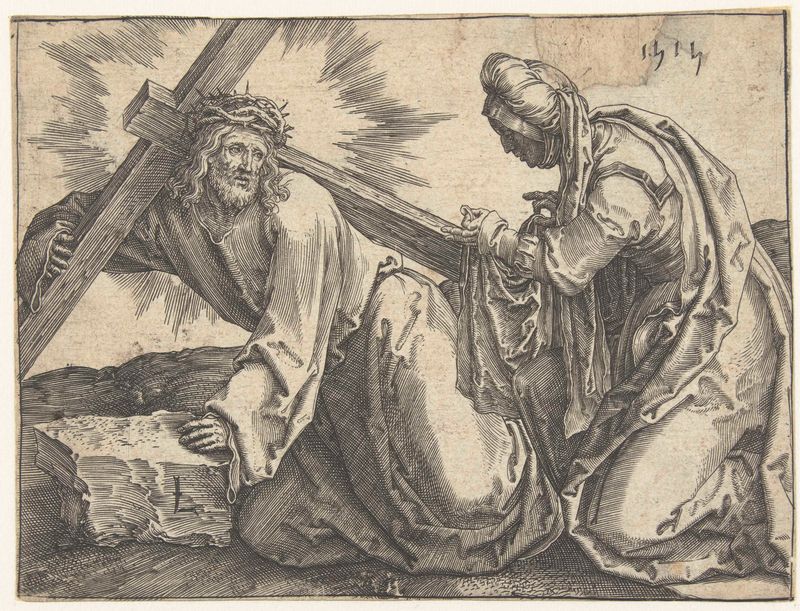
Kruisdraging
Lucas van Leyden
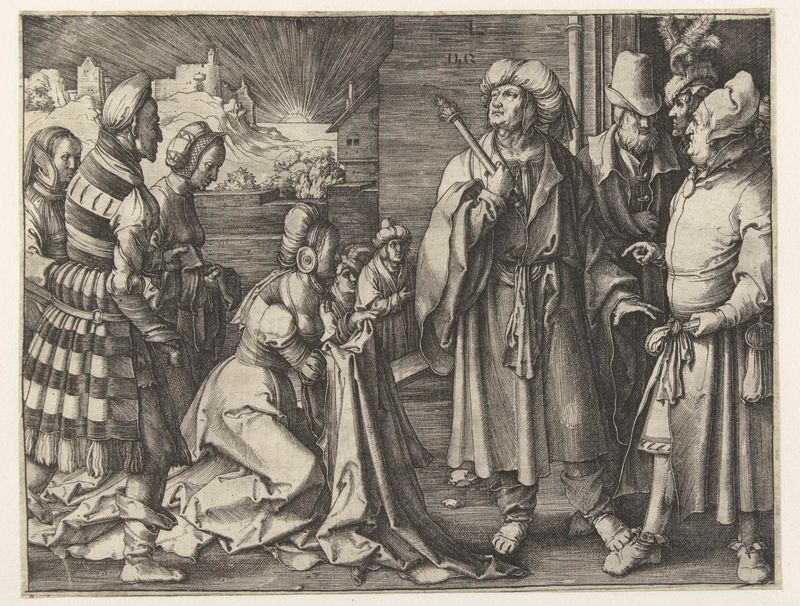
De vrouw van Potifar beschuldigt Jozef
Lucas van Leyden
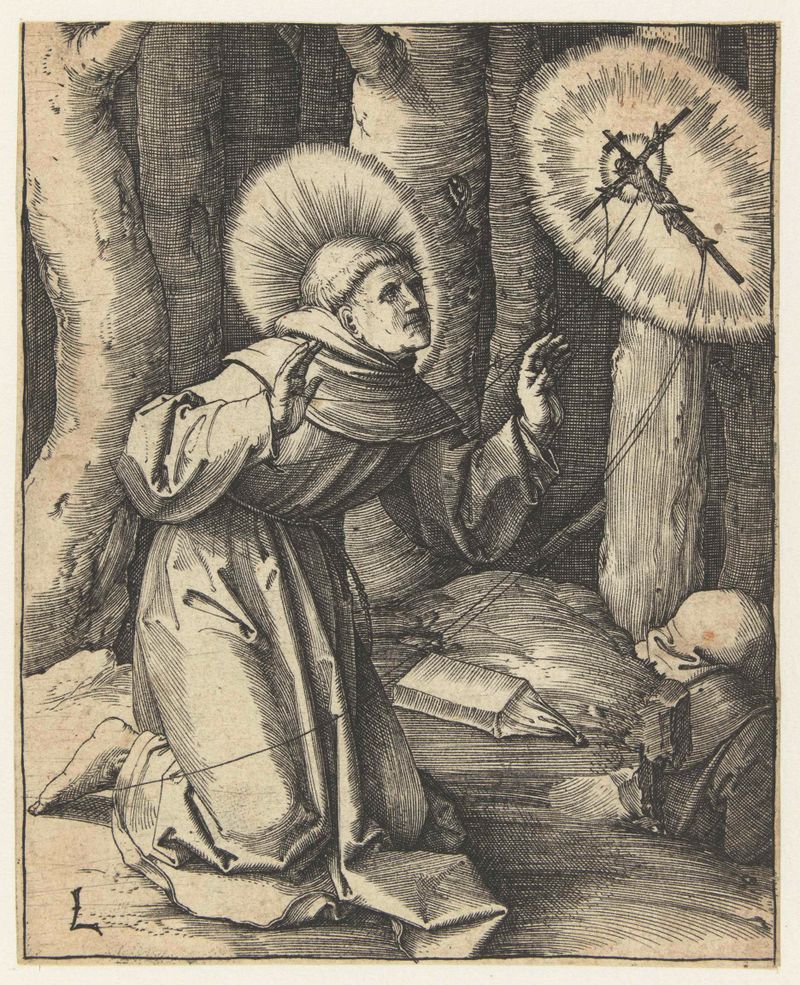
De stigmatisatie van de heilige Franciscus
Lucas van Leyden
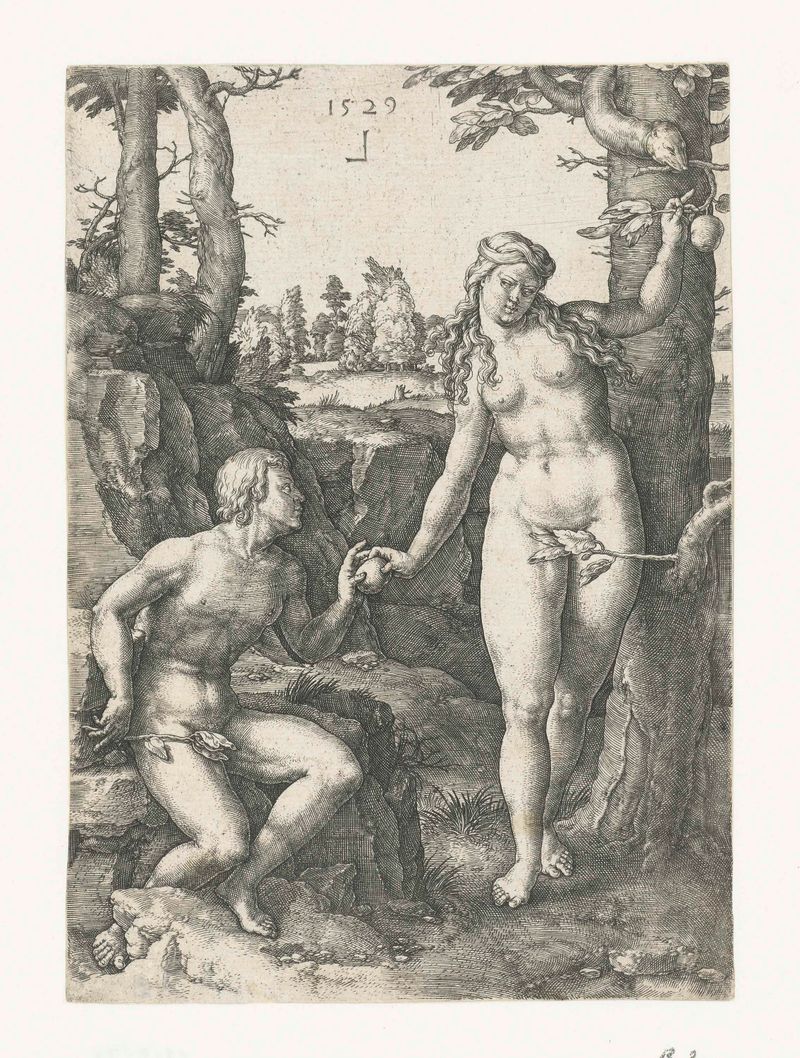
De zondeval
Lucas van Leyden
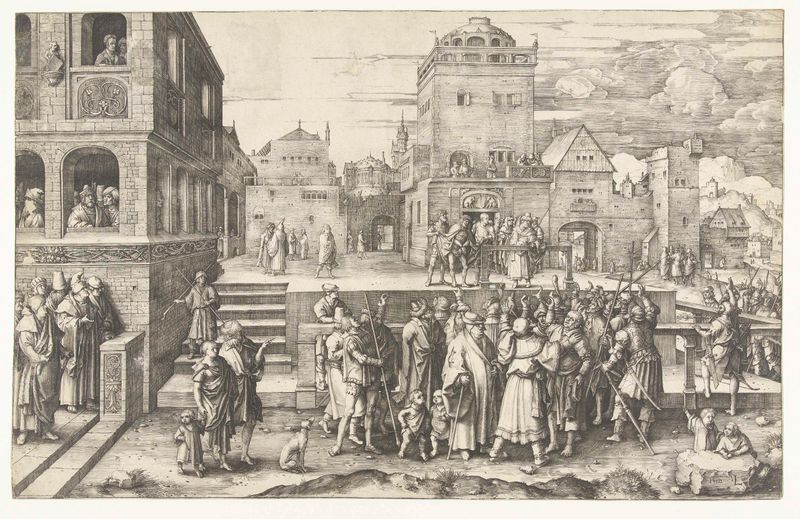
De grote Ecce Homo
Lucas van Leyden
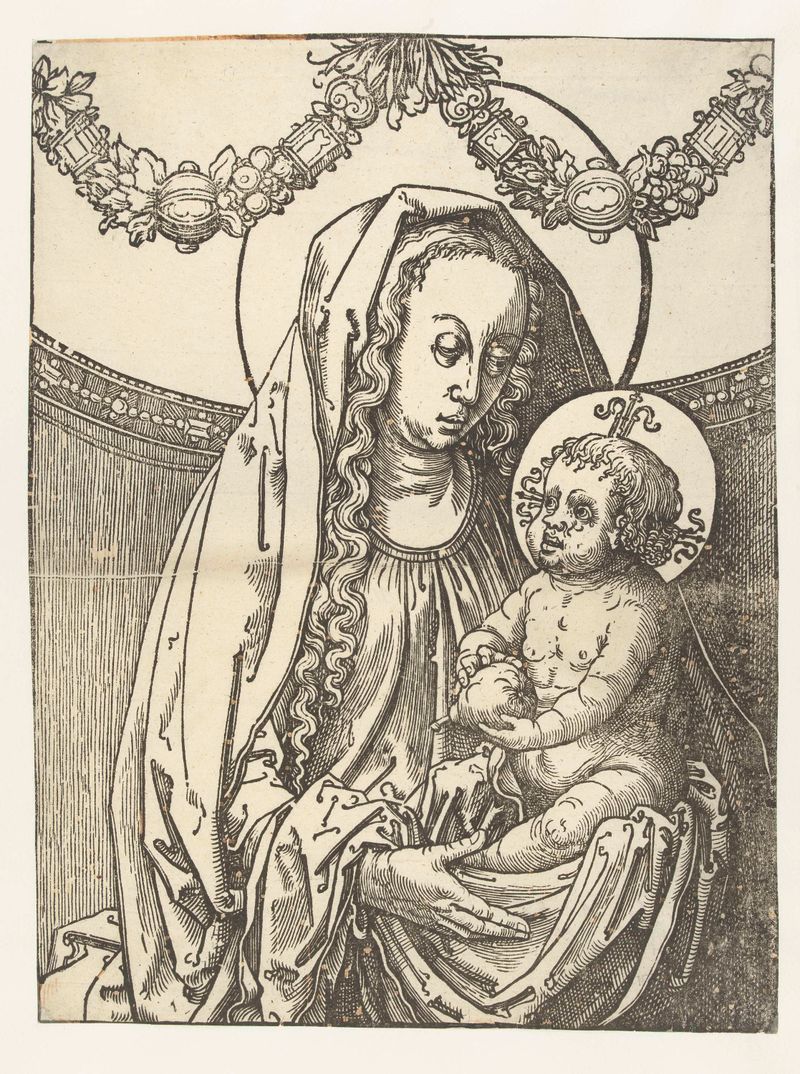
Maria met kind
Lucas van Leyden

Doornenkroning
Lucas van Leyden