
De nar en de jonge vrouw — History & Facts
Could a single brushstroke hold eternity? In De nar en de jonge vrouw, the essence of fleeting moments and the inevitability of decay come alive through the artist's delicate hand. Look to the center of the composition, where the jester's vibrant costume contrasts sharply against the muted tones of the young woman's attire. The intricacy of the fabric, adorned with intricate patterns, draws the eye immediately, inviting a closer inspection of its texture and detail. Notice how the soft light cascades across their faces, illuminating the jester's playful grin while casting shadows that hint at deeper, unspoken thoughts on the woman’s visage.
The juxtaposition of their expressions—joyful yet pensive—creates a palpable tension, evoking a narrative that transcends the canvas. The jester, often a symbol of folly, stands in stark contrast to the young woman's thoughtful demeanor, suggesting a complex relationship that intertwines wisdom and ignorance. The delicate interplay of light and shadow not only highlights the characters' features but also underscores the transient nature of youth and the inevitability of decay. The painter’s choice of grounded earth tones emphasizes the passage of time, reminding us that all moments, even the joyful ones, are fleeting and ephemeral. In 1520, Lucas van Leyden painted this work during a pivotal moment in his career, balancing the influences of the Northern Renaissance with a burgeoning sense of individual expression.
At the age of around 30, he was establishing himself in Leiden, simultaneously navigating the complexities of a changing artistic landscape marked by a growing interest in human emotion and realism. This piece encapsulates both his technical mastery and his deep engagement with themes of life’s brevity, rendering it a significant reflection on the human condition.
More Artworks by Lucas van Leyden
Browse all →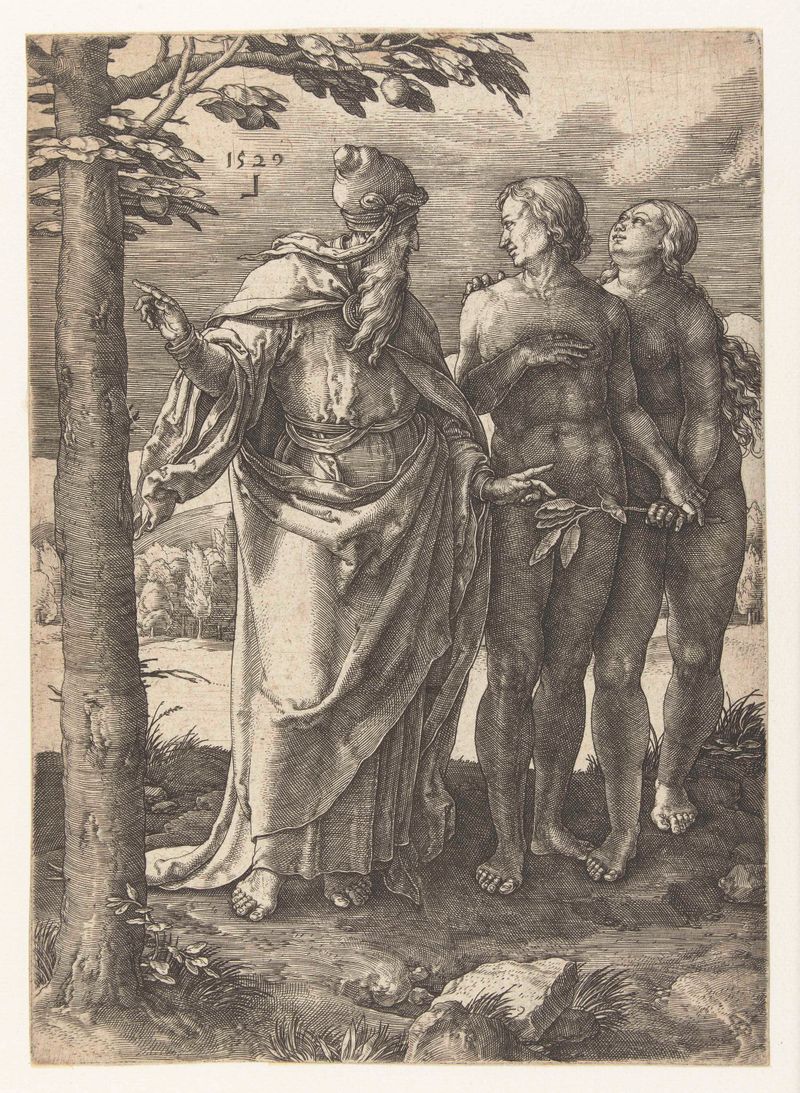
Het eerste verbod
Lucas van Leyden
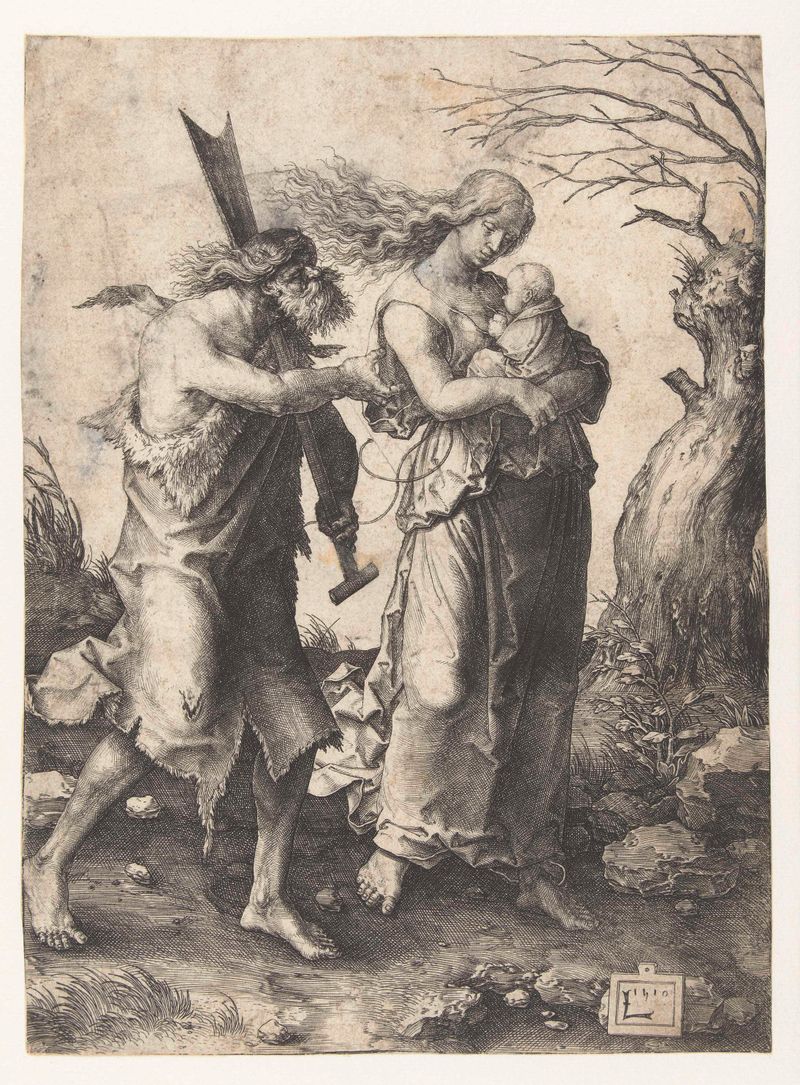
Adam en Eva na de verdrijving uit het paradijs
Lucas van Leyden
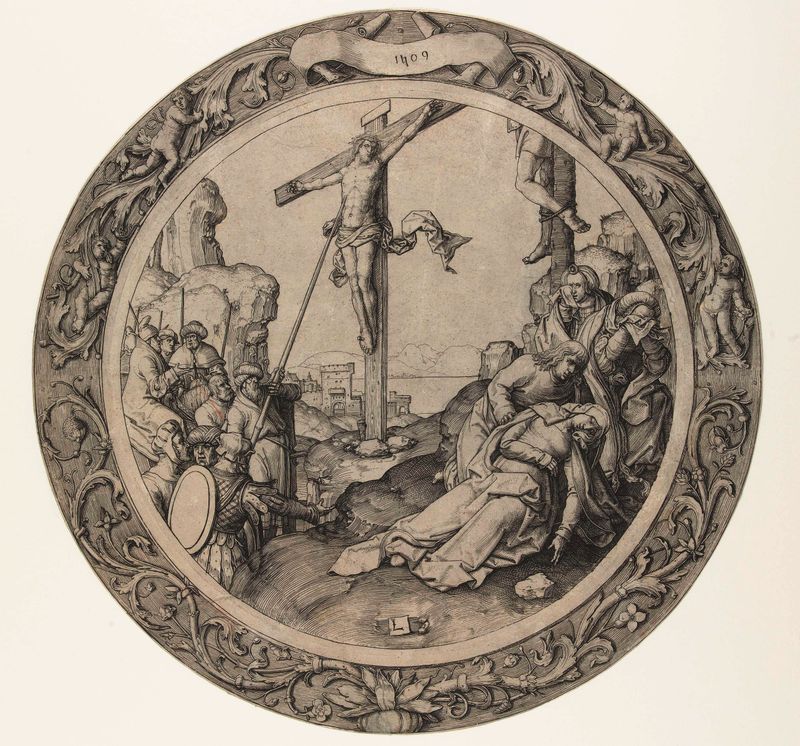
De kruisiging
Lucas van Leyden
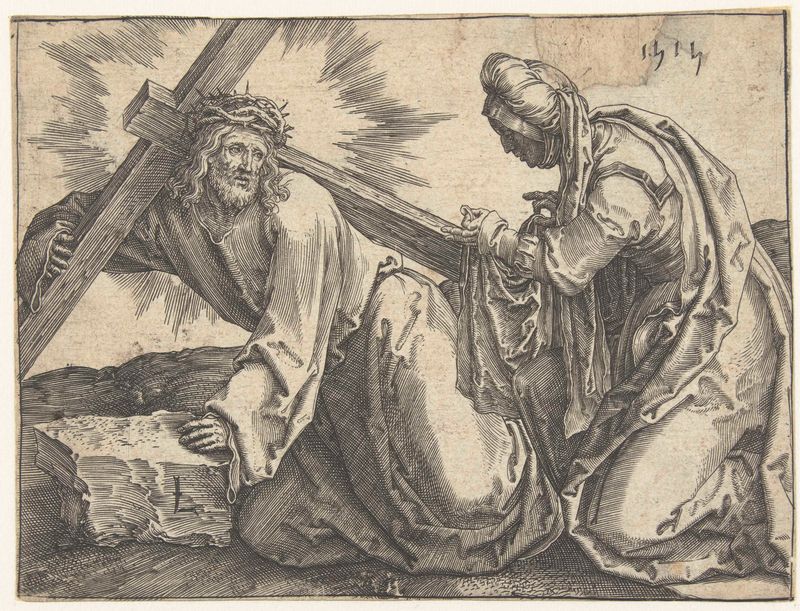
Kruisdraging
Lucas van Leyden
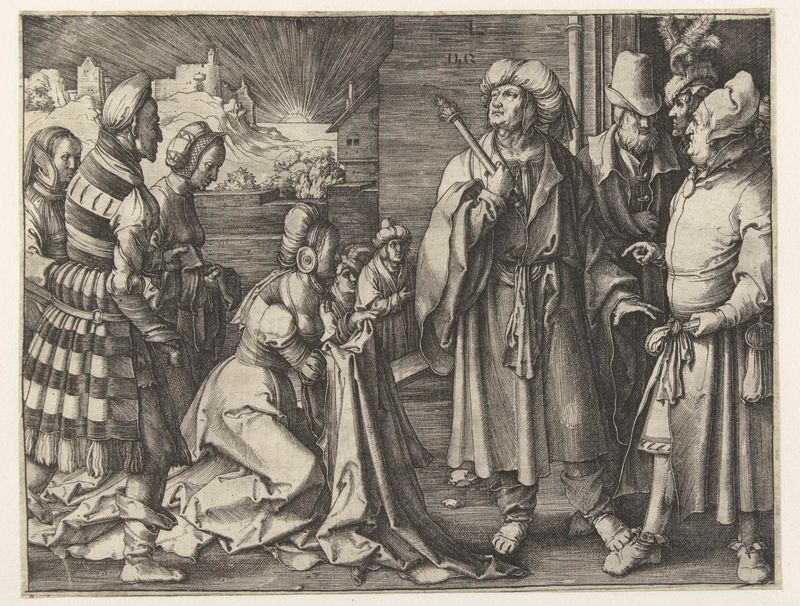
De vrouw van Potifar beschuldigt Jozef
Lucas van Leyden
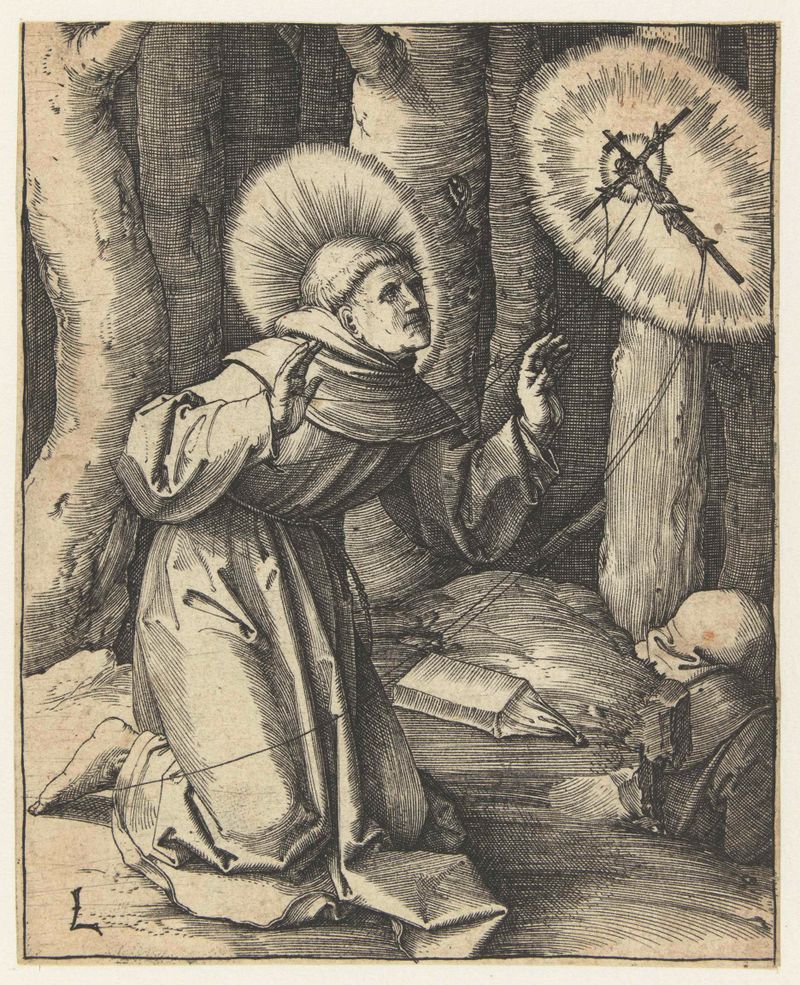
De stigmatisatie van de heilige Franciscus
Lucas van Leyden
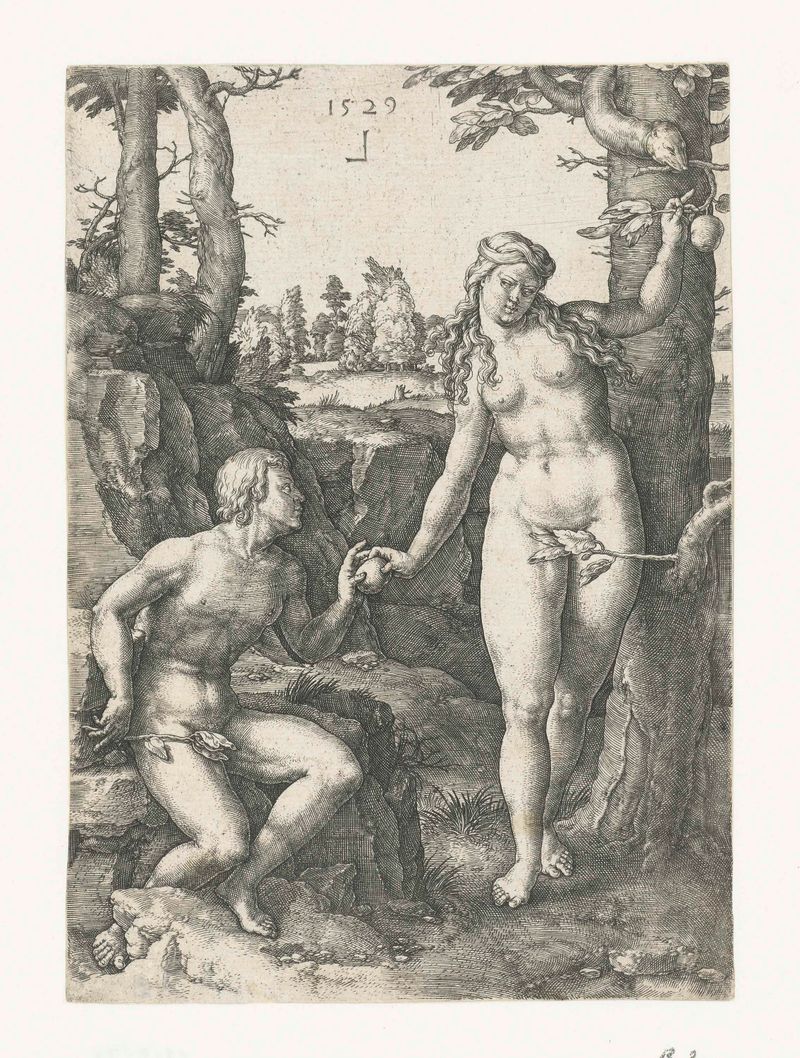
De zondeval
Lucas van Leyden
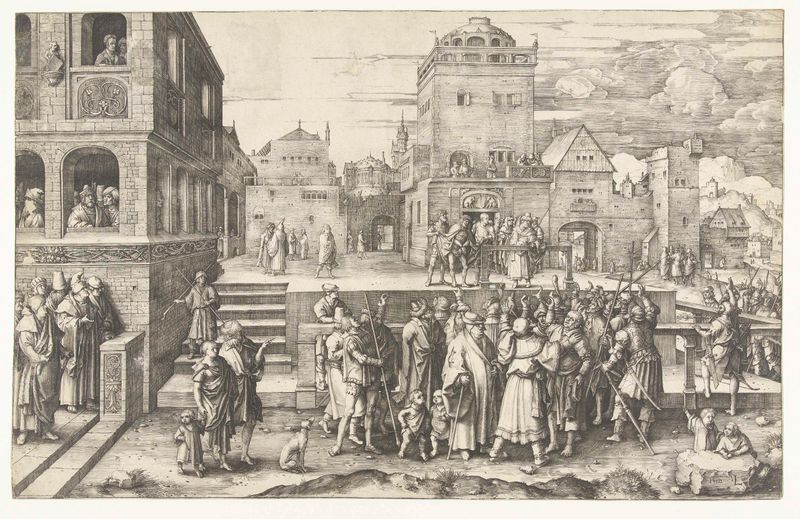
De grote Ecce Homo
Lucas van Leyden
Maria met kind
Lucas van Leyden

Doornenkroning
Lucas van Leyden





