
De Oorlog — History & Facts
In the face of relentless change, art becomes a vessel for our most profound recollections. Look closely at the vivid chaos unfolding across the canvas. Notice how the turbulent hues of red and orange dominate the foreground, echoing the ferocity of battle. The figures, caught in the throes of conflict, are rendered with intricate precision, their expressions revealing the pain and desperation of war.
The meticulous attention to detail in their armor and weaponry contrasts sharply with the smudged, almost ghostly background, suggesting the blurred line between memory and reality. Amidst the tumult, there lies a poignant commentary on the cyclical nature of human strife. The soldiers, though depicted in a moment of aggression, are mere shadows of the past, trapped in a continuum of violence. This juxtaposition invites contemplation: are we victims of our own history, or can we learn from it? The ashen sky reflects an impending darkness, signaling not just the end of a battle, but perhaps the end of an era, urging us to confront our own narratives of conflict. In 1546, while residing in Amsterdam, the artist created this work amidst a Europe rife with political unrest and religious upheaval.
Anthonisz. was influenced by the tumultuous environment of the Reformation, where the struggles for power and identity led to a profound exploration of the human condition. His dedication to capturing these truths through intense imagery positioned him as a significant figure in the Dutch Renaissance, contributing to the dialogue of art as a reflection of life's harsh realities.
More Artworks by Cornelis Anthonisz.
Browse all →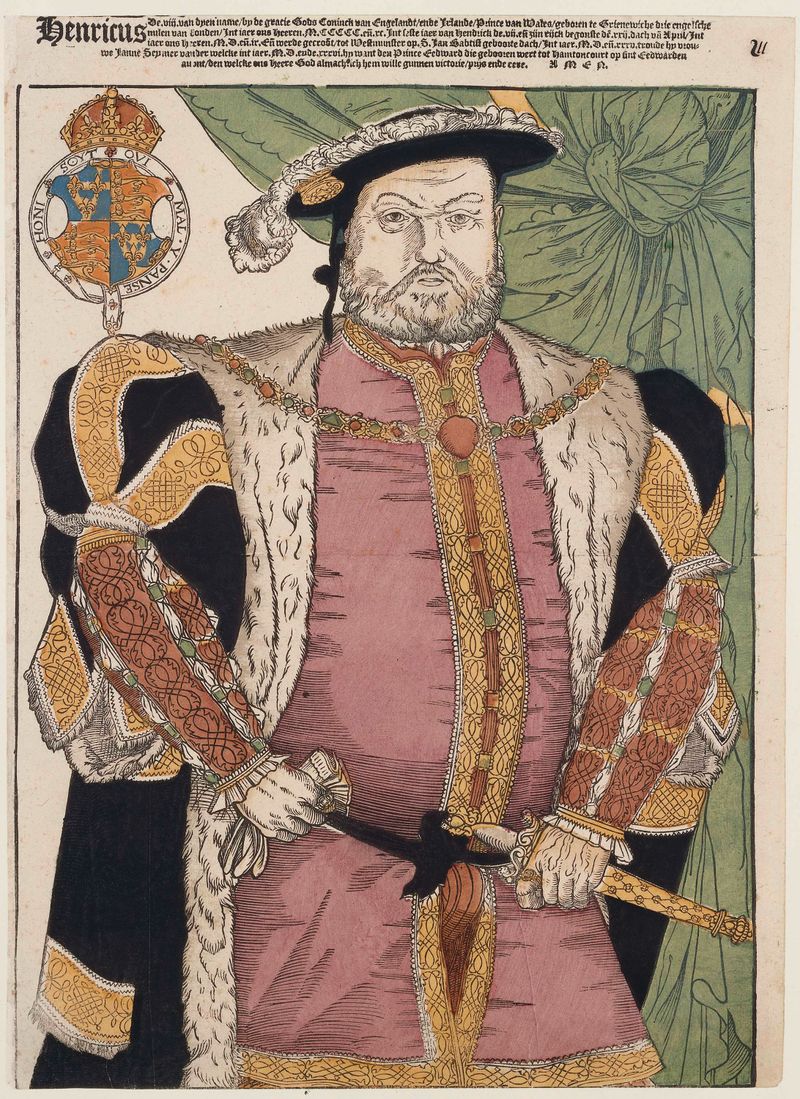
Portret van Hendrik VIII van Engeland
Cornelis Anthonisz.

Portret van Hendrik VIII van Engeland
Cornelis Anthonisz.

Portret van Maarten van Rossum te paard
Cornelis Anthonisz.
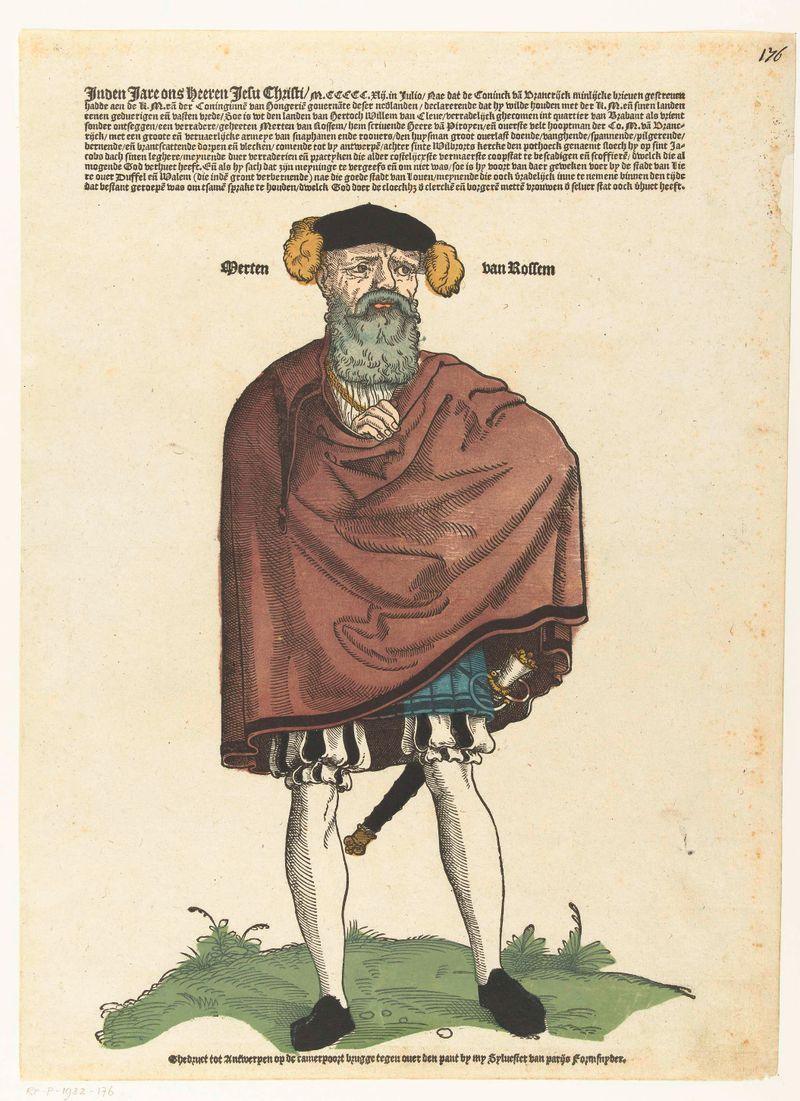
Portret van Maarten van Rossum
Cornelis Anthonisz.

De verloren zoon eet uit de varkenstrog
Cornelis Anthonisz.
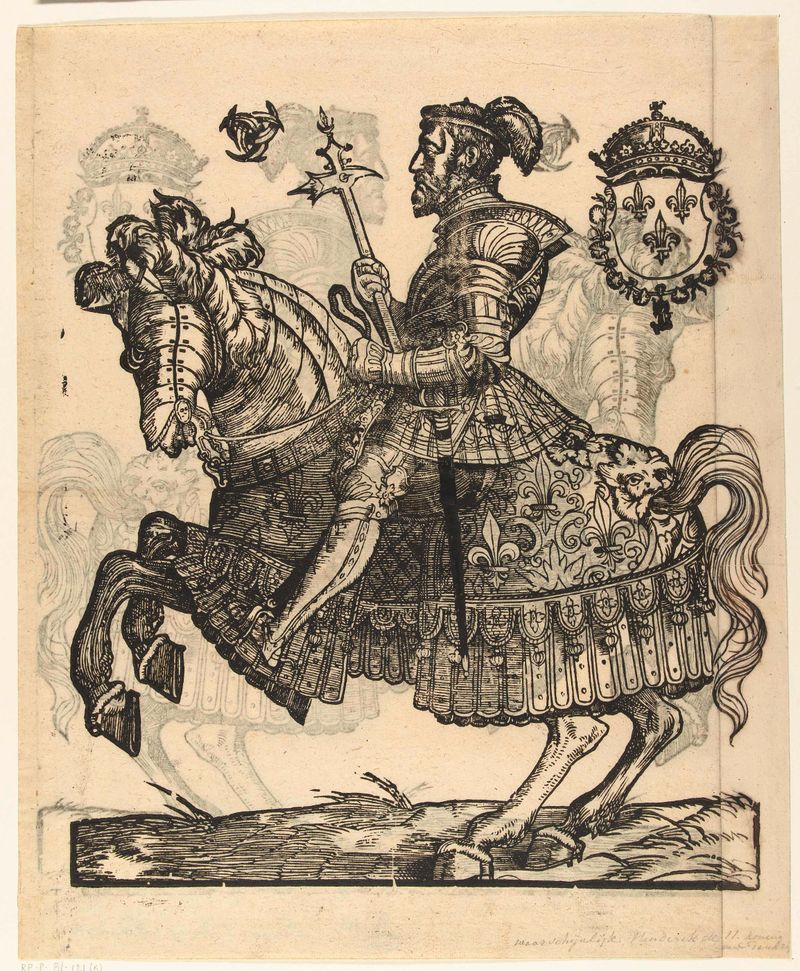
Portret van Hendrik II van Frankrijk te paard
Cornelis Anthonisz.

Portret van hertog Willem van Kleef, Gulik en Berg, graaf van Mark, heer van Ravenstein te paard
Cornelis Anthonisz.

Portret van Karel V te paard
Cornelis Anthonisz.

Portret van Maria van Hongarije te paard
Cornelis Anthonisz.
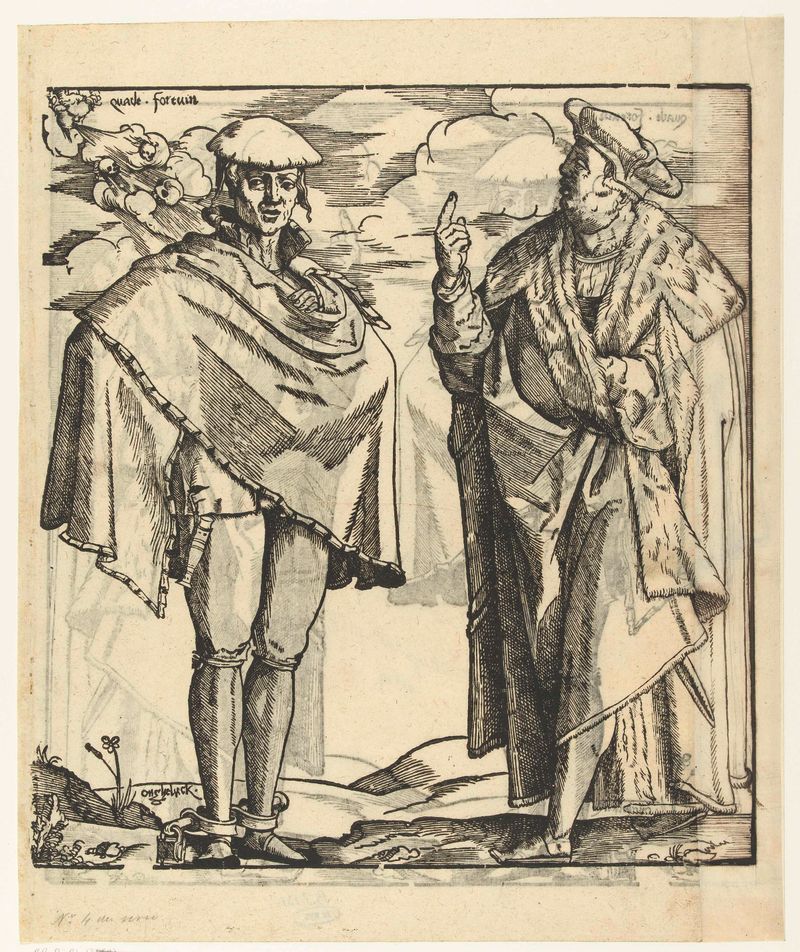
De lichtzinnige jeugd
Cornelis Anthonisz.
More Historical Art
Browse all →
The Night Watch Militia Company of District II under the Command of Captain Frans Banninck Cocq
Rembrandt van Rijn

Lincoln Memorial
Henry Bacon

The Third of May 1808
Francisco de Goya

Isaac and Rebecca, Known as ‘The Jewish Bride’
Rembrandt van Rijn

The Charge of the Mamelukes (1814)
Francisco de Goya

De vier ruiters van de apocalyps
Albrecht Dürer