
De profeet Amos — History & Facts
In the world of art, where every brushstroke holds the weight of emotion, fragility often emerges as a profound theme, inviting viewers to reflect deeply. Look closely at the figure occupying the center of the canvas. The prophet stands draped in rich, somber hues, his robe unfolding like the pages of an ancient text. Notice how the light cascades softly over his face, illuminating the furrowed brow and the depth of his gaze.
The background fades into muted tones, allowing the figure to resonate with a quiet authority, as if he is both a seer of the divine and a bearer of heavy truths. Delve into the intricate details of his expression—a blend of sorrow and wisdom that hints at the burdens he carries. The contrast between his vibrant attire and the duller landscape underscores the tension between the prophetic messages and the world’s indifference. Each element, from the subtle curve of his hand to the delicate fold of his garment, speaks to the fragility of understanding and the vulnerability inherent in truth-telling. During the years between 1521 and 1525, the artist created this work in the Netherlands, a time when humanist ideals were beginning to reshape thought and culture.
Van Oostsanen, who was influenced by the burgeoning Renaissance, sought to imbue his religious subjects with a sense of humanity and realism, reflecting both the spiritual and earthly struggles of his time. This painting stands as a testament to his mastery, capturing a poignant moment of reflection amid an evolving artistic landscape.
More Artworks by Jacob Cornelisz van Oostsanen
Browse all →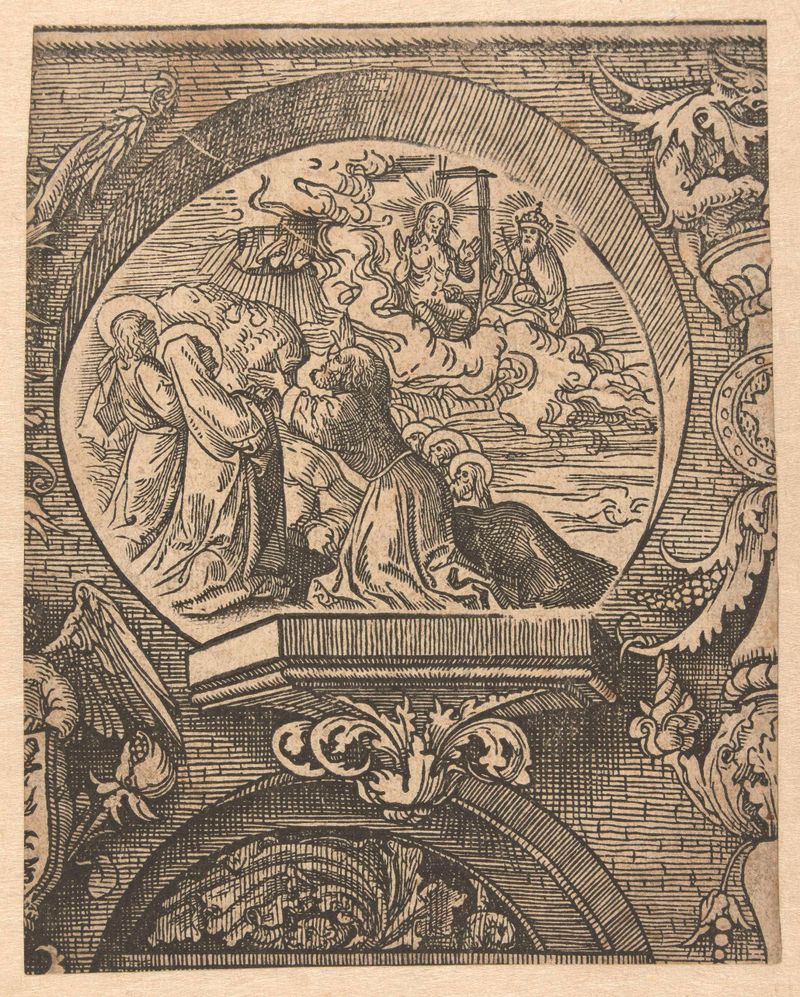
De hemelvaart en Christus voor God de Vader
Jacob Cornelisz van Oostsanen
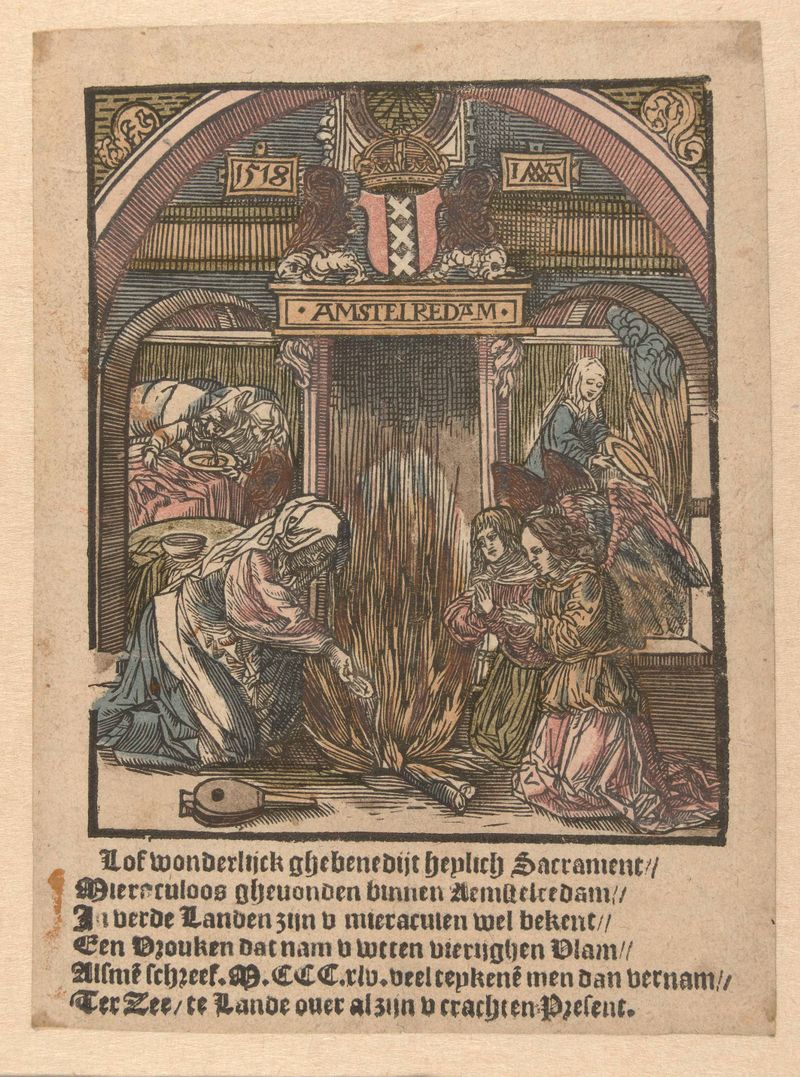
Het hostiewonder van Amsterdam
Jacob Cornelisz van Oostsanen
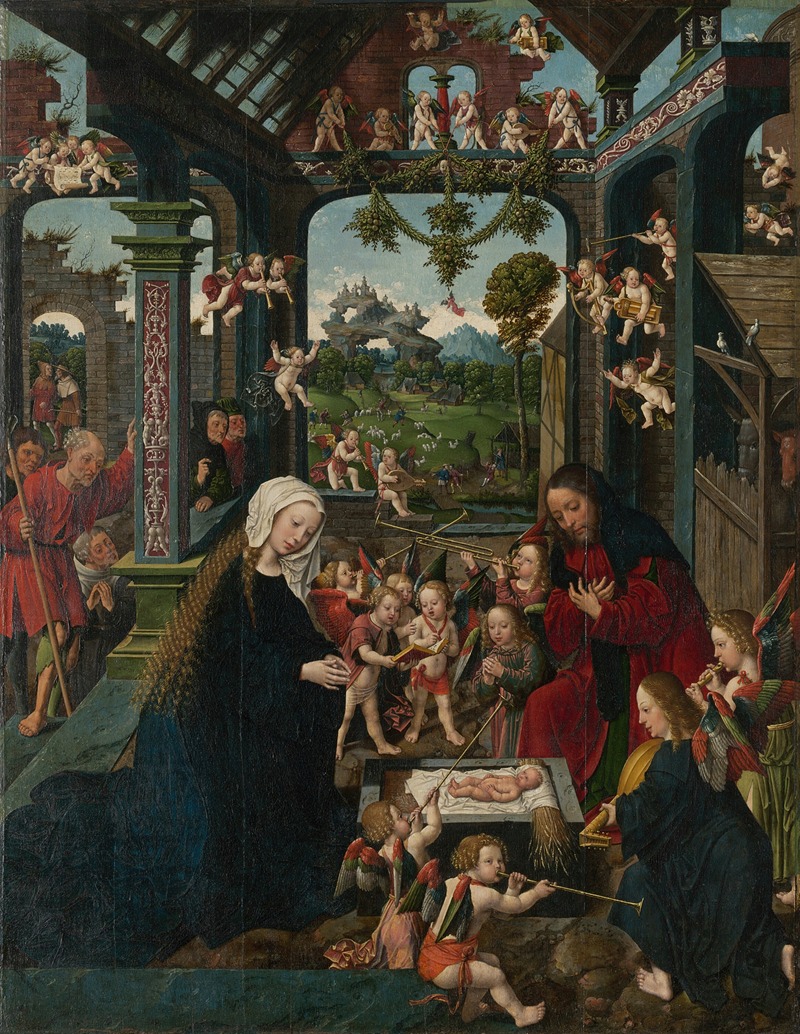
The Adoration of the Christ Child
Jacob Cornelisz van Oostsanen
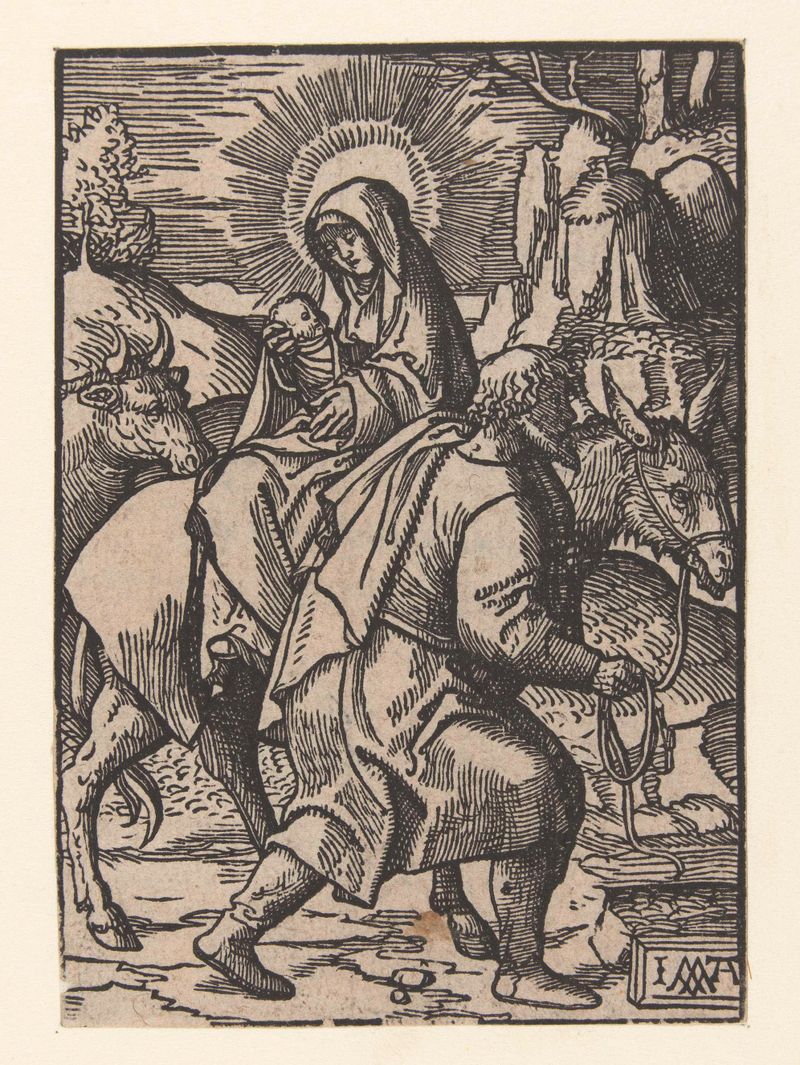
Vlucht naar Egypte
Jacob Cornelisz van Oostsanen
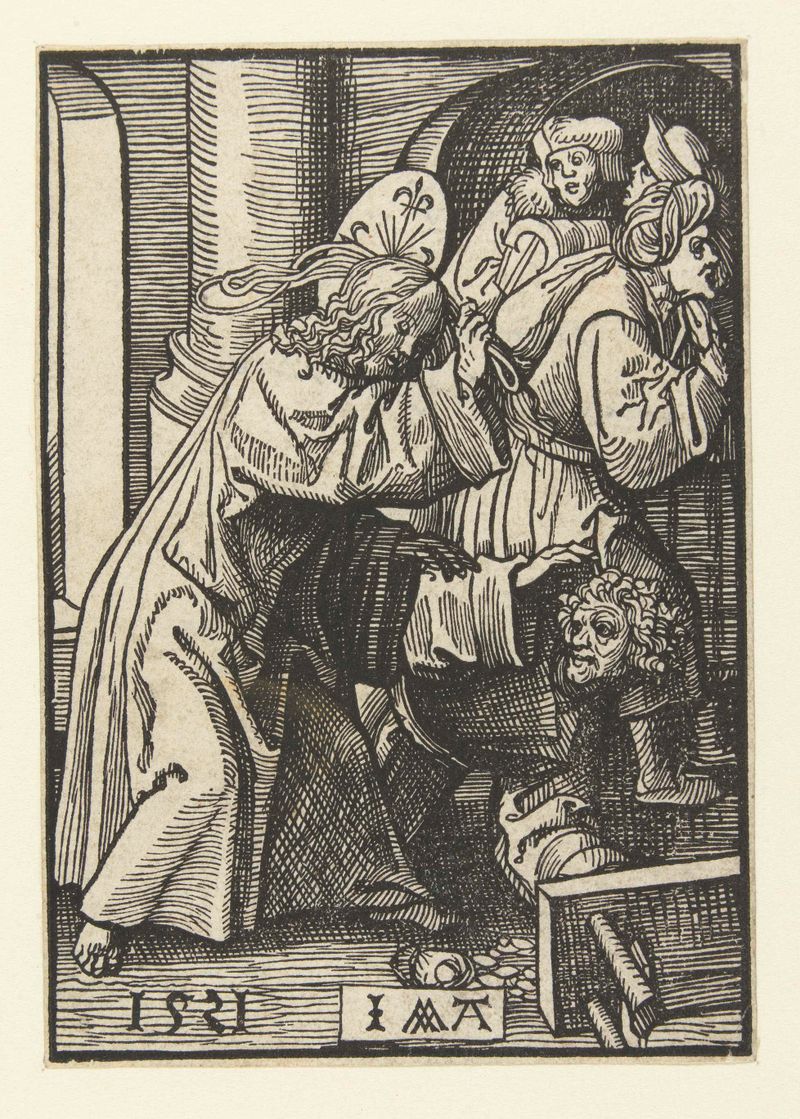
Verdrijving van de handelaren uit de tempel
Jacob Cornelisz van Oostsanen
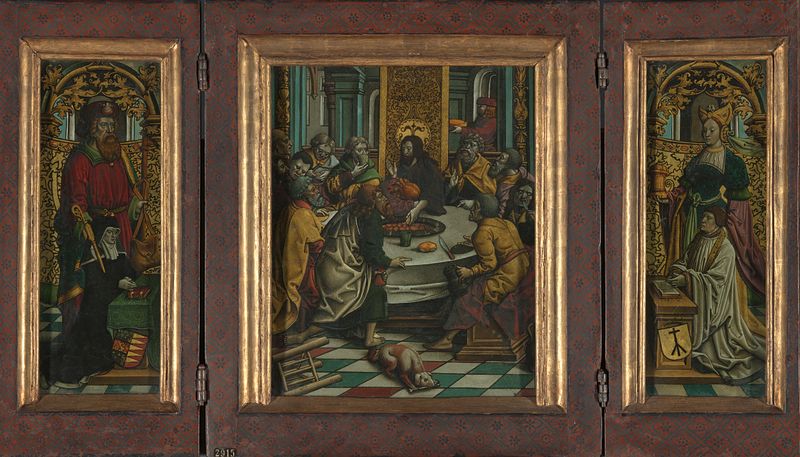
Triptych with the Last Supper and Donors
Jacob Cornelisz van Oostsanen
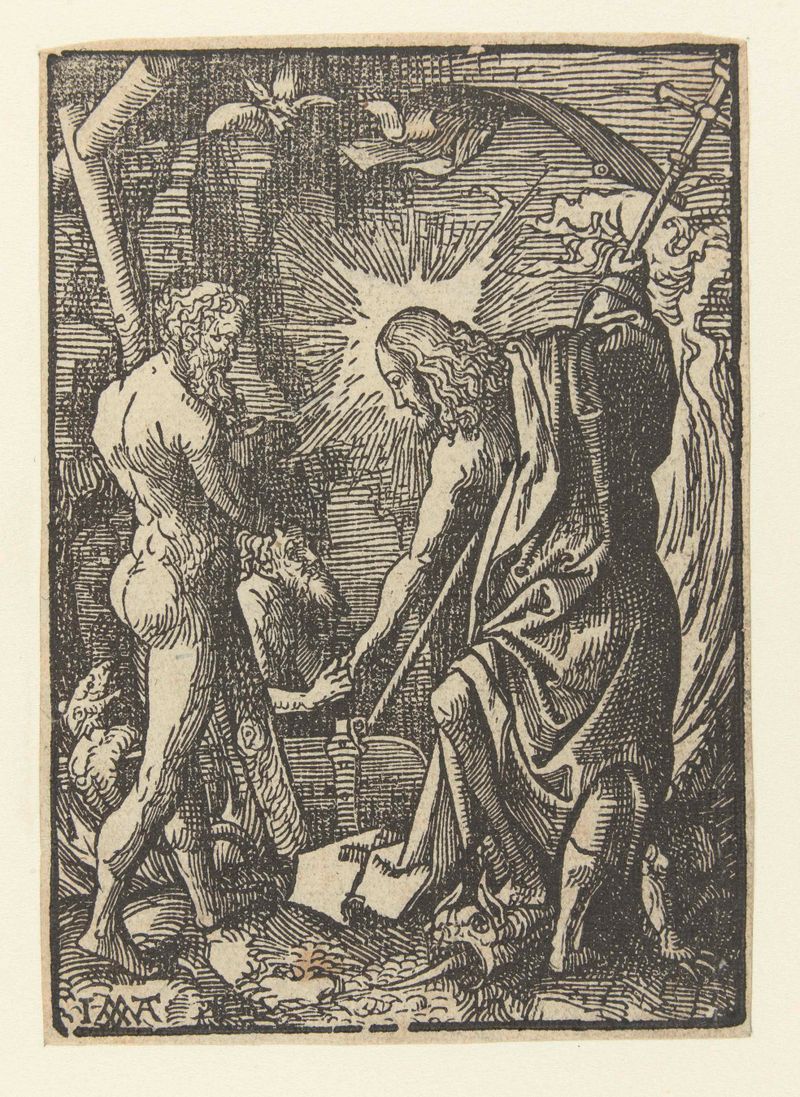
Christus in het voorgeborchte
Jacob Cornelisz van Oostsanen
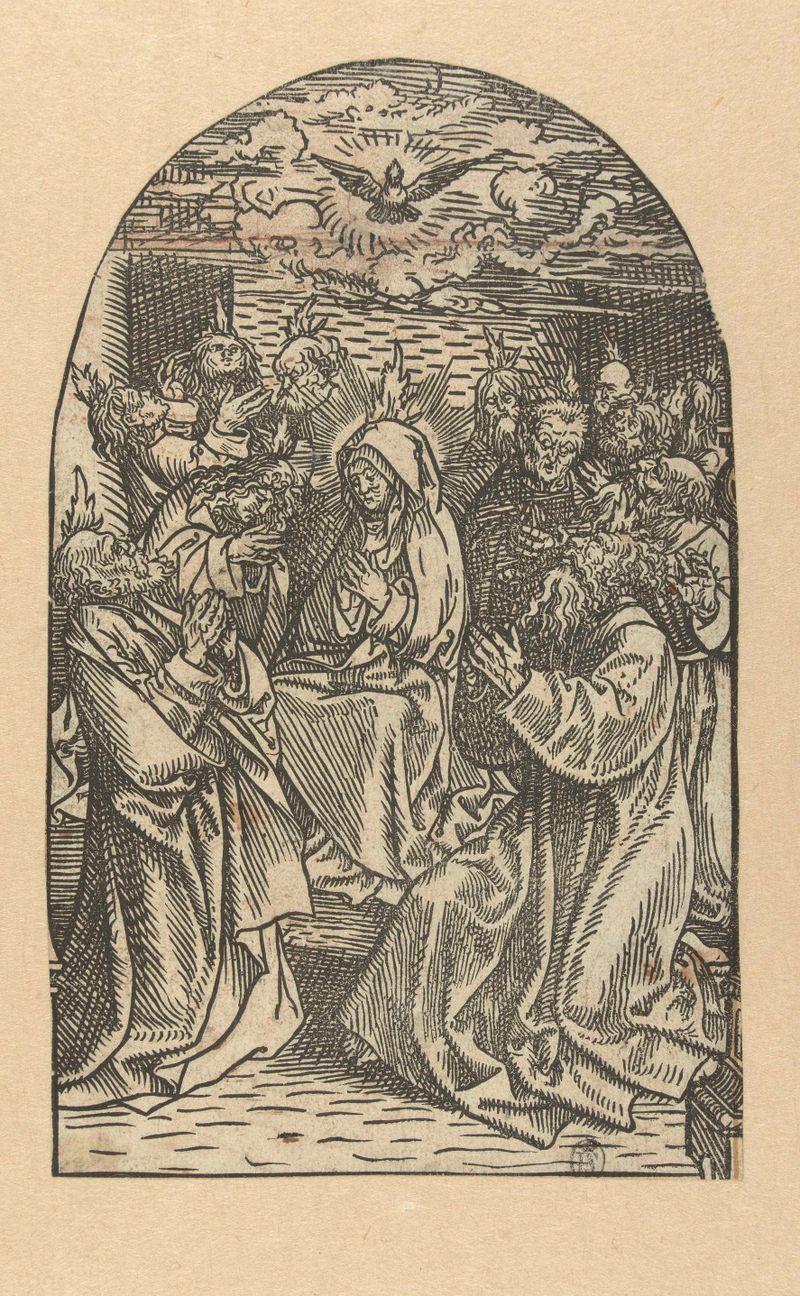
Uitstorting van de Heilige Geest
Jacob Cornelisz van Oostsanen
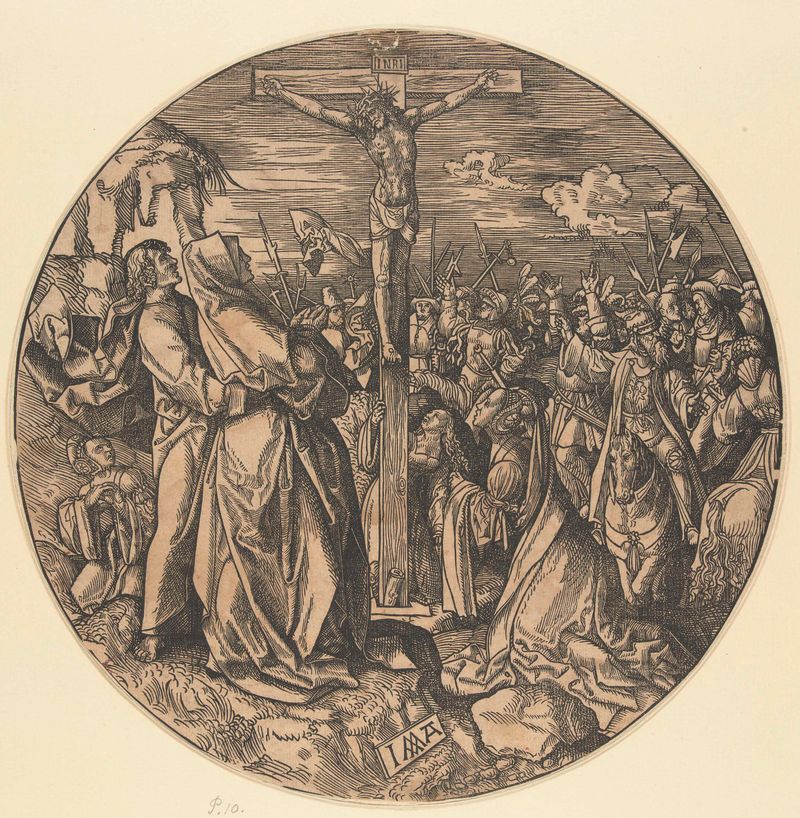
Christus aan het kruis
Jacob Cornelisz van Oostsanen

De kruisiging en de graflegging van Christus
Jacob Cornelisz van Oostsanen
More Religious Art
Browse all →
The Return of the Prodigal Son
Rembrandt van Rijn

The Garden of Earthly Delights
El Bosco

Count Orgaz’ funeral
El Greco

The Hundred Guilder Print: the central piece with Christ preaching, the plate arched
Rembrandt van Rijn

The Descent from the Cross
Rogier van der Weyden

The return of the prodigal son
Rembrandt van Rijn