
De profeet Ezechiël — History & Facts
Could beauty survive in a century of chaos? This question lingers in the air as we contemplate a work from a time marked by turmoil and transformation. In the hands of its creator, desire manifests not only as longing but also as a profound yearning for solace amid disruption. Look to the center of the canvas, where the figure of Ezekiel stands with an air of gravitas. His flowing robes, painted in rich hues of blues and earth tones, echo a sense of both majesty and vulnerability.
Notice how the light gently illuminates his face, revealing a mixture of wisdom and sorrow, while casting shadows that heighten the tension of the moment. The background, rendered in softer shades, provides a stark contrast, allowing the prophet’s presence to dominate the scene. As you delve deeper, you may uncover layers of meaning woven into the details. The open scroll in Ezekiel's hands symbolizes revelation and the burden of prophetic knowledge, creating a poignant contrast between the divine and the human experience.
Moreover, the subtle elements—the distant figures and enigmatic symbols—hint at a community grappling with crises of faith and identity, amplifying the emotional resonance of the central figure’s isolation. Jacob Cornelisz van Oostsanen painted this remarkable work between 1521 and 1525 during a period of significant upheaval in the Netherlands, where religious strife and political turbulence loomed large. Emerging from the Northern Renaissance, he sought to merge traditional iconography with emerging humanist ideals, reflecting both the spiritual and secular concerns of his time while solidifying his position as a pioneering voice in Dutch art.
More Artworks by Jacob Cornelisz van Oostsanen
Browse all →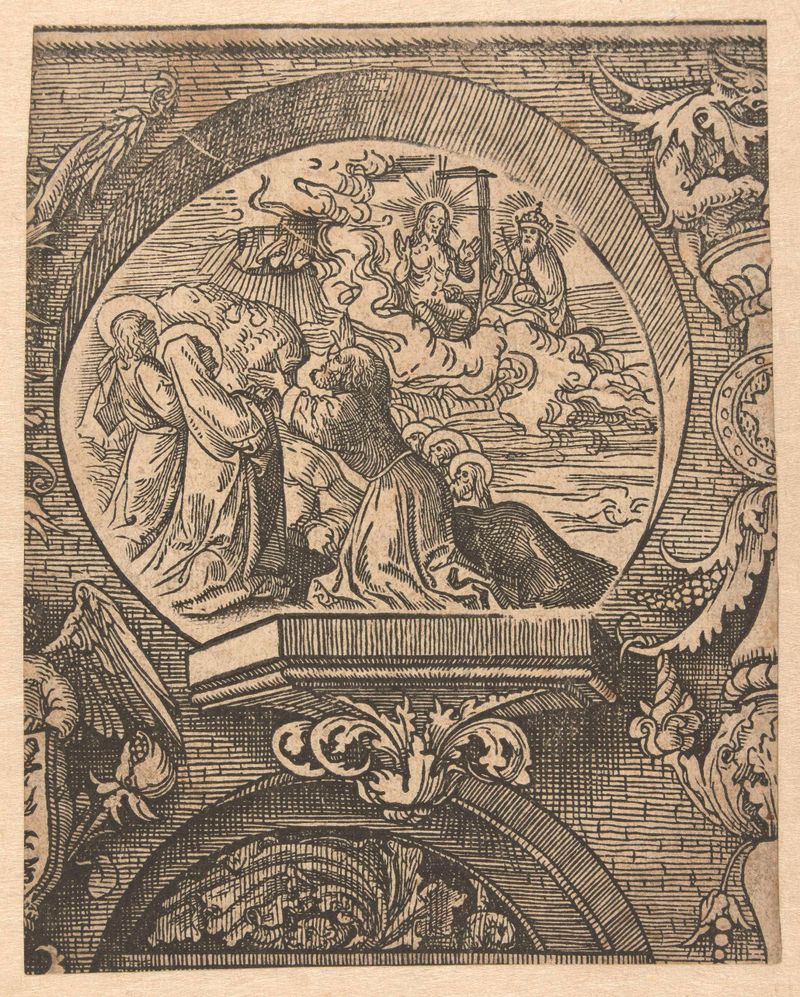
De hemelvaart en Christus voor God de Vader
Jacob Cornelisz van Oostsanen
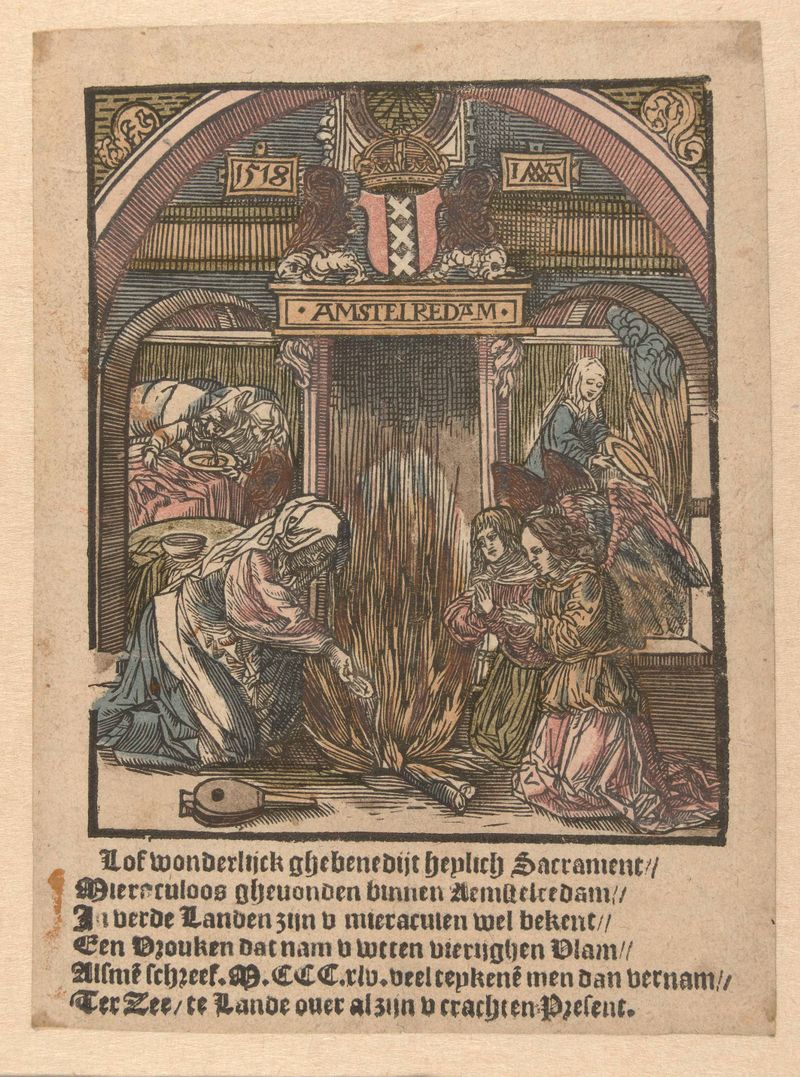
Het hostiewonder van Amsterdam
Jacob Cornelisz van Oostsanen
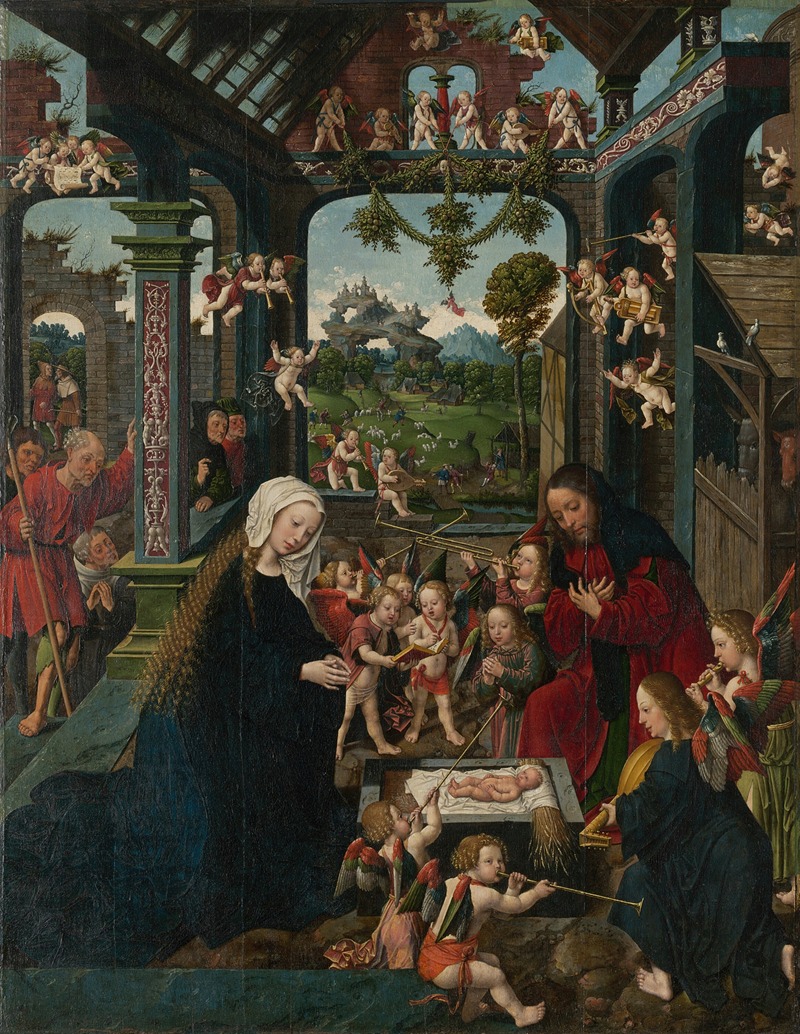
The Adoration of the Christ Child
Jacob Cornelisz van Oostsanen
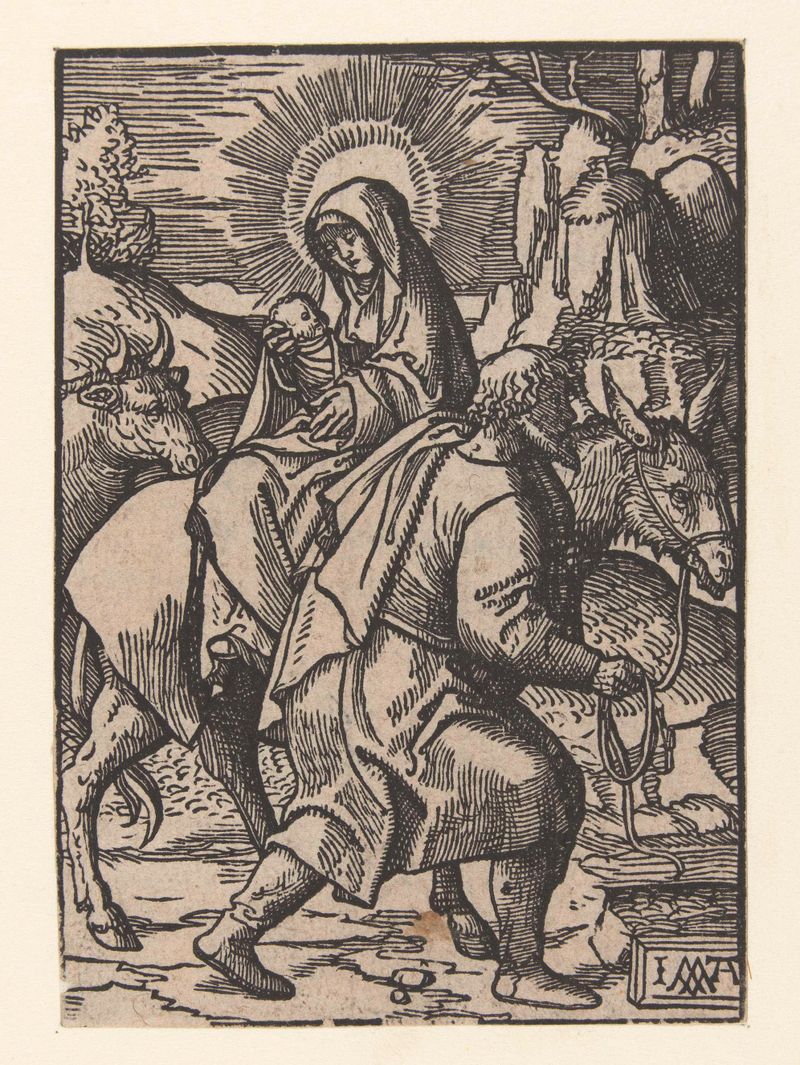
Vlucht naar Egypte
Jacob Cornelisz van Oostsanen
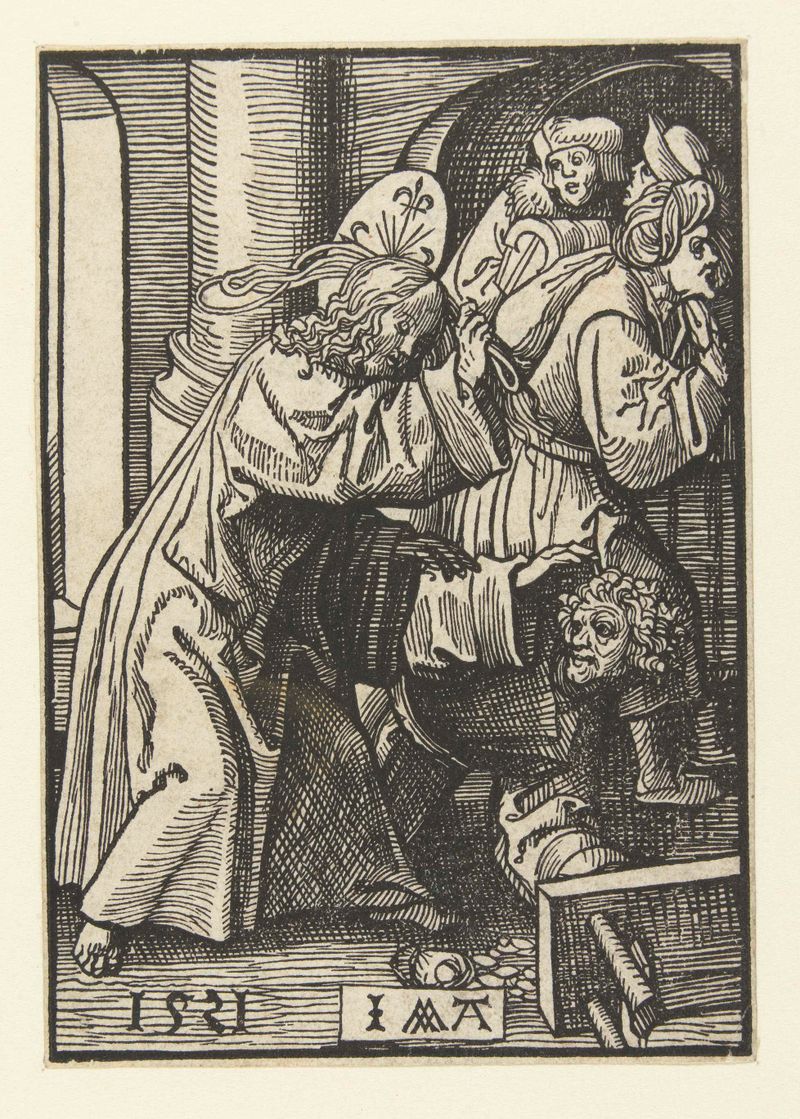
Verdrijving van de handelaren uit de tempel
Jacob Cornelisz van Oostsanen
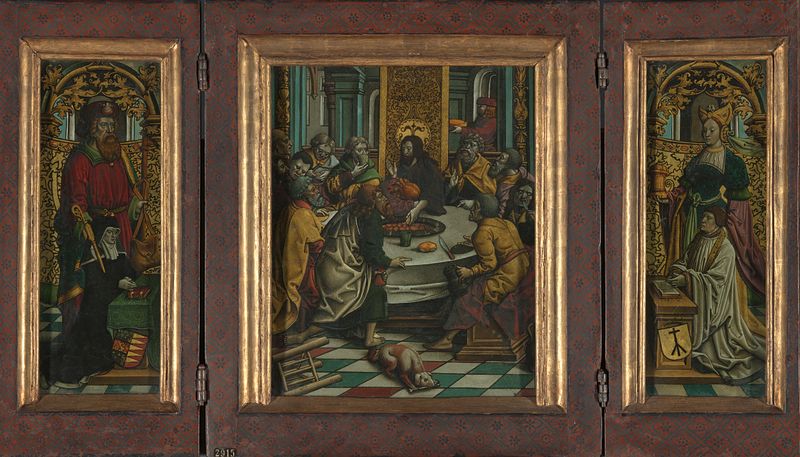
Triptych with the Last Supper and Donors
Jacob Cornelisz van Oostsanen
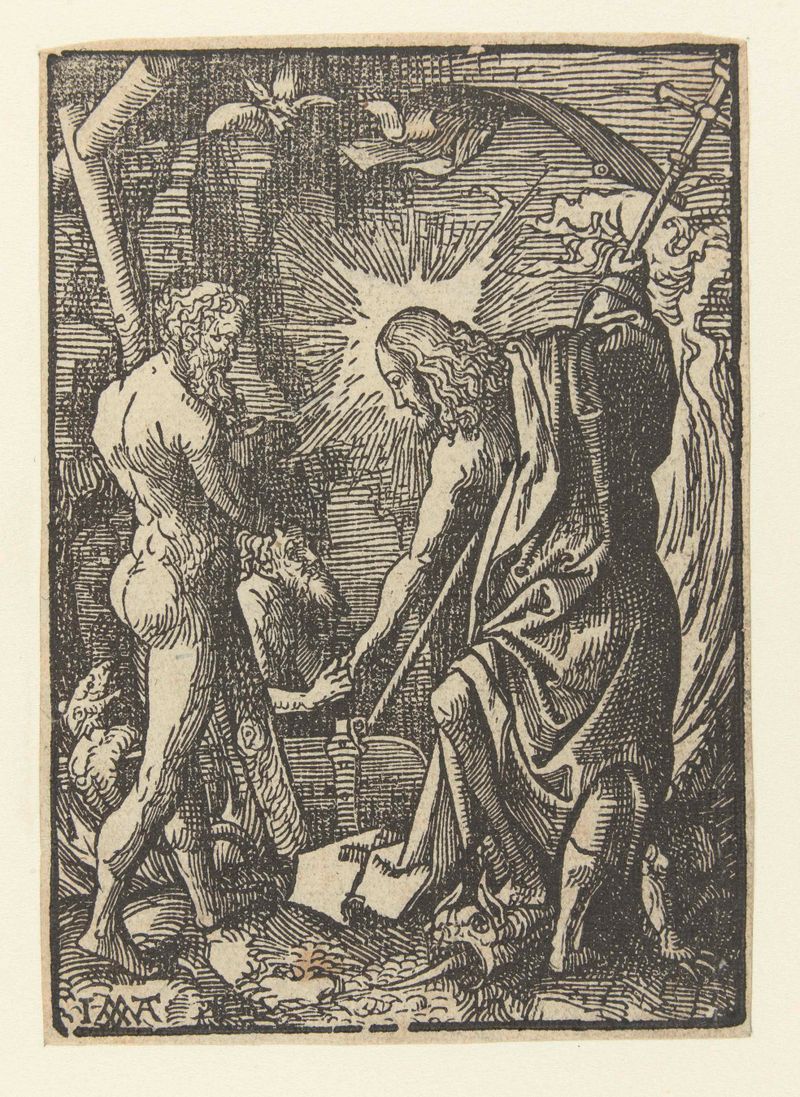
Christus in het voorgeborchte
Jacob Cornelisz van Oostsanen
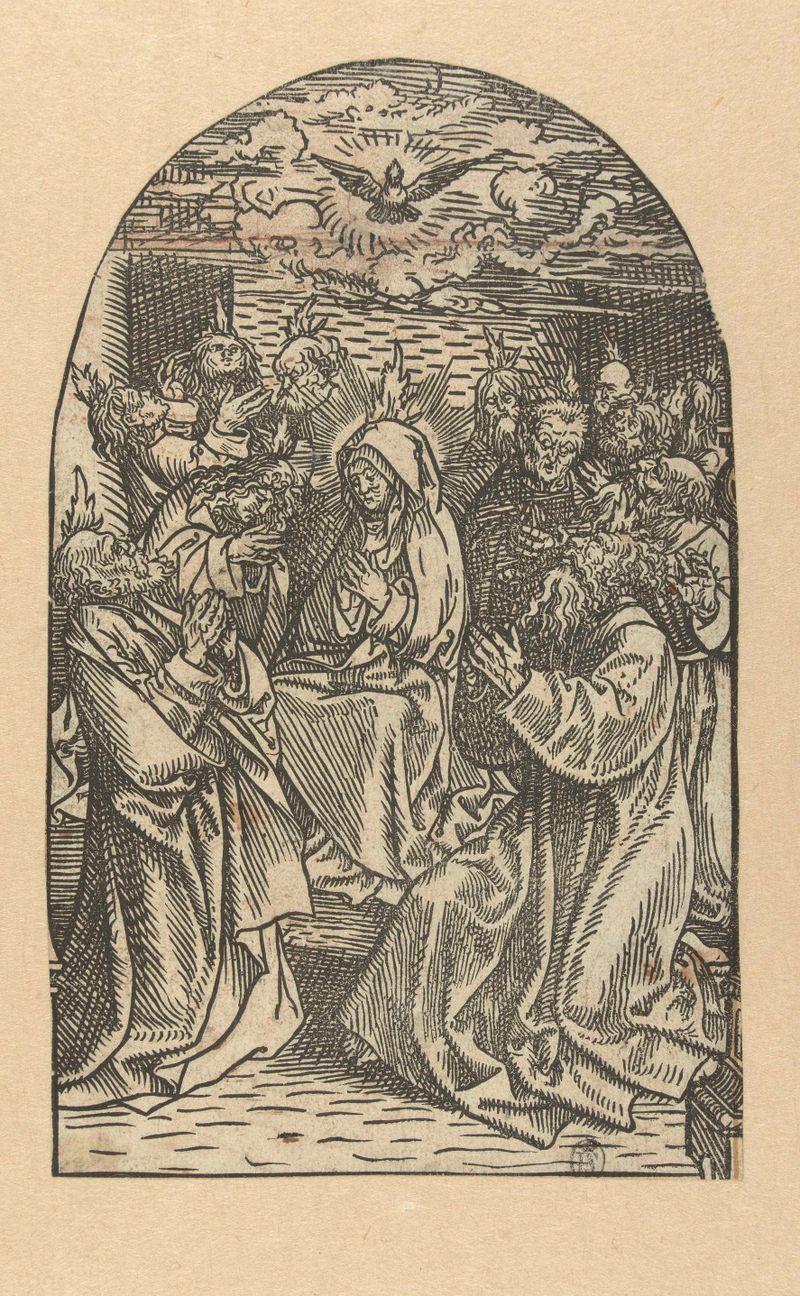
Uitstorting van de Heilige Geest
Jacob Cornelisz van Oostsanen
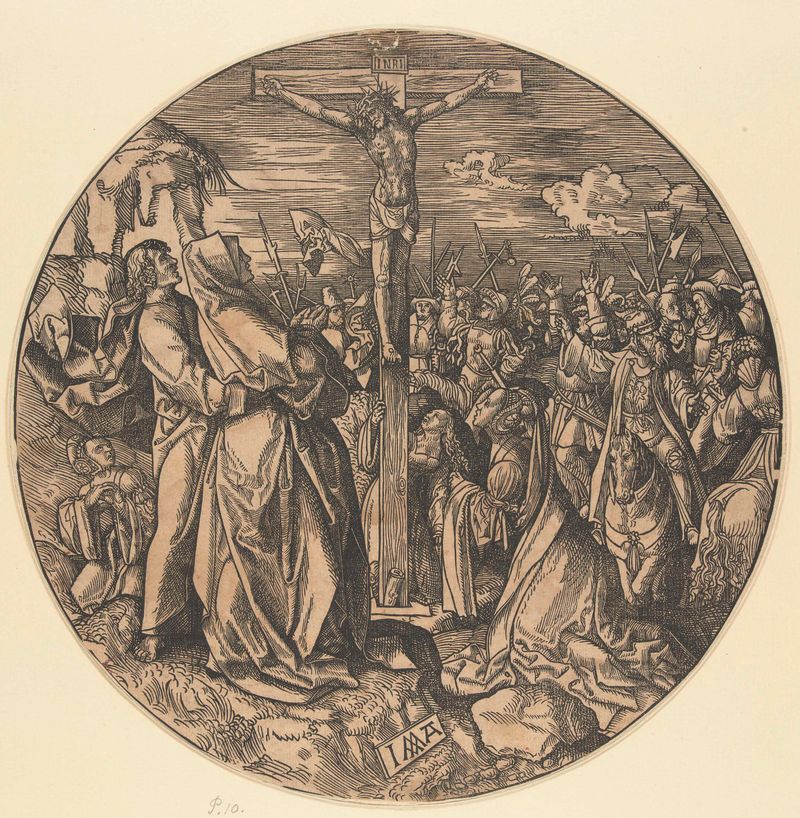
Christus aan het kruis
Jacob Cornelisz van Oostsanen

De kruisiging en de graflegging van Christus
Jacob Cornelisz van Oostsanen
More Religious Art
Browse all →
The Return of the Prodigal Son
Rembrandt van Rijn

The Garden of Earthly Delights
El Bosco

Count Orgaz’ funeral
El Greco

The Hundred Guilder Print: the central piece with Christ preaching, the plate arched
Rembrandt van Rijn

The Descent from the Cross
Rogier van der Weyden

The return of the prodigal son
Rembrandt van Rijn