
De profeet Habakuk — History & Facts
What if beauty was never meant to be finished? In the liminal space between the earthly and the divine, De profeet Habakuk invites us to contemplate the intricacies of balance within creation. Look to the center, where Habakuk stands, embodying a harmonious blend of mystique and solemnity. Notice how the soft, muted tones of his robe contrast with the vibrant hues of the surrounding landscape, drawing your gaze to his contemplative expression. The light filters gently from above, illuminating his face, while shadows cling to his form, suggesting the duality of hope and despair inherent in prophecy.
The composition is meticulously structured, guiding our eyes through a journey that balances the spiritual with the tangible. Delve deeper into the symbols woven throughout the painting. The scroll in Habakuk's hand signifies a bridge between the known and the unknown, illustrating the tension between revelation and doubt. The subtle details—the delicate folds of his garment, the textured foliage behind him—speak to the complexity of faith and the struggle that accompanies it.
Each element is a reminder of the need for equilibrium in understanding our place within the cosmos. Created between 1521 and 1525, this work emerged during a time of profound transformation in the Netherlands. Jacob Cornelisz van Oostsanen was engaged in the early Renaissance, a period marked by the burgeoning interest in humanism and the revival of classical themes. Amidst this cultural shift, the artist crafted a piece that resonates with the quest for balance—not just in art, but in the very fabric of existence.
More Artworks by Jacob Cornelisz van Oostsanen
Browse all →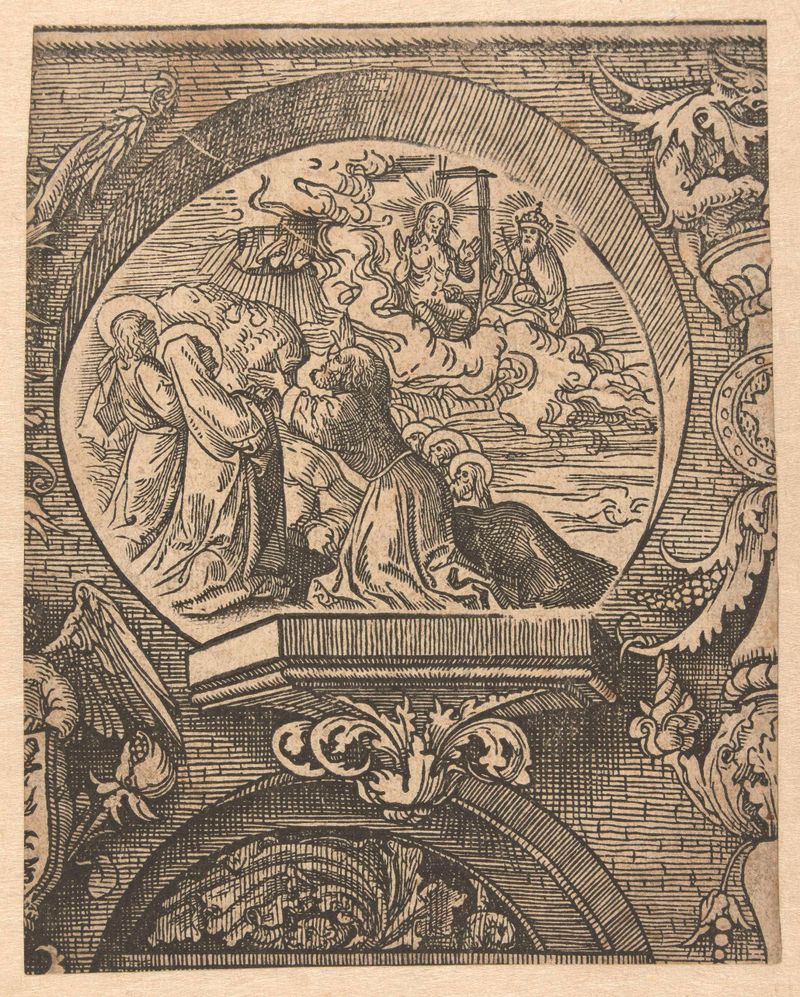
De hemelvaart en Christus voor God de Vader
Jacob Cornelisz van Oostsanen
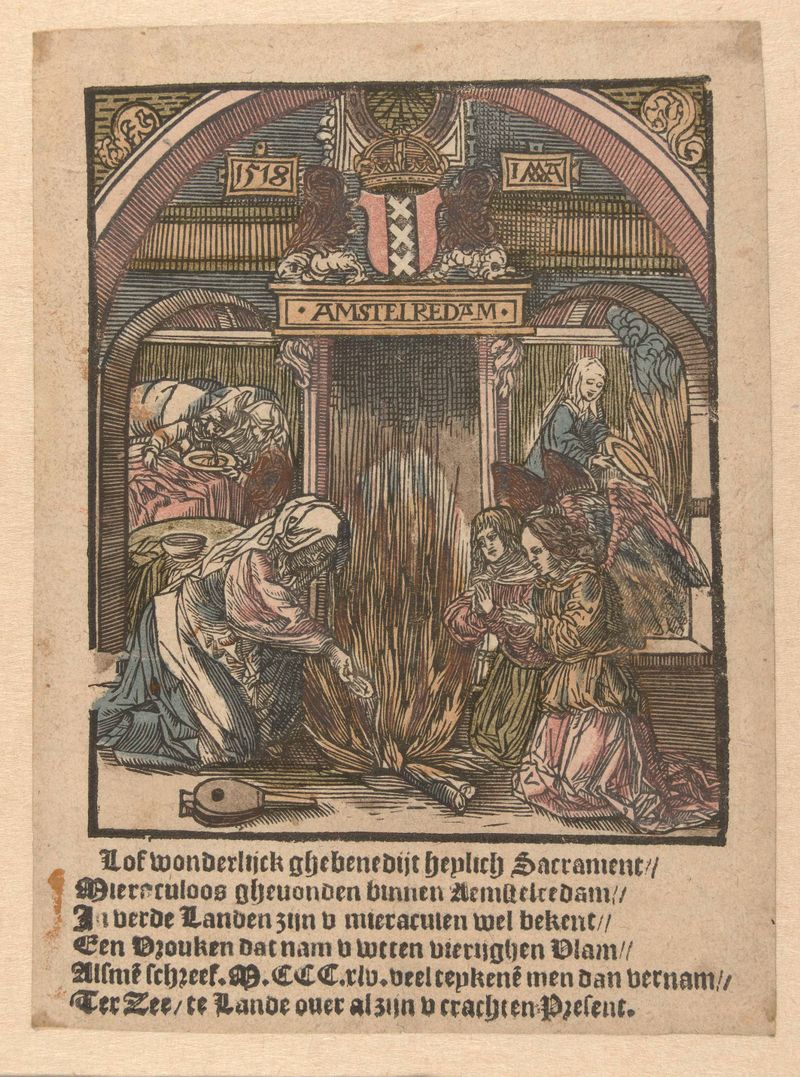
Het hostiewonder van Amsterdam
Jacob Cornelisz van Oostsanen
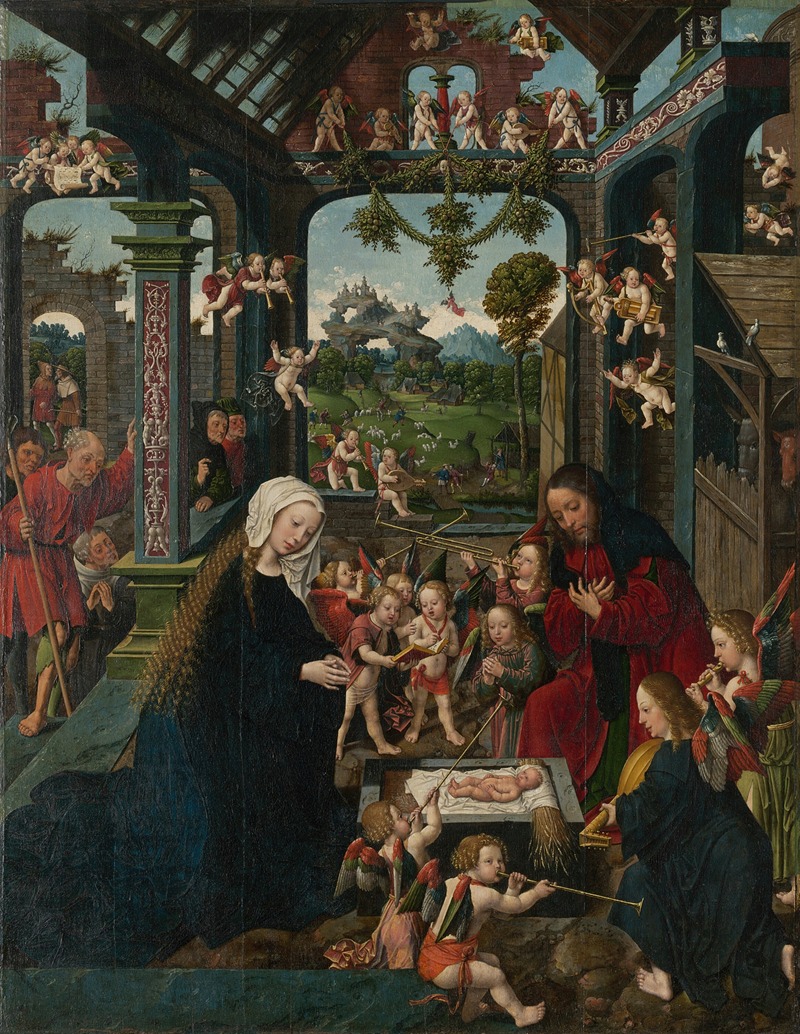
The Adoration of the Christ Child
Jacob Cornelisz van Oostsanen
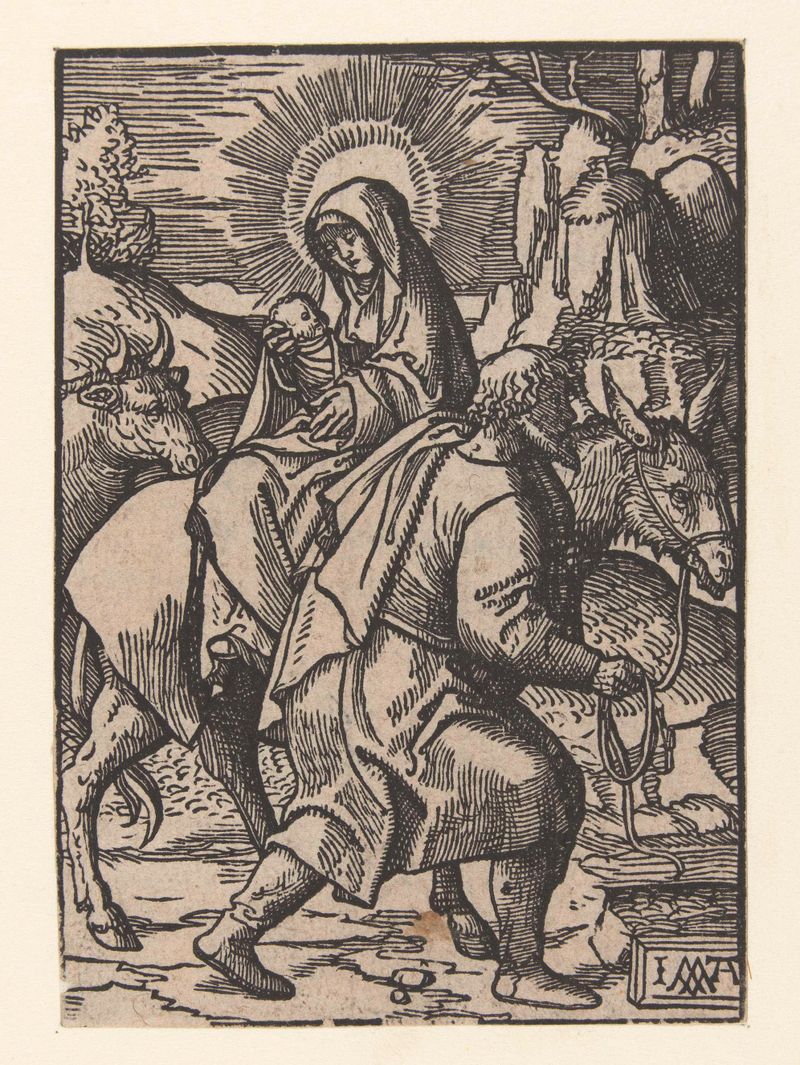
Vlucht naar Egypte
Jacob Cornelisz van Oostsanen
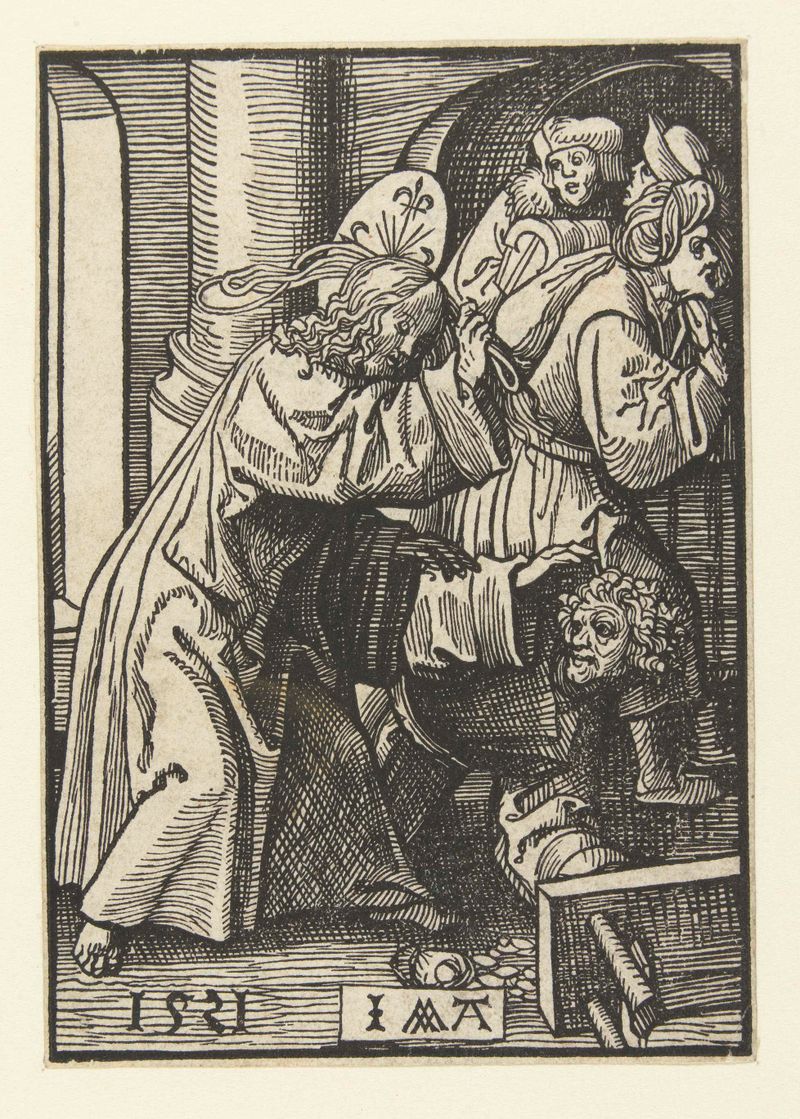
Verdrijving van de handelaren uit de tempel
Jacob Cornelisz van Oostsanen
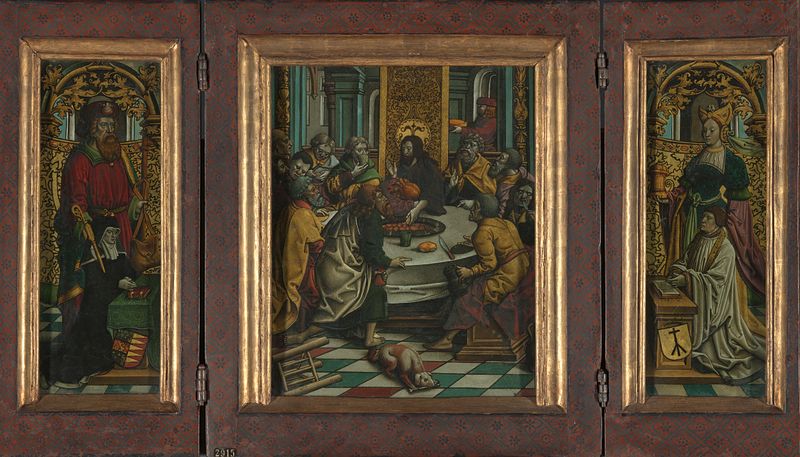
Triptych with the Last Supper and Donors
Jacob Cornelisz van Oostsanen
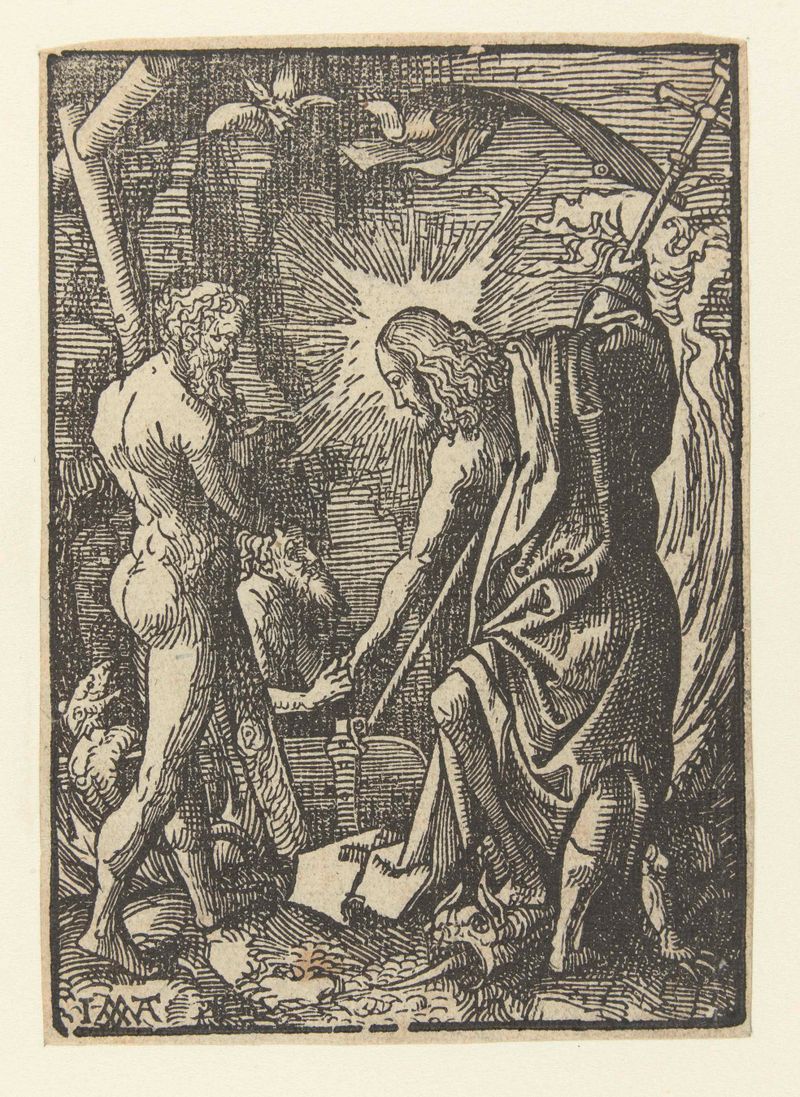
Christus in het voorgeborchte
Jacob Cornelisz van Oostsanen
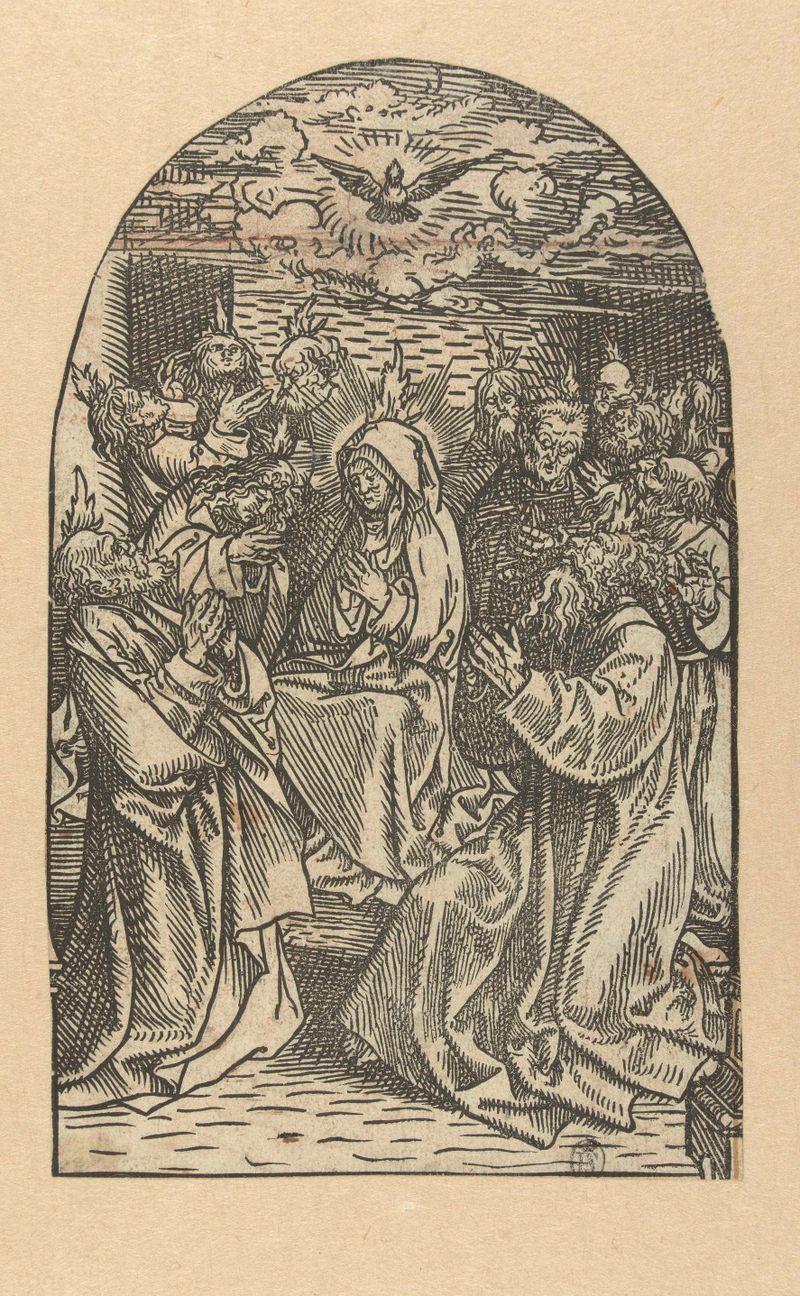
Uitstorting van de Heilige Geest
Jacob Cornelisz van Oostsanen
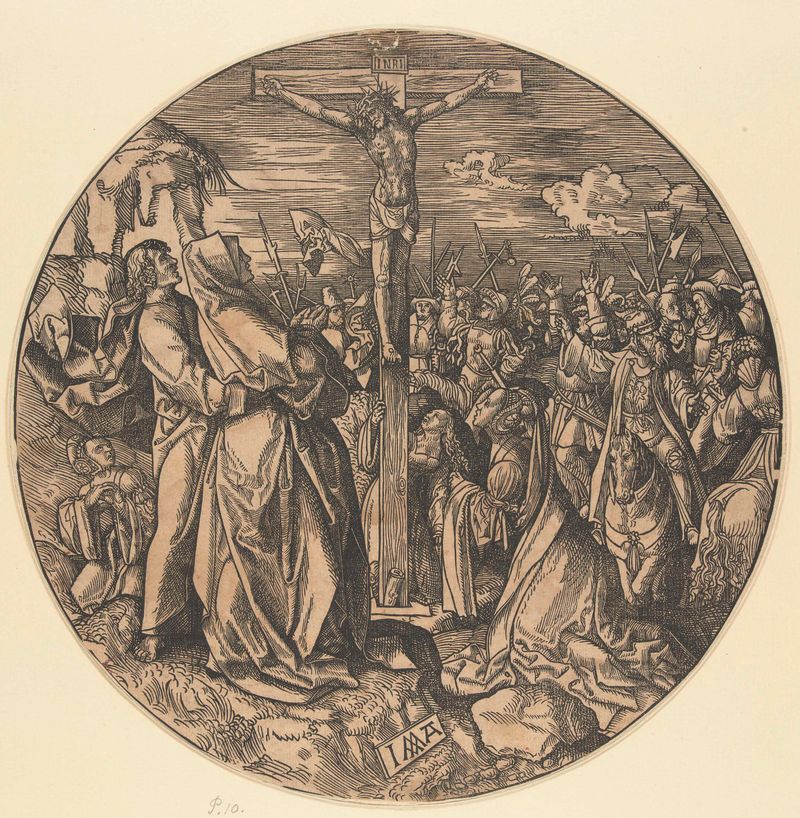
Christus aan het kruis
Jacob Cornelisz van Oostsanen

De kruisiging en de graflegging van Christus
Jacob Cornelisz van Oostsanen
More Religious Art
Browse all →
The Return of the Prodigal Son
Rembrandt van Rijn

The Garden of Earthly Delights
El Bosco

Count Orgaz’ funeral
El Greco

The Hundred Guilder Print: the central piece with Christ preaching, the plate arched
Rembrandt van Rijn

The Descent from the Cross
Rogier van der Weyden

The return of the prodigal son
Rembrandt van Rijn