
De profeet Hosea — History & Facts
Could a single brushstroke hold eternity? In De profeet Hosea, the yearning for understanding resonates through every element, inviting viewers to delve deep into both the heart of the prophet and the essence of humanity itself. Look closely at the figure of Hosea, centrally positioned, his gaze penetrating yet distant. Notice how the soft, muted colors envelop him, echoing the weight of his prophetic burden. The delicate interplay of light and shadow across his robes reveals subtle contours, emphasizing the tension of isolation amidst divine calling.
The background, rendered with a hazy atmosphere, enhances his solitude, drawing your eye back to him as the focal point of emotional turmoil. As you explore the canvas further, consider the juxtaposition between the somber expression of the prophet and the ethereal quality of the environment surrounding him. The intricate details in the folds of his garment suggest a rich tapestry of inner conflict, reflecting his struggle to communicate profound truths. The faint outlines of abstract forms in the background tease the viewer with hints of a greater narrative, inviting contemplation of the themes of love and betrayal that define Hosea's story. Created between 1521 and 1525, this work emerged during a transformative period for Jacob Cornelisz van Oostsanen.
He painted it in Amsterdam, a city that buzzed with artistic innovation and the early stirrings of the Northern Renaissance. Van Oostsanen, influenced by both religious fervor and the evolving artistic styles of his time, sought to capture the complexities of faith and emotion, situating himself firmly among the pivotal figures in Dutch art history.
More Artworks by Jacob Cornelisz van Oostsanen
Browse all →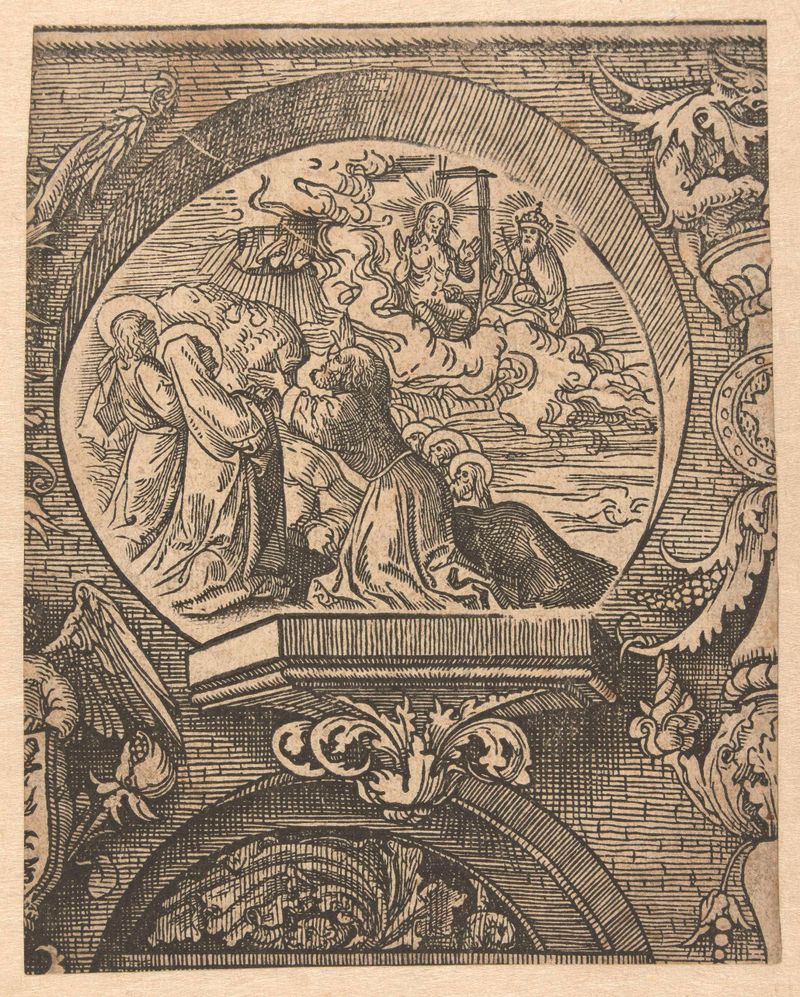
De hemelvaart en Christus voor God de Vader
Jacob Cornelisz van Oostsanen
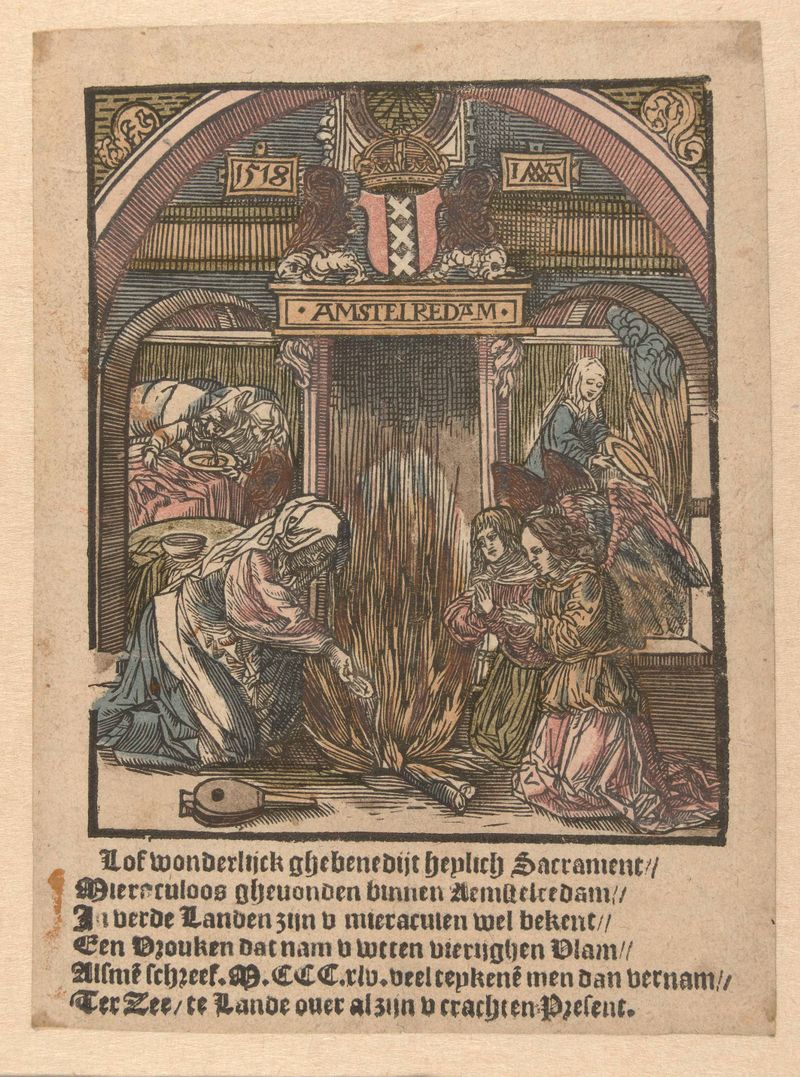
Het hostiewonder van Amsterdam
Jacob Cornelisz van Oostsanen
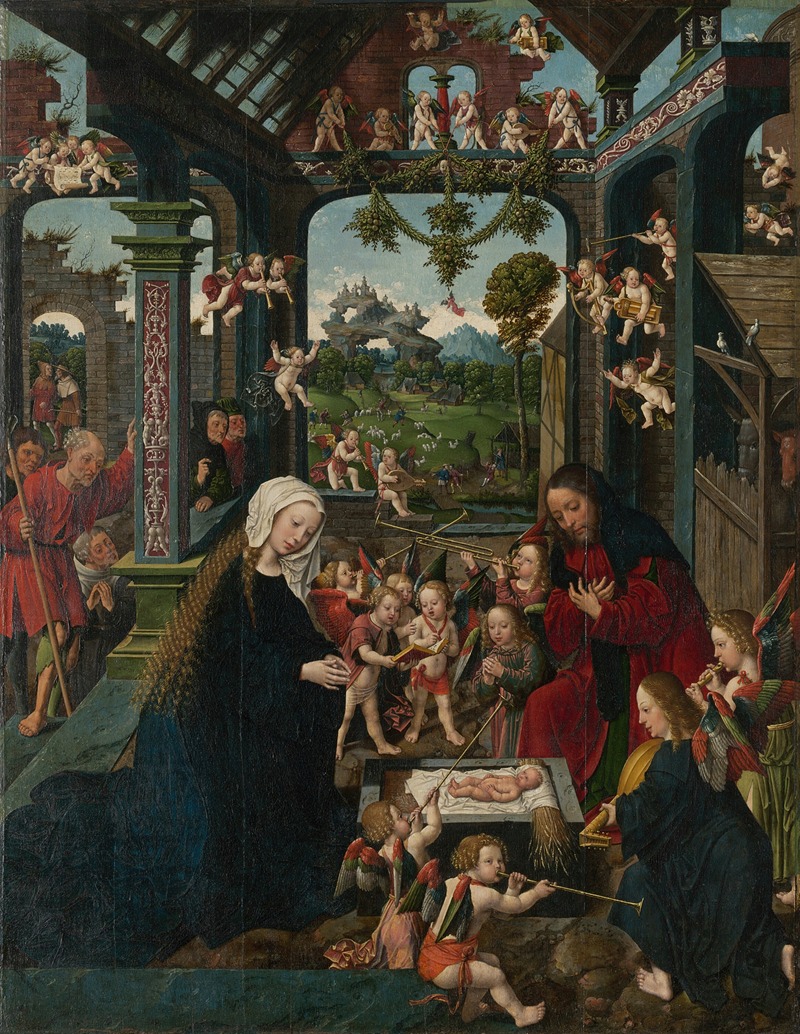
The Adoration of the Christ Child
Jacob Cornelisz van Oostsanen
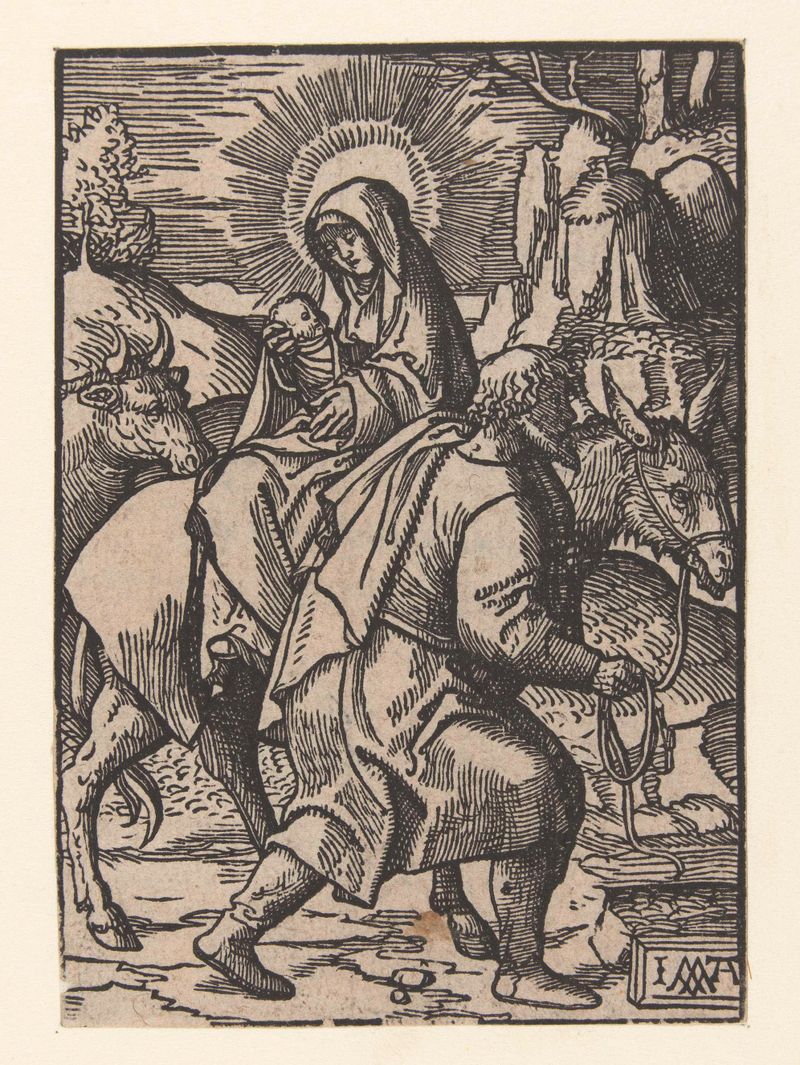
Vlucht naar Egypte
Jacob Cornelisz van Oostsanen
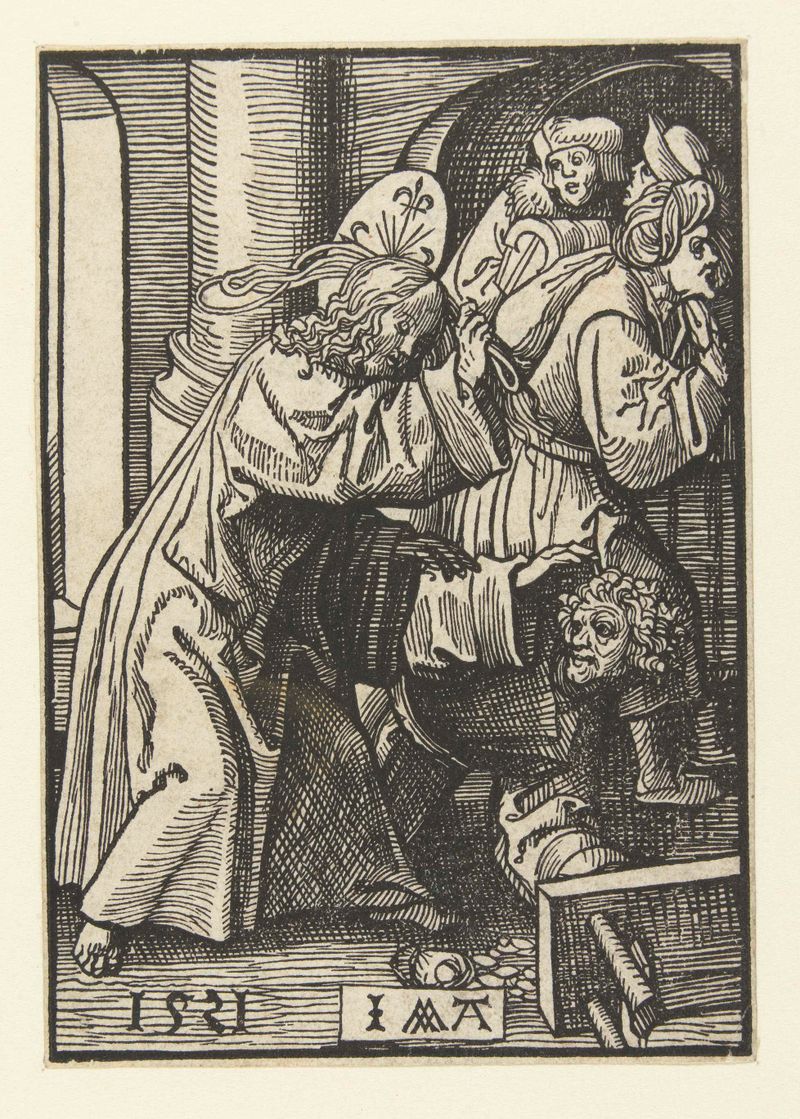
Verdrijving van de handelaren uit de tempel
Jacob Cornelisz van Oostsanen
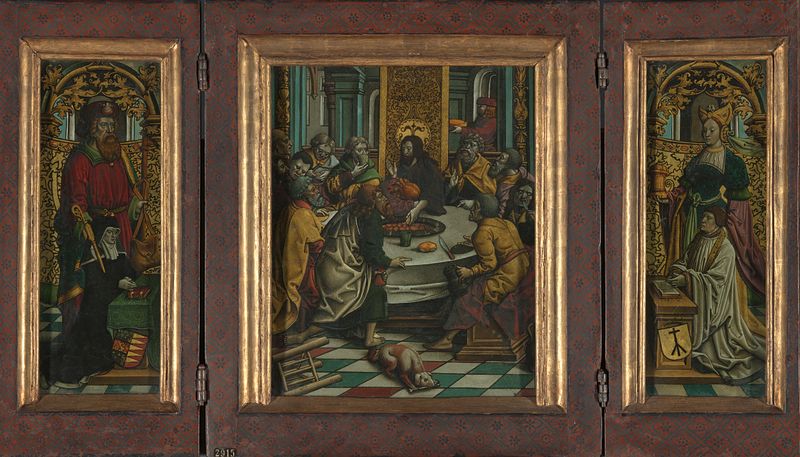
Triptych with the Last Supper and Donors
Jacob Cornelisz van Oostsanen
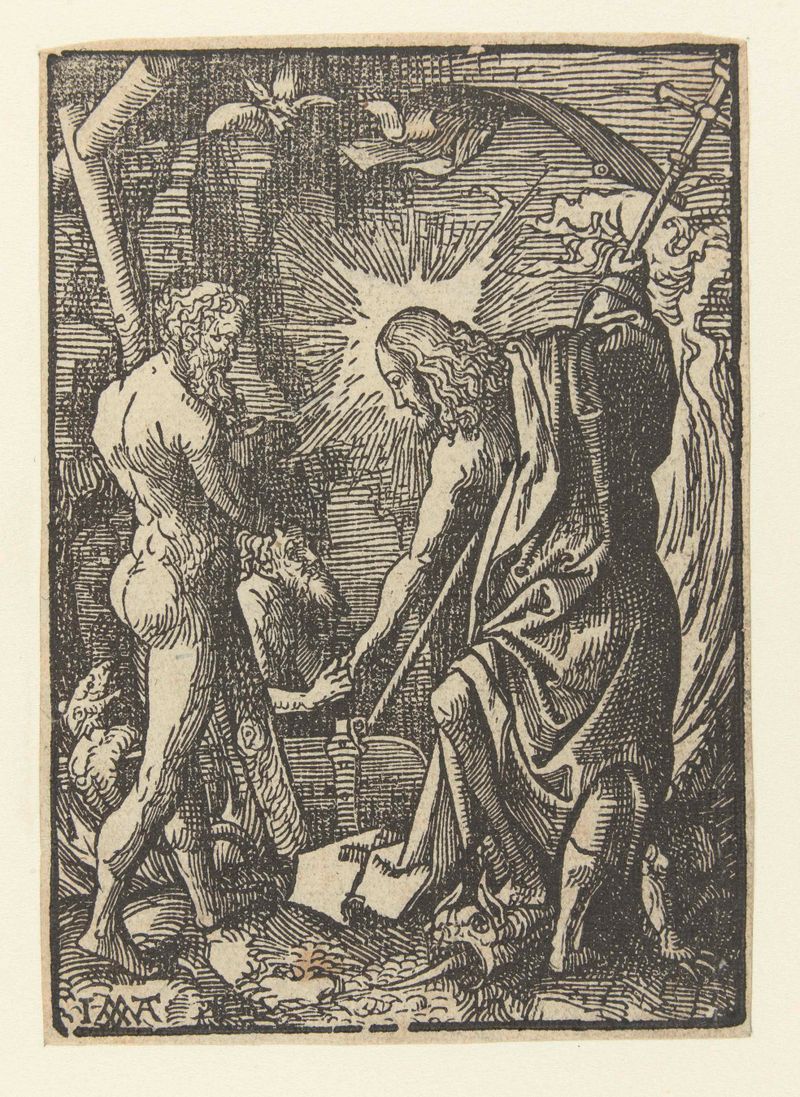
Christus in het voorgeborchte
Jacob Cornelisz van Oostsanen
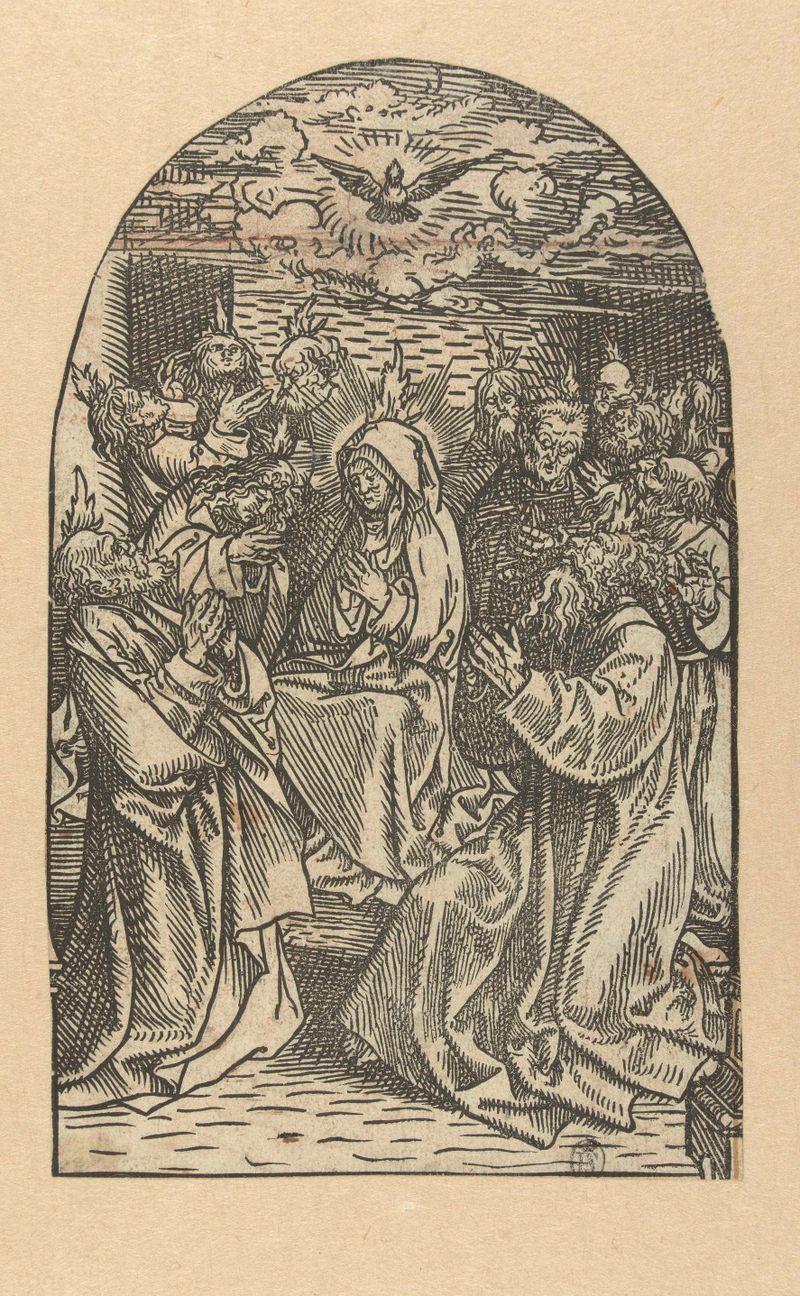
Uitstorting van de Heilige Geest
Jacob Cornelisz van Oostsanen
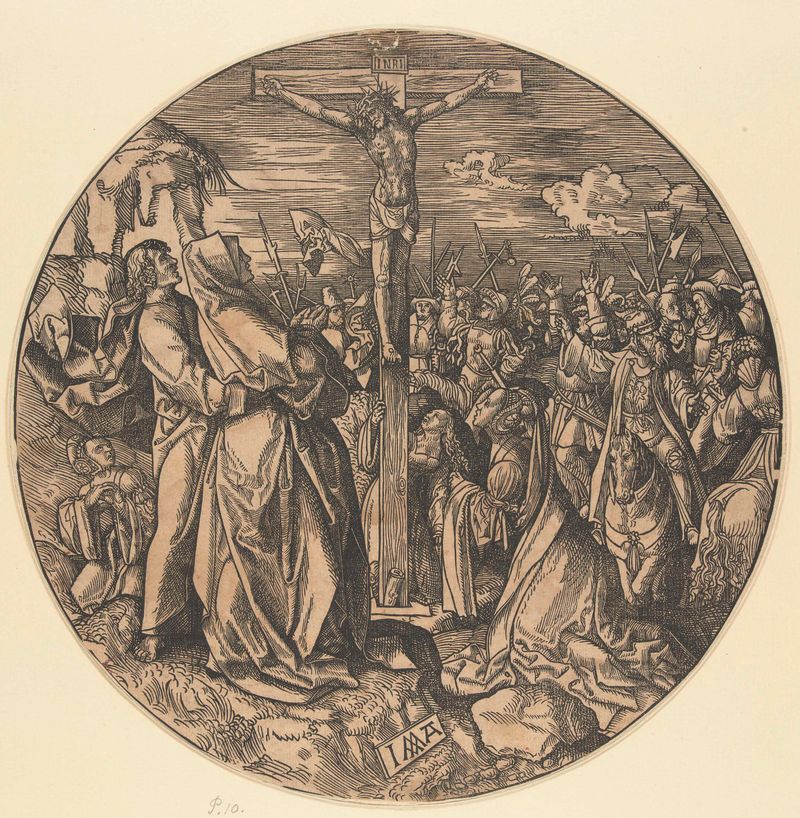
Christus aan het kruis
Jacob Cornelisz van Oostsanen

De kruisiging en de graflegging van Christus
Jacob Cornelisz van Oostsanen
More Religious Art
Browse all →
The Return of the Prodigal Son
Rembrandt van Rijn

The Garden of Earthly Delights
El Bosco

Count Orgaz’ funeral
El Greco

The Hundred Guilder Print: the central piece with Christ preaching, the plate arched
Rembrandt van Rijn

The Descent from the Cross
Rogier van der Weyden

The return of the prodigal son
Rembrandt van Rijn