
De profeet Jeremia — History & Facts
In the deep, contemplative calm of De profeet Jeremia, the viewer is drawn into a moment of profound ecstasy, where the sacred meets the personal. The stillness of the canvas begs us to ponder the burdens of prophecy and the weight of unspoken truths. To experience the painting, start by looking at the figure of Jeremiah, positioned centrally with an air of solemnity. Notice how the gentle light bathes his face, illuminating the furrowed brow and shadowed eyes that reflect a soul in turmoil.
His hands cradle a scroll, hinting at the weight of his message, while the muted earth tones of his robe contrast with the vibrant reds and blues in the background, suggesting a world filled with chaos — a place both outside and within. As you explore further, pay attention to the delicate brushwork that suggests both fragility and strength. The floral motifs surrounding him, while beautiful, evoke an essence of fleeting life and the transience of truth. The juxtaposition of his despair against the blossoming nature illustrates the duality of existence — even in sorrow, there is beauty.
This tension between ecstasy and anguish resonates deeply, reflecting the human condition's complexity. Created between 1521 and 1525, this work emerged during a time when the artist was navigating the evolving landscape of the Northern Renaissance. Van Oostsanen, based in Haarlem, was part of a movement that increasingly embraced biblical themes, merging them with human emotion. As the world grappled with religious upheaval, his portrayal of Jeremiah not only captured the prophetic voice but also resonated with the collective longing for connection amidst uncertainty.
More Artworks by Jacob Cornelisz van Oostsanen
Browse all →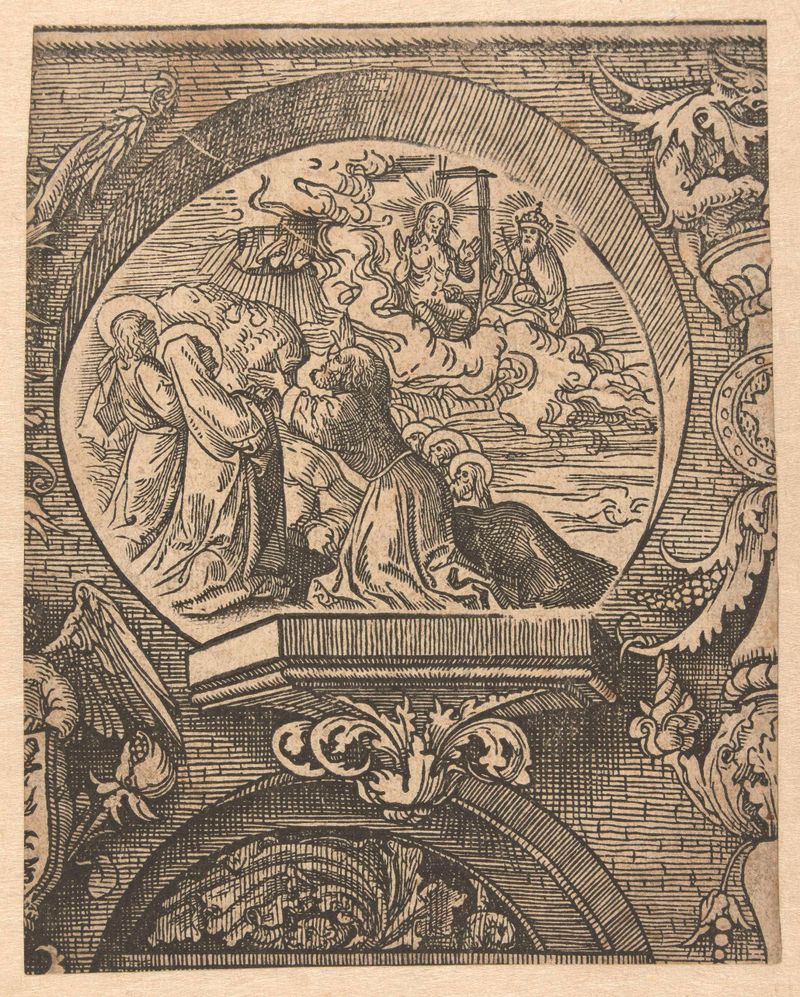
De hemelvaart en Christus voor God de Vader
Jacob Cornelisz van Oostsanen
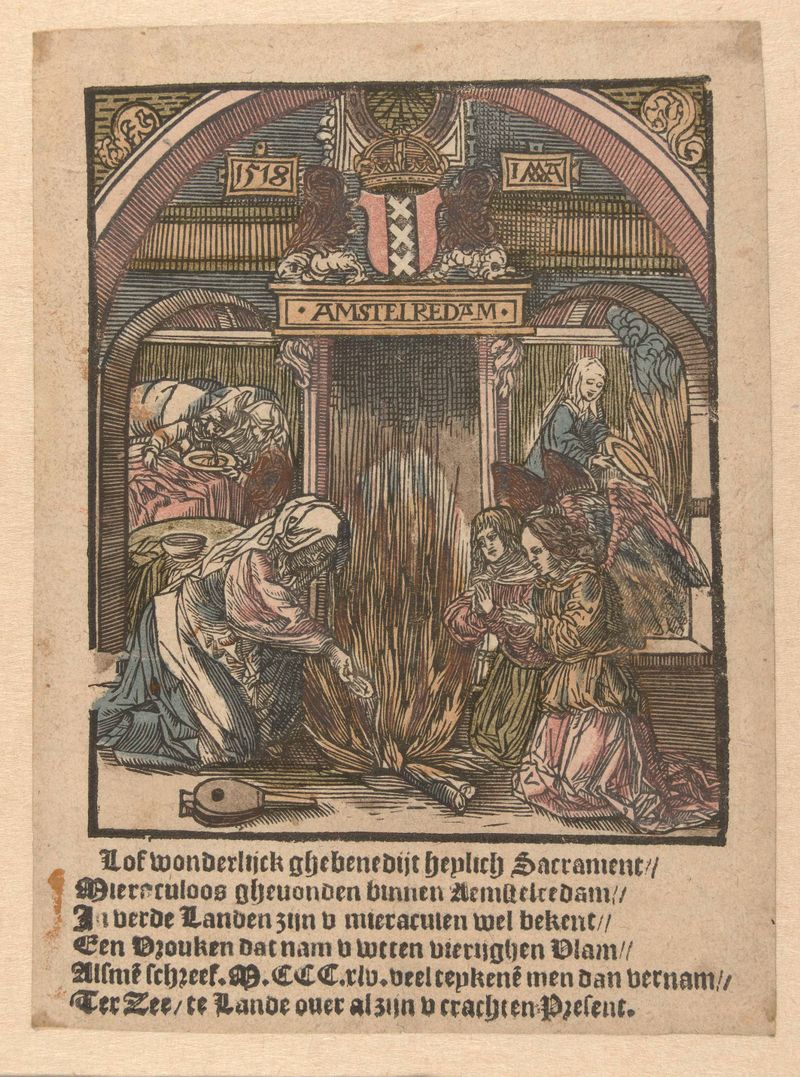
Het hostiewonder van Amsterdam
Jacob Cornelisz van Oostsanen
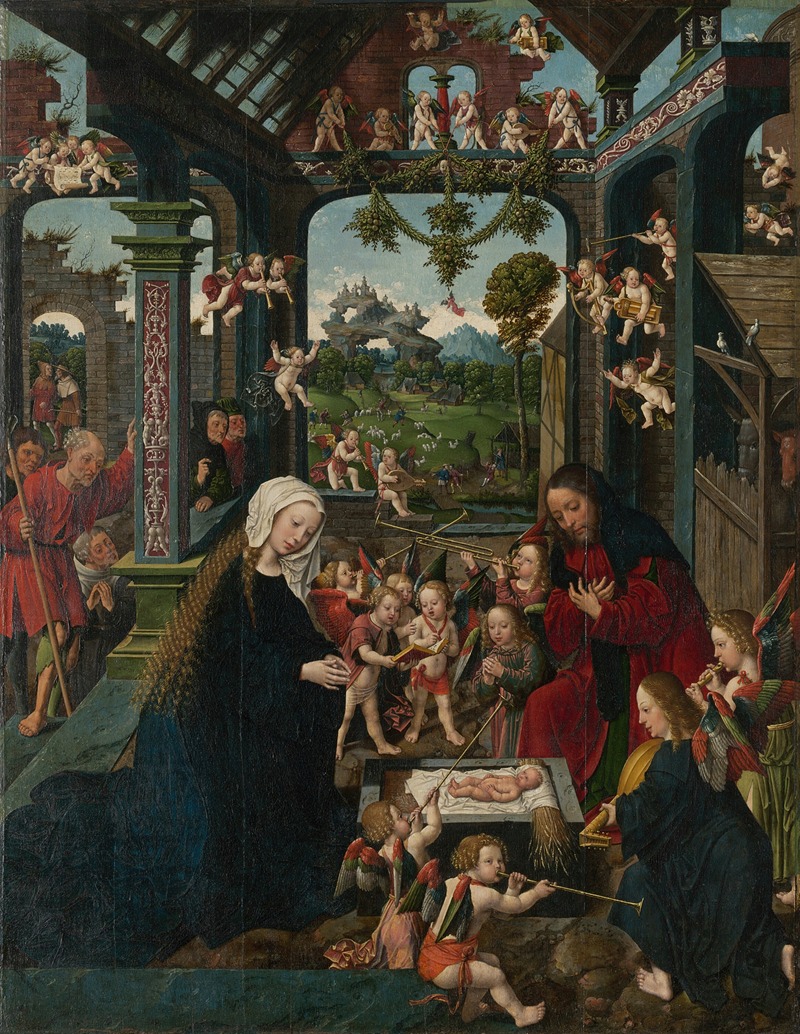
The Adoration of the Christ Child
Jacob Cornelisz van Oostsanen
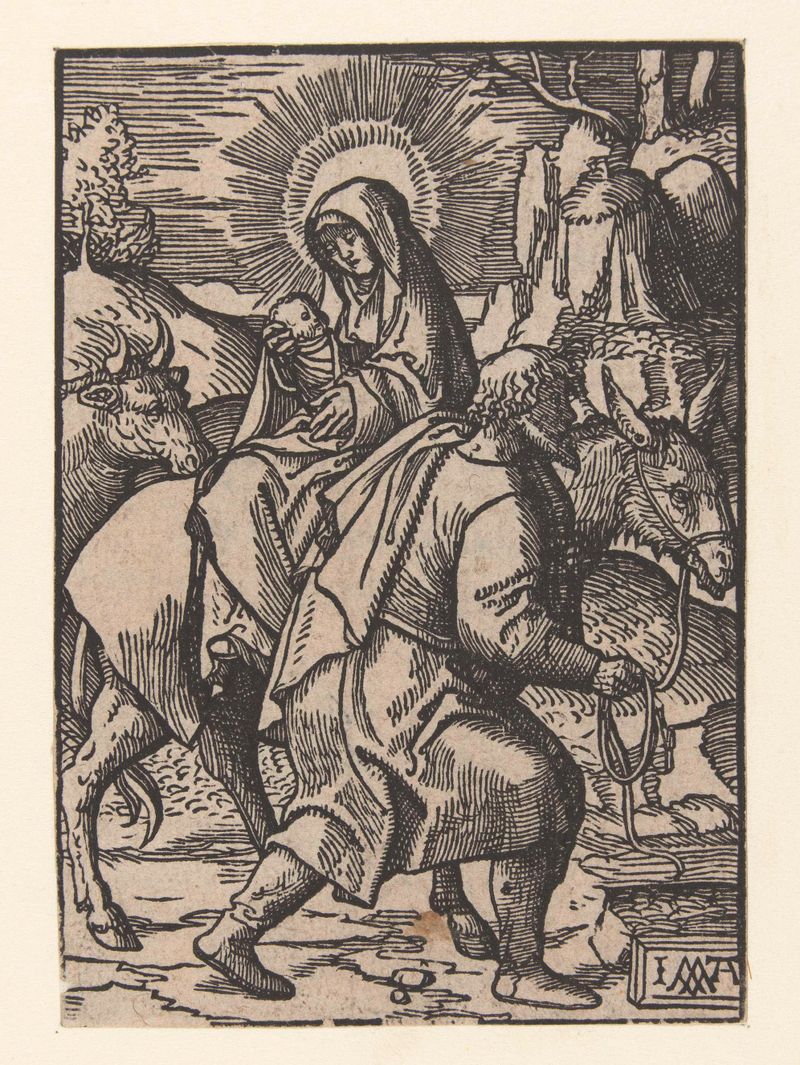
Vlucht naar Egypte
Jacob Cornelisz van Oostsanen
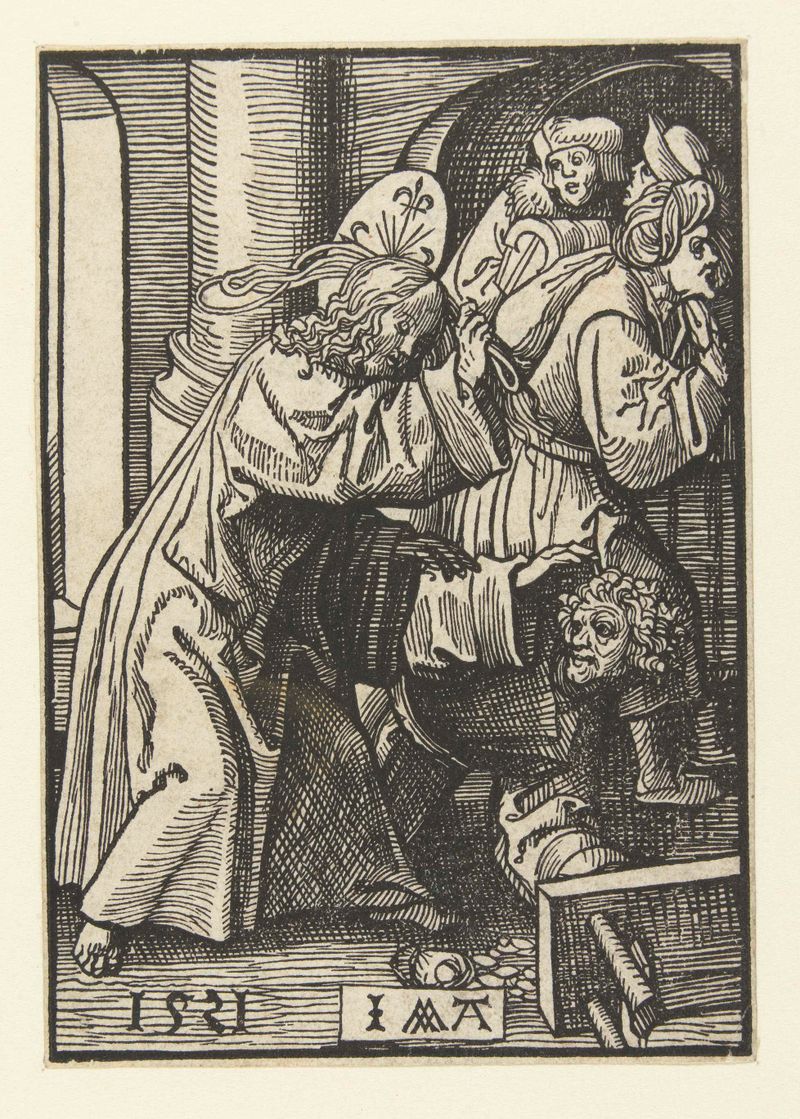
Verdrijving van de handelaren uit de tempel
Jacob Cornelisz van Oostsanen
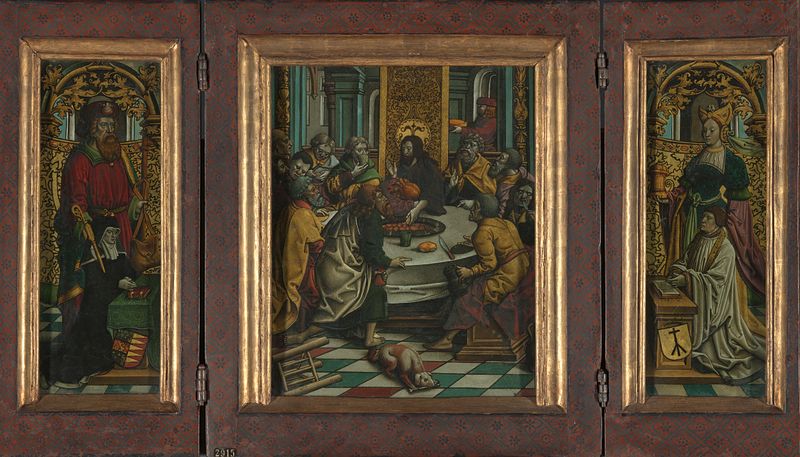
Triptych with the Last Supper and Donors
Jacob Cornelisz van Oostsanen
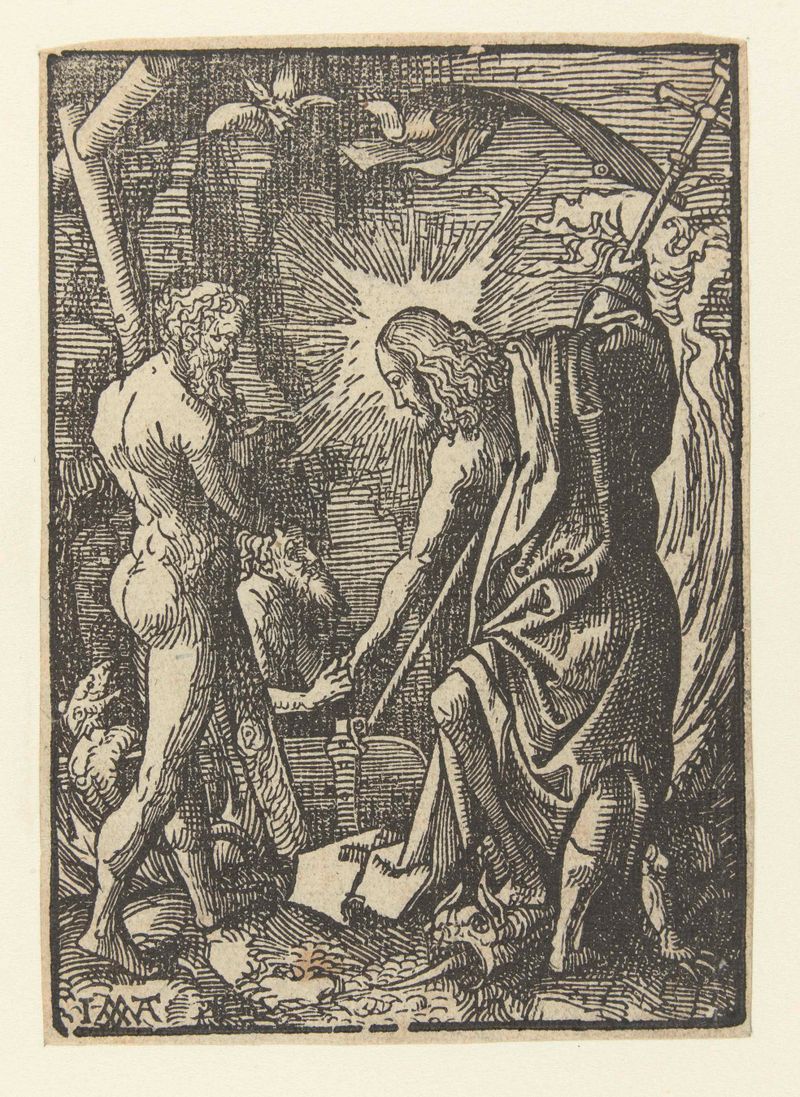
Christus in het voorgeborchte
Jacob Cornelisz van Oostsanen
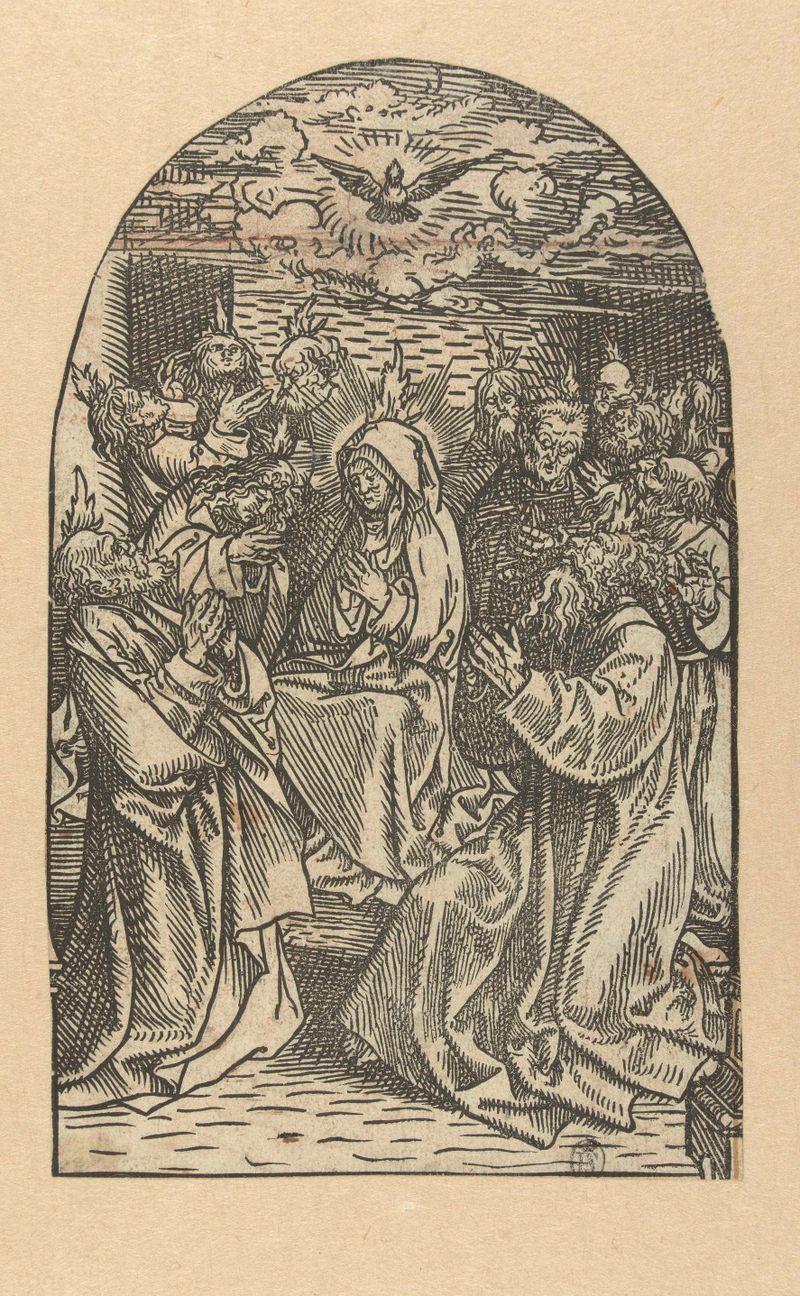
Uitstorting van de Heilige Geest
Jacob Cornelisz van Oostsanen
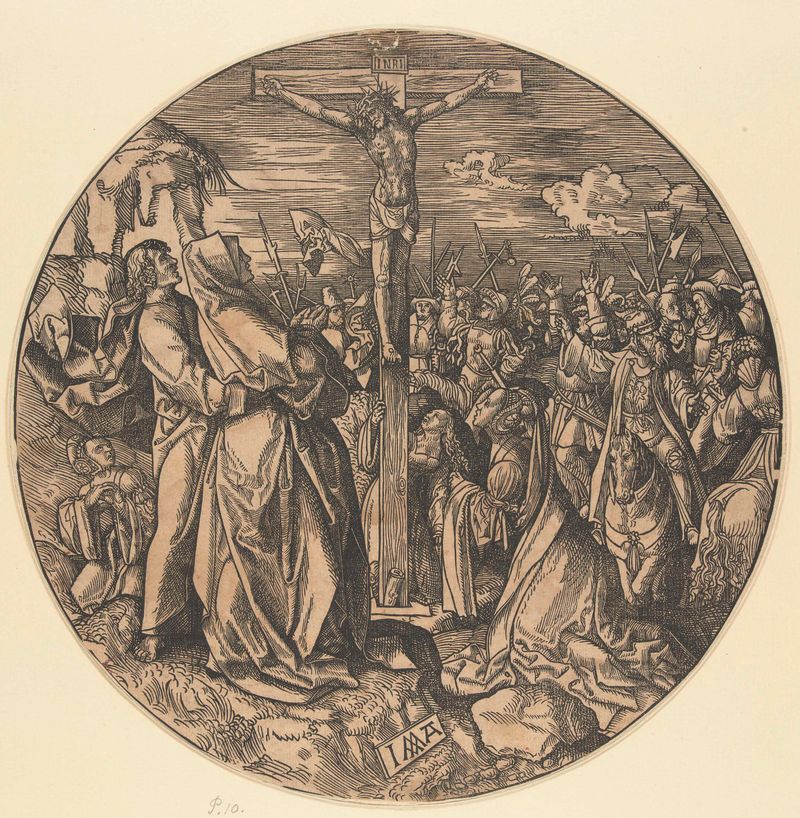
Christus aan het kruis
Jacob Cornelisz van Oostsanen

De kruisiging en de graflegging van Christus
Jacob Cornelisz van Oostsanen
More Religious Art
Browse all →
The Return of the Prodigal Son
Rembrandt van Rijn

The Garden of Earthly Delights
El Bosco

Count Orgaz’ funeral
El Greco

The Hundred Guilder Print: the central piece with Christ preaching, the plate arched
Rembrandt van Rijn

The Descent from the Cross
Rogier van der Weyden

The return of the prodigal son
Rembrandt van Rijn