
De profeet Jesaja — History & Facts
Can beauty exist without sorrow? In the luminous canvas of the early 16th century, the question lingers like a whispered prayer, inviting contemplation and reflection. Look to the left at the solemn figure of the prophet, draped in rich robes that echo the vibrant hues of deep blues and vibrant reds. Notice how the light falls upon his weathered face, illuminating the furrows of wisdom and sorrow etched into his skin. The intricate details of fabric and gold leaf shimmer against a muted background, drawing your eye towards the juxtaposition of earthly existence and divine message, encapsulating both grandeur and humility. As you delve deeper, pay attention to the scroll clutched in his hand, a symbol of prophecy and knowledge, unrolling the weight of fate upon humanity.
The contrast between the vivid colors of his attire and the dark, shadowed backdrop speaks to the tension between hope and despair, suggesting that enlightenment often comes at a cost. The prophet's gaze, both distant and introspective, hints at an awareness of suffering that is inseparable from the beauty of divine insight, invoking a sense of transcendence amid turmoil. Between 1521 and 1525, the artist created this work in the Netherlands, a period marked by religious upheaval and a burgeoning interest in humanism. During this time, van Oostsanen was part of an artistic community where the merging of spirituality and realism flourished.
Influenced by the Northern Renaissance, he sought to convey profound messages of faith through intricate detail and emotive expressions, positioning this piece as an emblem of the era’s complex relationship with beauty and sorrow.
More Artworks by Jacob Cornelisz van Oostsanen
Browse all →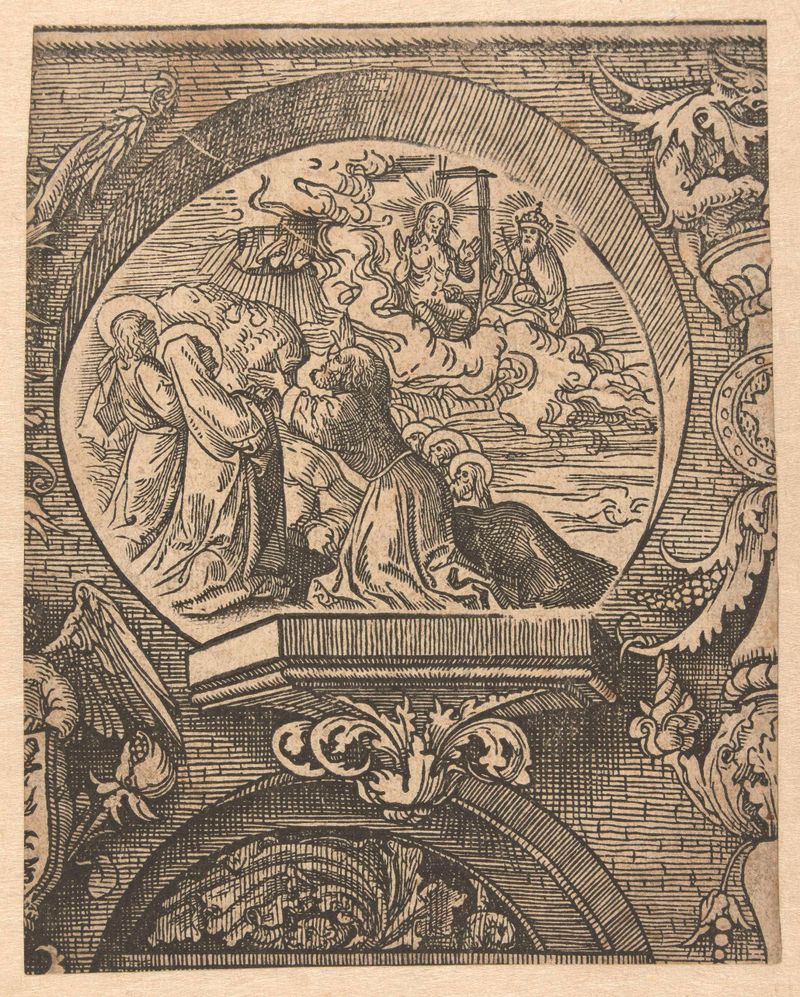
De hemelvaart en Christus voor God de Vader
Jacob Cornelisz van Oostsanen
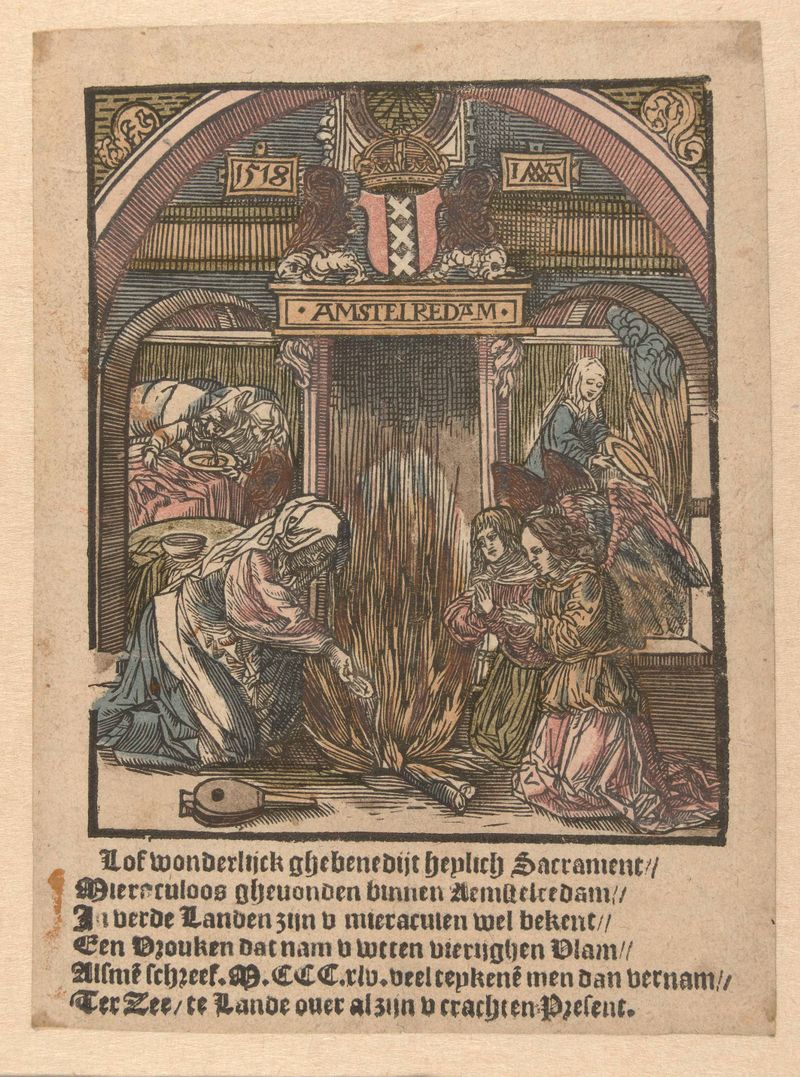
Het hostiewonder van Amsterdam
Jacob Cornelisz van Oostsanen
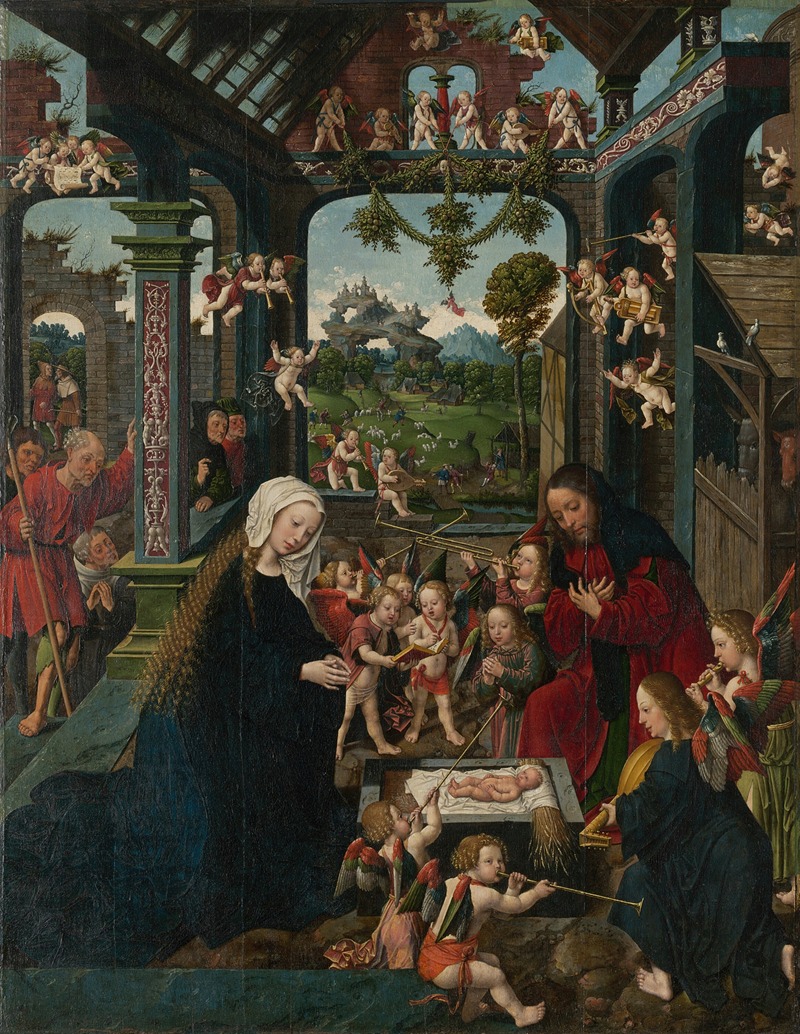
The Adoration of the Christ Child
Jacob Cornelisz van Oostsanen
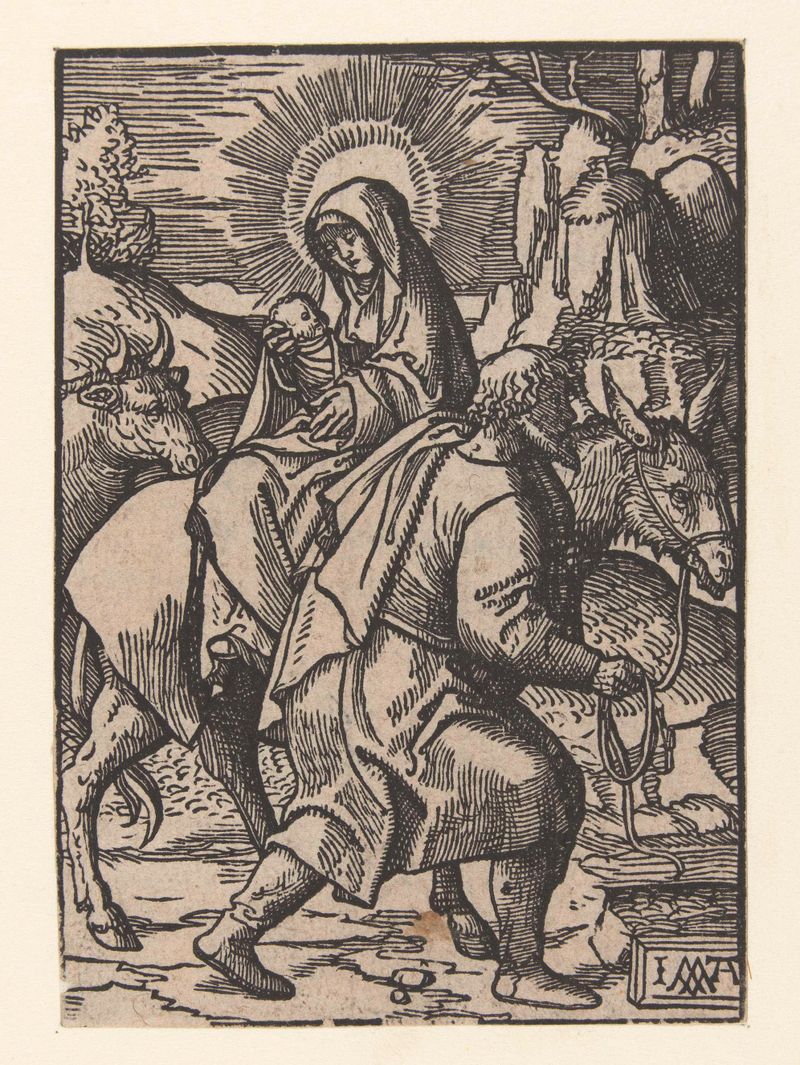
Vlucht naar Egypte
Jacob Cornelisz van Oostsanen
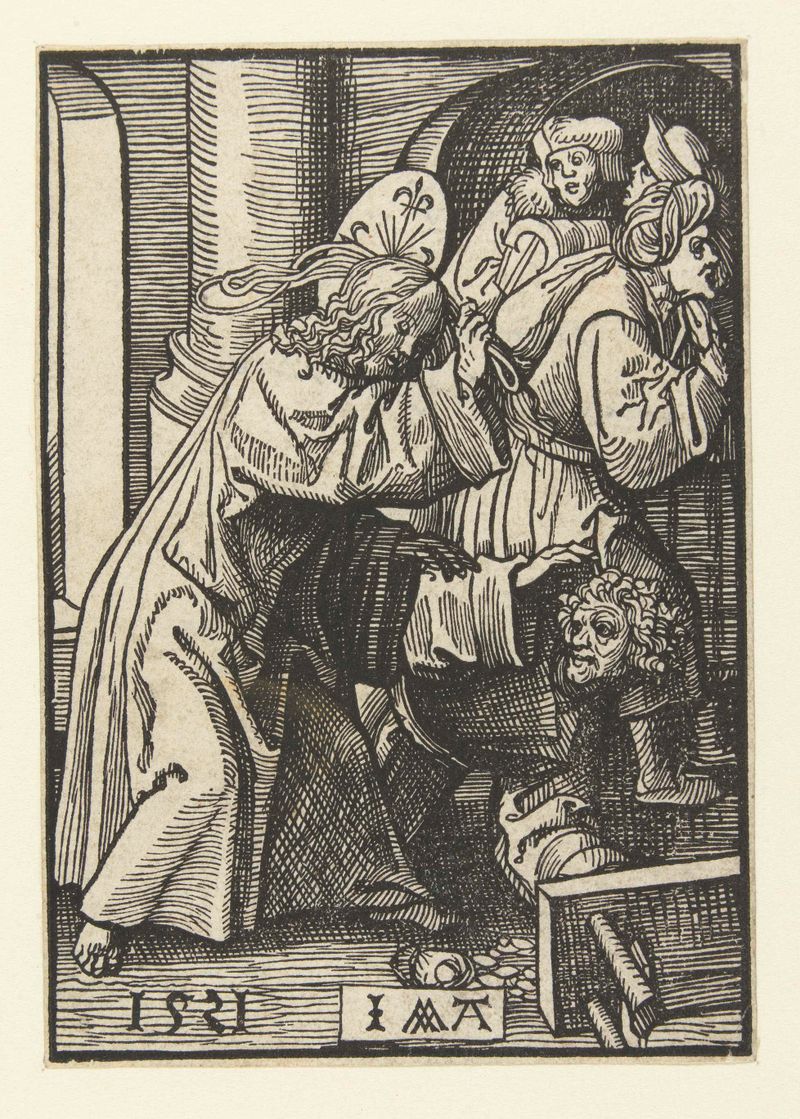
Verdrijving van de handelaren uit de tempel
Jacob Cornelisz van Oostsanen
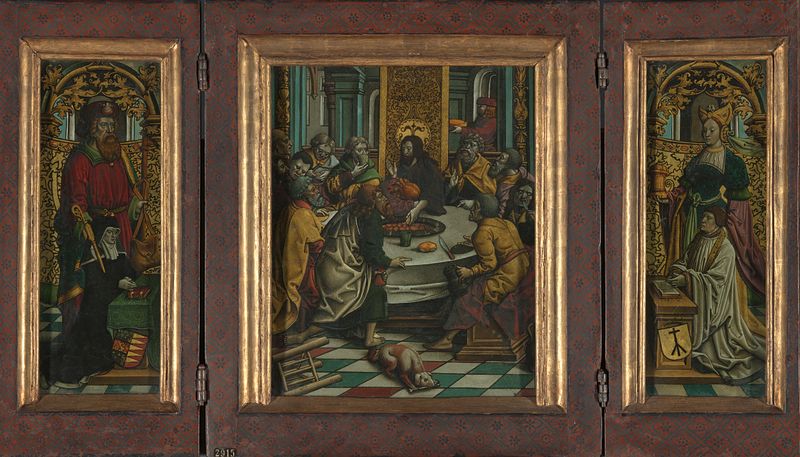
Triptych with the Last Supper and Donors
Jacob Cornelisz van Oostsanen
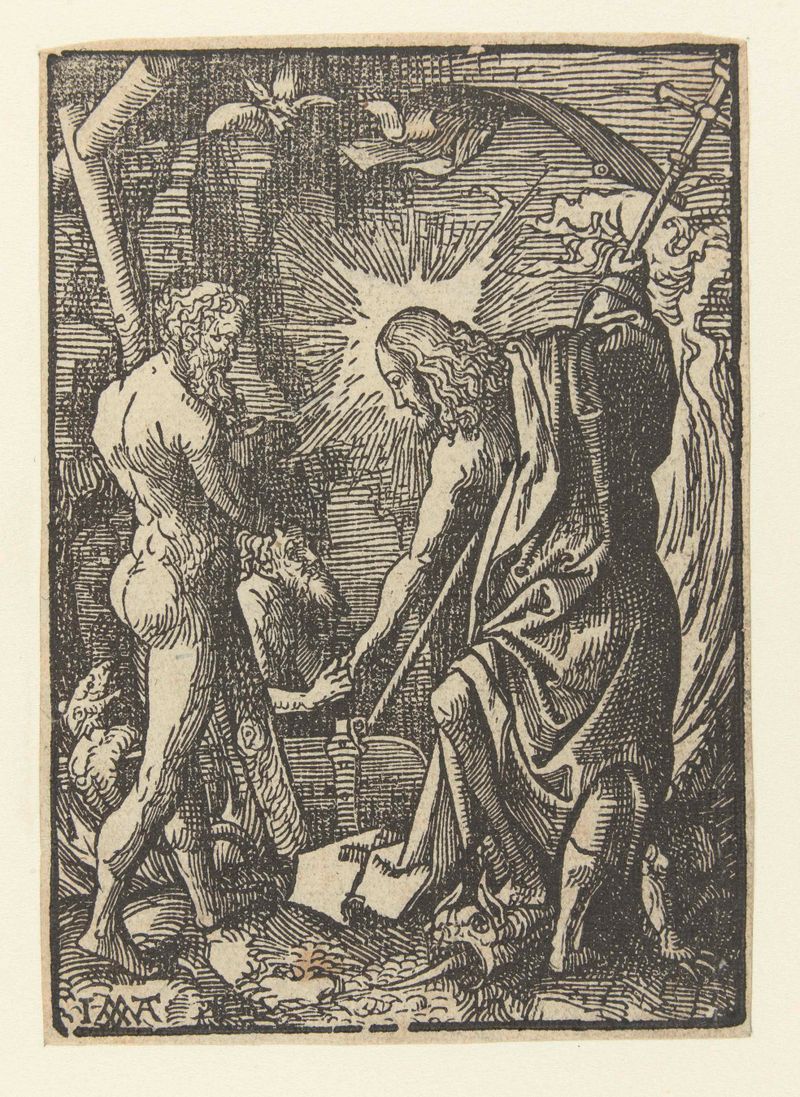
Christus in het voorgeborchte
Jacob Cornelisz van Oostsanen
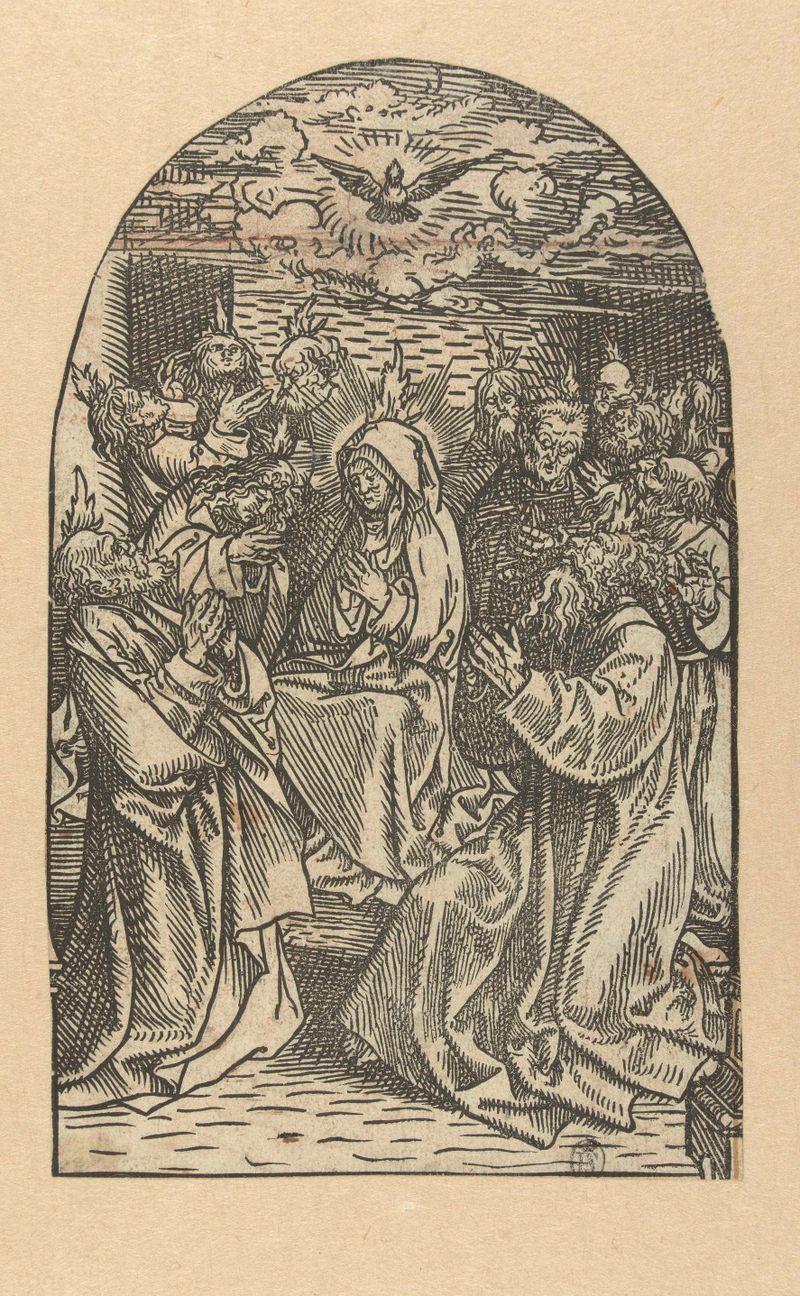
Uitstorting van de Heilige Geest
Jacob Cornelisz van Oostsanen
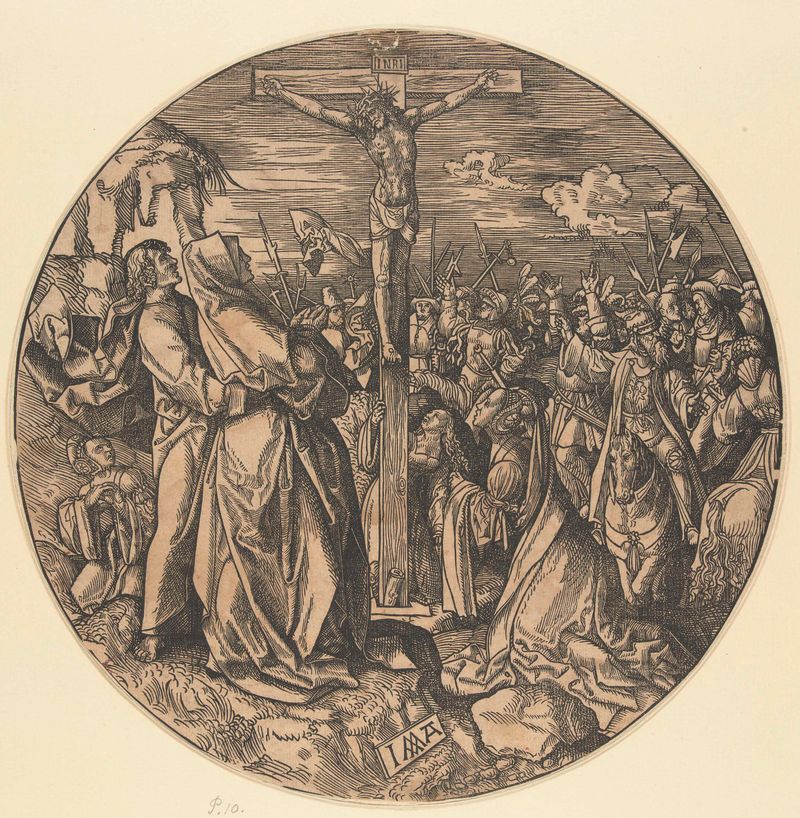
Christus aan het kruis
Jacob Cornelisz van Oostsanen

De kruisiging en de graflegging van Christus
Jacob Cornelisz van Oostsanen
More Religious Art
Browse all →
The Return of the Prodigal Son
Rembrandt van Rijn

The Garden of Earthly Delights
El Bosco

Count Orgaz’ funeral
El Greco

The Hundred Guilder Print: the central piece with Christ preaching, the plate arched
Rembrandt van Rijn

The Descent from the Cross
Rogier van der Weyden

The return of the prodigal son
Rembrandt van Rijn