
De profeet Joël — History & Facts
What secret hides in the quiet of the canvas? Perhaps it is the echo of dreams that linger just beyond the edge of perception, waiting to be unveiled. Focus on the foreground, where the prophet stands, draped in a rich mantle of deep greens and blues that evoke both nature and the weight of wisdom. Notice how the subtle interplay of light accentuates the contours of his face, capturing an expression caught between contemplation and revelation. The intricate details of the background, with its soft golden hues, draw the eye upward to the ethereal skies, suggesting a divine dialogue beyond the earthly realm. As you explore the painting further, consider the contrast between the solitary figure and the enveloping landscape.
The prophet's stillness speaks volumes against the gentle movement of clouds, hinting at a world in flux, filled with unfulfilled prophecies and dreams. There’s a delicate tension here, a juxtaposition of solitude and cosmic connection, as if he listens intently to the whispers of the universe. Between 1521 and 1525, the artist created this remarkable piece during a time of burgeoning spiritual exploration in the Netherlands. Working in Amsterdam, he was influenced by the early Renaissance and the increasing interest in humanism, which inspired a more personal interpretation of biblical figures.
This period saw artists striving to bridge the sacred and the secular, a pursuit that resonates deeply in the serene yet potent presence of Joël.
More Artworks by Jacob Cornelisz van Oostsanen
Browse all →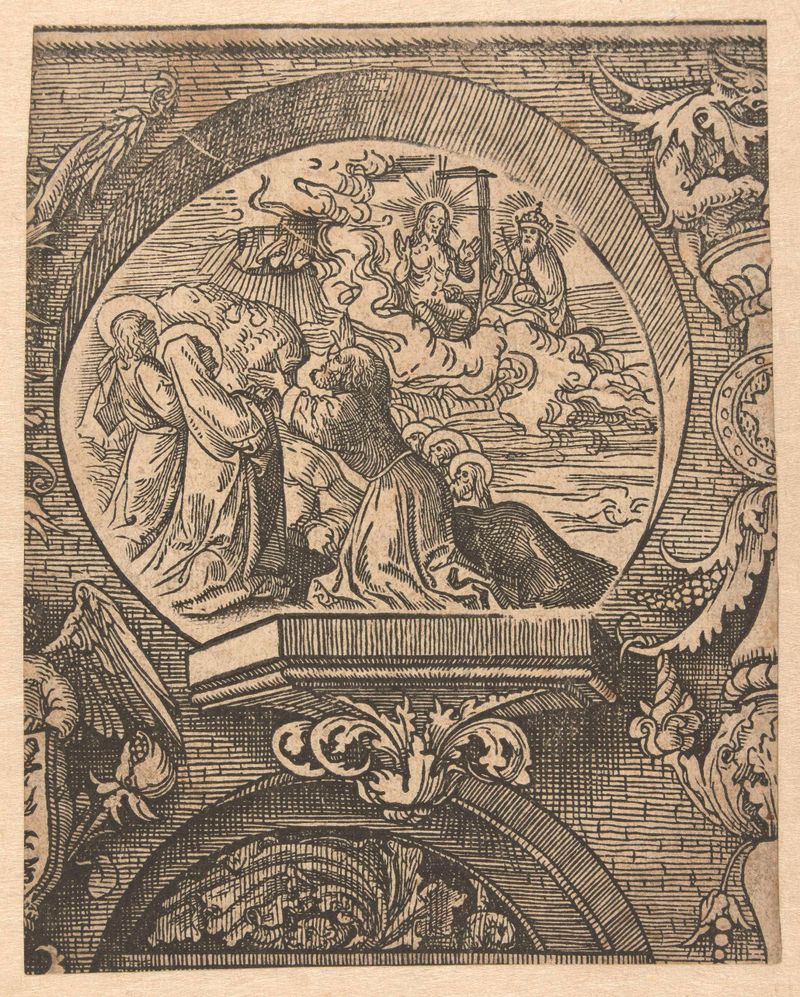
De hemelvaart en Christus voor God de Vader
Jacob Cornelisz van Oostsanen
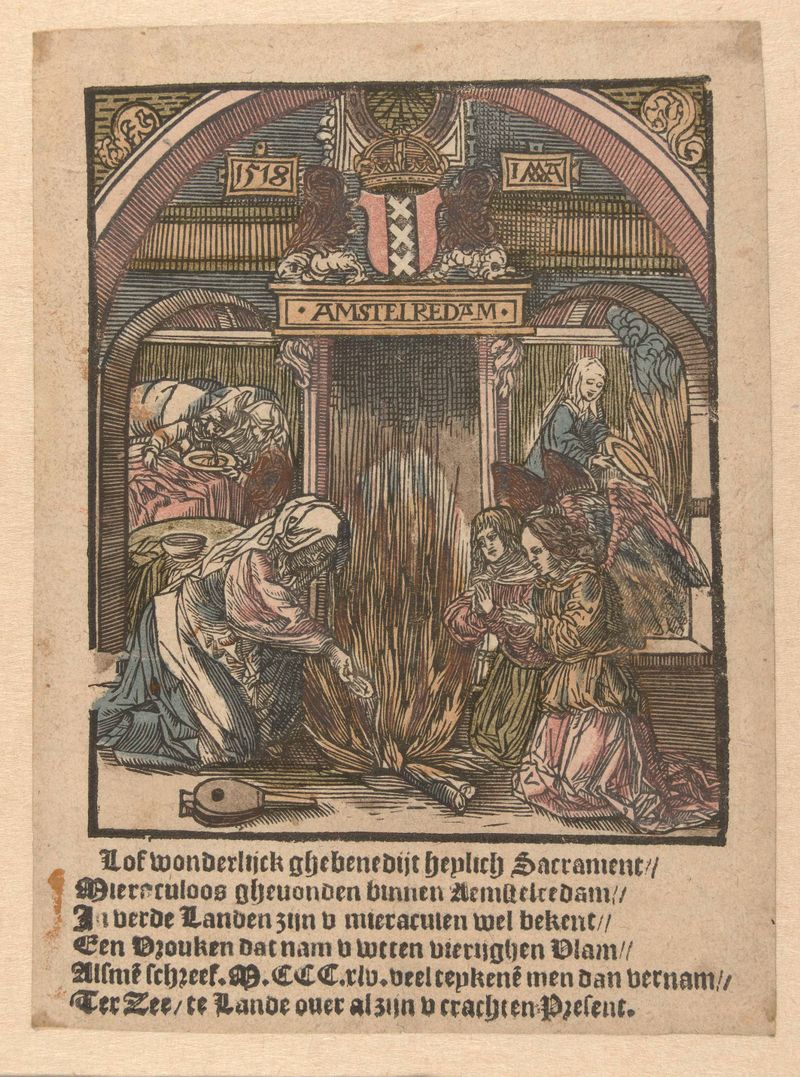
Het hostiewonder van Amsterdam
Jacob Cornelisz van Oostsanen
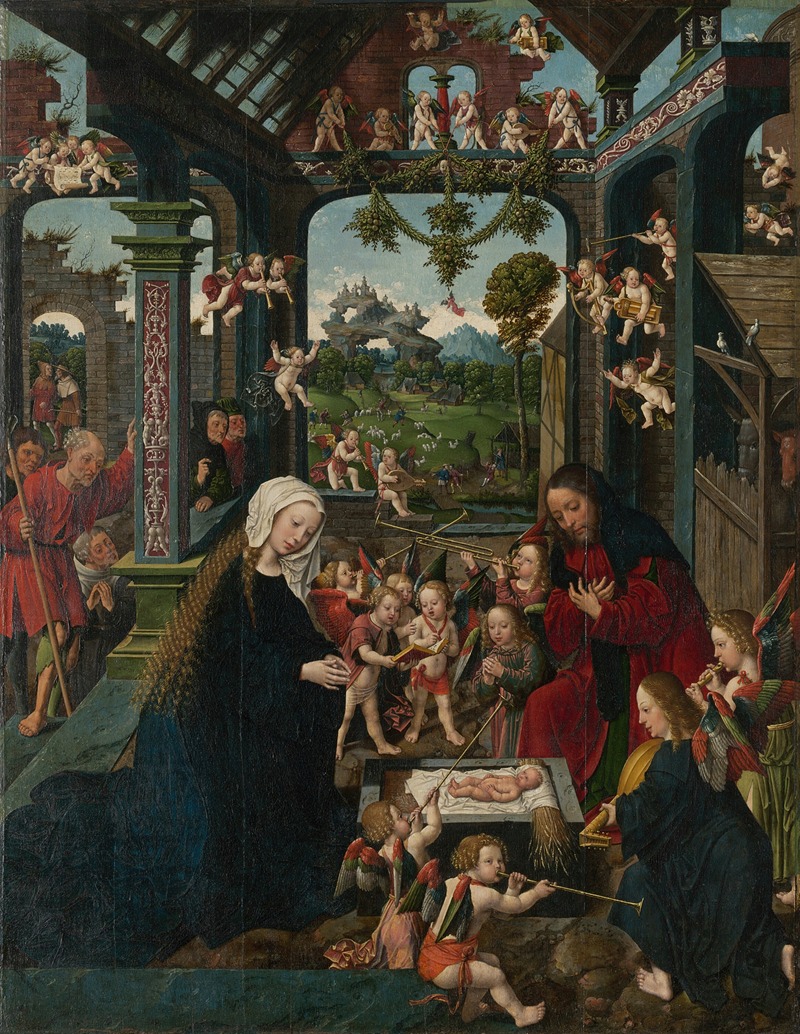
The Adoration of the Christ Child
Jacob Cornelisz van Oostsanen
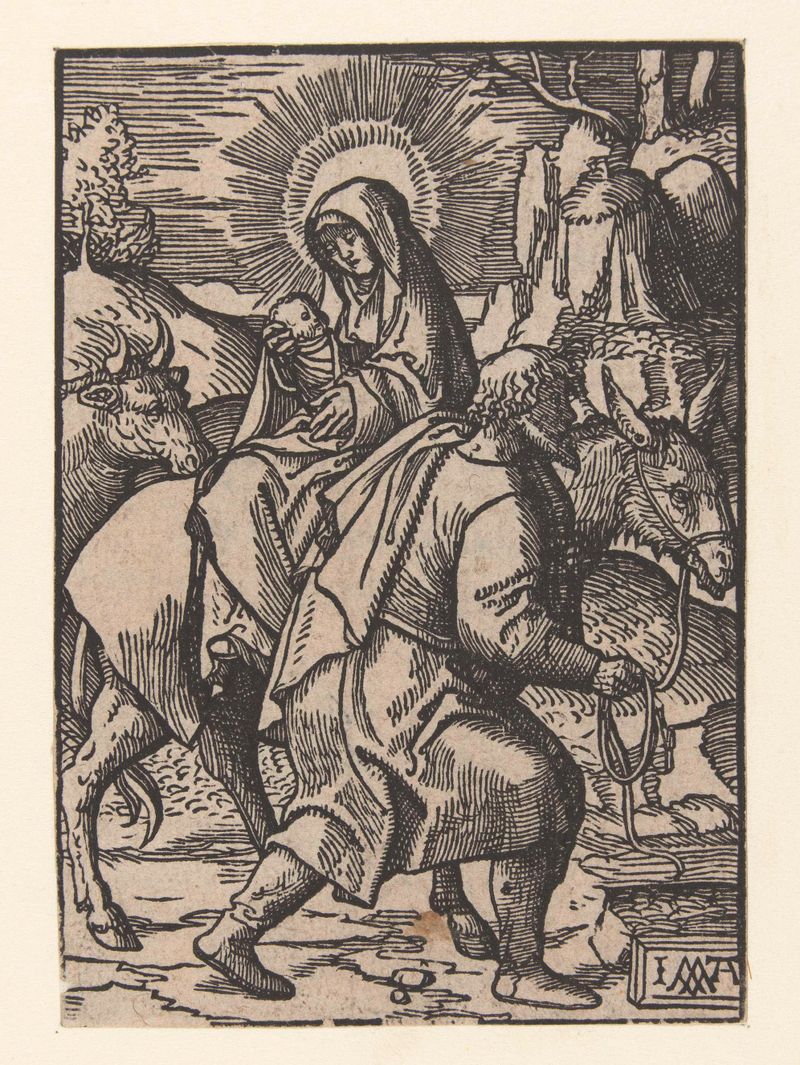
Vlucht naar Egypte
Jacob Cornelisz van Oostsanen
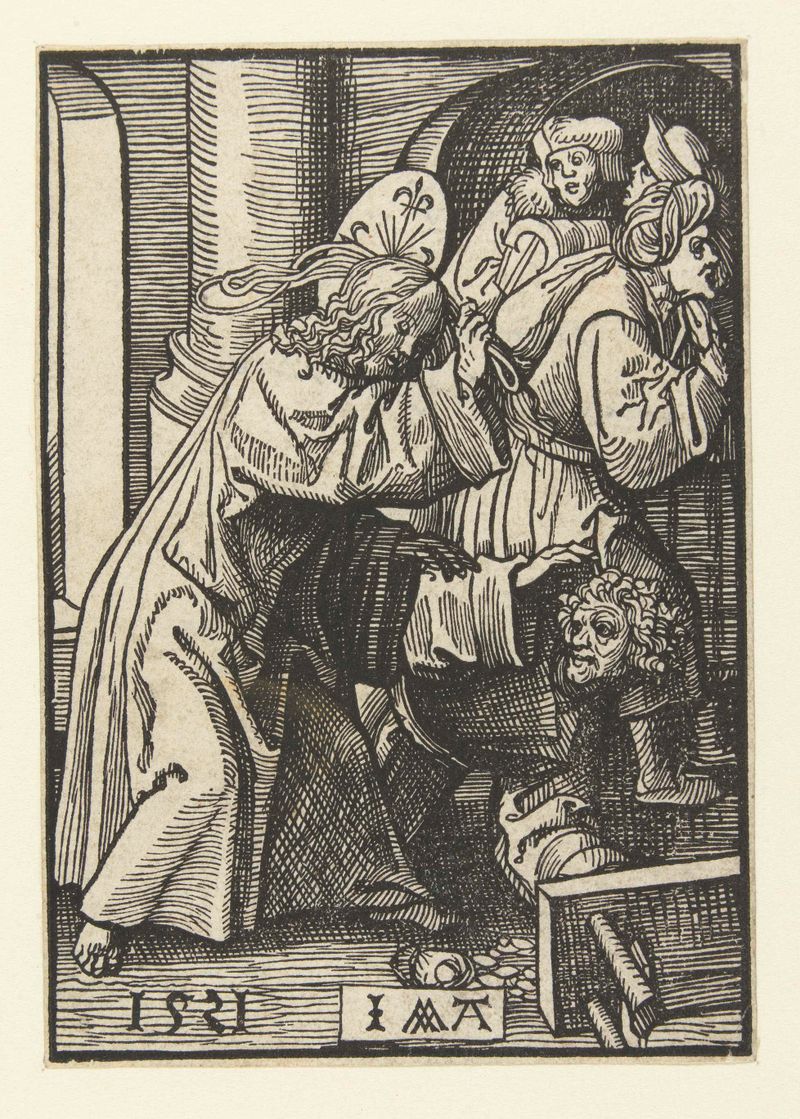
Verdrijving van de handelaren uit de tempel
Jacob Cornelisz van Oostsanen
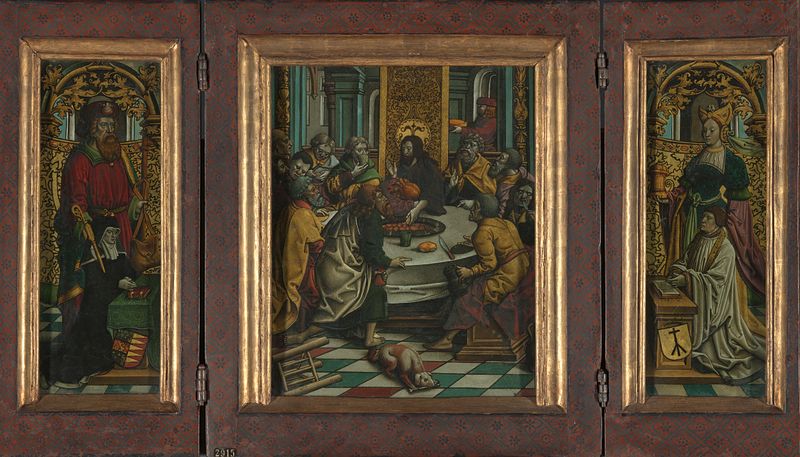
Triptych with the Last Supper and Donors
Jacob Cornelisz van Oostsanen
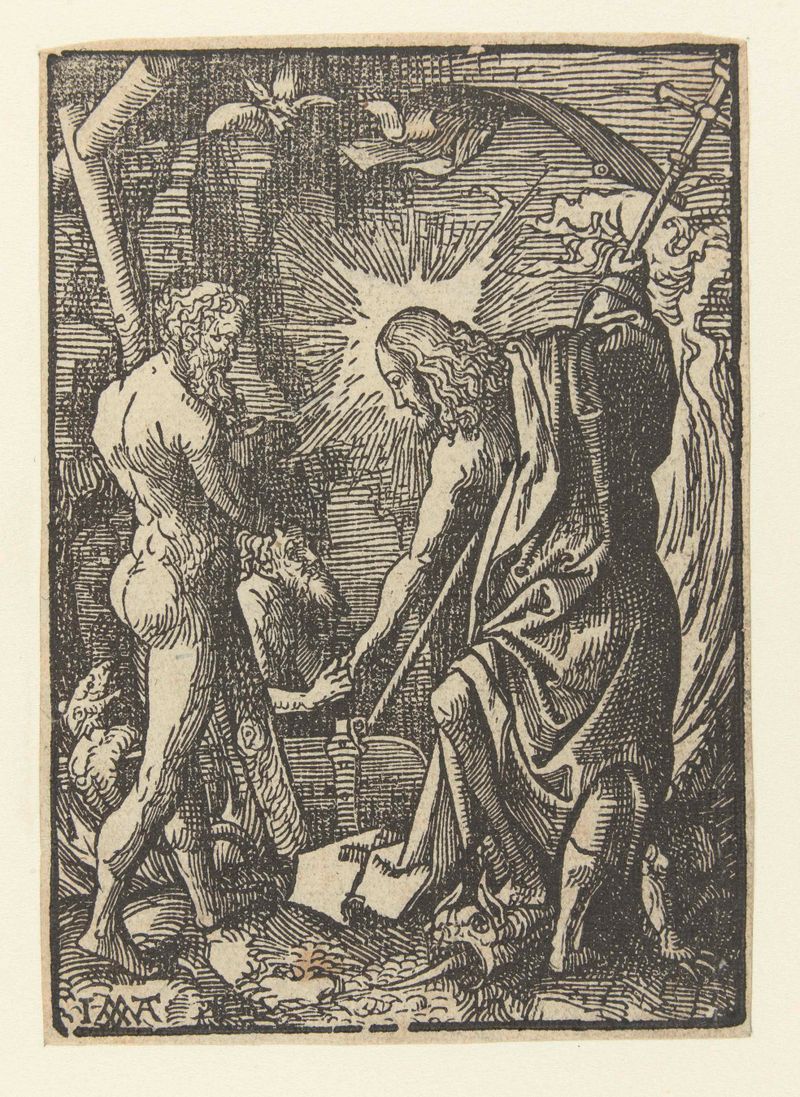
Christus in het voorgeborchte
Jacob Cornelisz van Oostsanen
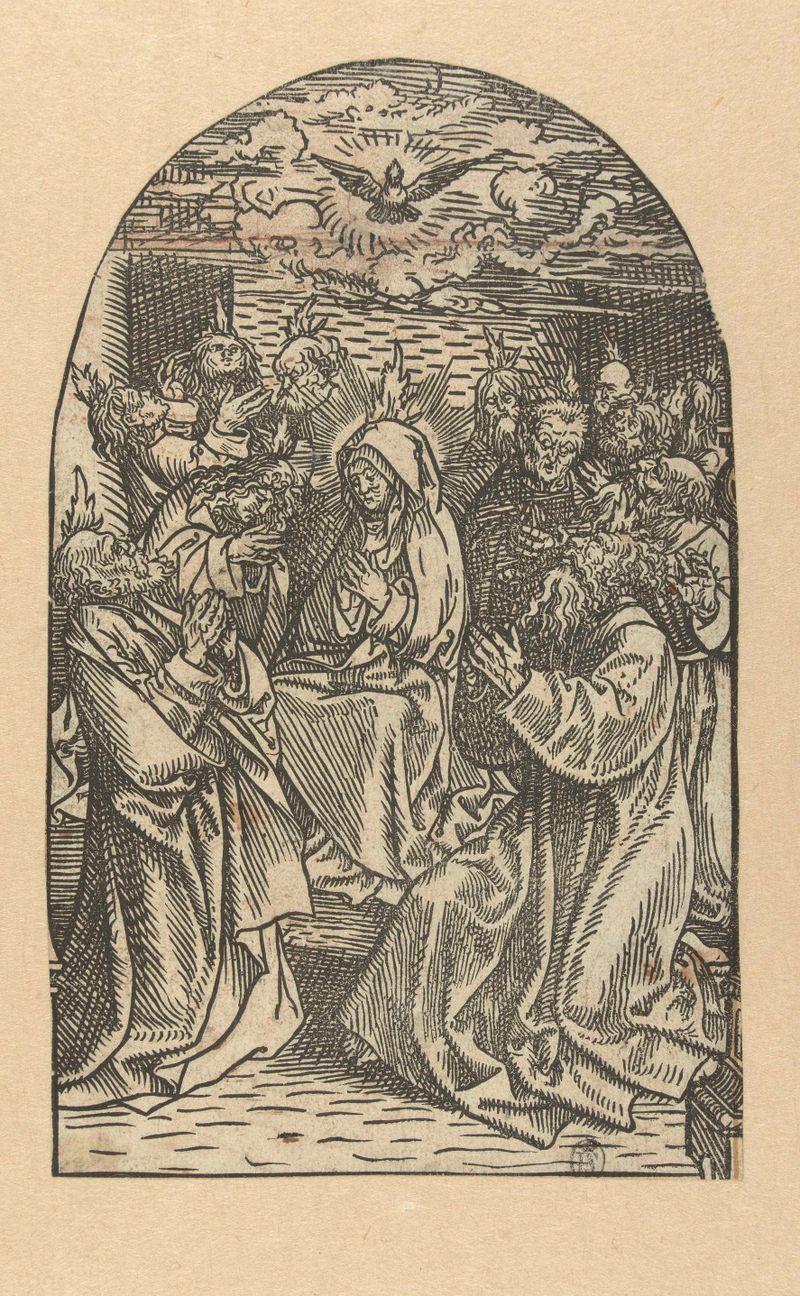
Uitstorting van de Heilige Geest
Jacob Cornelisz van Oostsanen
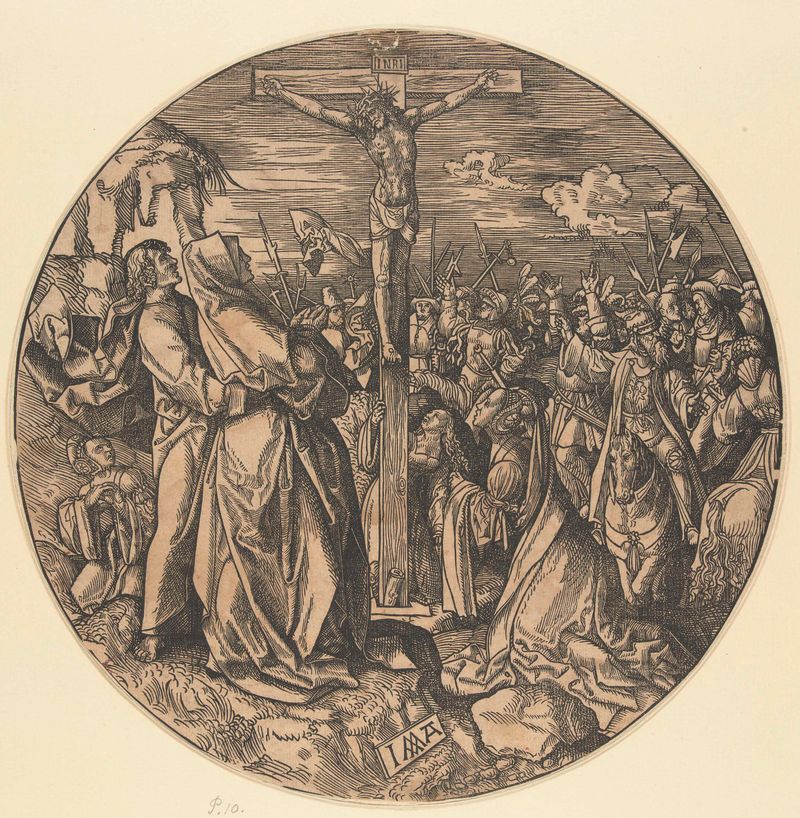
Christus aan het kruis
Jacob Cornelisz van Oostsanen

De kruisiging en de graflegging van Christus
Jacob Cornelisz van Oostsanen
More Religious Art
Browse all →
The Return of the Prodigal Son
Rembrandt van Rijn

The Garden of Earthly Delights
El Bosco

Count Orgaz’ funeral
El Greco

The Hundred Guilder Print: the central piece with Christ preaching, the plate arched
Rembrandt van Rijn

The Descent from the Cross
Rogier van der Weyden

The return of the prodigal son
Rembrandt van Rijn