
De profeet Maleachi — History & Facts
Could beauty survive in a century of chaos? In a world where mortality looms large, this question resonates deeply, echoing through the strokes of the canvas. Focus on the central figure, the prophet, who stands tall and solemn. His robes, rich in deep burgundy and gold, draw the eye and convey a sense of divine authority. Notice how the light gently cascades from an unseen source, illuminating his stern expression and emphasizing the intricate detail of his features.
The backdrop, a mix of muted earth tones, serves to ground the prophet in a reality steeped in history and humanity. Here, the contrasts are palpable. The prophet’s unwavering gaze suggests a prophetic insight into the human condition, while the soft drapery of his garments hints at a fleeting beauty, a reminder of mortality's inevitability. Observe the subtle tension between the ornate details of his attire and the stark simplicity of his surroundings; this juxtaposition speaks to the delicate balance between earthly splendor and spiritual reflection, a dialogue that resonates through the ages. Jacob Cornelisz van Oostsanen painted De profeet Maleachi between 1521 and 1525, during a time of religious upheaval and transformation in Europe.
Living in Amsterdam, he was part of the Northern Renaissance, a movement that sought to blend classical ideas with the burgeoning interest in humanism. His works often reflected the tension between the spiritual and the material, which was particularly poignant during this tumultuous period in history.
More Artworks by Jacob Cornelisz van Oostsanen
Browse all →
De hemelvaart en Christus voor God de Vader
Jacob Cornelisz van Oostsanen
Het hostiewonder van Amsterdam
Jacob Cornelisz van Oostsanen
The Adoration of the Christ Child
Jacob Cornelisz van Oostsanen
Vlucht naar Egypte
Jacob Cornelisz van Oostsanen
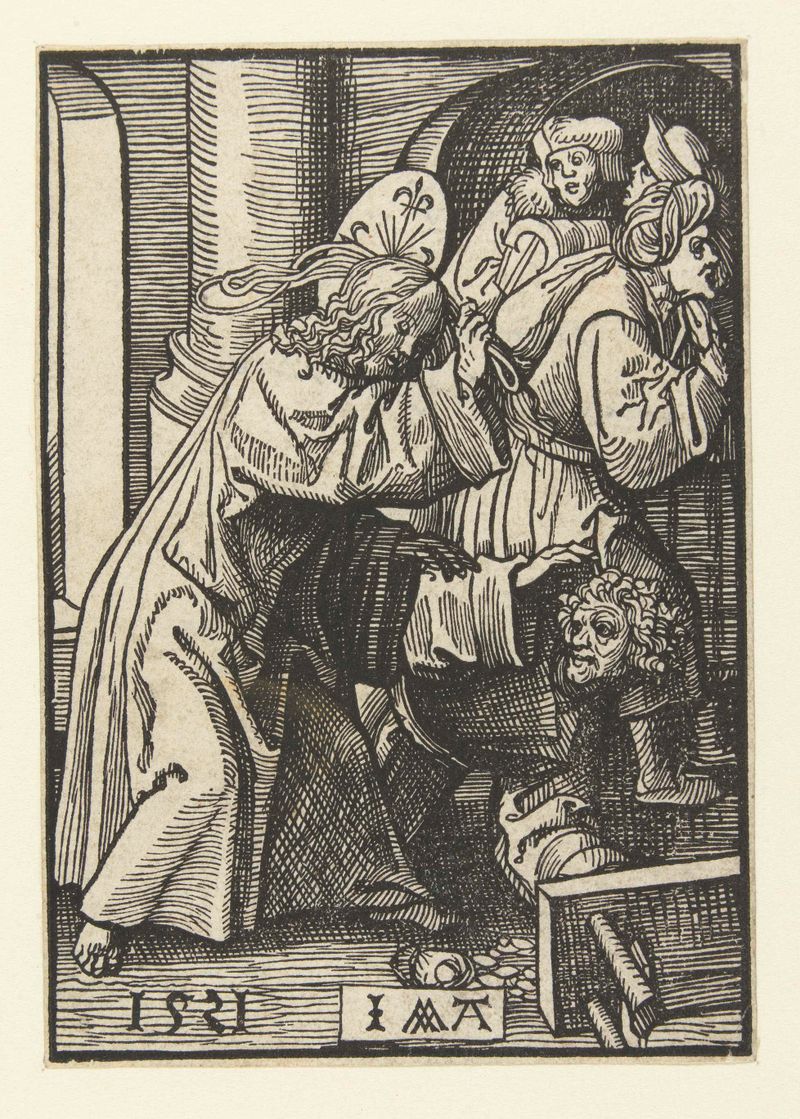
Verdrijving van de handelaren uit de tempel
Jacob Cornelisz van Oostsanen
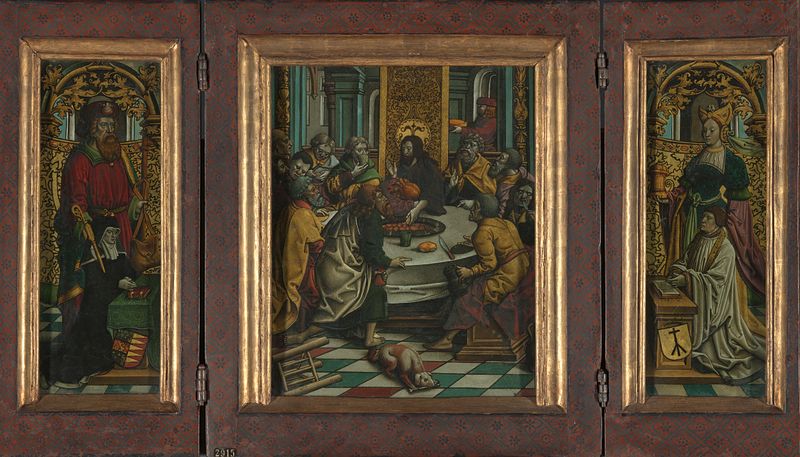
Triptych with the Last Supper and Donors
Jacob Cornelisz van Oostsanen
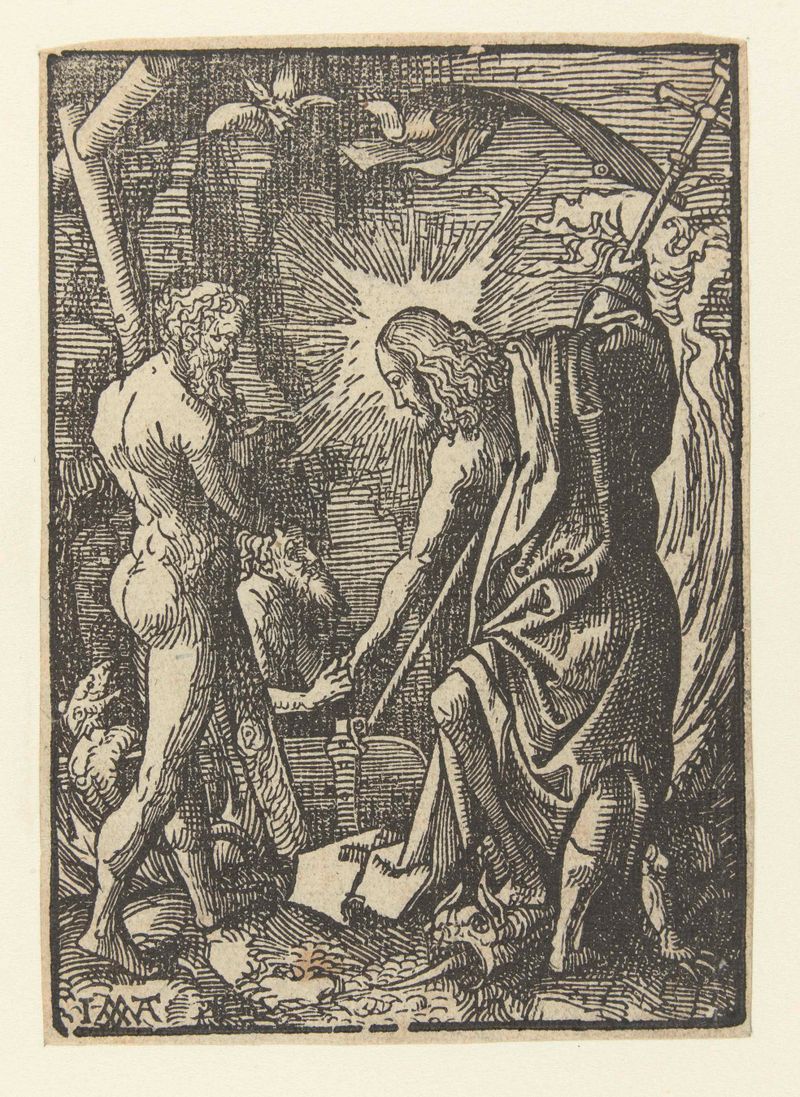
Christus in het voorgeborchte
Jacob Cornelisz van Oostsanen
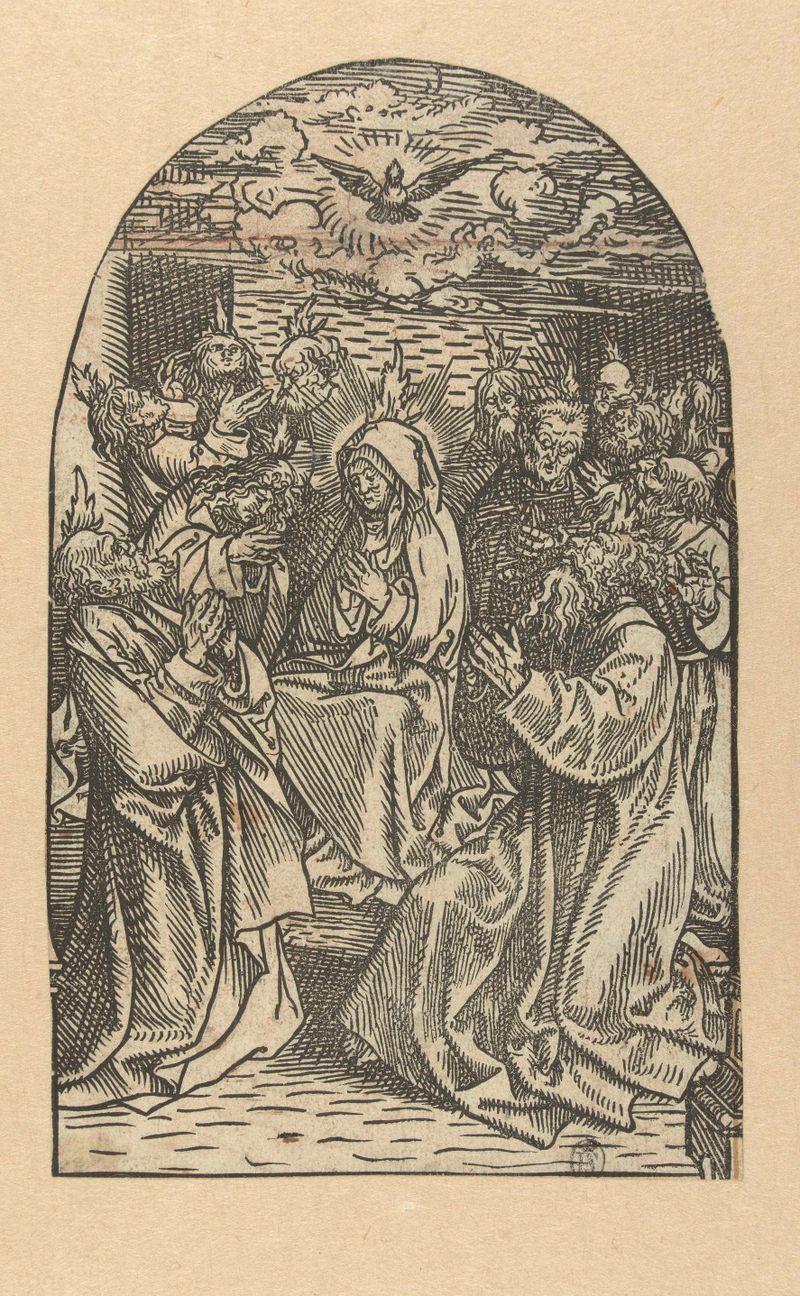
Uitstorting van de Heilige Geest
Jacob Cornelisz van Oostsanen
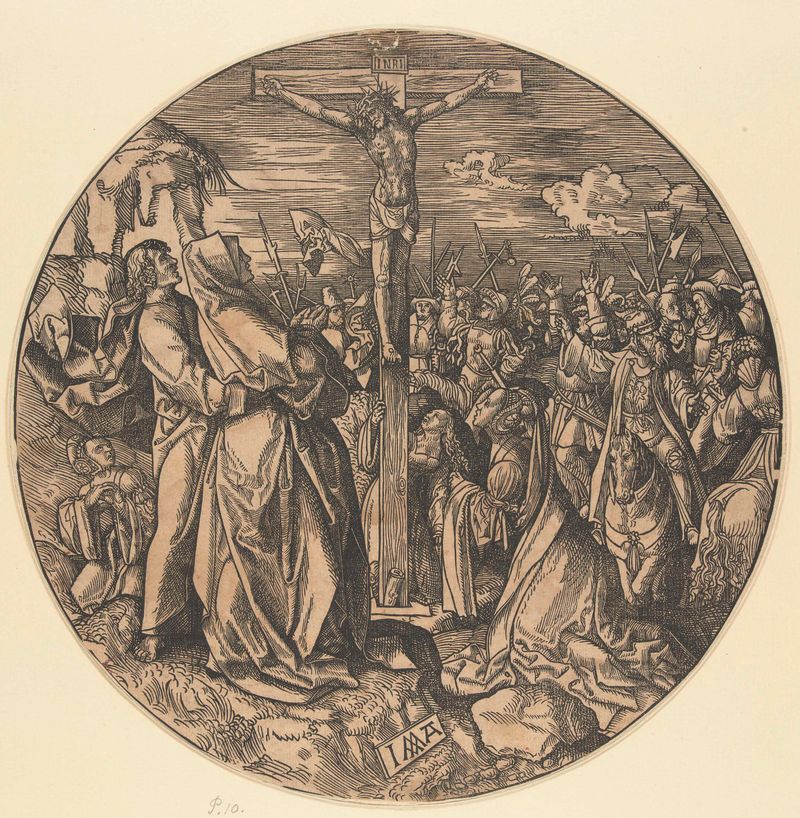
Christus aan het kruis
Jacob Cornelisz van Oostsanen

De kruisiging en de graflegging van Christus
Jacob Cornelisz van Oostsanen
More Religious Art
Browse all →
The Return of the Prodigal Son
Rembrandt van Rijn

The Garden of Earthly Delights
El Bosco

Count Orgaz’ funeral
El Greco

The Hundred Guilder Print: the central piece with Christ preaching, the plate arched
Rembrandt van Rijn

The Descent from the Cross
Rogier van der Weyden

The return of the prodigal son
Rembrandt van Rijn