
De profeet Micha — History & Facts
Could a single brushstroke hold eternity? In De profeet Micha, the essence of tumultuous times resonates beyond the canvas, encapsulating conflict and the weight of a prophet’s words. Look to the left at the figure of Micha, his intense gaze piercing through the painted surface. The artist employs a muted palette dominated by earth tones, while subtle highlights on his robes suggest a celestial illumination. Notice how the composition draws you toward his outstretched hand, as if inviting you to heed his prophetic message.
The background is a tumultuous whirl of abstract shapes, echoing the chaos of the world outside his prophetic vision, grounding the figure in both time and turmoil. Beneath the surface, the tension of violence hangs heavy in the air. The prophet stands resolute against a backdrop that mirrors societal unrest, embodying both a messenger and a witness to the suffering around him. The jagged lines surrounding him evoke a storm, while softer contours of his face suggest an inner peace, creating a stark contrast between the turmoil of his message and the calm of his demeanor.
This juxtaposition invites viewers to reflect on the dualities of hope and despair, action and inaction. Jacob Cornelisz van Oostsanen painted this work between 1521 and 1525 in Amsterdam, during a time of both artistic transformation and religious strife in Europe. The burgeoning influence of the Northern Renaissance was reshaping art, and the tumult of the Reformation loomed large. Ostensibly a mere depiction of a prophet, it serves as a reflection of the artist's own grappling with faith and conflict during an era defined by its violent upheavals.
More Artworks by Jacob Cornelisz van Oostsanen
Browse all →
De hemelvaart en Christus voor God de Vader
Jacob Cornelisz van Oostsanen
Het hostiewonder van Amsterdam
Jacob Cornelisz van Oostsanen
The Adoration of the Christ Child
Jacob Cornelisz van Oostsanen
Vlucht naar Egypte
Jacob Cornelisz van Oostsanen
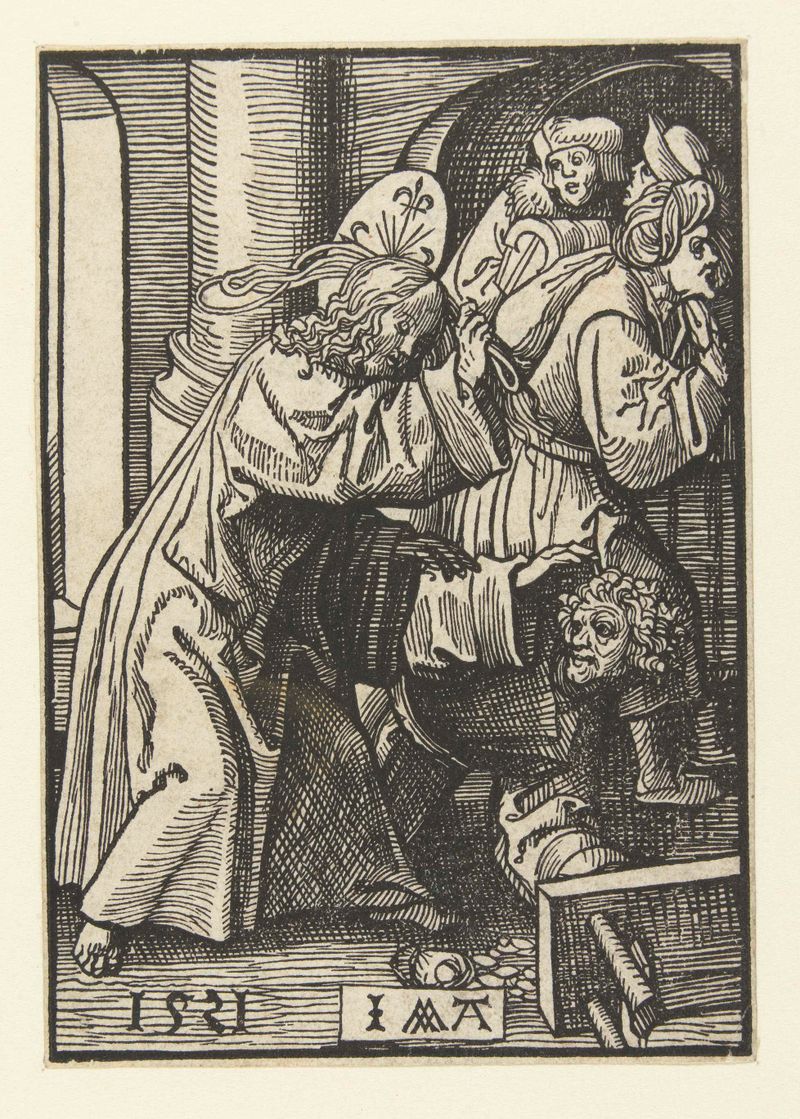
Verdrijving van de handelaren uit de tempel
Jacob Cornelisz van Oostsanen
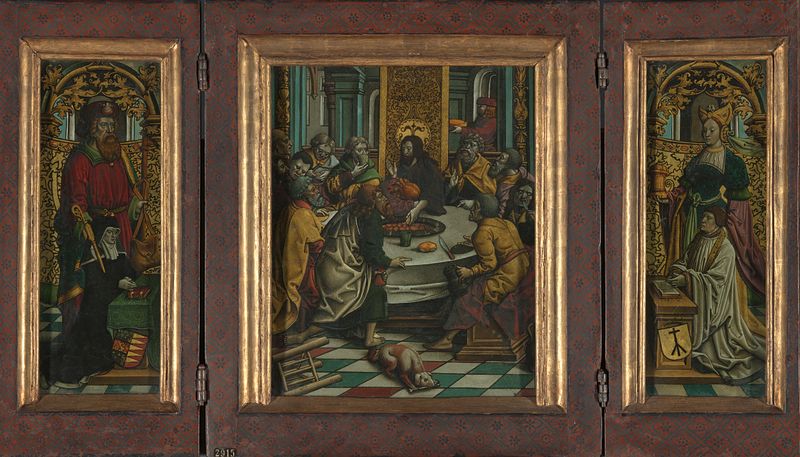
Triptych with the Last Supper and Donors
Jacob Cornelisz van Oostsanen
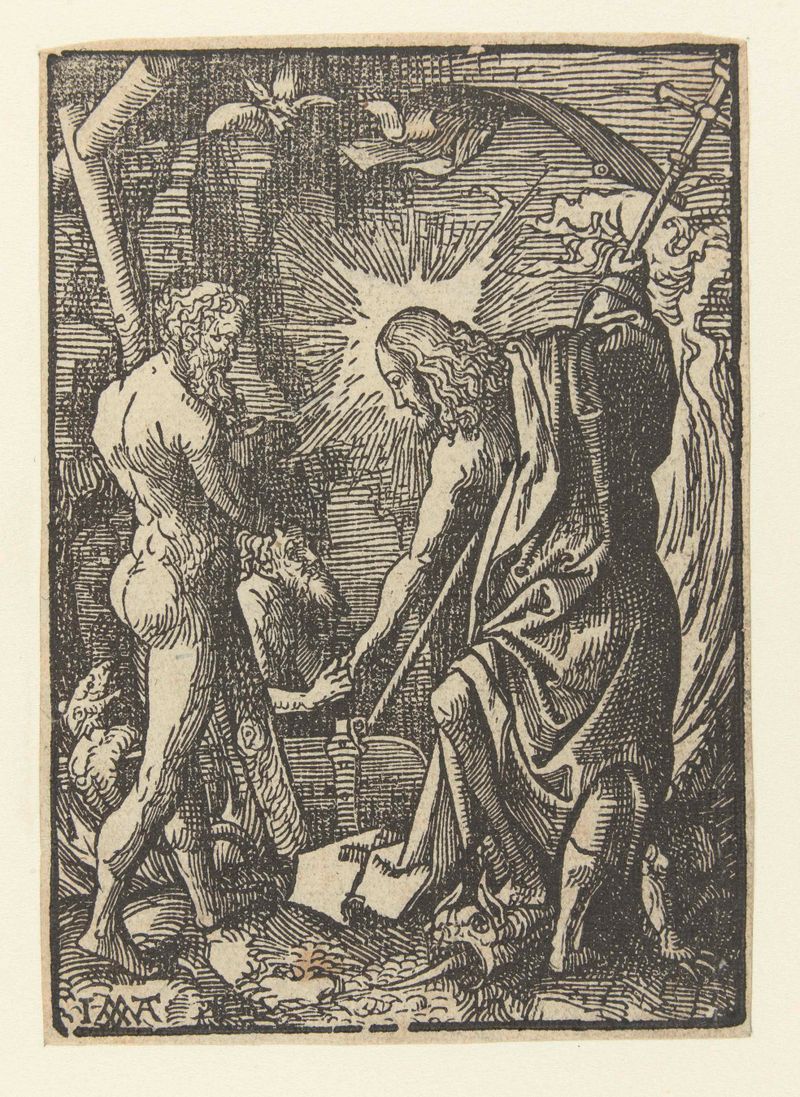
Christus in het voorgeborchte
Jacob Cornelisz van Oostsanen
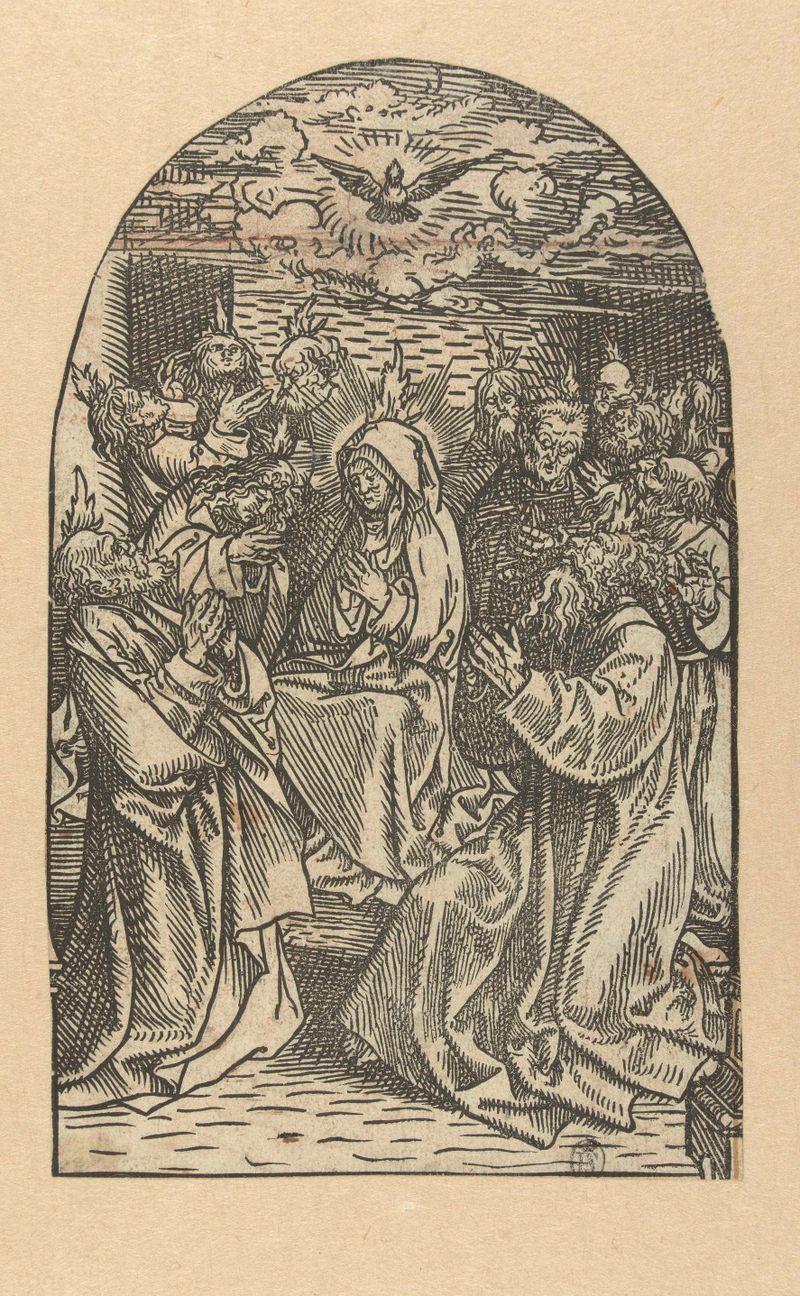
Uitstorting van de Heilige Geest
Jacob Cornelisz van Oostsanen
Christus aan het kruis
Jacob Cornelisz van Oostsanen

De kruisiging en de graflegging van Christus
Jacob Cornelisz van Oostsanen
More Religious Art
Browse all →
The Return of the Prodigal Son
Rembrandt van Rijn

The Garden of Earthly Delights
El Bosco

Count Orgaz’ funeral
El Greco

The Hundred Guilder Print: the central piece with Christ preaching, the plate arched
Rembrandt van Rijn

The Descent from the Cross
Rogier van der Weyden

The return of the prodigal son
Rembrandt van Rijn