
De profeet Zacharia — History & Facts
In De profeet Zacharia, the interplay of light and shadow serves as both a reminder and a foreboding presence, inviting deep contemplation of the passage of time. Look to the left at Zacharia’s commanding figure, draped in rich garments that seem to absorb light while exuding an aura of authority. The soft glow highlights the textured fabric, contrasting sharply with the darker background that encloses him. Notice how the intricate details in his face, from the thoughtful furrow of his brow to the intensity in his eyes, draw you in, embodying wisdom and prophetic certainty.
The muted colors of his surroundings enhance the ethereal quality of the moment, inviting questions about the nature of the shadows that linger just beyond the illumination. Delve into the significance of the shadows that dance across the canvas. They are not mere absence of light; they symbolize the lurking uncertainties of prophecy and the unknown future that lies ahead. The juxtaposition of the illuminated figure against the darkness evokes the tension between knowledge and ignorance, faith and doubt.
These contrasts suggest a deeper narrative, one that traverses the boundaries of time and existence, urging the viewer to confront their own fears of what remains unseen. Created between 1521 and 1525, this work emerges from the early Renaissance period when Jacob Cornelisz van Oostsanen was deeply engaged in the Northern European artistic movement. During this time, he was notably influenced by the religious fervor of the Reformation, which permeated the art world. As he painted, the transformative power of religion and the cultural shifts in society shaped his approach, reflecting a period of introspection and a search for meaning amid the changing tides.
More Artworks by Jacob Cornelisz van Oostsanen
Browse all →
De hemelvaart en Christus voor God de Vader
Jacob Cornelisz van Oostsanen
Het hostiewonder van Amsterdam
Jacob Cornelisz van Oostsanen
The Adoration of the Christ Child
Jacob Cornelisz van Oostsanen
Vlucht naar Egypte
Jacob Cornelisz van Oostsanen
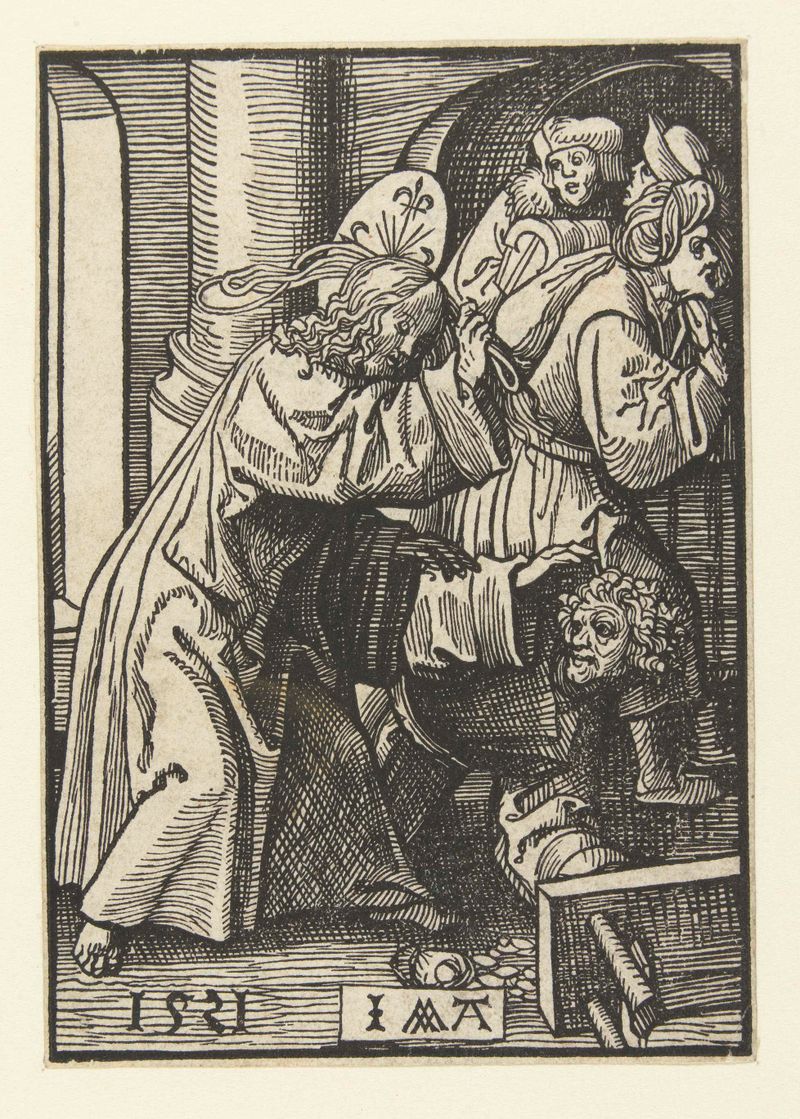
Verdrijving van de handelaren uit de tempel
Jacob Cornelisz van Oostsanen
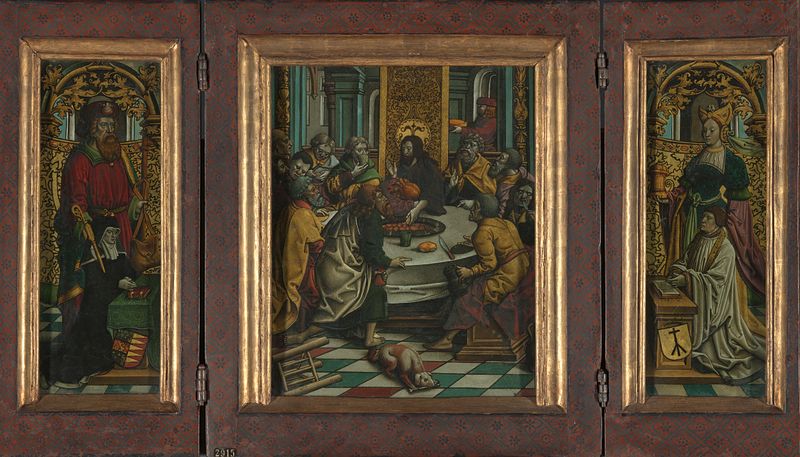
Triptych with the Last Supper and Donors
Jacob Cornelisz van Oostsanen
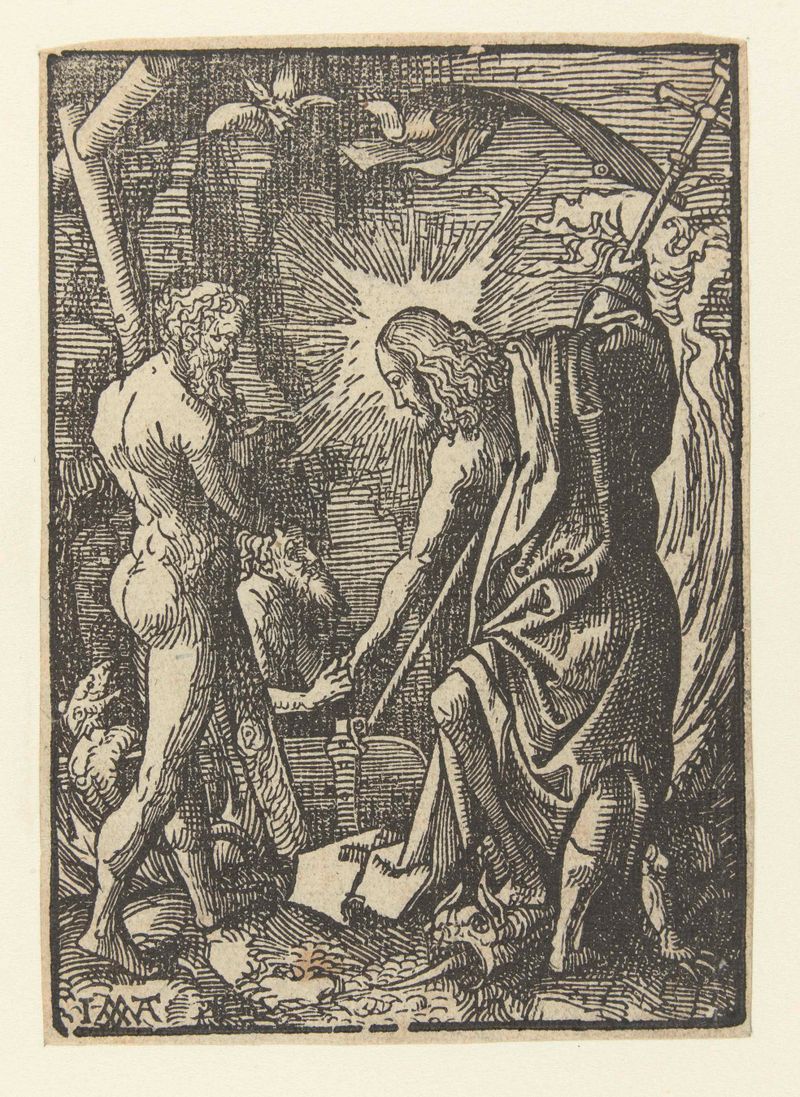
Christus in het voorgeborchte
Jacob Cornelisz van Oostsanen
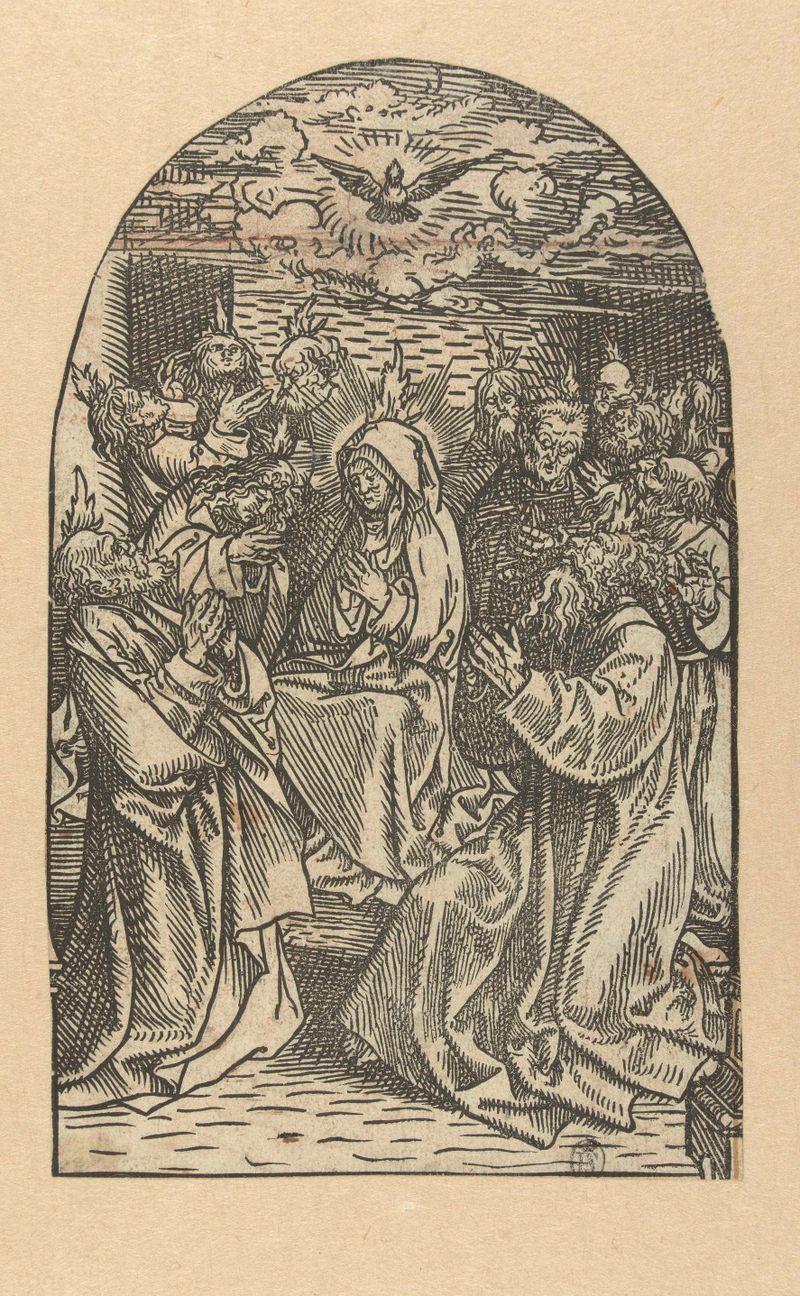
Uitstorting van de Heilige Geest
Jacob Cornelisz van Oostsanen
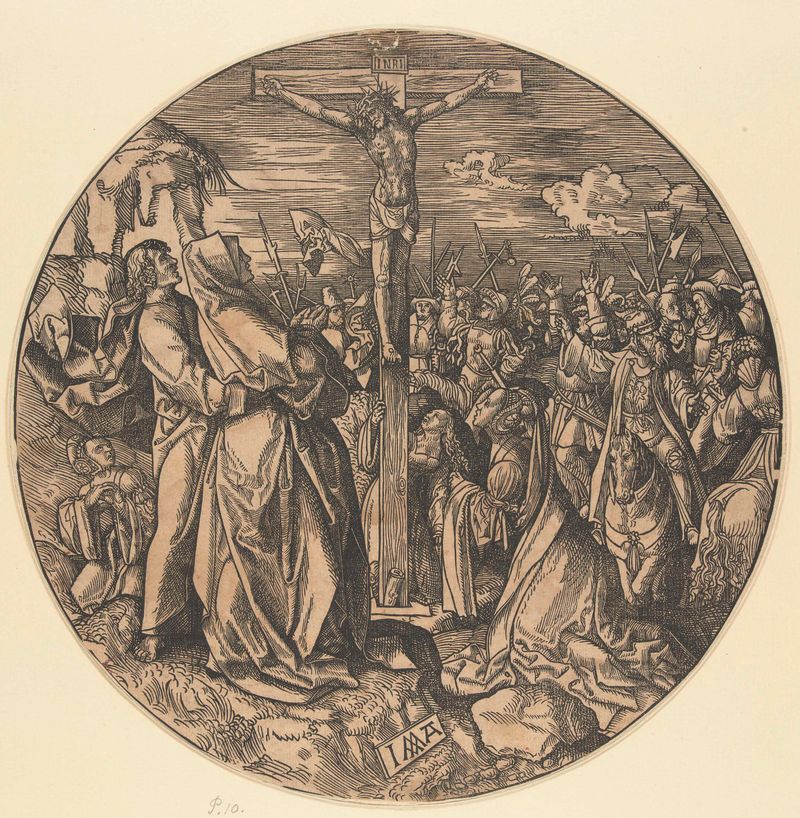
Christus aan het kruis
Jacob Cornelisz van Oostsanen

De kruisiging en de graflegging van Christus
Jacob Cornelisz van Oostsanen
More Religious Art
Browse all →
The Return of the Prodigal Son
Rembrandt van Rijn

The Garden of Earthly Delights
El Bosco

Count Orgaz’ funeral
El Greco

The Hundred Guilder Print: the central piece with Christ preaching, the plate arched
Rembrandt van Rijn

The Descent from the Cross
Rogier van der Weyden

The return of the prodigal son
Rembrandt van Rijn