De ridder en de Dood — History & Facts
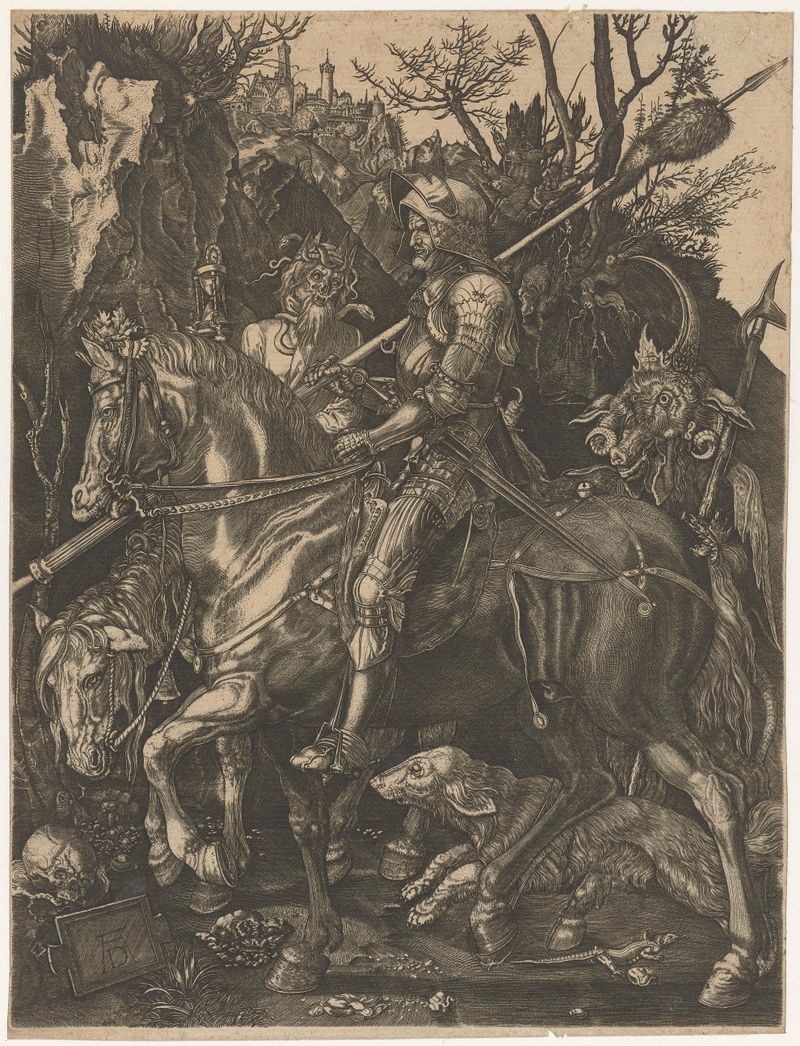
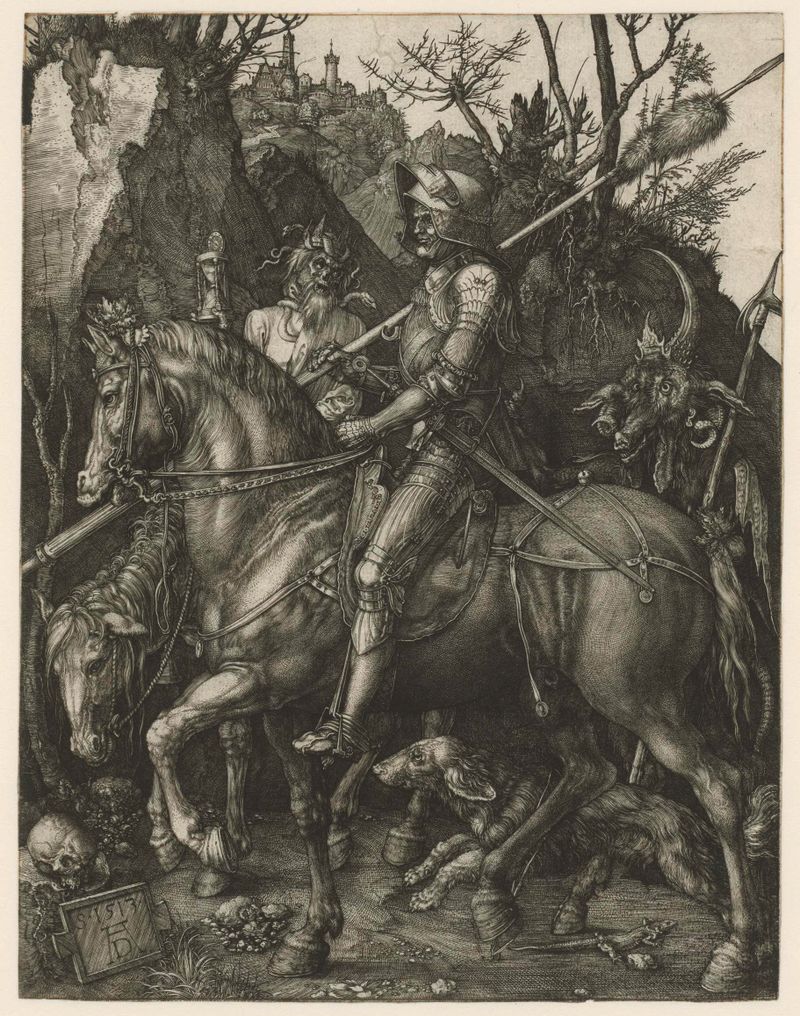
In the delicate interplay of memory and artistry, we find the essence of life reflected in the interplay between the knight and death. Focus on the somber figure of the knight on horseback, poised at the center of the composition. His armor glints with a melancholy sheen, juxtaposed against the dark, looming figure of Death, who stands menacingly nearby, a skeletal presence draped in shadow. Notice how the intricate lines and etching technique create a dynamic contrast, drawing your eye from the vibrant details of the knight’s attire to the haunting, hollow gaze of his inevitable companion.
The muted tones enhance the ethereal quality of the scene, allowing for an unsettling yet captivating dialogue between life and mortality. Hidden within this engraving lies a profound tension between valor and vulnerability. The knight’s steadfast posture speaks of courage and nobility, yet the weight of impending fate hangs heavily over him, accentuated by the almost serene demeanor of Death. The stark contrast between the vibrant life represented by the knight and the pale inevitability embodied by his adversary invites reflection on the fragility of existence.
Each line etched meticulously captures the essence of life’s fleeting nature, revealing layers of meaning that resonate long after the initial viewing. Wenceslaus Hollar created De ridder en de Dood around 1680 during a period marked by the Baroque movement’s fascination with themes of life, death, and the human condition. Living in London, he experienced the tumult of political and social upheaval, which greatly influenced his artistic expression. This work emerged at a time when artists were increasingly exploring the complexities of mortality, establishing a legacy that merged technical skill with deep philosophical inquiry.
More Artworks by Wenceslaus Hollar
Browse all →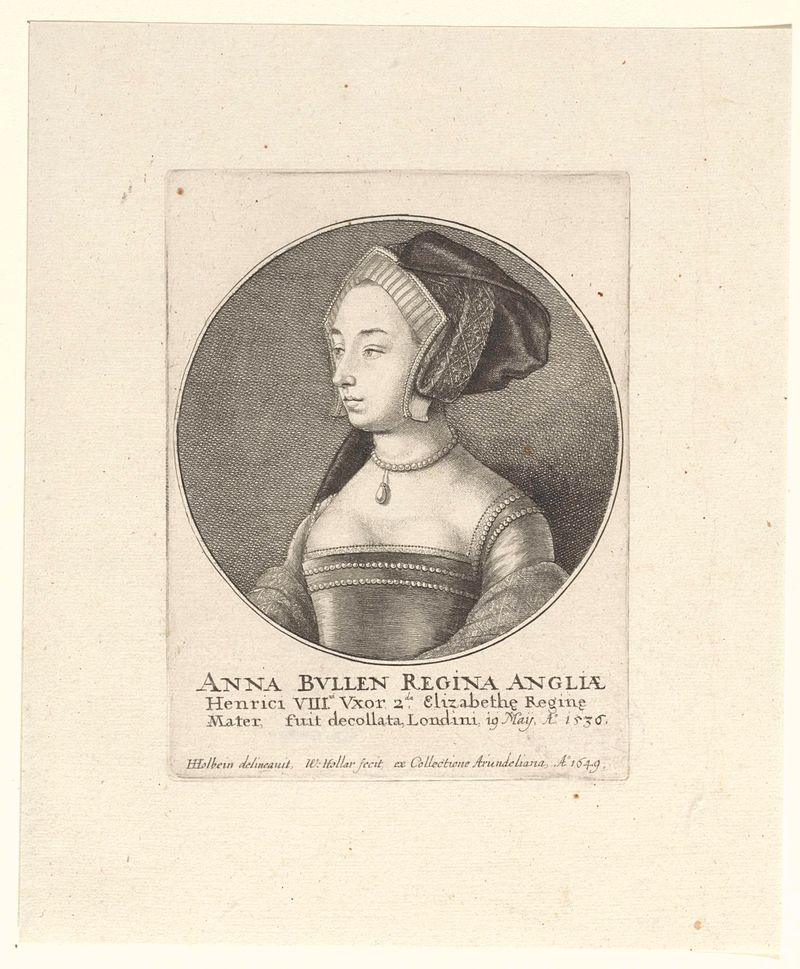
Portret van Anna Boleyn, koningin van Engeland
Wenceslaus Hollar
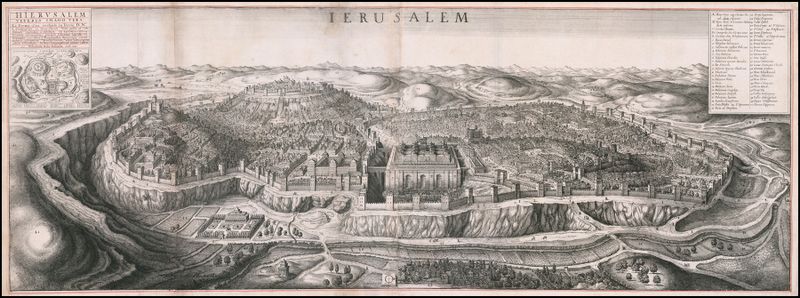
Bird’s eye view of Jerusalem
Wenceslaus Hollar
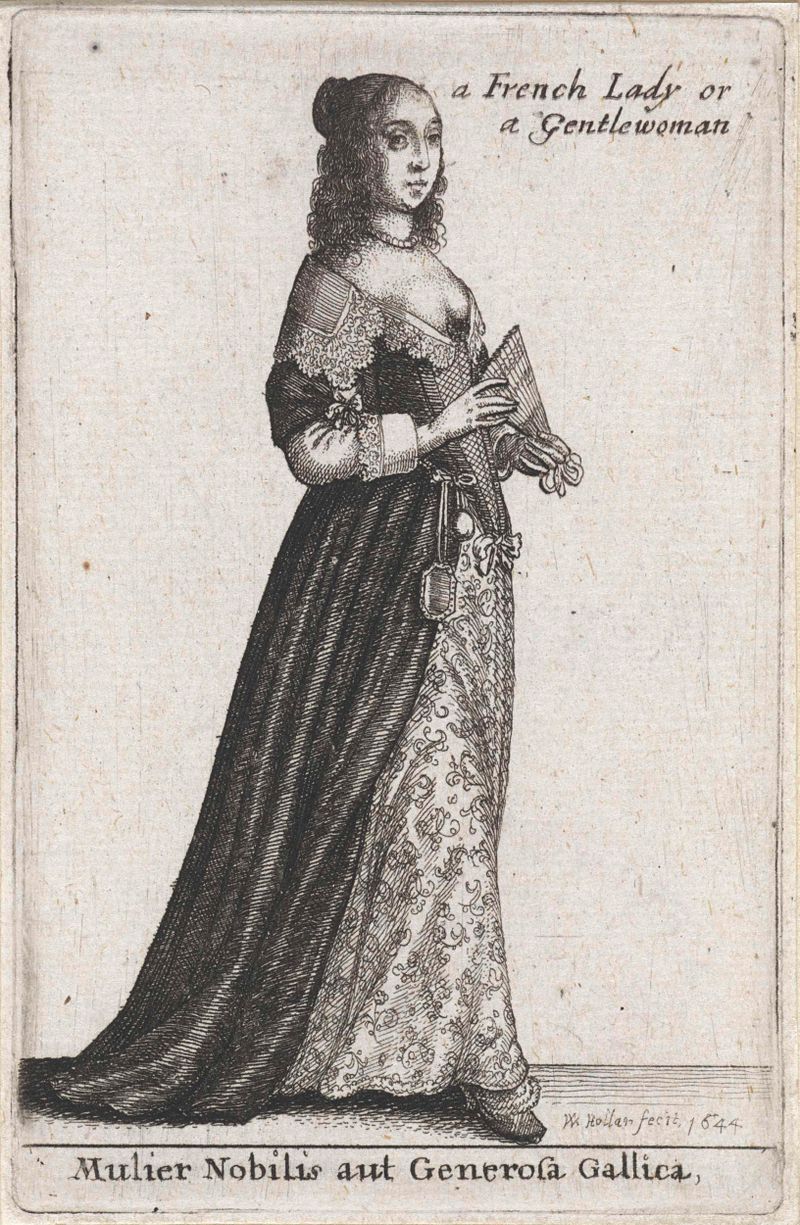
Mulier Nobilis aut Generosa Gallica / a French Lady or Gentlewoman
Wenceslaus Hollar
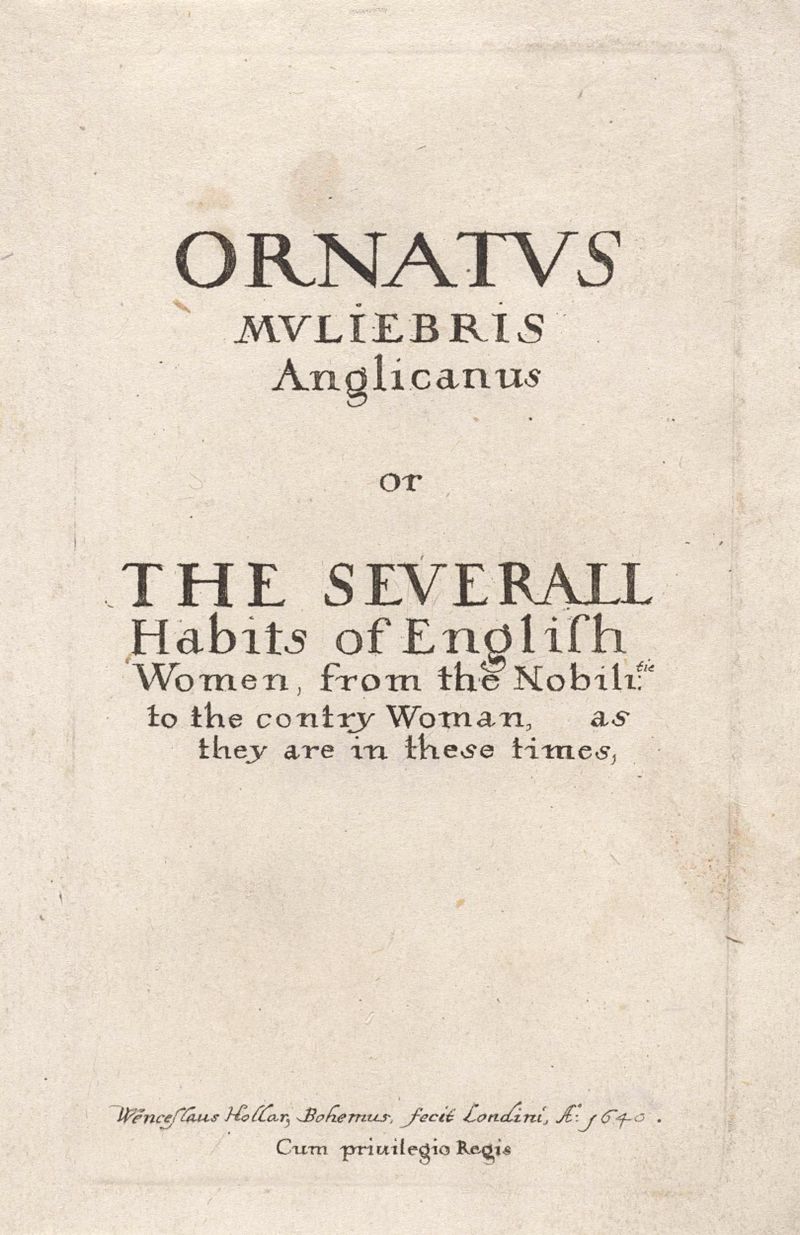
Titelprent voor: Ornatus Muliebris Anglicanus
Wenceslaus Hollar
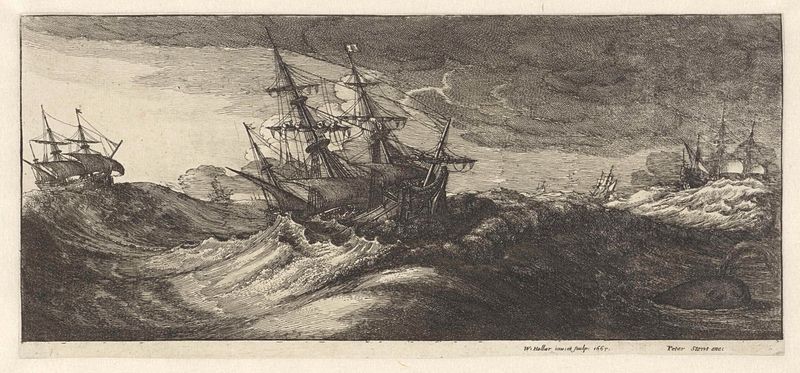
Oorlogsschepen en een walvis in een zeestorm
Wenceslaus Hollar
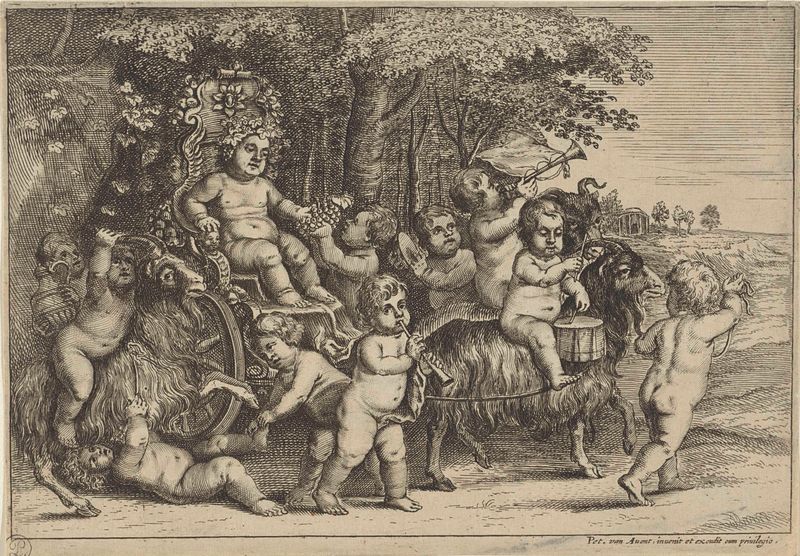
Optocht van bacchant en jongetjes op geiten
Wenceslaus Hollar
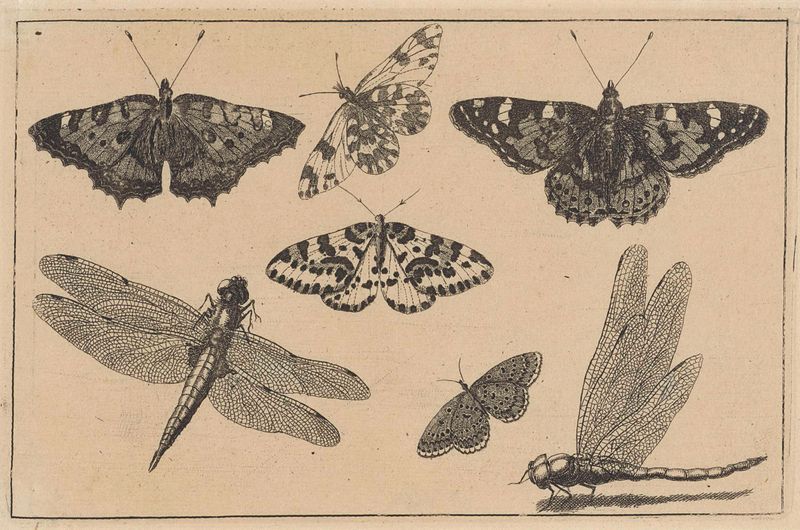
Twee libellen en vijf vlinders
Wenceslaus Hollar
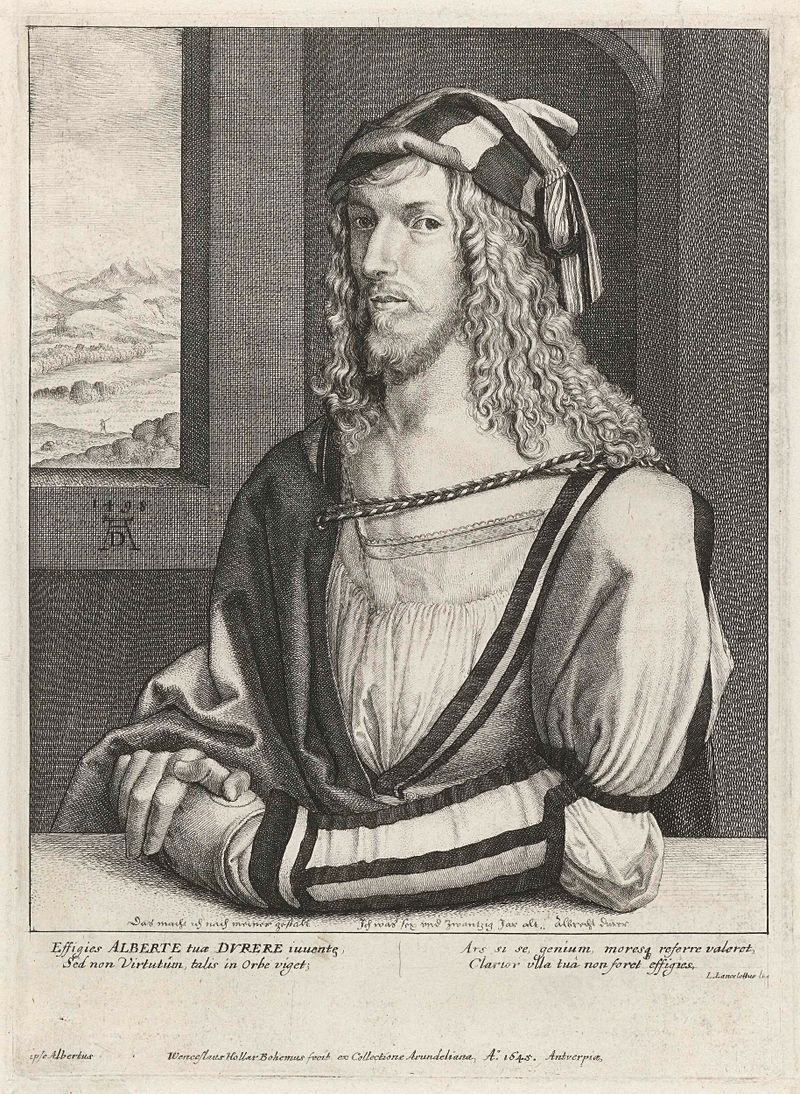
Portret van Albrecht Dürer
Wenceslaus Hollar
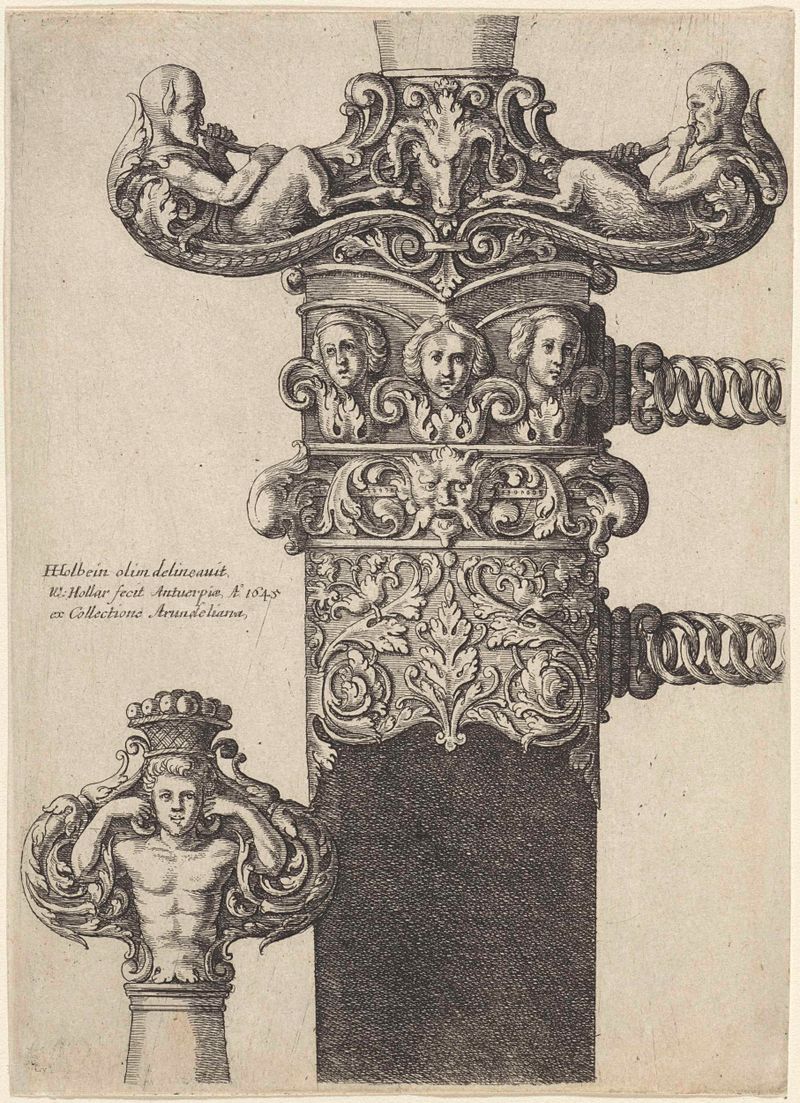
Ornamenteel ontwerp voor een dolk
Wenceslaus Hollar
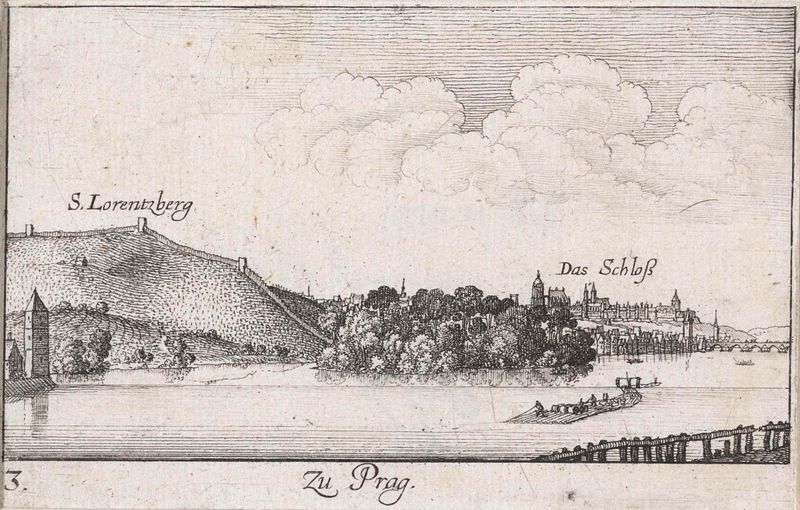
Gezicht op Praag vanaf de Moldau
Wenceslaus Hollar