
De ridder en de Dood — History & Facts
In the quiet moments of life, it is through art that we confront the depths of our grief and mortality. Begin by focusing on the figure of the knight, poised resolutely against the backdrop of an uncertain fate. Notice how the intricate lines of the etching draw your gaze to the tension between life and death, where the spectral figure of Death looms ominously. The delicacy of the knight's armor contrasts sharply with the stark, skeletal form beside him, symbolizing the eternal struggle against an inevitable end. An unsettling dialogue exists in this composition.
The knight, with his head held high, embodies courage and defiance in the face of mortality, while the figure of Death offers a chilling reminder of life’s fragility. Observe the way Hollar has used light and shadow to evoke a sense of unease; the starkness amplifies both the knight's valor and the haunting presence of the grim reaper, suggesting that bravery can coexist with fear. The intricacies in the knight’s stance and the lifeless visage of Death intertwine, revealing deep layers of human emotion and existential pondering. In 1651, Wenceslaus Hollar was living in London, having fled the turmoil of his native Bohemia.
The art world was grappling with themes of mortality, especially after the calamities of war and plague. Working in a period steeped in Baroque sensibilities, Hollar used his etching expertise to explore not only the macabre but also the transcendental, capturing the tension between life and death that pervaded his time.
More Artworks by Wenceslaus Hollar
Browse all →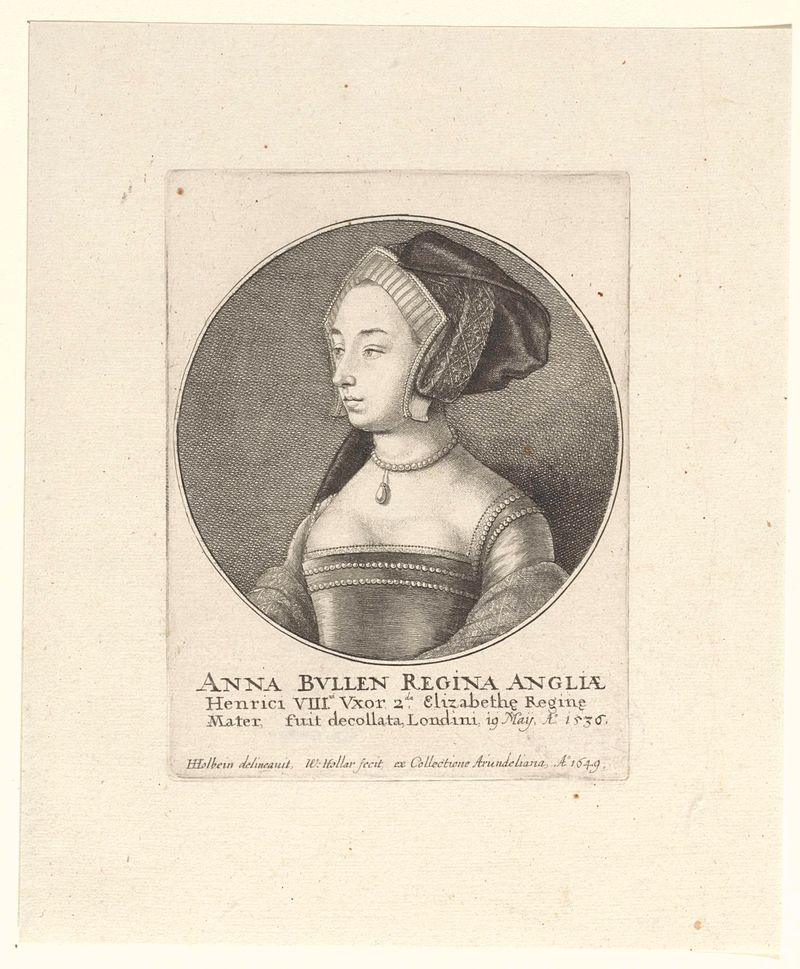
Portret van Anna Boleyn, koningin van Engeland
Wenceslaus Hollar
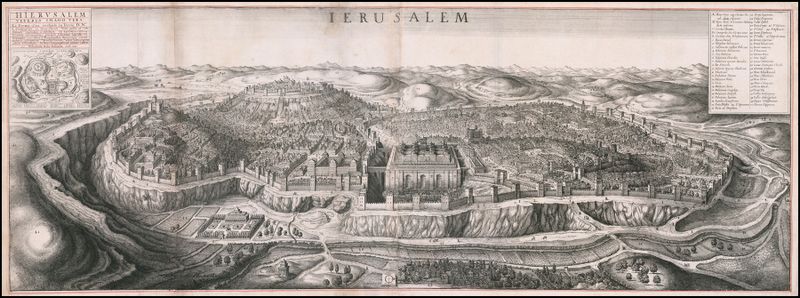
Bird’s eye view of Jerusalem
Wenceslaus Hollar
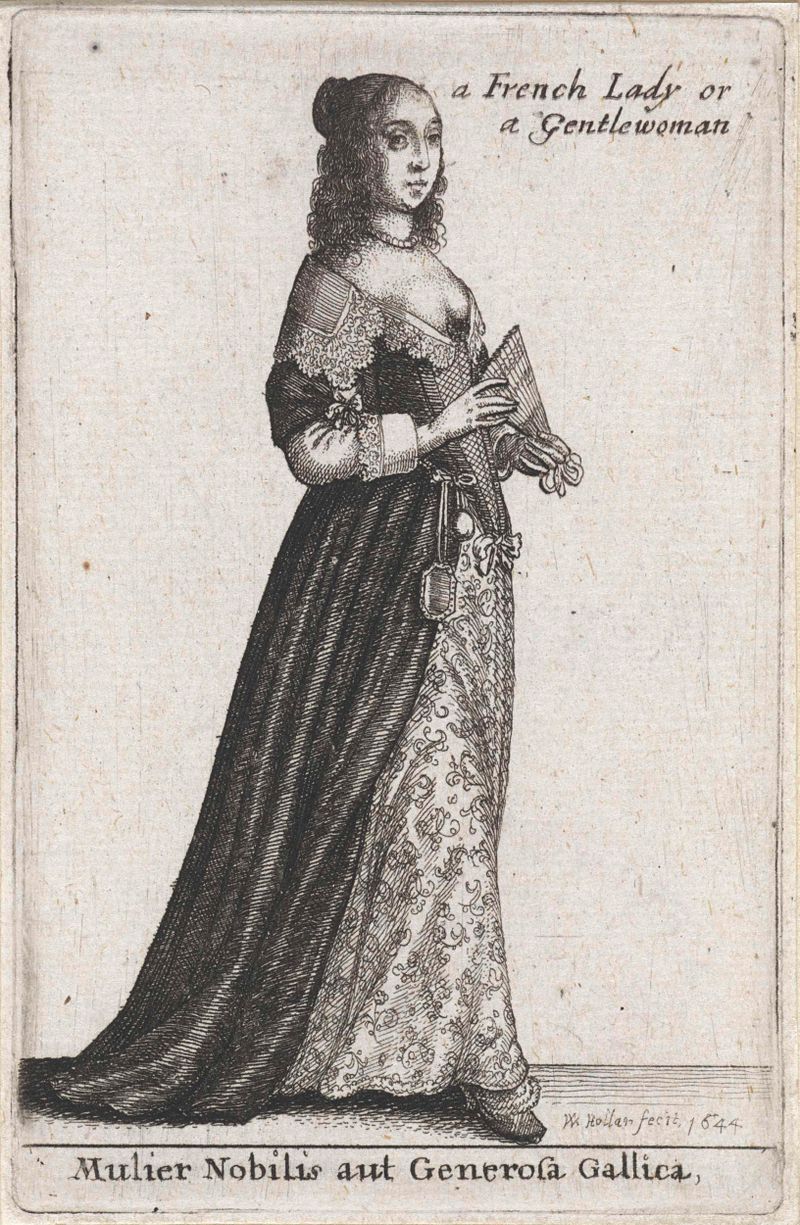
Mulier Nobilis aut Generosa Gallica / a French Lady or Gentlewoman
Wenceslaus Hollar
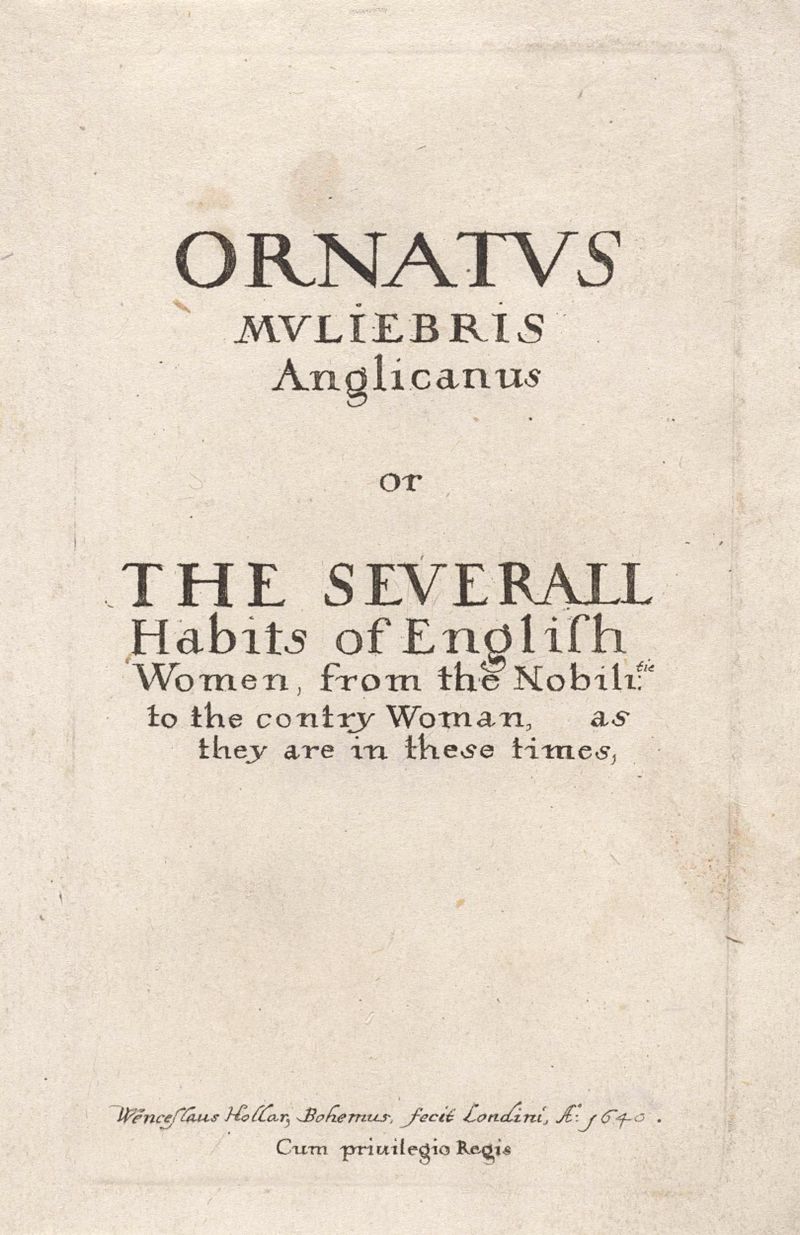
Titelprent voor: Ornatus Muliebris Anglicanus
Wenceslaus Hollar
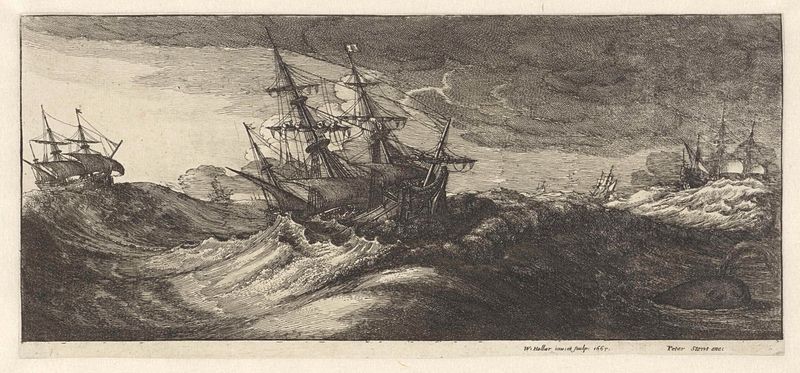
Oorlogsschepen en een walvis in een zeestorm
Wenceslaus Hollar
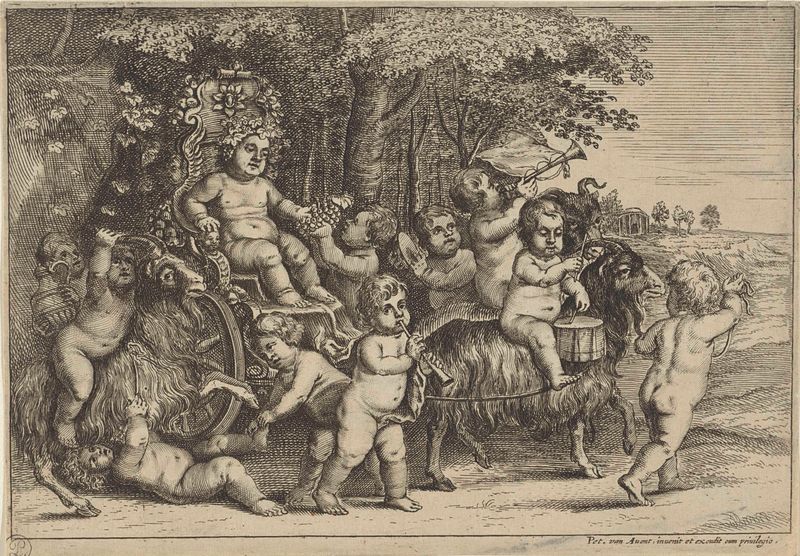
Optocht van bacchant en jongetjes op geiten
Wenceslaus Hollar
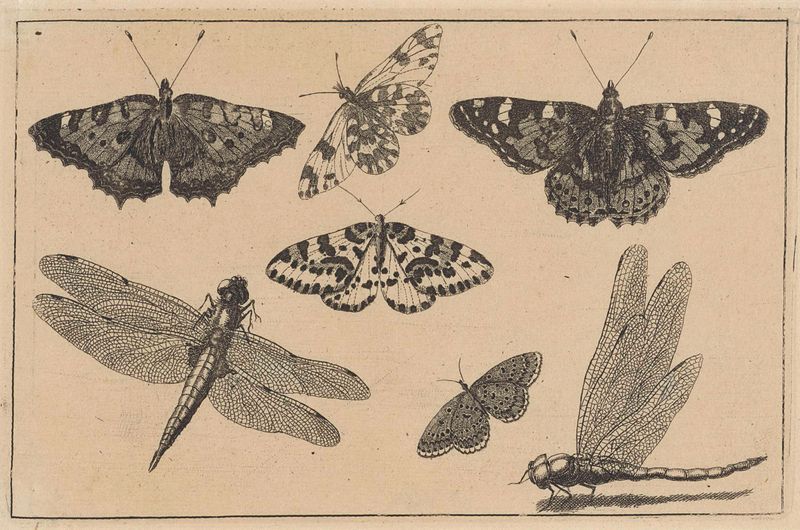
Twee libellen en vijf vlinders
Wenceslaus Hollar
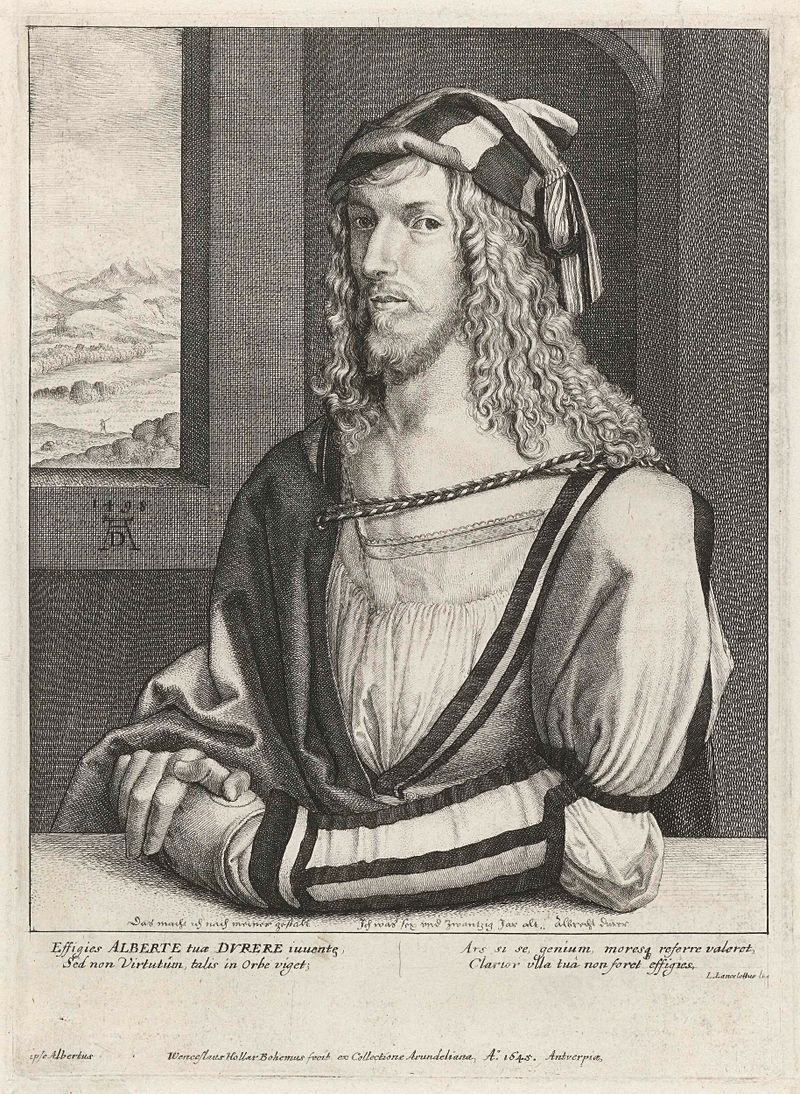
Portret van Albrecht Dürer
Wenceslaus Hollar
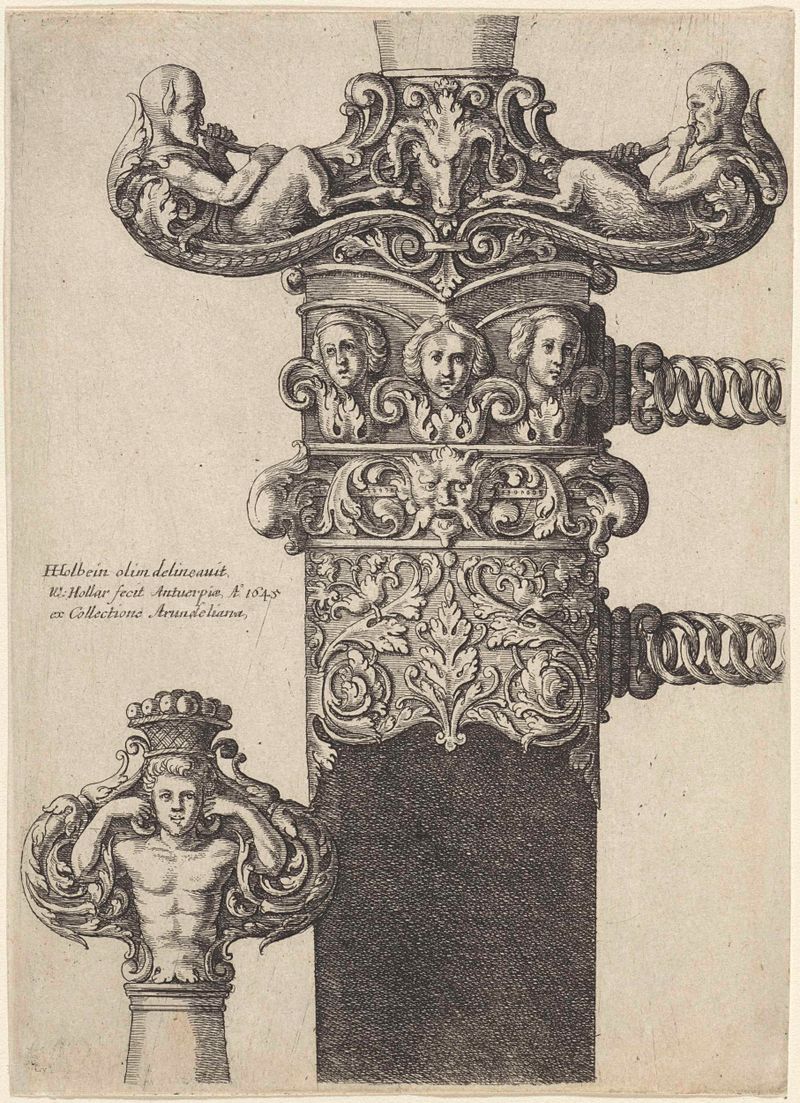
Ornamenteel ontwerp voor een dolk
Wenceslaus Hollar
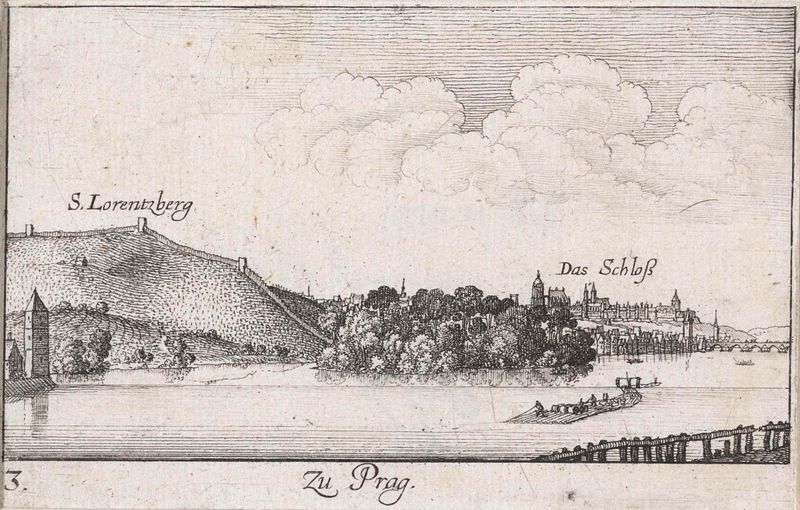
Gezicht op Praag vanaf de Moldau
Wenceslaus Hollar
More Historical Art
Browse all →
The Night Watch Militia Company of District II under the Command of Captain Frans Banninck Cocq
Rembrandt van Rijn

Lincoln Memorial
Henry Bacon

The Third of May 1808
Francisco de Goya

Isaac and Rebecca, Known as ‘The Jewish Bride’
Rembrandt van Rijn

The Charge of the Mamelukes (1814)
Francisco de Goya

De vier ruiters van de apocalyps
Albrecht Dürer