De saterfamilie — History & Facts
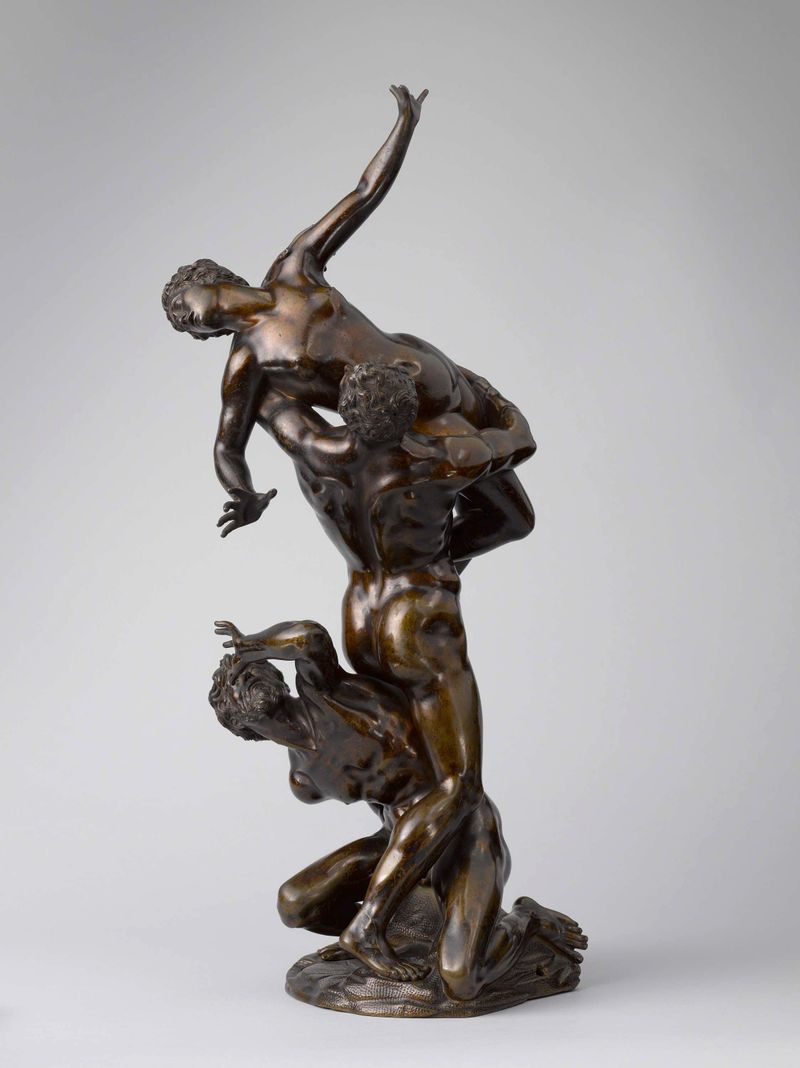
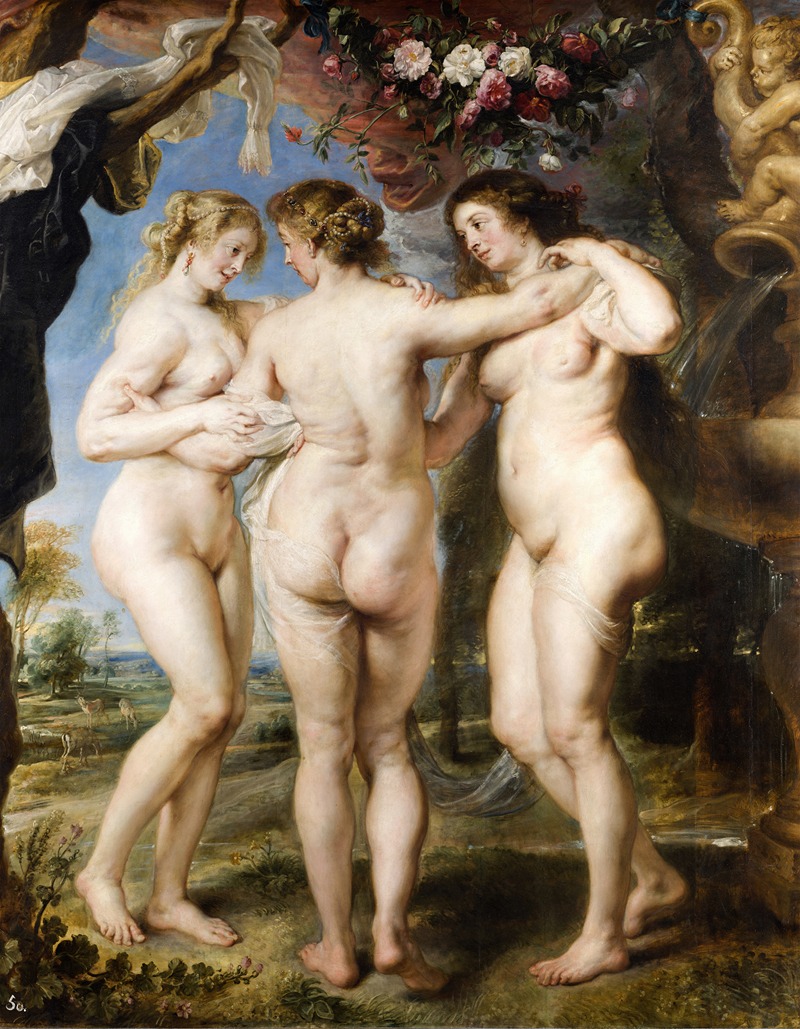
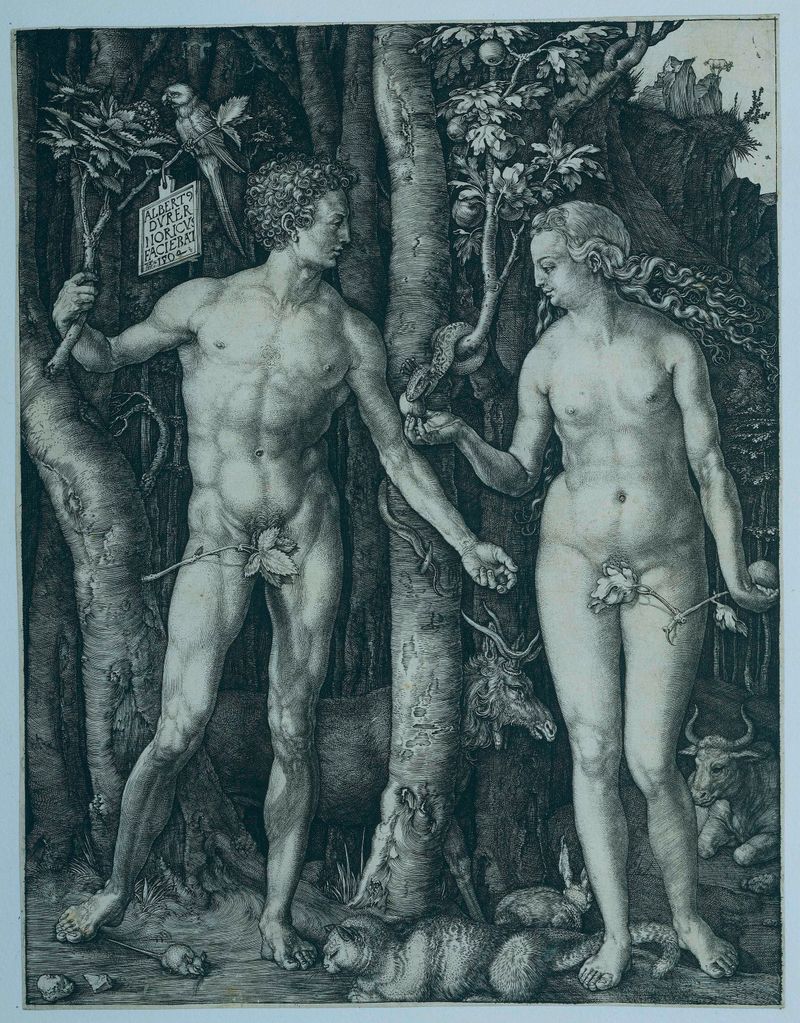
Can paint confess what words never could? In De saterfamilie, the artist conjures a world brimming with creation and the complexities of family life, inviting us to reflect on the ties that bind. Each brushstroke seems to whisper secrets of the heart, revealing the intricate dynamics within a family of satyrs, a blend of myth and nature. Look to the left at the tender embrace shared between the satyr and his offspring, their forms intertwined in a dance of affection. Notice how the light plays across their textured skin, capturing the warmth of intimacy against the cool, dark background.
Dürer masterfully employs earthy hues, grounding the figures within a pastoral setting, while meticulous detail in the foliage hints at the wildness of their existence, both enchanting and chaotic. As you delve deeper, consider the tension between wildness and nurture—the fabled creatures both embody the primal instincts of nature and the tenderness of parenthood. The juxtaposition of their satyr forms with human emotions evokes a sense of duality, prompting us to question our own wildness. Shadows loom over their familial bond, suggesting the struggles inherent in creation, where chaos and love coexist, and harmony is often a fleeting moment. Completed in 1505 during the Renaissance in Nuremberg, Dürer was at the height of his craft, exploring the intersection of nature and humanity.
This period marked a surge in interest in classical themes and the detailed study of the natural world, as artists sought to capture the essence of life itself. Dürer’s work stands as a testament to his innovative spirit, revealing a profound exploration of creation through the lens of mythological figures.
More Artworks by Albrecht Dürer
Browse all →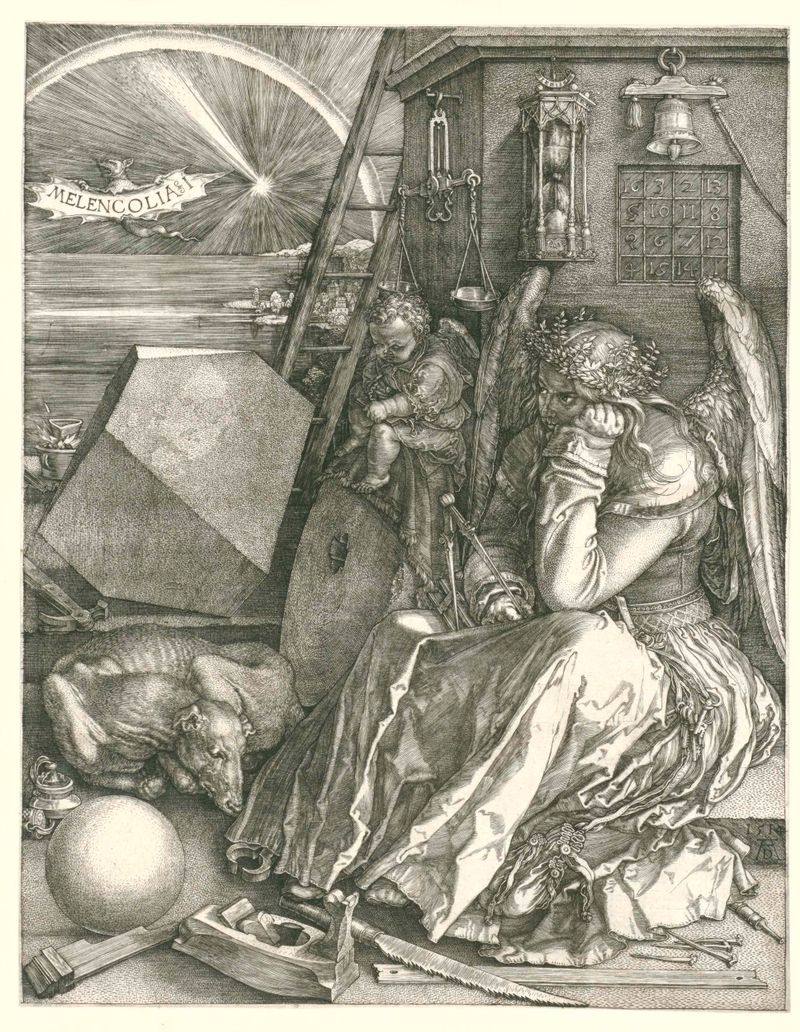
Melancholia
Albrecht Dürer
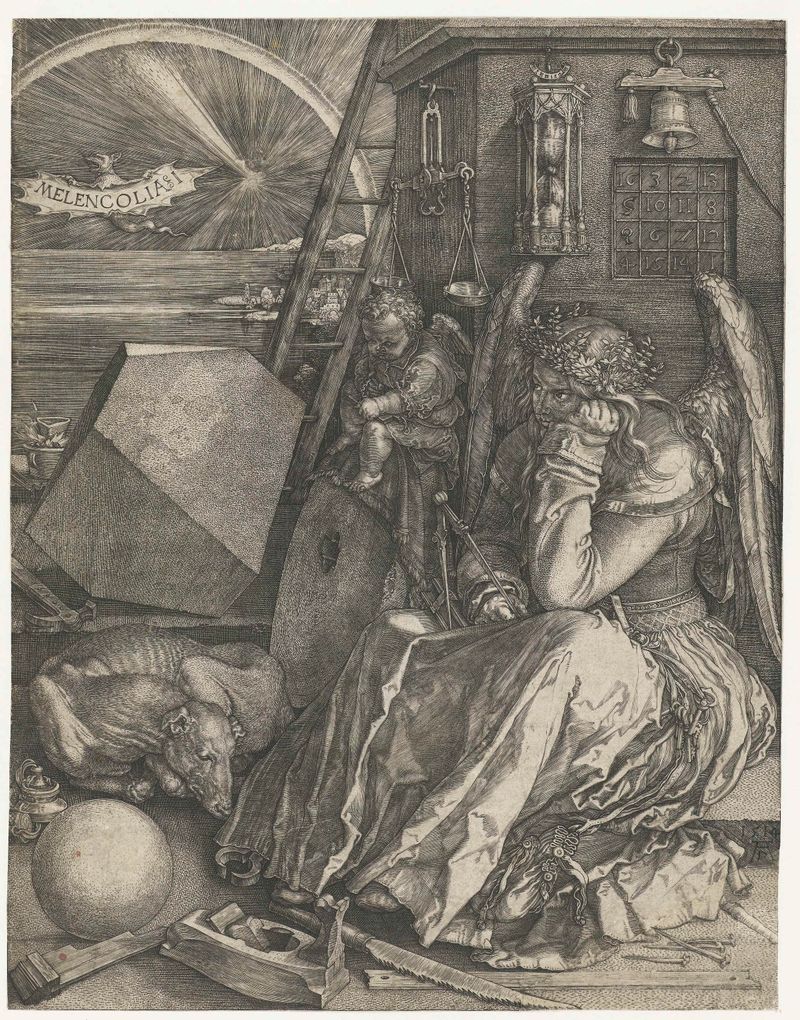
Melancholie
Albrecht Dürer

Neushoorn
Albrecht Dürer
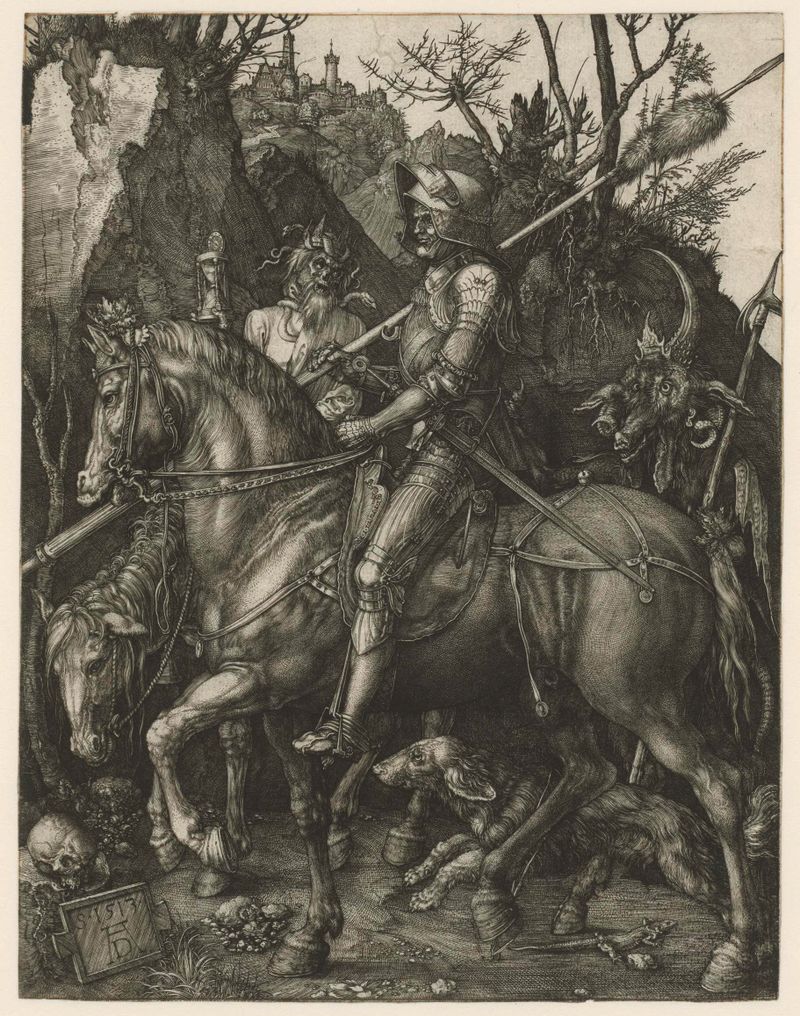
Knight, Death, and the Devil
Albrecht Dürer

De vier ruiters van de apocalyps
Albrecht Dürer

De vier ruiters van de apocalyps
Albrecht Dürer
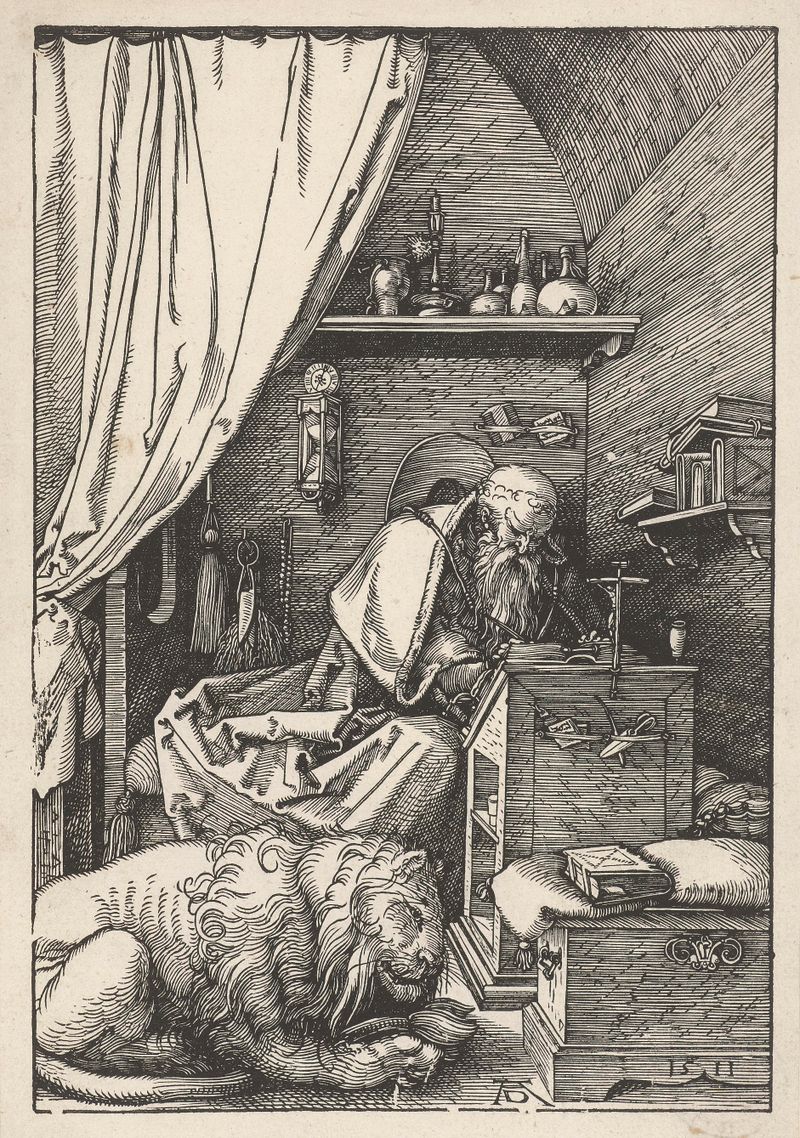
De Heilige Hiëronymus in zijn studeervertrek
Albrecht Dürer
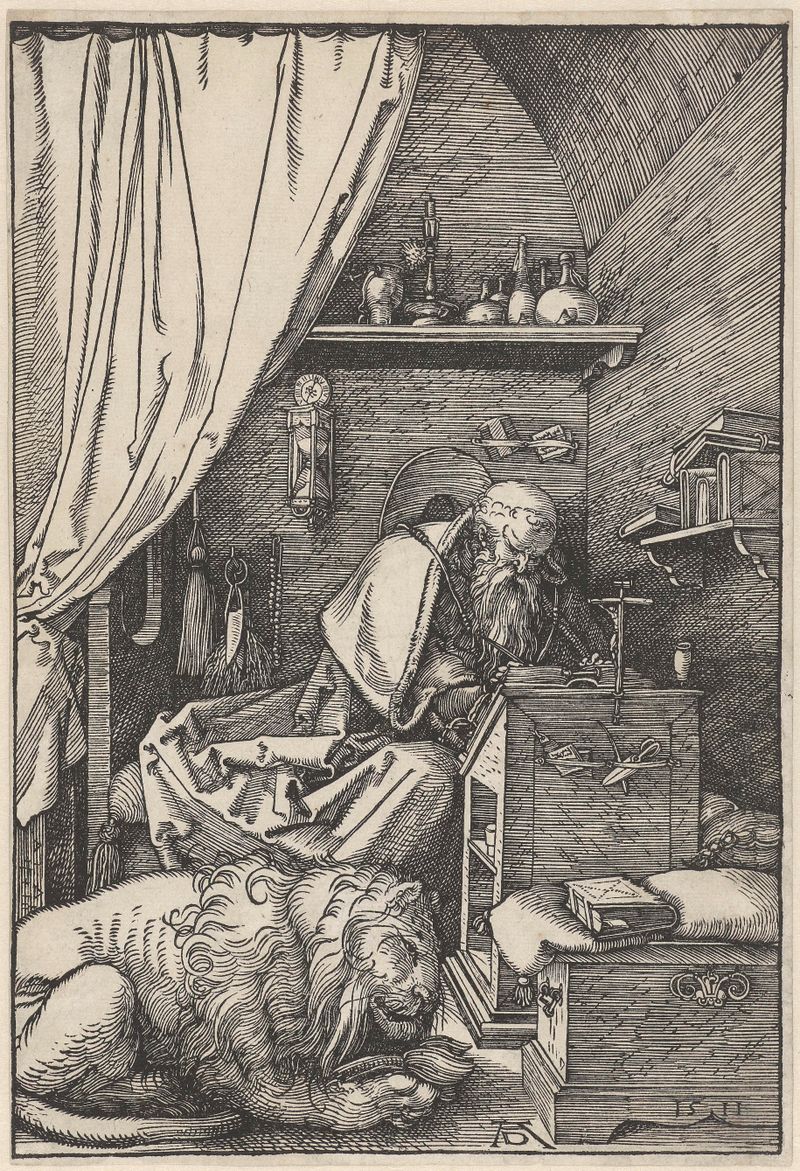
De Heilige Hiëronymus in zijn studeervertrek
Albrecht Dürer
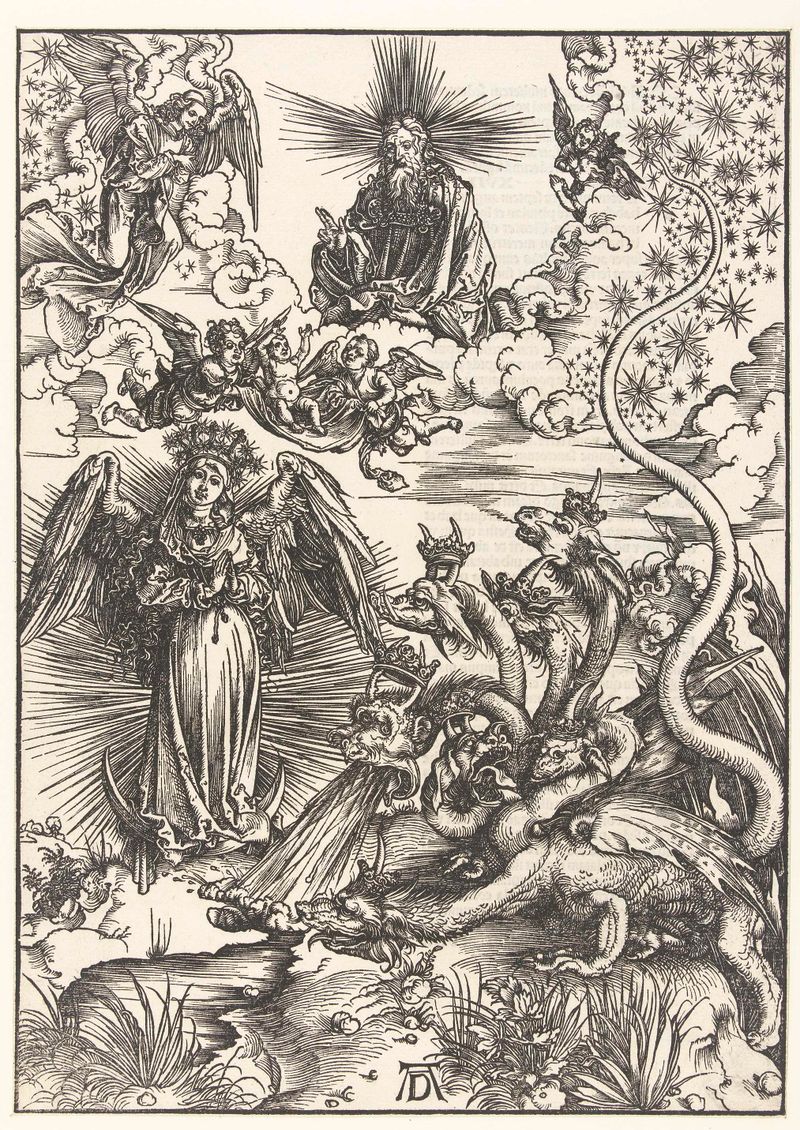
De apocalyptische vrouw en de zevenkoppige draak
Albrecht Dürer
Adam en Eva
Albrecht Dürer