
De Speel- en Wijnduivel — History & Facts
What lies beneath the surface of our desires? In De Speel- en Wijnduivel, the viewer is invited to confront an intricately woven narrative of indulgence and longing. Focus on the left side of the canvas where the playful figures engage in merriment, their bodies entwined in a dance of revelry. Notice how the contrasting colors of their vibrant attire pop against the muted background, drawing the eye to expressions of joy and abandon. The masterful use of light highlights their faces, illuminating the glee that masks a deeper yearning beneath the surface. Yet, amidst the exuberance, tension simmers.
The devilish figure lurking in the background compels us to ponder the price of such pleasures. Here, the playful chaos is juxtaposed with an unsettling sense of moral consequence. The interplay of light and shadow reveals not only the vibrancy of life but also hints at the darker undercurrents of temptation and regret, suggesting that our pursuits may come with hidden costs. Cornelis Anthonisz.
painted this work between 1535 and 1553 during a time of heightened interest in moral themes within art. Living in the Netherlands, he found himself influenced by the burgeoning Renaissance movement that sought to reconcile human pleasure with ethical considerations. The painting reflects both a cultural moment and personal exploration, capturing the essence of an era grappling with the duality of human experience.
More Artworks by Cornelis Anthonisz.
Browse all →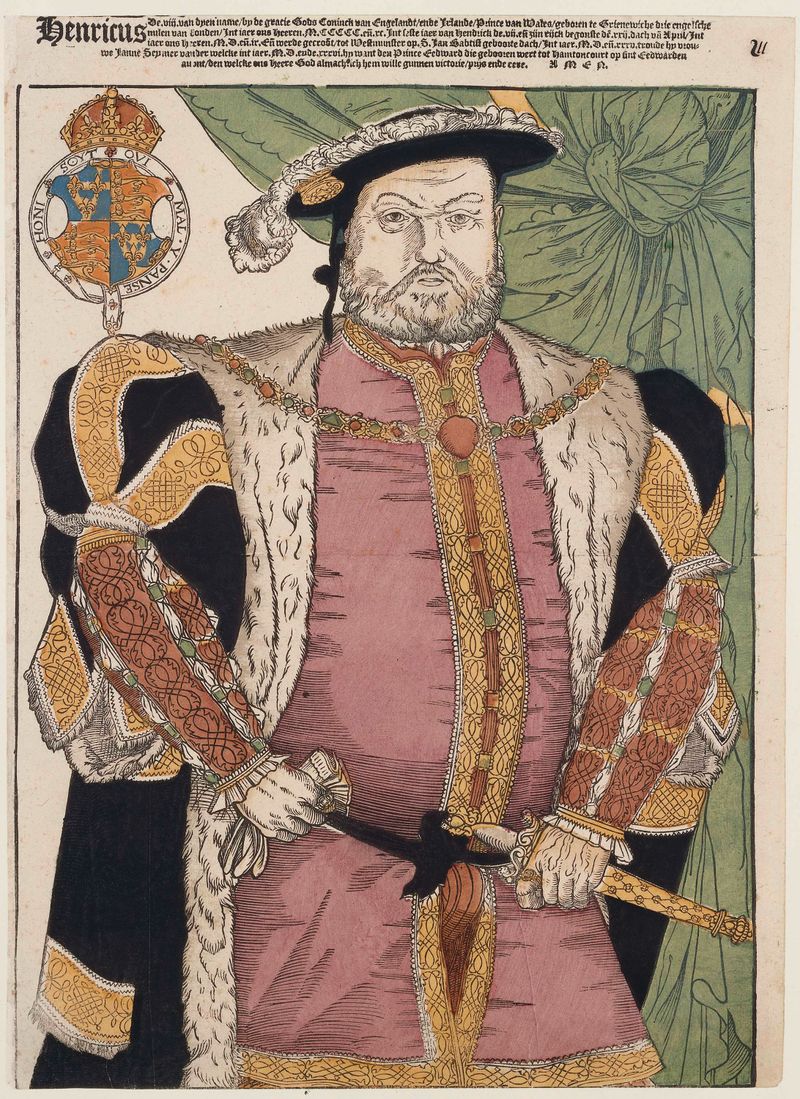
Portret van Hendrik VIII van Engeland
Cornelis Anthonisz.

Portret van Hendrik VIII van Engeland
Cornelis Anthonisz.

Portret van Maarten van Rossum te paard
Cornelis Anthonisz.
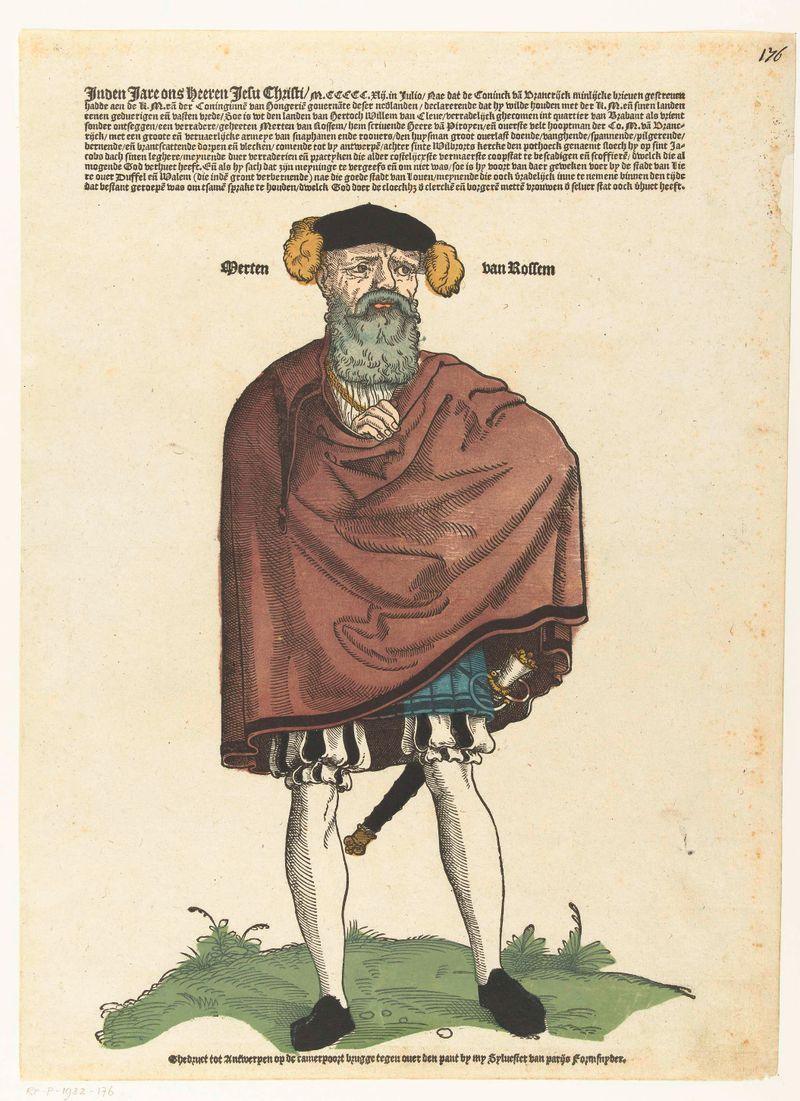
Portret van Maarten van Rossum
Cornelis Anthonisz.

De verloren zoon eet uit de varkenstrog
Cornelis Anthonisz.
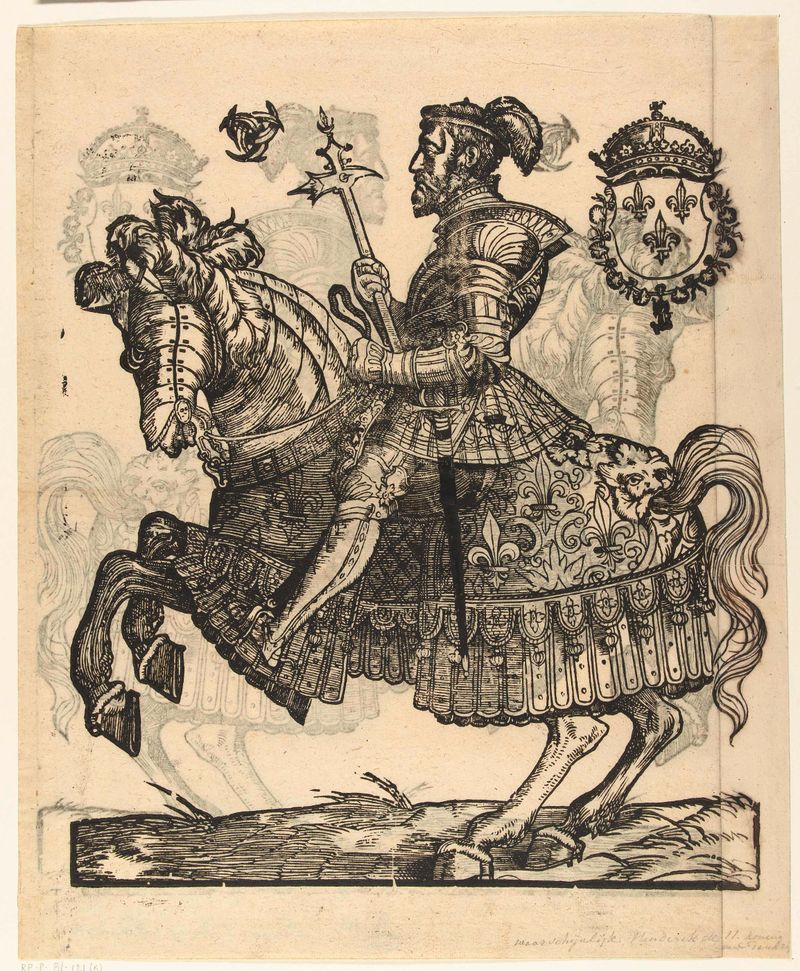
Portret van Hendrik II van Frankrijk te paard
Cornelis Anthonisz.

Portret van hertog Willem van Kleef, Gulik en Berg, graaf van Mark, heer van Ravenstein te paard
Cornelis Anthonisz.

Portret van Karel V te paard
Cornelis Anthonisz.

Portret van Maria van Hongarije te paard
Cornelis Anthonisz.
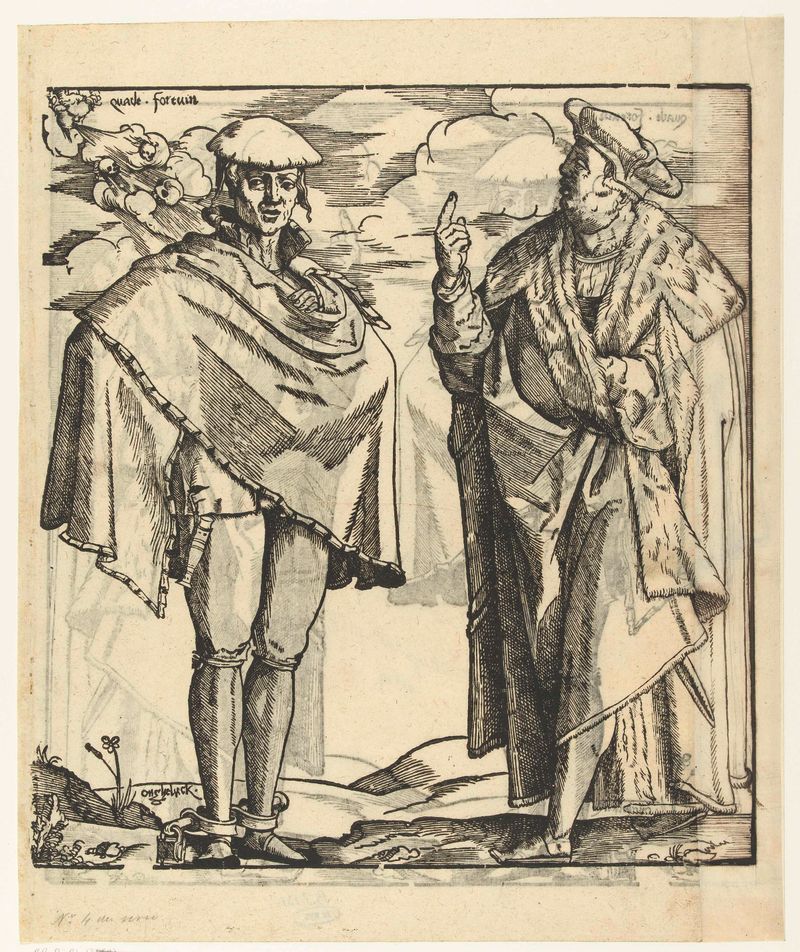
De lichtzinnige jeugd
Cornelis Anthonisz.





