De trap des levens — History & Facts
Could a single brushstroke hold eternity? In De trap des levens, the interplay between light and shadow reveals profound truths about existence, urging us to peer deeper into the human condition. Look to the center where the staircase spirals upward, a poignant metaphor for life’s journey. The meticulous details of each step draw the viewer’s eye, leading us through an intricate composition filled with figures that animate the scene. Notice how the warm glow of the light cascades down the staircase, illuminating parts while casting others into shadow, creating a sense of depth and movement that evokes both aspiration and trepidation. The characters within the painting embody various stages of life, their gestures telling stories of struggle, joy, and introspection.
The contrast between the vibrant hues of youth and the muted tones of age amplifies the inevitable passage of time. In their expressions and postures, we find not just individuals but archetypes—each face reflecting the revelations that life unfolds, from innocence to wisdom, sorrow to enlightenment. Cornelis Anthonisz. created this work between 1545 and 1553, during a period when Northern European art was evolving, influenced by humanism and a growing interest in the complexities of human experience.
Living in Amsterdam, the artist was part of a vibrant artistic community, navigating the shift from medieval traditions to Renaissance ideals. This backdrop of intellectual and artistic transformation likely informed his exploration of life's depths, creatively depicting the human ascent through trials and triumphs.
More Artworks by Cornelis Anthonisz.
Browse all →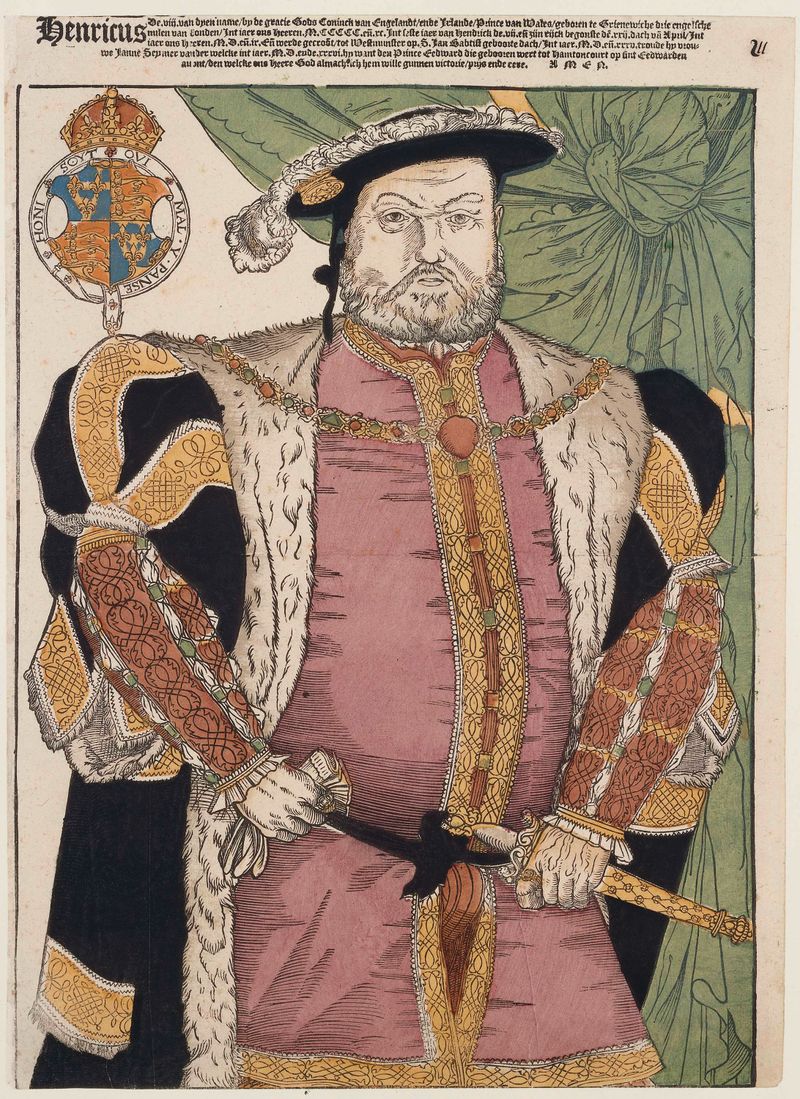
Portret van Hendrik VIII van Engeland
Cornelis Anthonisz.

Portret van Hendrik VIII van Engeland
Cornelis Anthonisz.

Portret van Maarten van Rossum te paard
Cornelis Anthonisz.
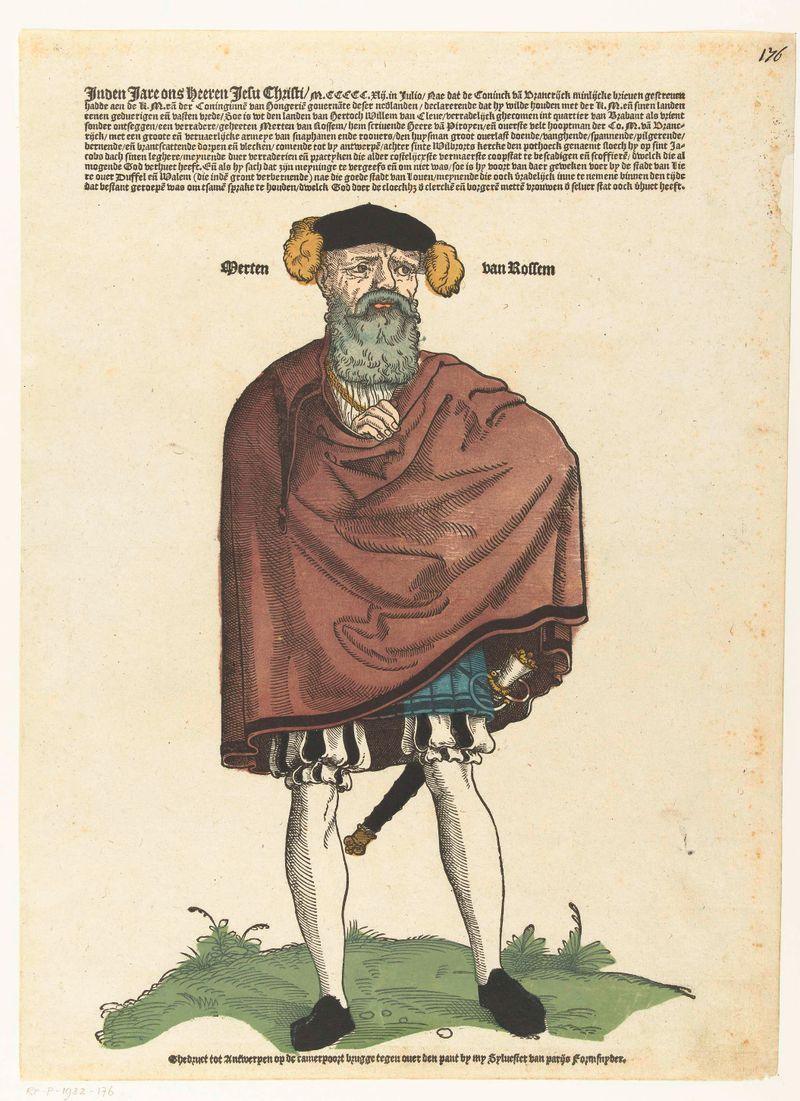
Portret van Maarten van Rossum
Cornelis Anthonisz.

De verloren zoon eet uit de varkenstrog
Cornelis Anthonisz.
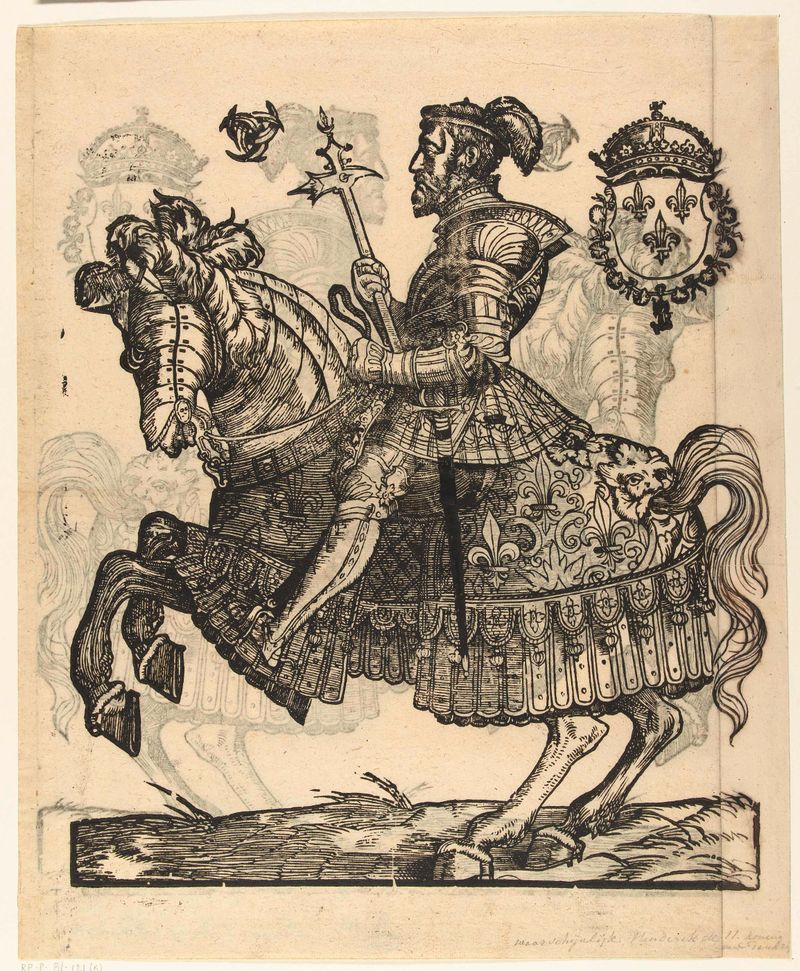
Portret van Hendrik II van Frankrijk te paard
Cornelis Anthonisz.

Portret van hertog Willem van Kleef, Gulik en Berg, graaf van Mark, heer van Ravenstein te paard
Cornelis Anthonisz.

Portret van Karel V te paard
Cornelis Anthonisz.

Portret van Maria van Hongarije te paard
Cornelis Anthonisz.
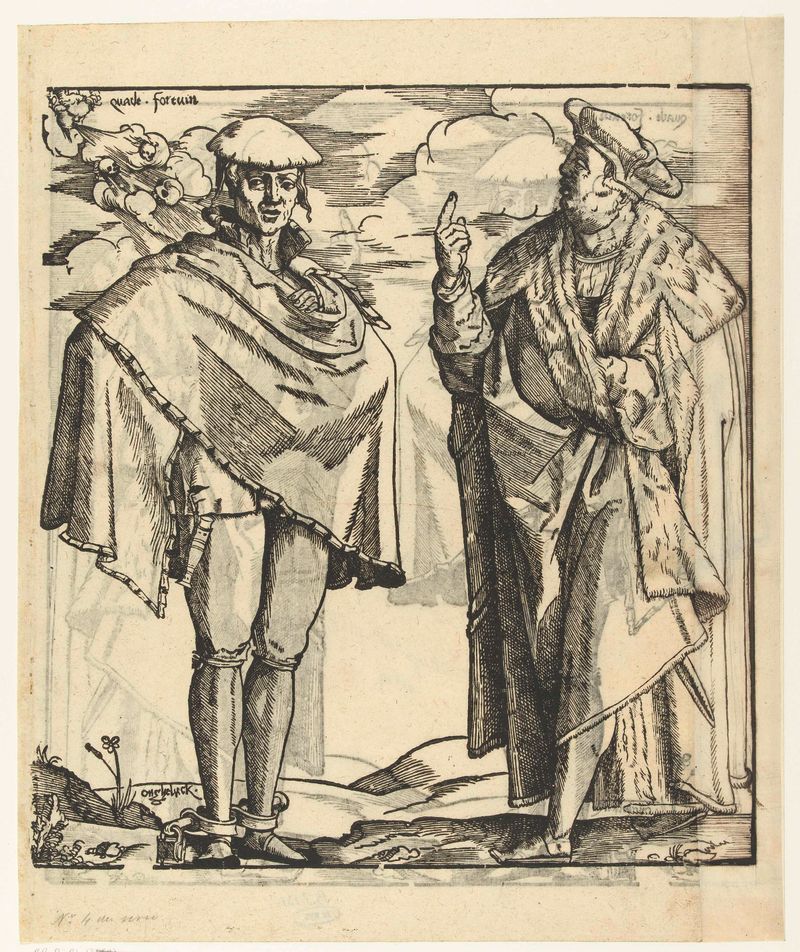
De lichtzinnige jeugd
Cornelis Anthonisz.