
De verkondiging en geboorte van Christus — History & Facts
Here, legacy intertwines with the ethereal, revealing stories that transcend time and space, echoing softly through the ages. Look to the center of the composition, where a radiant light spills over the figures of the Annunciation and the Nativity. The luminous glow envelops Mary, creating a divine aura that draws the viewer's gaze toward her. Notice how the rich, jewel-toned hues of deep blue and crimson contrast starkly with the muted backgrounds, emphasizing the sacredness of the moment.
Each character is meticulously rendered, showcasing the artist's skillful hand and attention to detail, inviting us to linger on the expressions of reverence and wonder. Beneath the surface, hidden meanings emerge in the juxtaposition of the mundane and the miraculous. The figures surrounding Mary, both angelic and human, suggest that divine events unfold within an earthly context, bridging the gap between heaven and humanity. The gentle gestures and tender glances shared among them reflect the weight of expectation and hope, hinting at a legacy that will ripple through generations.
The inclusion of everyday objects might signify the continuity of life, grounding the sacred narrative in real human experiences. Jacob Cornelisz van Oostsanen painted this significant work in 1520 in Amsterdam during a time of emerging Renaissance influences on Northern European art. As the Reformation began to take hold in Europe, artists were grappling with the balance between religious themes and humanist ideals. Van Oostsanen, an established figure in the burgeoning Dutch art scene, blended these elements, marking a pivotal moment in his career and the evolution of religious art in this period.
More Artworks by Jacob Cornelisz van Oostsanen
Browse all →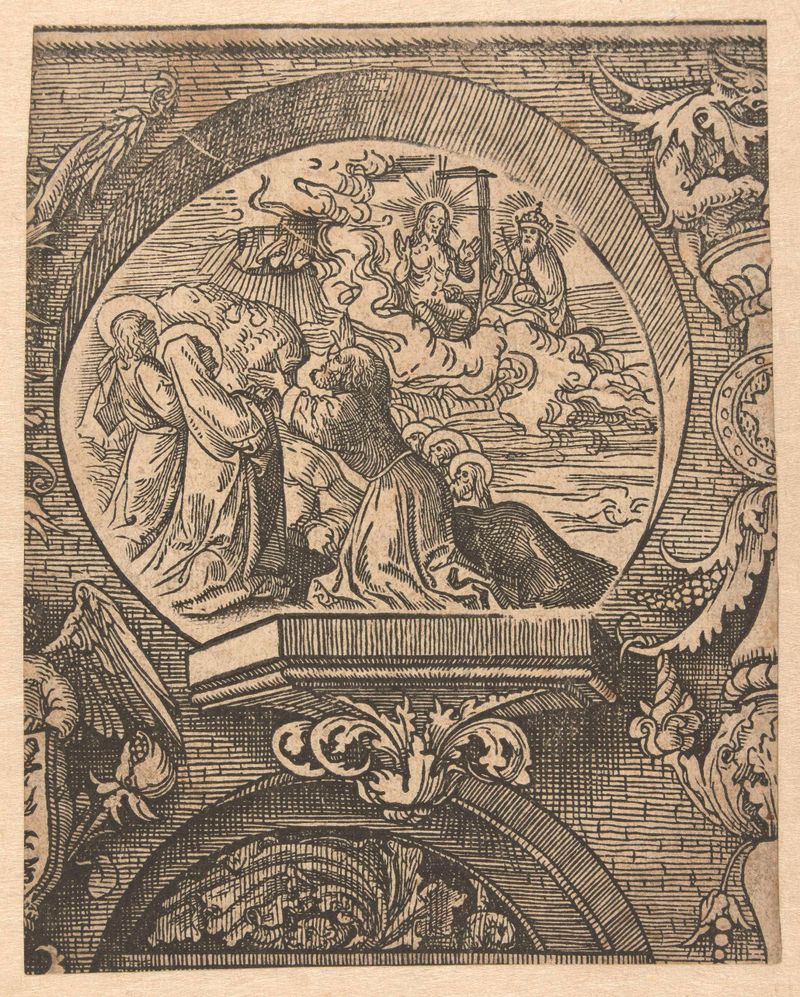
De hemelvaart en Christus voor God de Vader
Jacob Cornelisz van Oostsanen
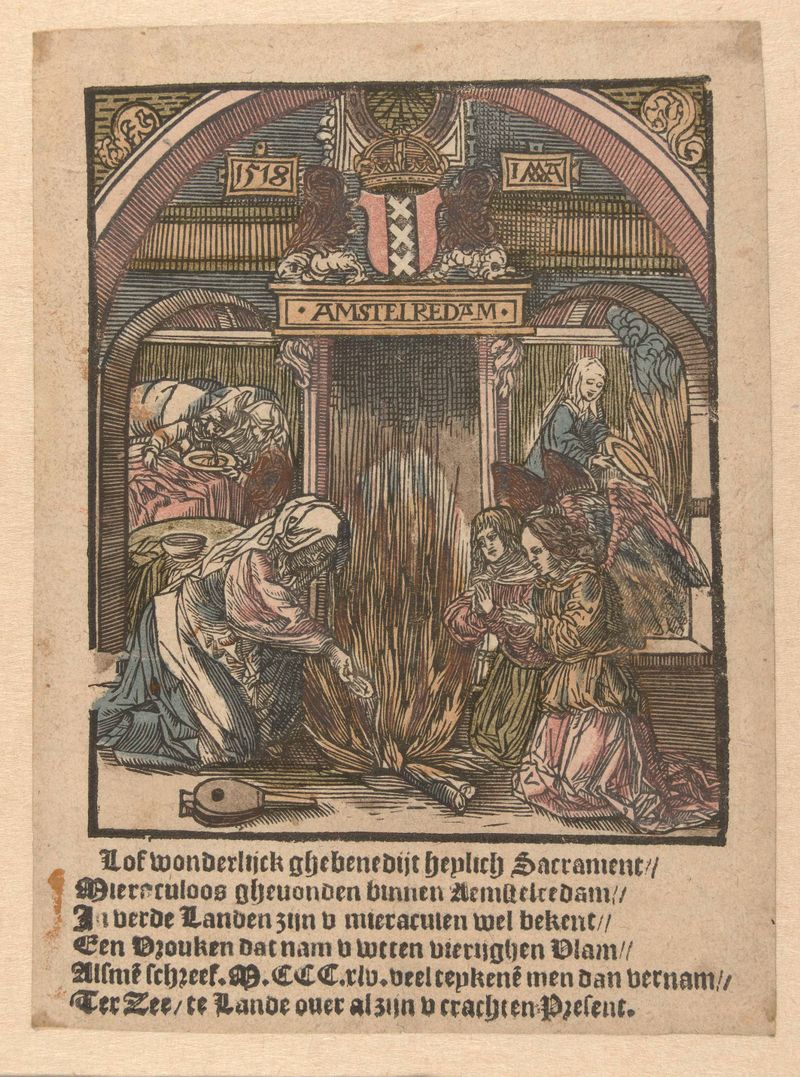
Het hostiewonder van Amsterdam
Jacob Cornelisz van Oostsanen
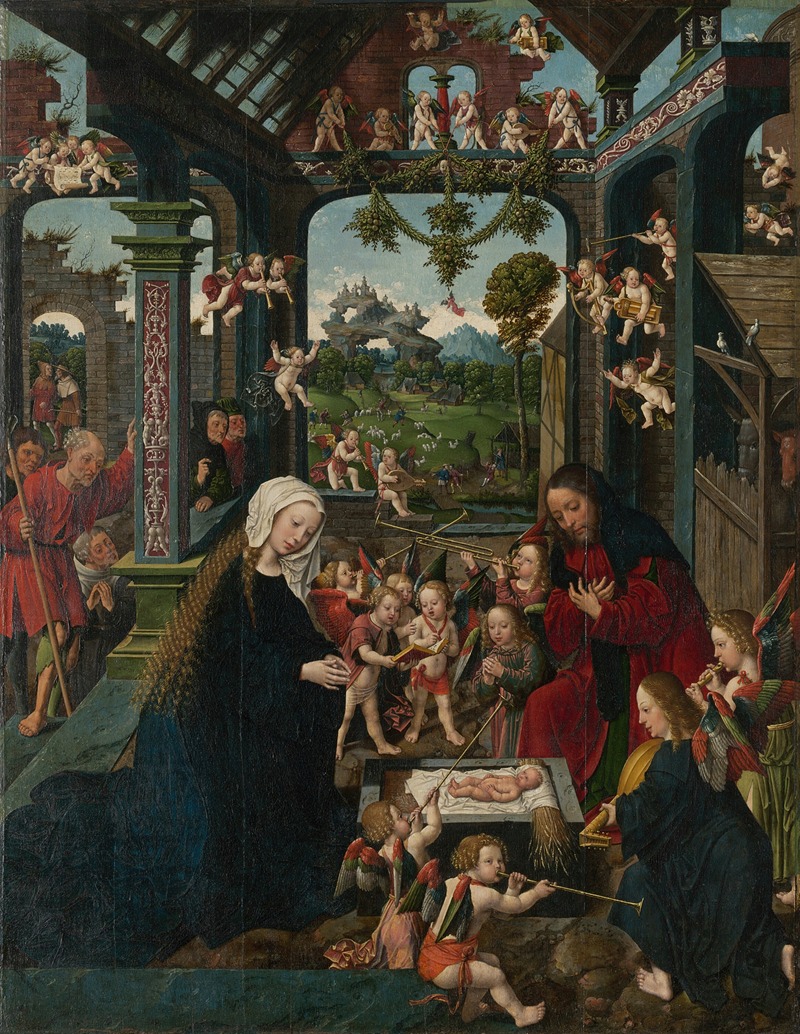
The Adoration of the Christ Child
Jacob Cornelisz van Oostsanen
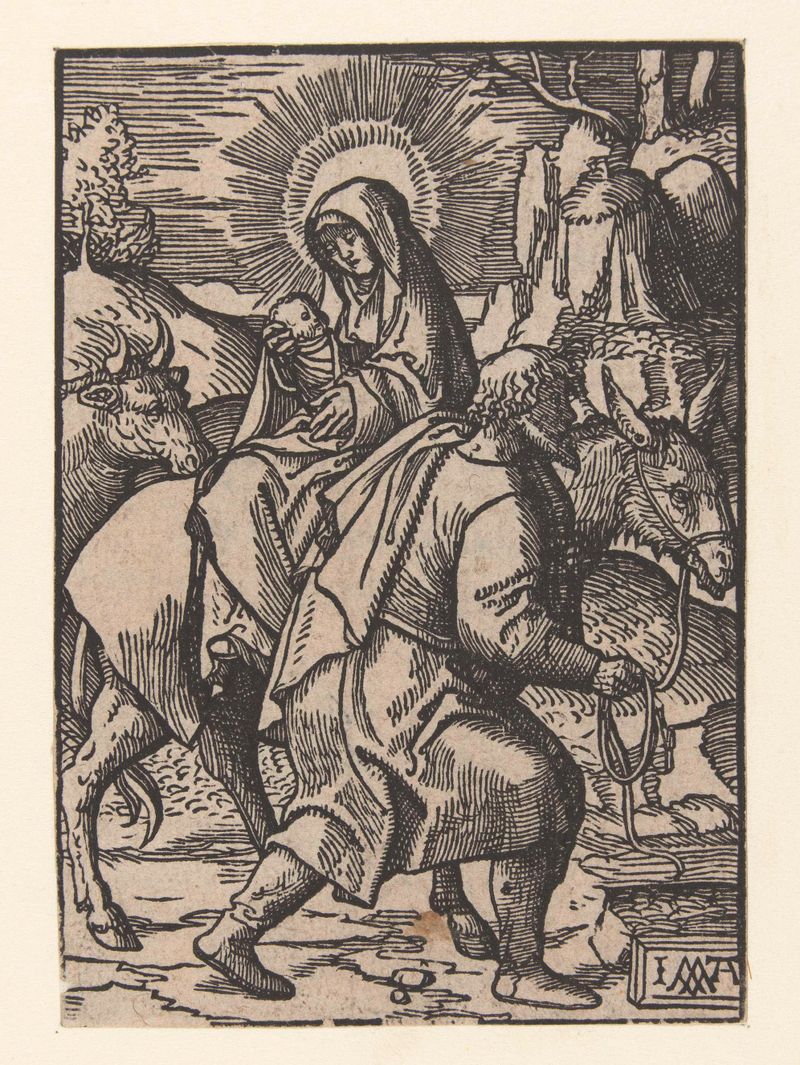
Vlucht naar Egypte
Jacob Cornelisz van Oostsanen
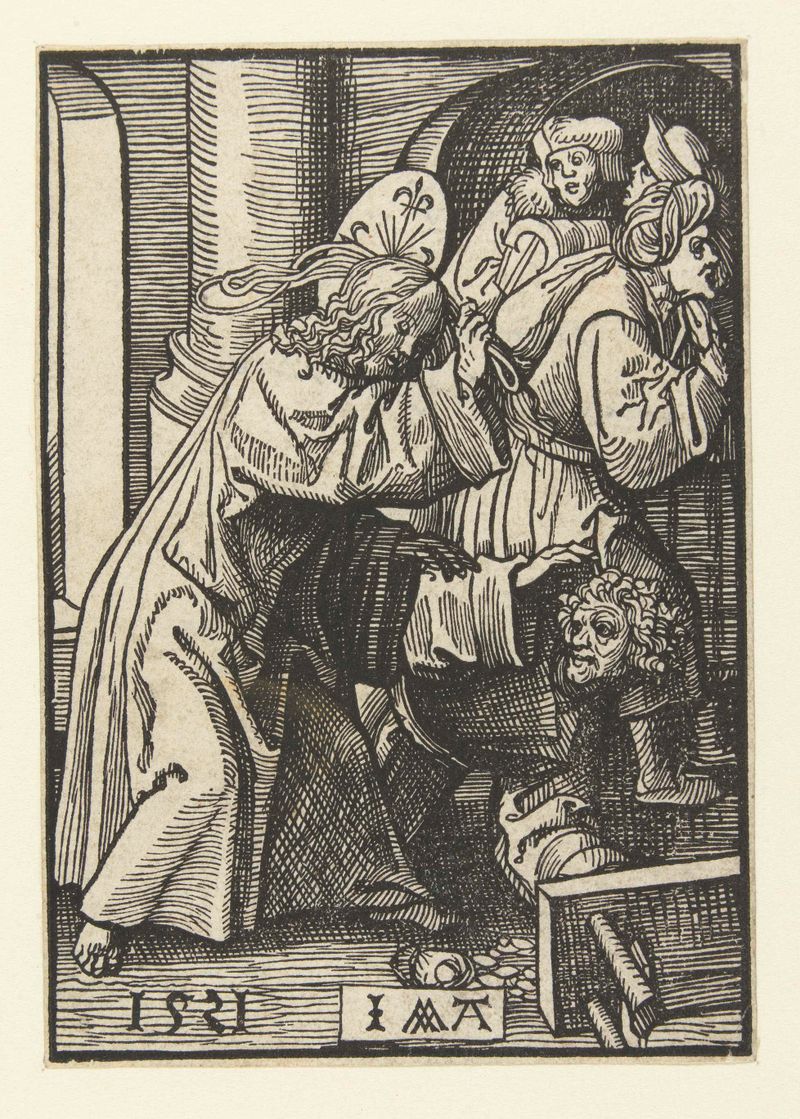
Verdrijving van de handelaren uit de tempel
Jacob Cornelisz van Oostsanen
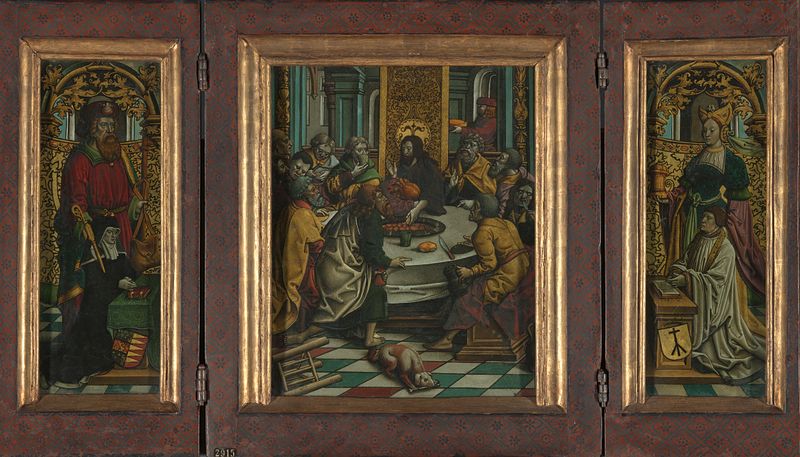
Triptych with the Last Supper and Donors
Jacob Cornelisz van Oostsanen
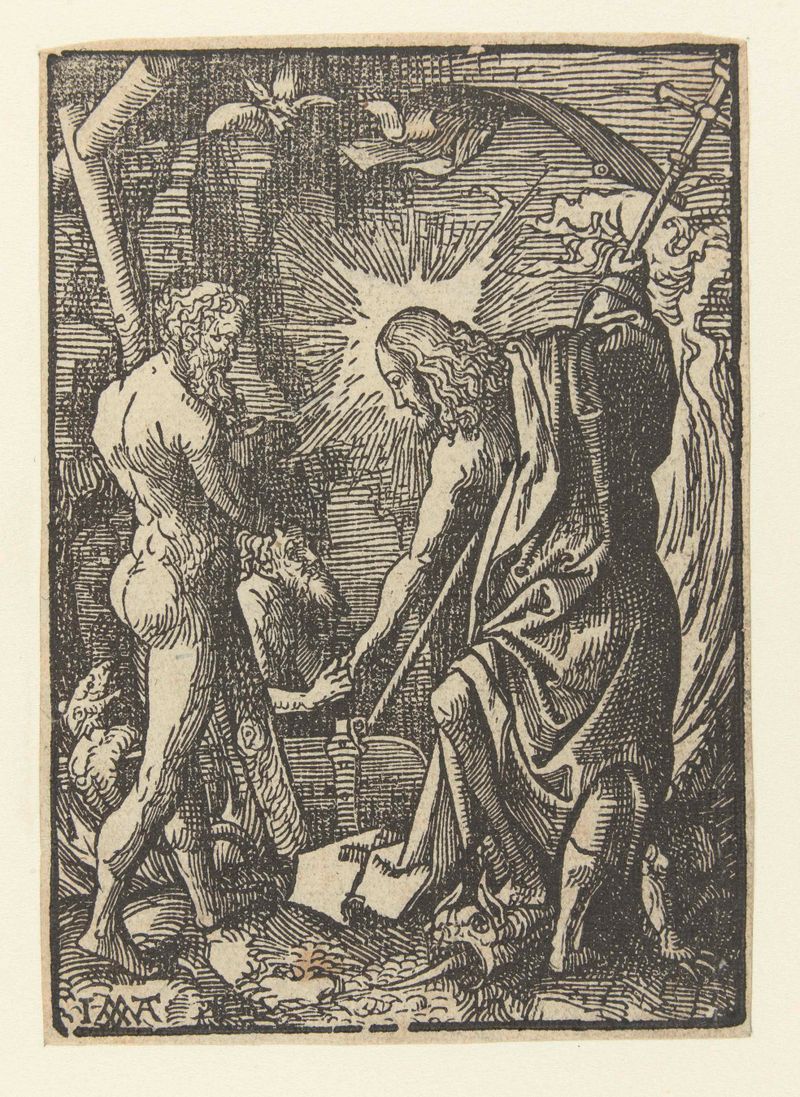
Christus in het voorgeborchte
Jacob Cornelisz van Oostsanen
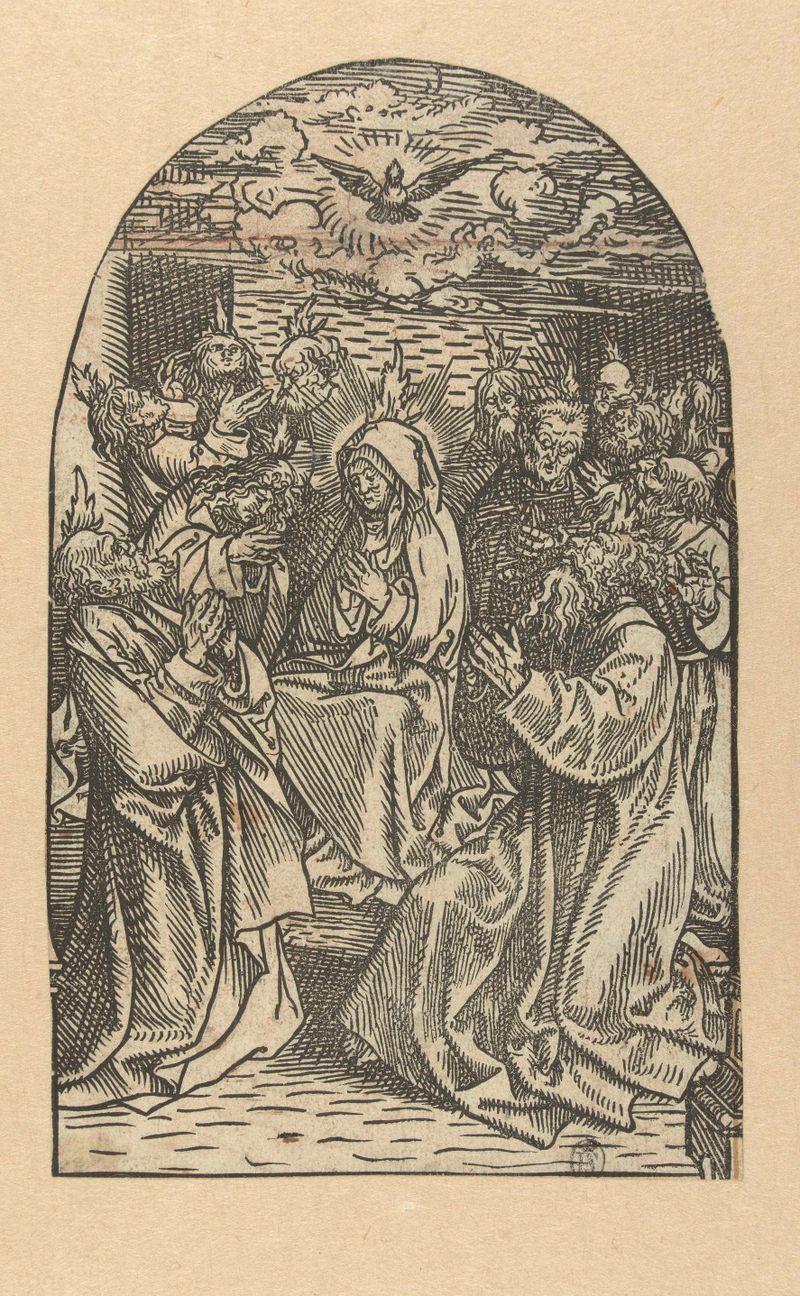
Uitstorting van de Heilige Geest
Jacob Cornelisz van Oostsanen
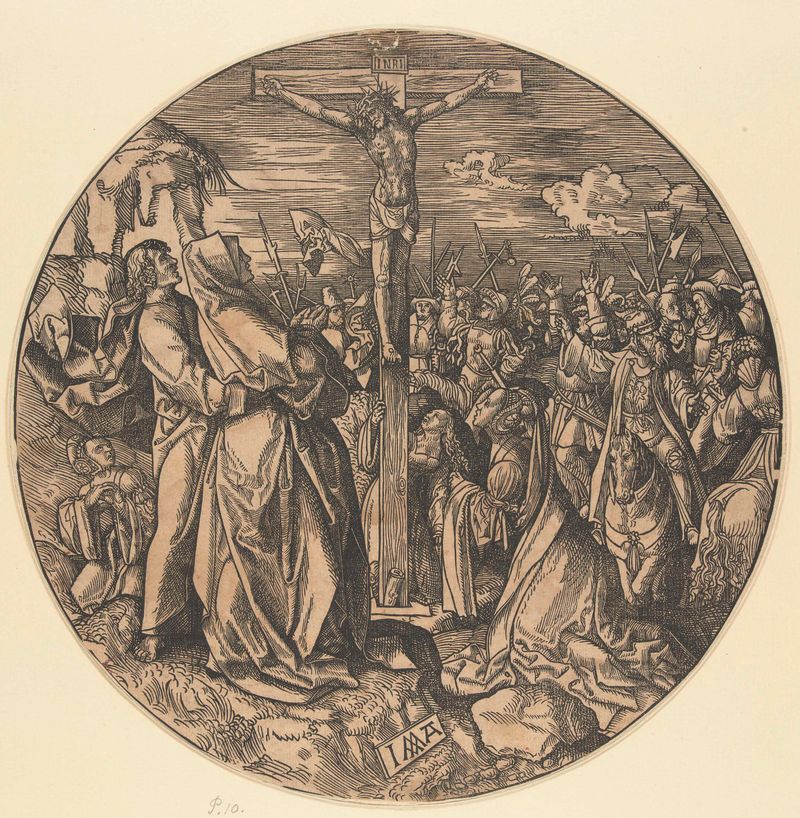
Christus aan het kruis
Jacob Cornelisz van Oostsanen

De kruisiging en de graflegging van Christus
Jacob Cornelisz van Oostsanen
More Religious Art
Browse all →
The Return of the Prodigal Son
Rembrandt van Rijn

The Garden of Earthly Delights
El Bosco

Count Orgaz’ funeral
El Greco

The Hundred Guilder Print: the central piece with Christ preaching, the plate arched
Rembrandt van Rijn

The Descent from the Cross
Rogier van der Weyden

The return of the prodigal son
Rembrandt van Rijn