
De Vliet — History & Facts
This thought lingers in the air, inviting us to explore the delicate interplay of emotions within the canvas. Look to the center of the composition, where a serene river glides gently, its surface reflecting a sky tinged with the soft hues of dusk. Notice how the painter’s brushstrokes evoke a sense of tranquility amid the water's slight ripples, which dance like whispers against the stillness. The edges of the canvas draw the eye toward the lush greenery that frames the scene, a vibrant contrast to the cool, calming blues of the water, enhancing the depth of the serene moment captured. Yet beneath the calm lies an undercurrent of tension.
The juxtaposition of the tranquil water and the encroaching darkness reminds us of life’s fleeting nature, where moments of peace are often tinged with uncertainty. Small details, such as the solitary figure on the riverbank, evoke feelings of isolation, suggesting that serenity can often be a facade, shielding the soul from deeper sorrows. Willem Adrianus Grondhout painted De Vliet during an era marked by changing artistic movements and societal upheaval. Between 1888 and 1934, he experienced the transition from impressionism to more modern techniques, reflecting a broader exploration of emotional depth in art.
This period, characterized by both personal challenges and broader historical shifts, shaped his work, infusing it with a poignant blend of beauty and melancholy.
More Artworks by Willem Adrianus Grondhout
Browse all →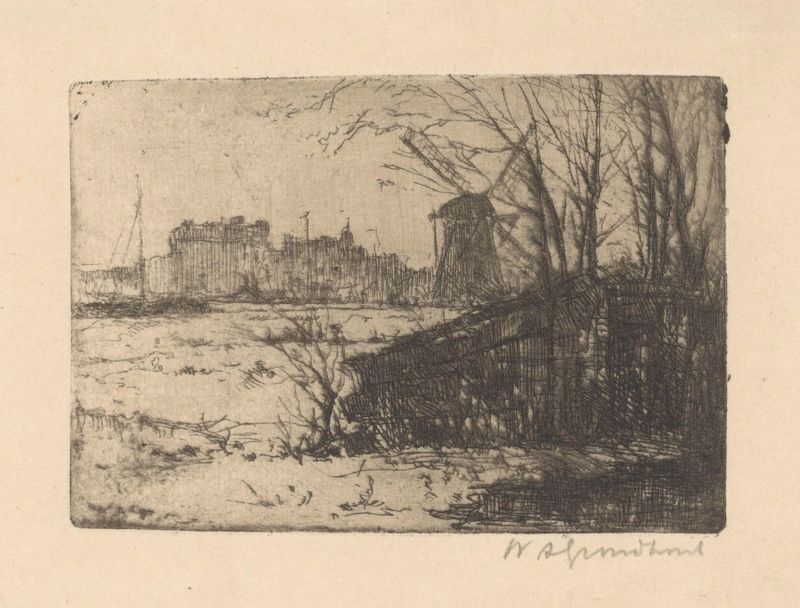
Landschap met molen in de Binckhorst in Den Haag
Willem Adrianus Grondhout
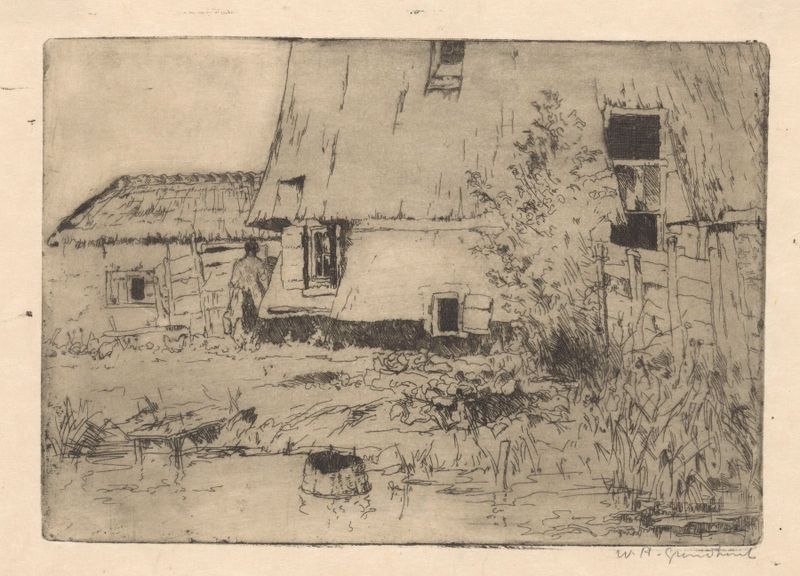
Voet van een molen in Voorburg
Willem Adrianus Grondhout
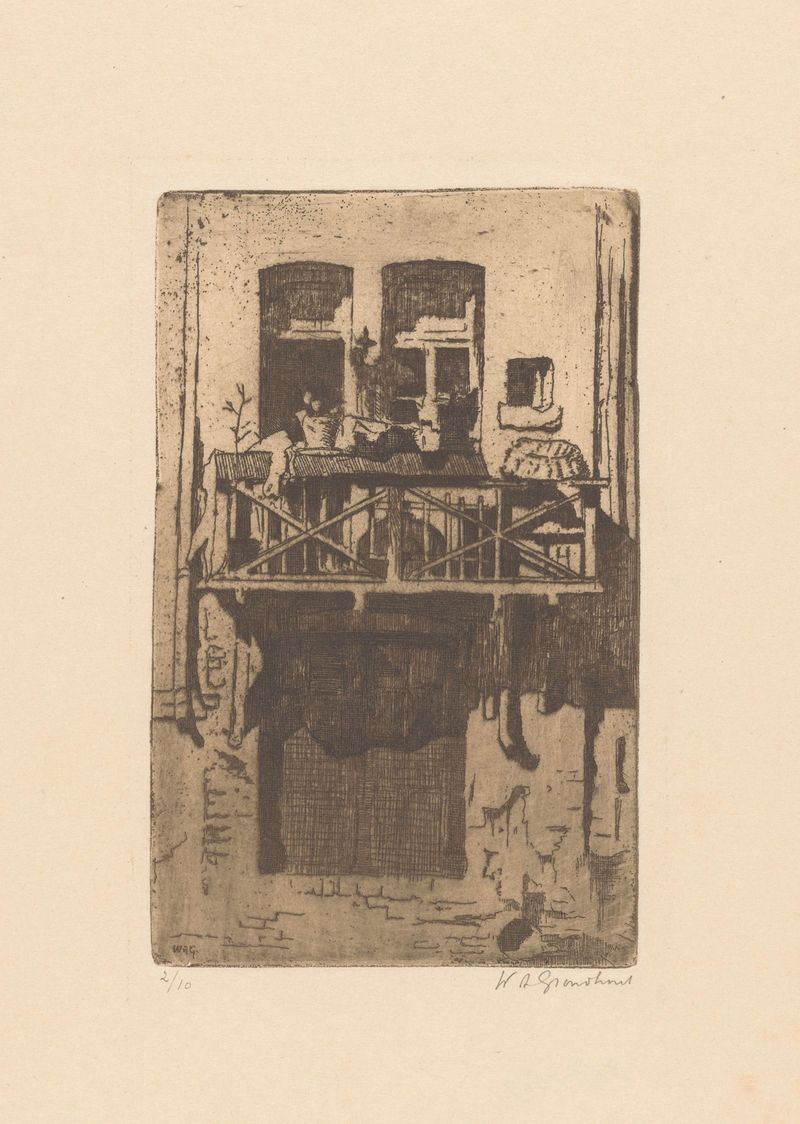
Balkon van een huis aan de Oudezijds Kolk in Amsterdam
Willem Adrianus Grondhout
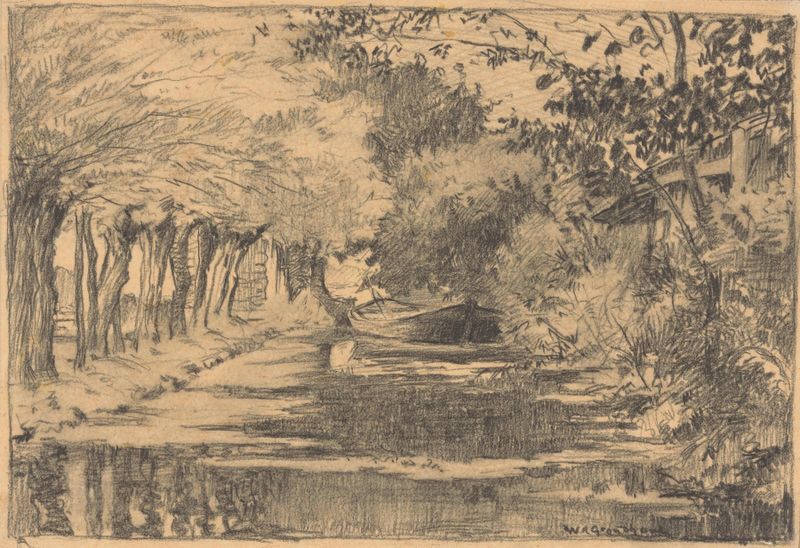
Broeksloot bij Voorburg
Willem Adrianus Grondhout
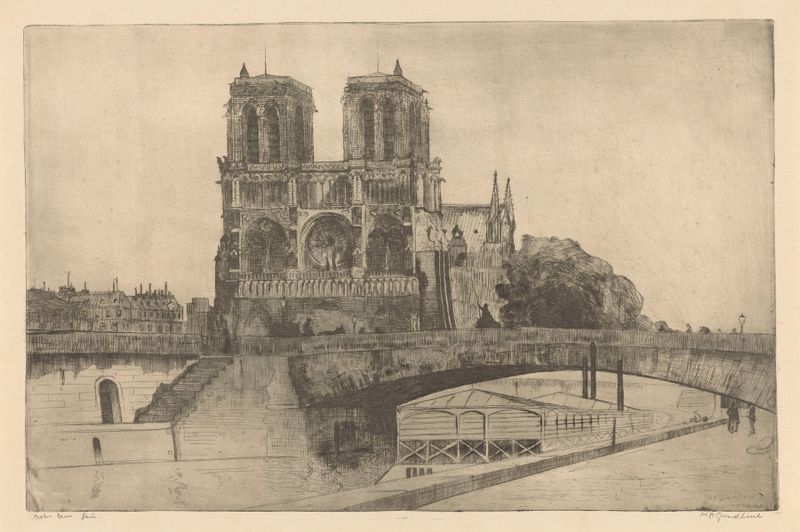
Notre-Dame, Paris
Willem Adrianus Grondhout
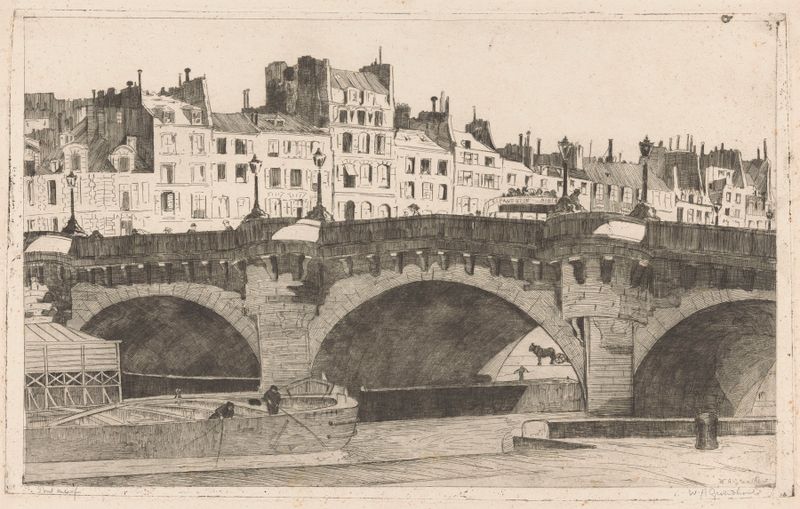
Pont Neuf
Willem Adrianus Grondhout
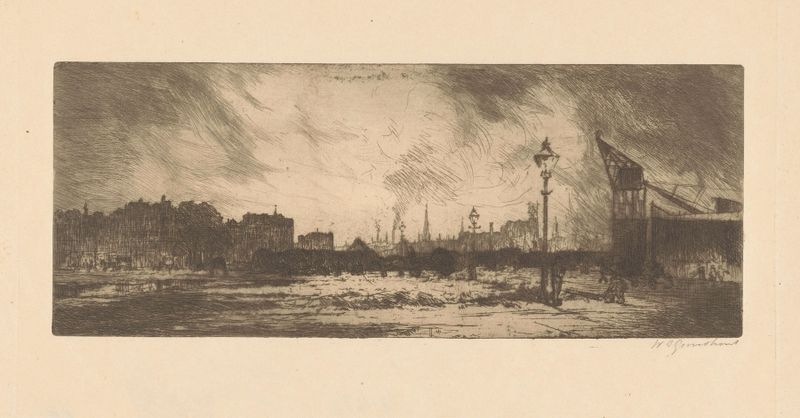
Havenkade met lantaarnpalen in Rotterdam
Willem Adrianus Grondhout
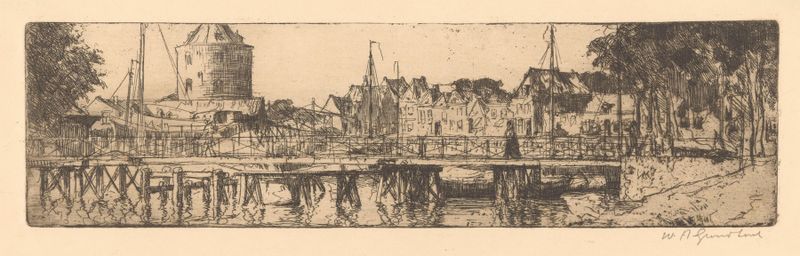
Enkhuizen
Willem Adrianus Grondhout
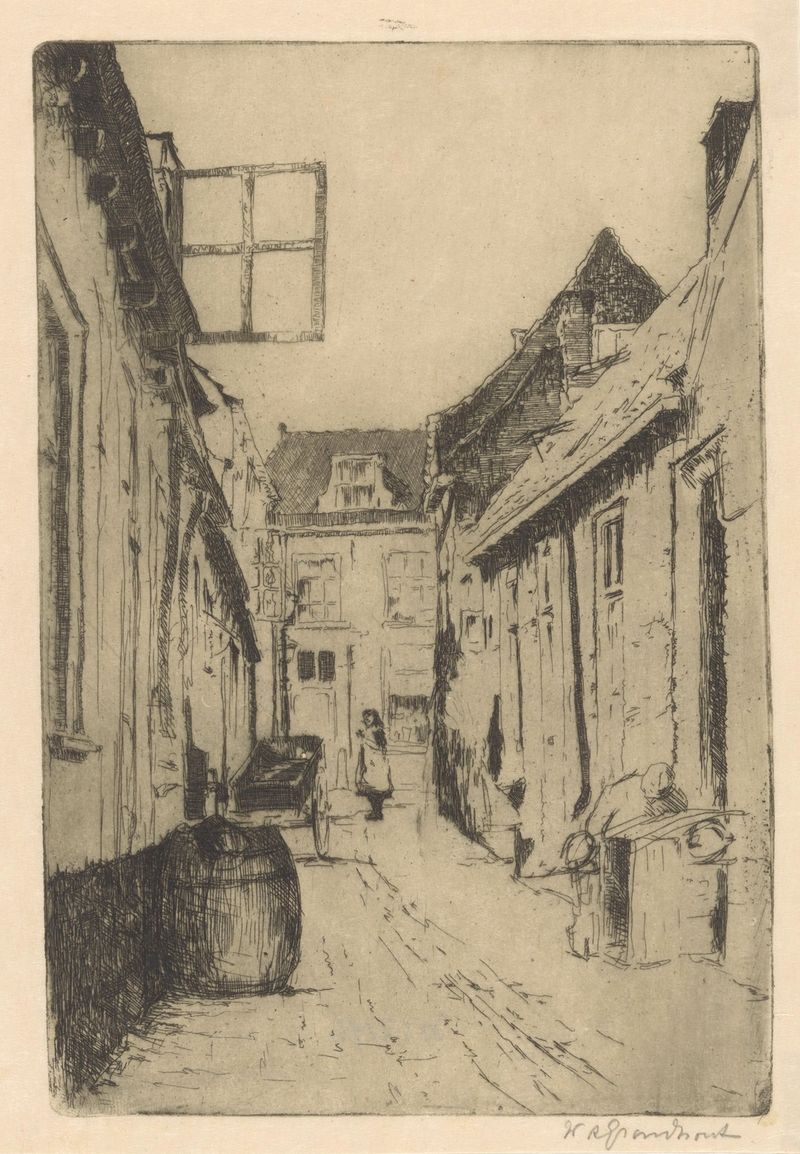
Straatje in Voorburg.
Willem Adrianus Grondhout
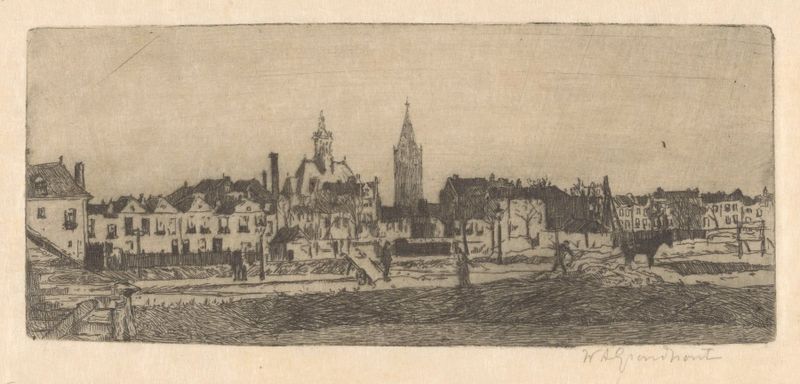
Delft
Willem Adrianus Grondhout





