De voerman en de Dood — History & Facts
Can paint confess what words never could? The haunting imagery of life intertwined with decay invites the viewer to grapple with mortality and the inevitable passage of time. Look to the center of the composition where a skeletal figure, the personification of Death, extends a bony hand toward the boatman. The delicate lines and intricate details characteristic of Hollar's etching technique beautifully capture the tension between the living and the dead. Notice how the somber palette of darks and pale shades evokes a sense of foreboding, enhancing the chill of the scene.
Each carefully rendered element, from the flowing water to the craggy landscape, draws us deeper into the story, blurring the lines between life and oblivion. As you explore further, consider the contrast between the boatman’s hesitant expression and the serene acceptance of Death. The figures are enveloped in a landscape that speaks of decay, yet there is a strange beauty in the stillness of the moment. The boatman represents humanity's struggle against the encroaching inevitability of his fate, while the spectral figure suggests a calm acceptance of what is to come.
This dichotomy raises questions about the nature of life and our relationship with mortality. Wenceslaus Hollar created this profound work around 1680, at a time when Europe was grappling with the remnants of war and societal upheaval. Living in the Netherlands and influenced by the Baroque style, he explored themes of life and death amidst a turbulent backdrop. This piece reflects both personal and collective anxieties of an era marked by uncertainty, capturing the essence of a world in which decay and life coexist.
More Artworks by Wenceslaus Hollar
Browse all →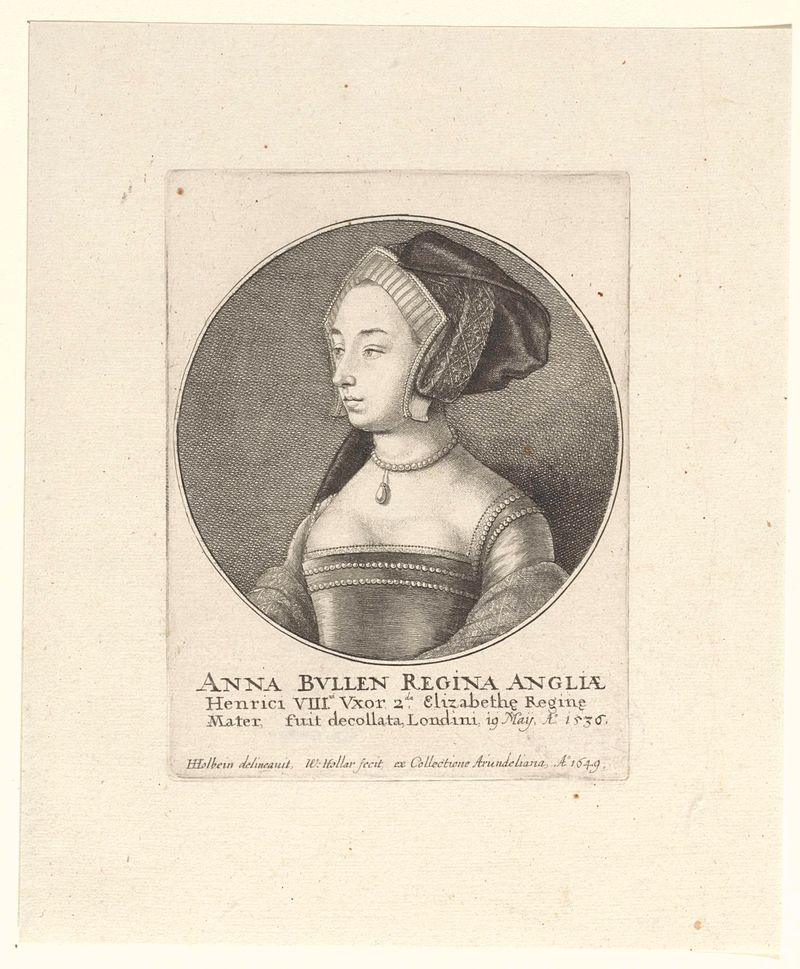
Portret van Anna Boleyn, koningin van Engeland
Wenceslaus Hollar
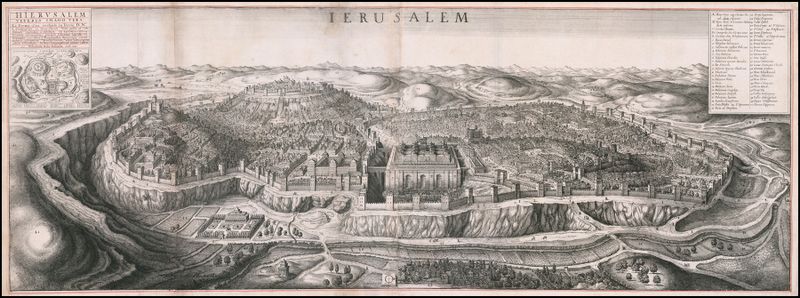
Bird’s eye view of Jerusalem
Wenceslaus Hollar
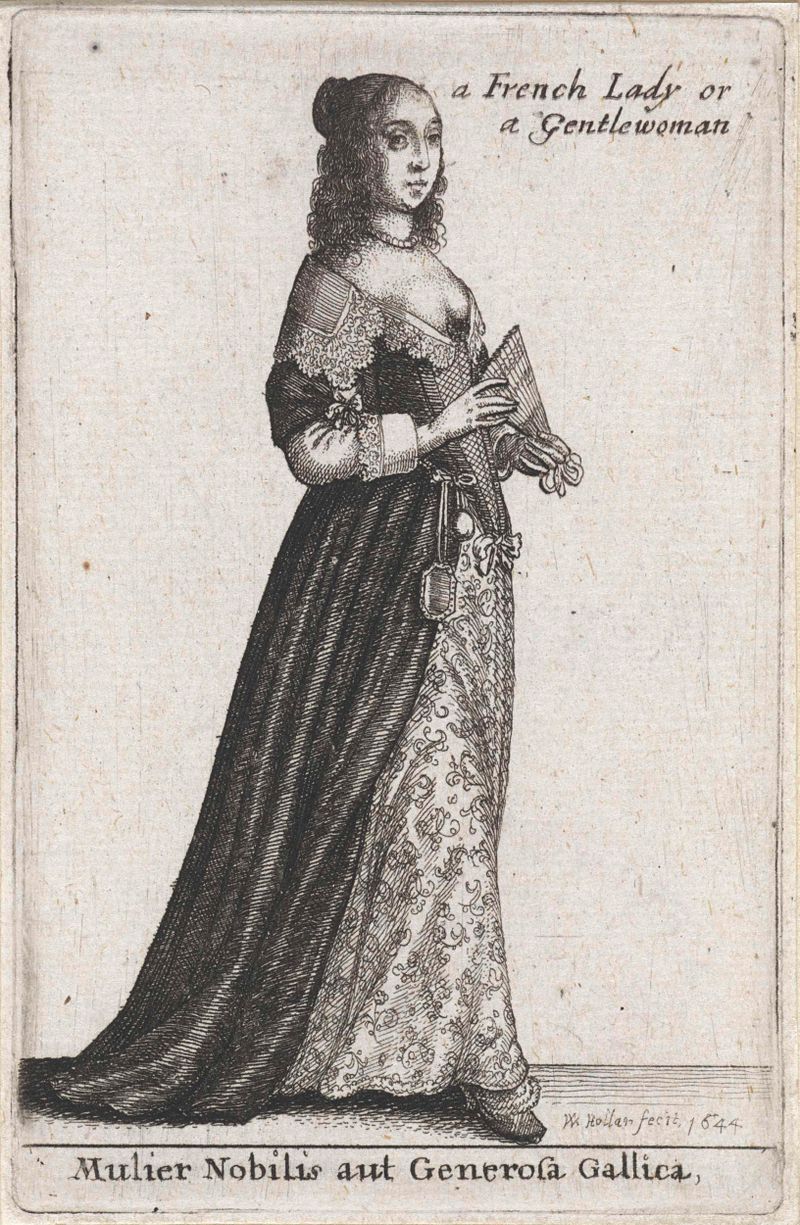
Mulier Nobilis aut Generosa Gallica / a French Lady or Gentlewoman
Wenceslaus Hollar
Titelprent voor: Ornatus Muliebris Anglicanus
Wenceslaus Hollar
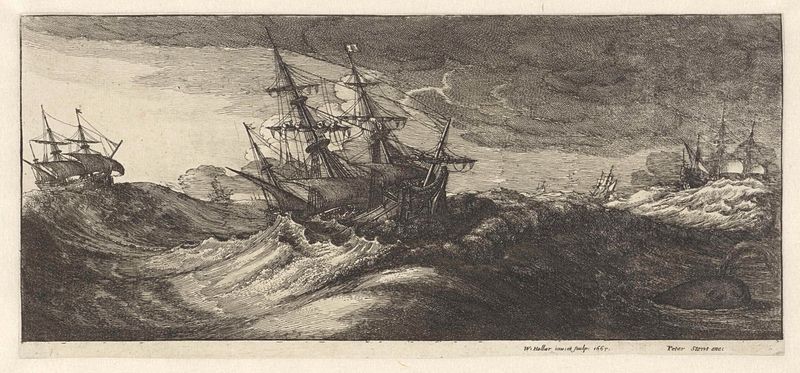
Oorlogsschepen en een walvis in een zeestorm
Wenceslaus Hollar
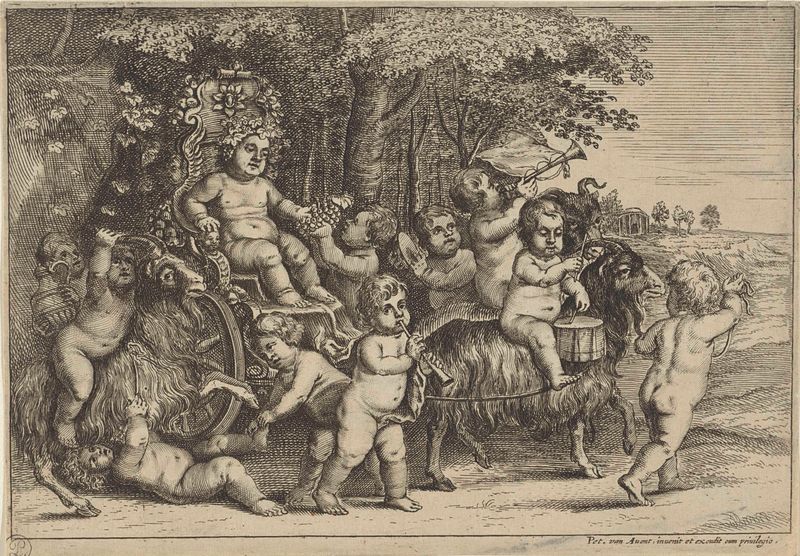
Optocht van bacchant en jongetjes op geiten
Wenceslaus Hollar
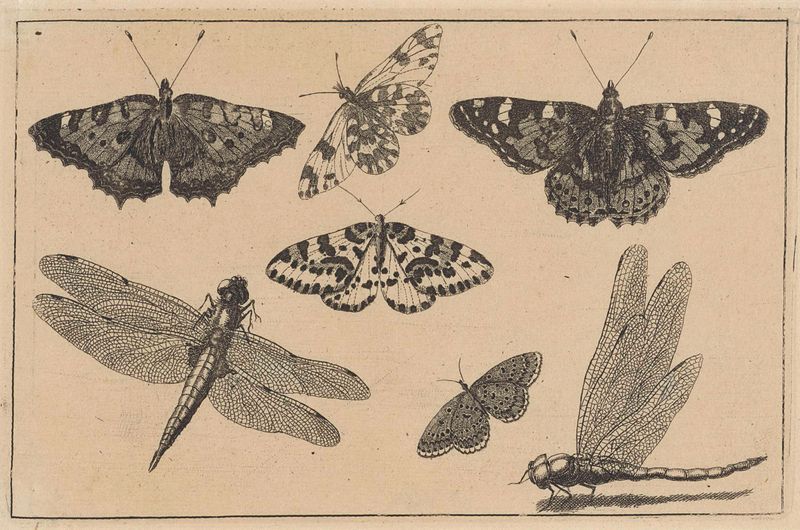
Twee libellen en vijf vlinders
Wenceslaus Hollar
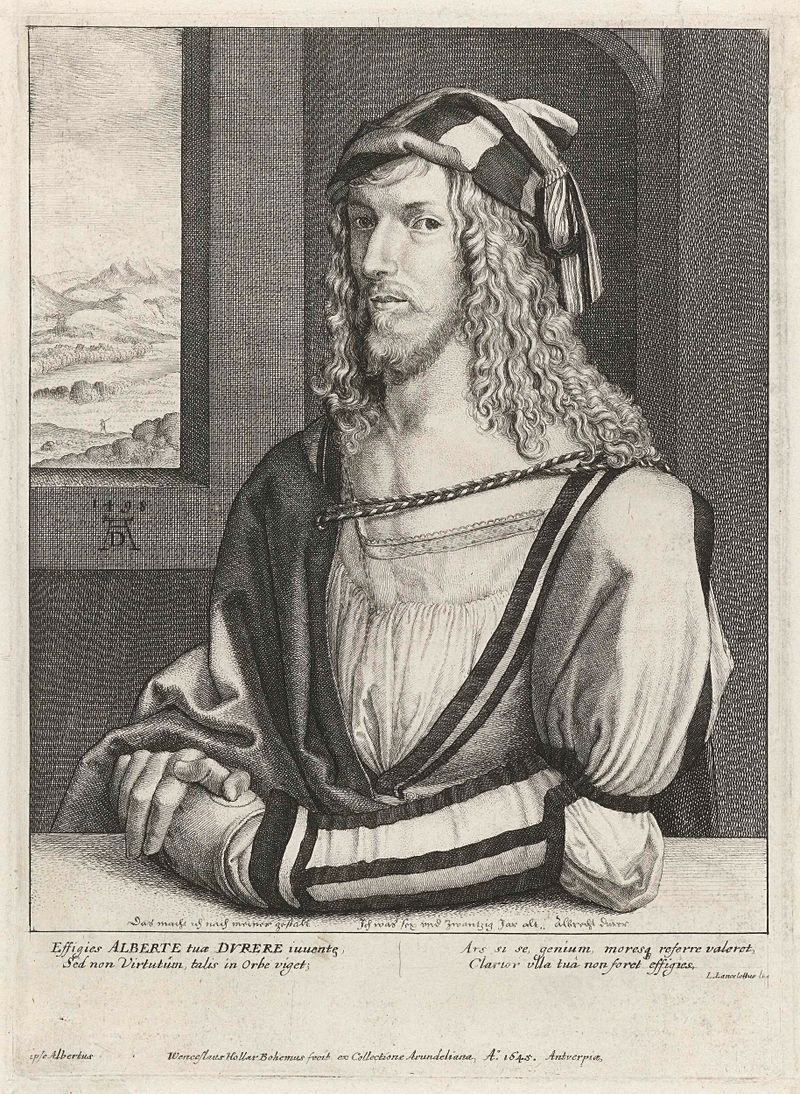
Portret van Albrecht Dürer
Wenceslaus Hollar
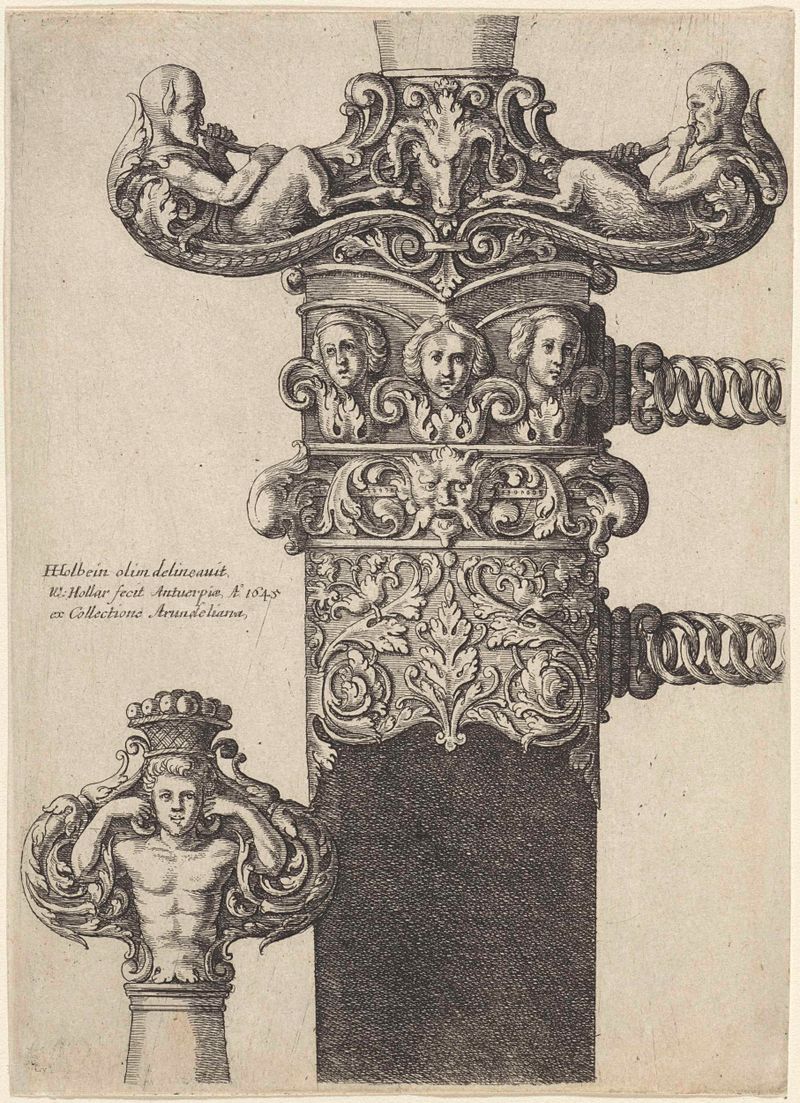
Ornamenteel ontwerp voor een dolk
Wenceslaus Hollar
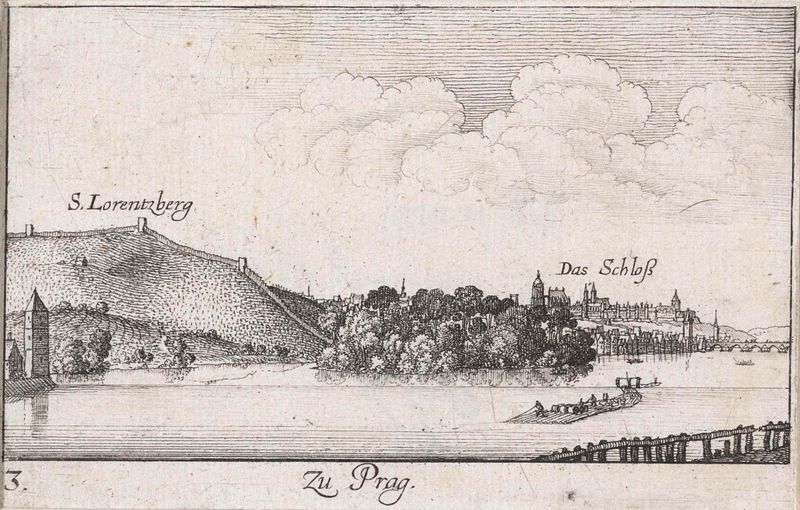
Gezicht op Praag vanaf de Moldau
Wenceslaus Hollar