De voerman en de Dood — History & Facts
What if silence could speak through light? In De voerman en de Dood, the stillness of the moment vibrates with an unspoken tension, drawing us into a narrative that lingers just beyond our grasp. Look to the center of the composition where a weary ferryman confronts a looming figure representing Death. The stark contrast between the dark, enveloping cloak of Death and the muted tones of the landscape emphasizes the gravity of their encounter. Pay attention to the ethereal light that softly illuminates the ferryman's face, capturing an expression of resignation mixed with defiance.
The delicate etching technique renders every detail exquisitely, from the folds of fabric to the ripples on the water, creating a sense of both realism and otherworldliness. Beneath the surface, this work reveals profound themes of mortality and existential dread. The figure of Death, both a fearsome presence and an inevitable companion, stands as a reminder of the fragility of life. The ferryman's steady gaze implies a reluctant acceptance of fate, hinting at the broader struggle of humanity in the face of existential challenges.
The quietness of the scene belies a revolutionary spirit, the tension between life and death echoing tumultuous societal shifts that were beginning to unfold in the artist's contemporary world. Wenceslaus Hollar created this piece in 1651 while residing in London, having fled the turmoil of the Thirty Years' War in his native Bohemia. The mid-17th century was a time of great upheaval in Europe, marked by conflicts that would reshape borders and beliefs. Hollar's work reflects not only personal experiences of displacement but also a collective grappling with mortality and the uncertainties of existence during a period rife with revolution and change.
More Artworks by Wenceslaus Hollar
Browse all →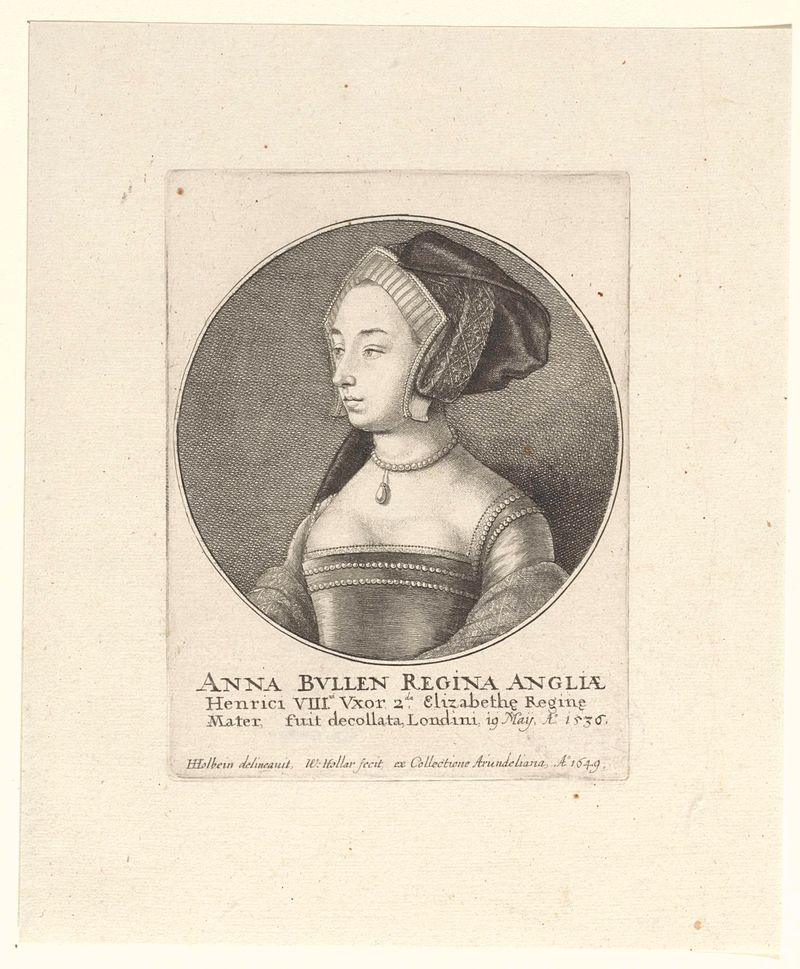
Portret van Anna Boleyn, koningin van Engeland
Wenceslaus Hollar
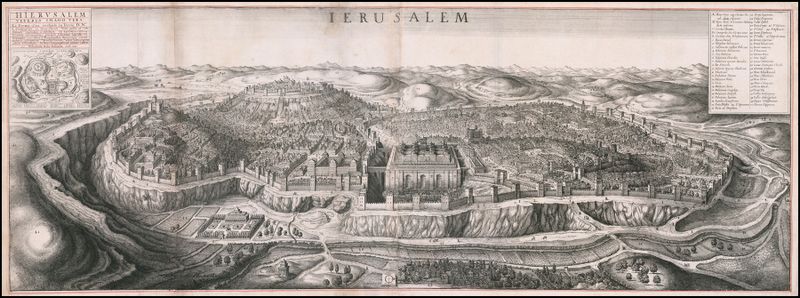
Bird’s eye view of Jerusalem
Wenceslaus Hollar
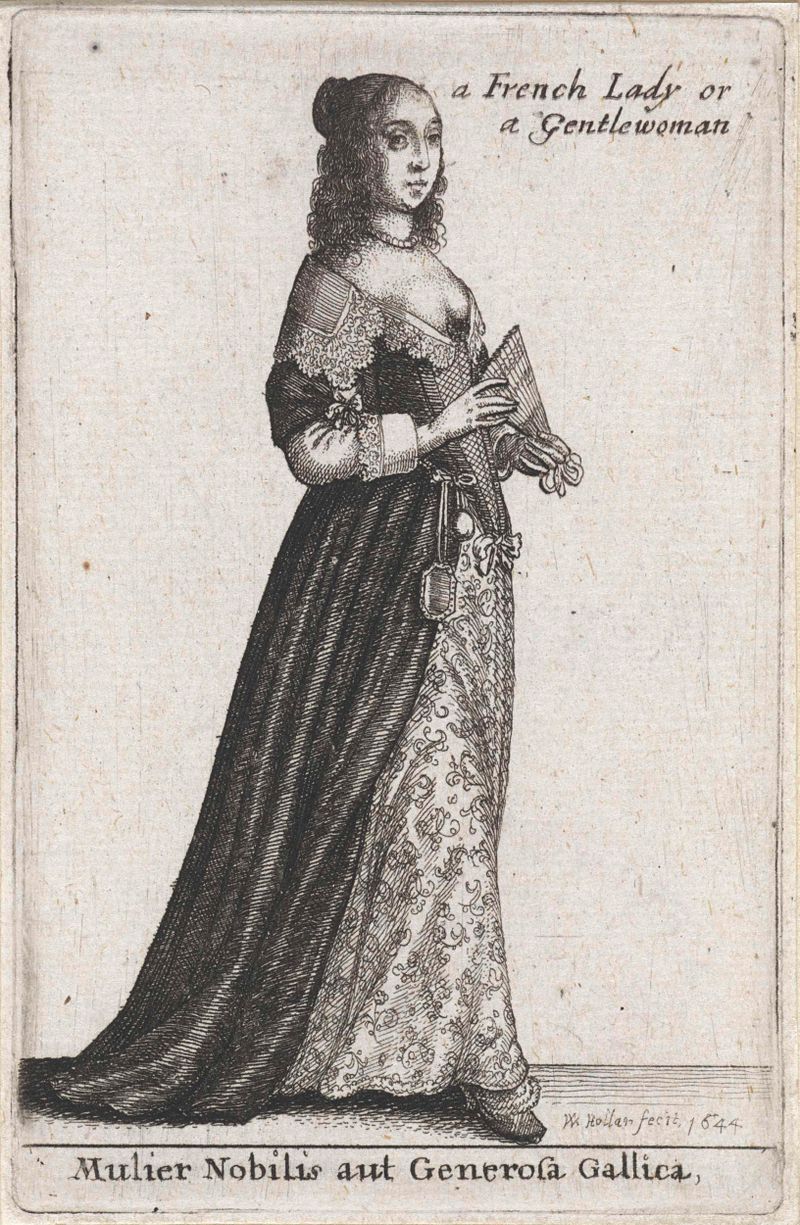
Mulier Nobilis aut Generosa Gallica / a French Lady or Gentlewoman
Wenceslaus Hollar
Titelprent voor: Ornatus Muliebris Anglicanus
Wenceslaus Hollar
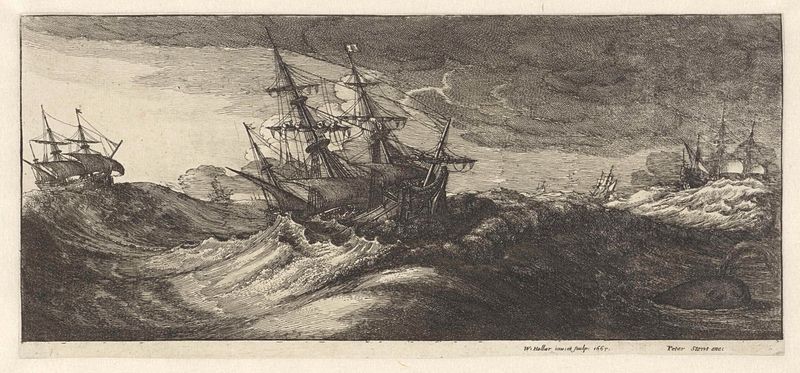
Oorlogsschepen en een walvis in een zeestorm
Wenceslaus Hollar
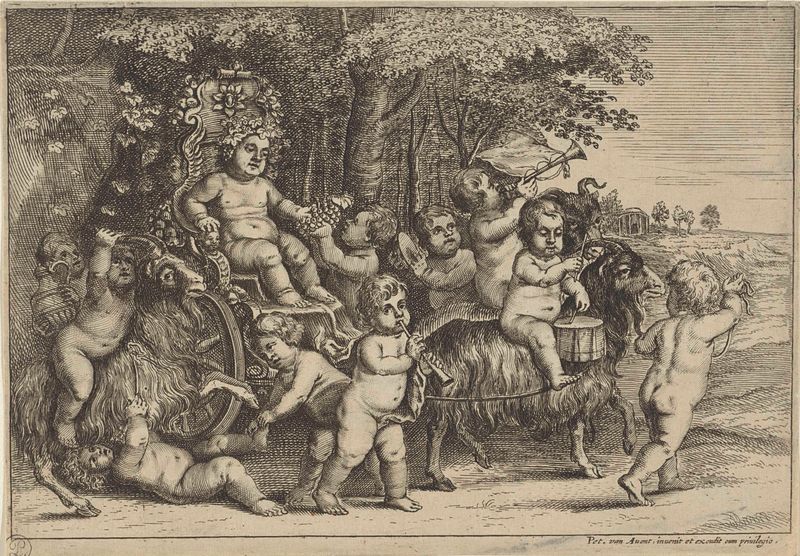
Optocht van bacchant en jongetjes op geiten
Wenceslaus Hollar
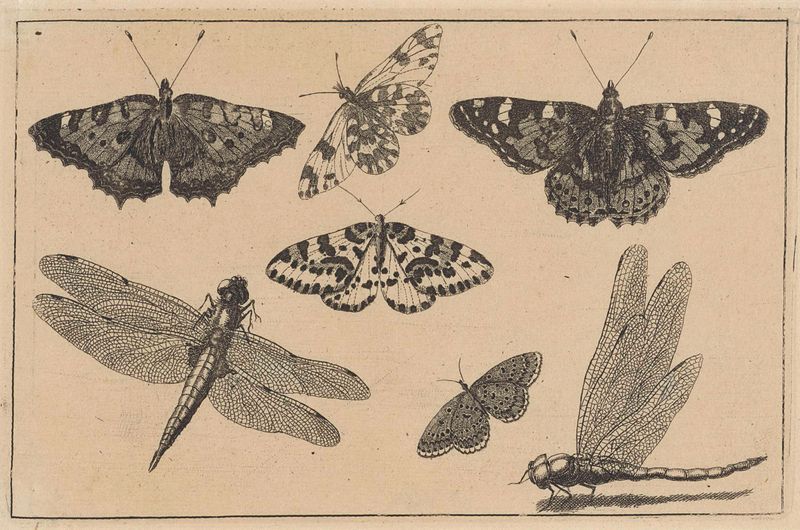
Twee libellen en vijf vlinders
Wenceslaus Hollar
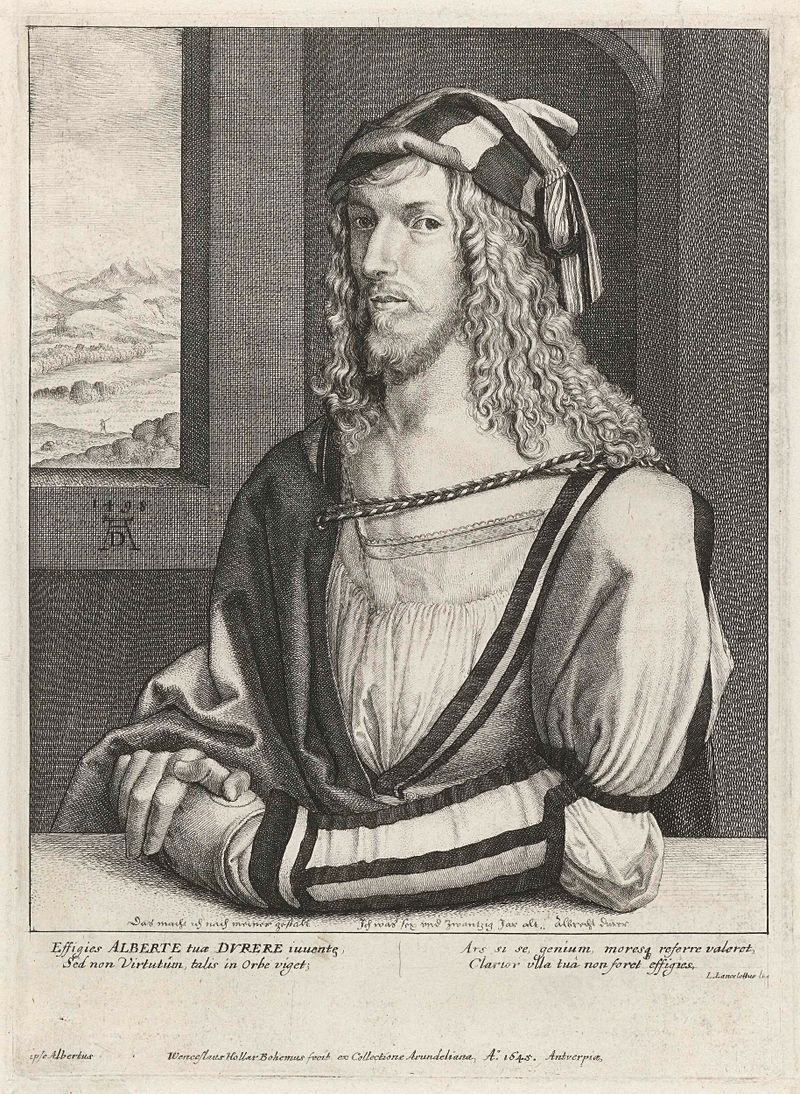
Portret van Albrecht Dürer
Wenceslaus Hollar
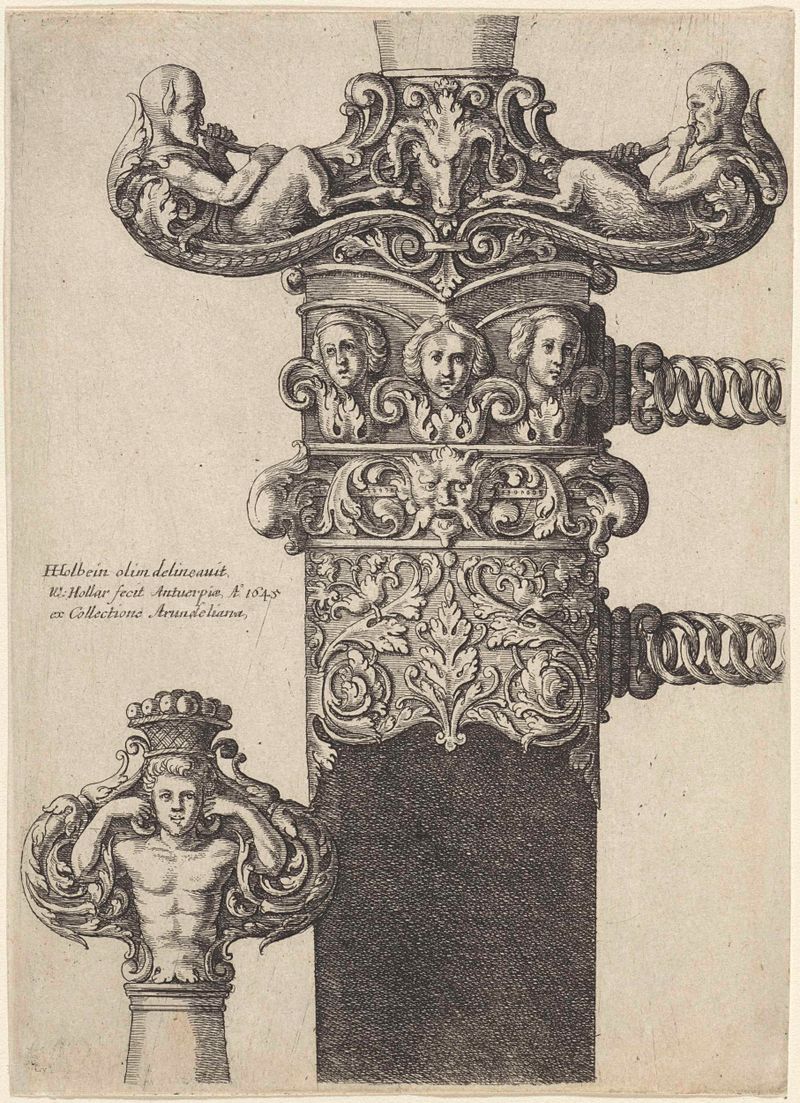
Ornamenteel ontwerp voor een dolk
Wenceslaus Hollar
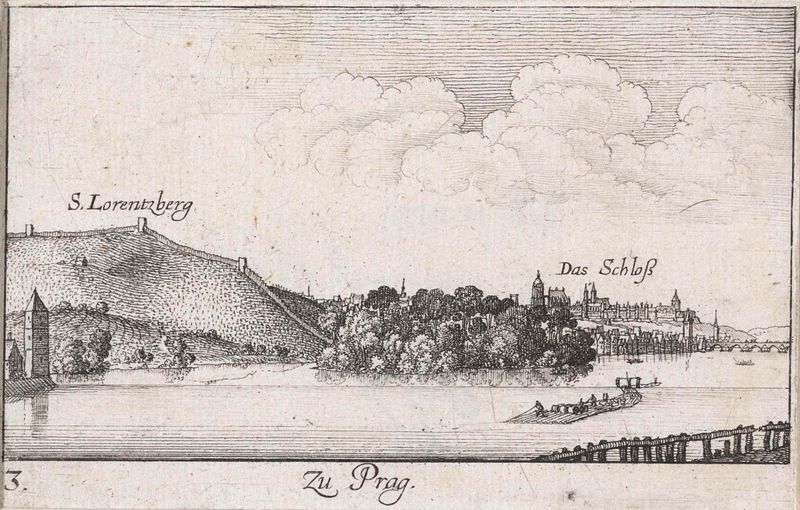
Gezicht op Praag vanaf de Moldau
Wenceslaus Hollar