
De waanzin — History & Facts
In De waanzin, the viewer is invited into a realm where reality blurs into illusion, prompting us to question the very nature of our perceptions. Each detail whispers stories of madness and clarity, as if the canvas itself breathes with the tension of its subject. Look to the left, where a figure’s face emerges from a tangled mass of brushstrokes, the colors swirling in a chaotic dance of deep reds and muted greens. This figure, shrouded in shadow and ambiguity, captures our immediate attention, drawing us into their world of confusion.
Notice how the light plays upon the contours of their expression, highlighting a mixture of anguish and understanding; the intricacies of the drapery echo the turmoil within. Delve deeper into the composition, and you'll find contrasting elements that reveal hidden meanings. The juxtaposition of darkness and light illustrates the fine line between sanity and madness. Small details, like the disarray of objects in the background—perhaps discarded thoughts or neglected dreams—contribute to the overwhelming sense of disarray.
The viewer is left pondering whether the chaos is external or a reflection of the mind itself. The artist was active in the mid-16th century, a time marked by both the flourishing of Northern Renaissance art and the undercurrents of societal turbulence. Though specifics about the artist remain sparse, the work reflects the era's fascination with complexity and the human psyche, echoing the larger conversations surrounding mental health and perception in a rapidly changing world. This piece captures a moment where illusion and reality intertwine, leaving an indelible mark on its viewers.
More Artworks by Monogrammist AC (16e eeuw)
Browse all →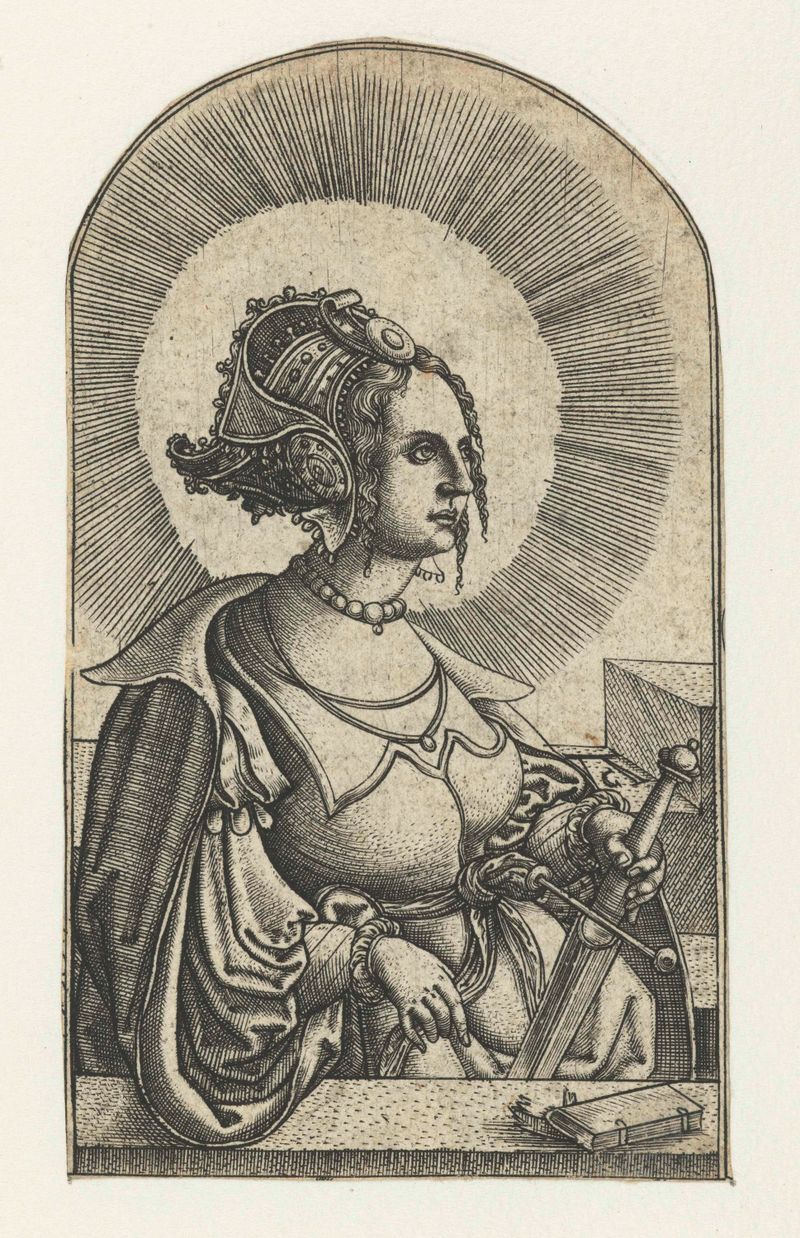
Heilige Catharina
Monogrammist AC (16e eeuw)
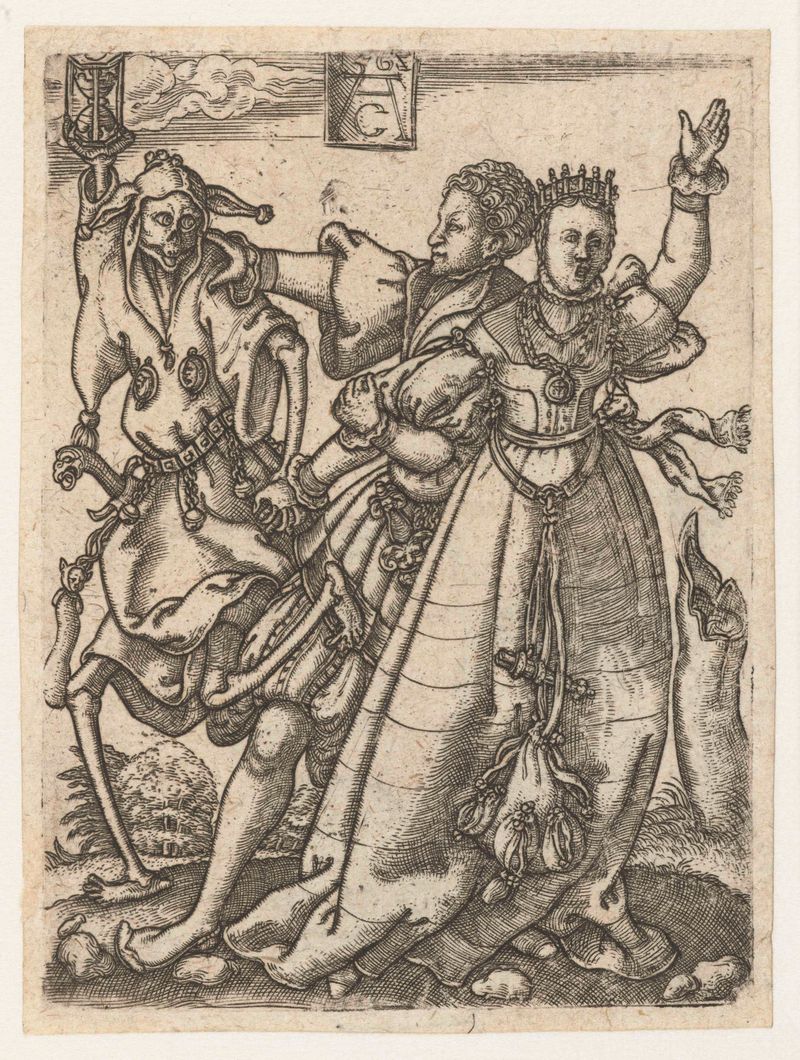
Echtpaar met de Dood
Monogrammist AC (16e eeuw)
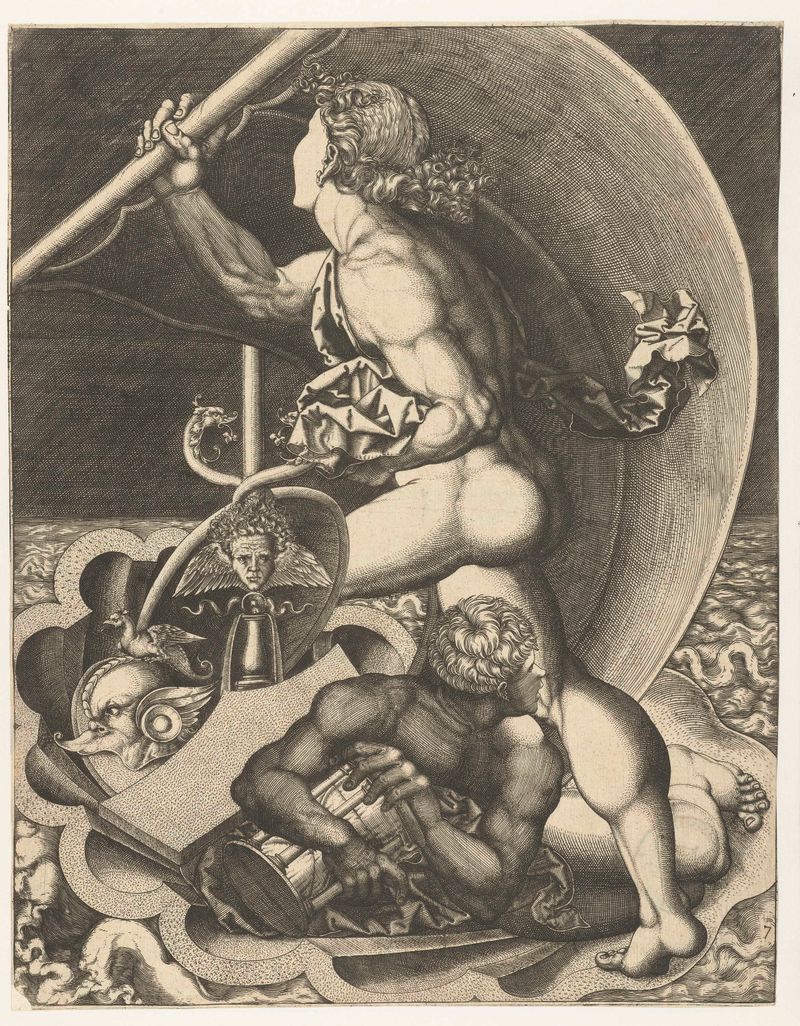
Allegorie van Tijd en Fortuin
Monogrammist AC (16e eeuw)

Portret van een jongeman (Vanitas)
Monogrammist AC (16e eeuw)

Heilige Martha en de draak
Monogrammist AC (16e eeuw)
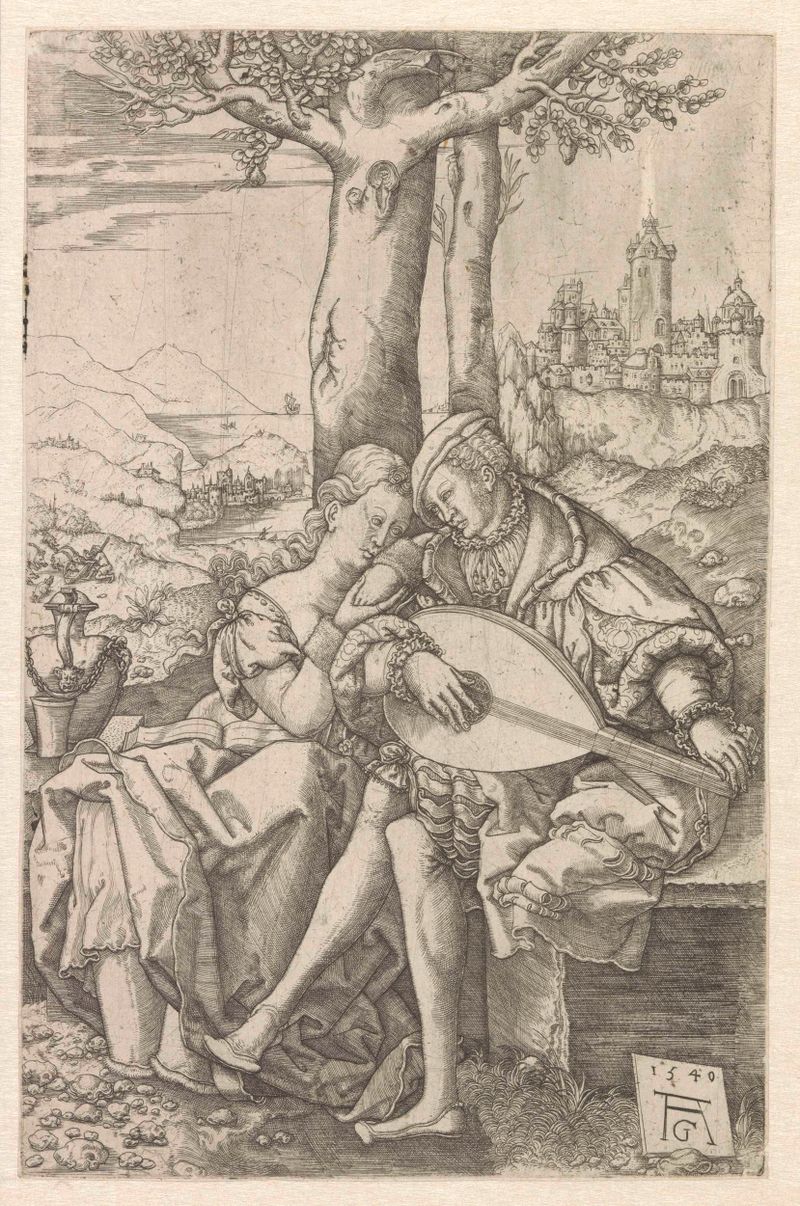
Twee verliefden onder een boom
Monogrammist AC (16e eeuw)
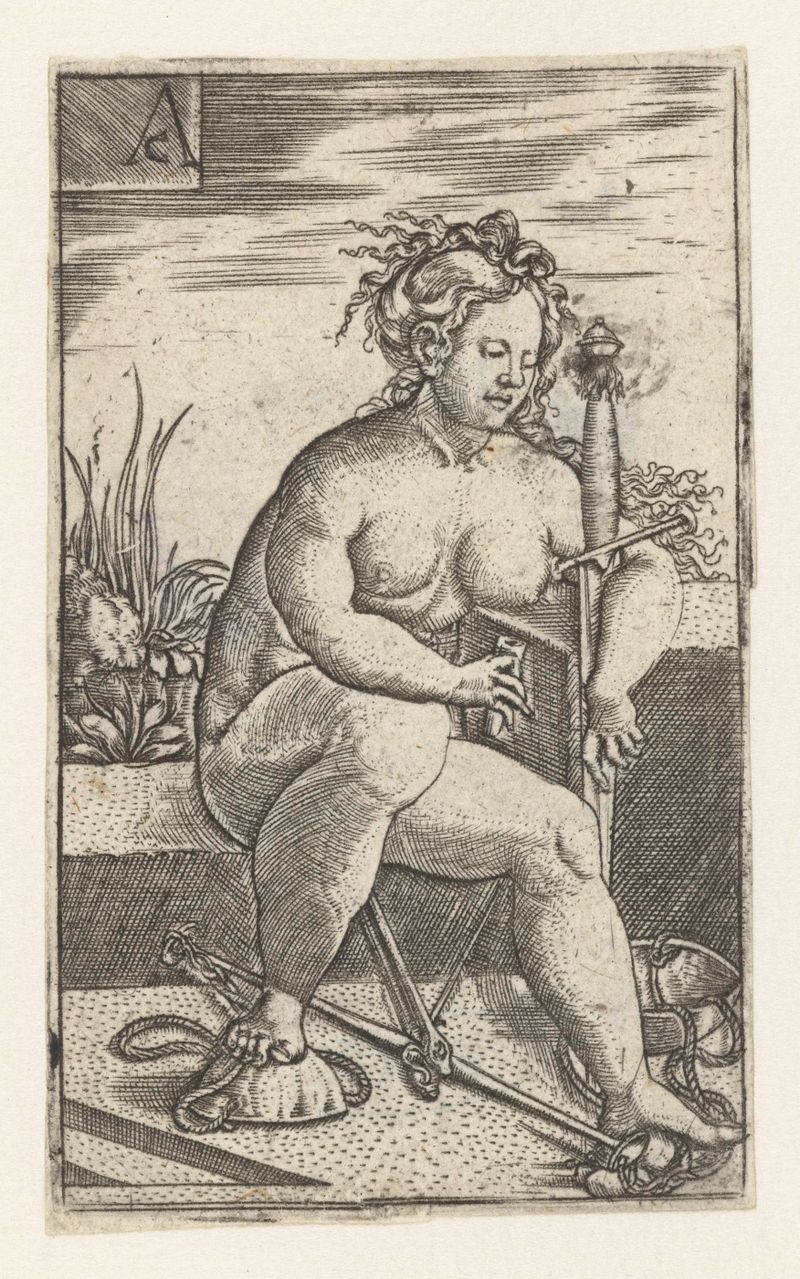
Gerechtigheid (Justitia)
Monogrammist AC (16e eeuw)
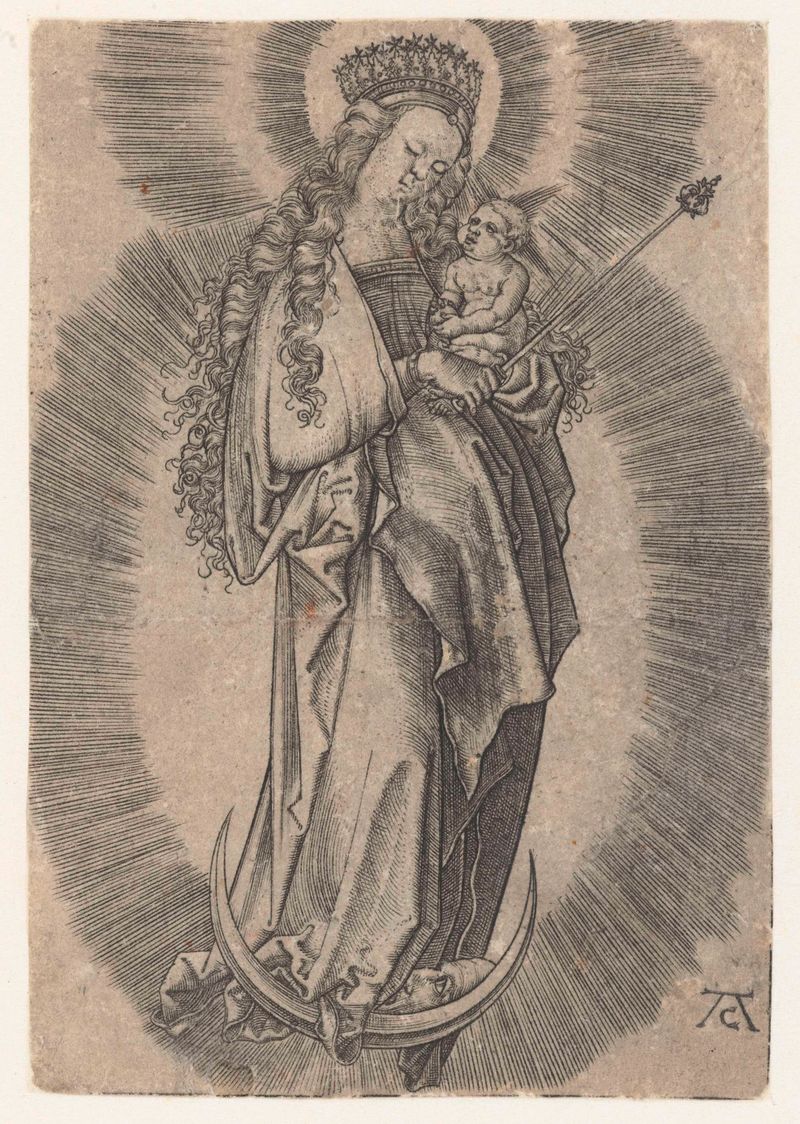
Madonna op de maansikkel.
Monogrammist AC (16e eeuw)
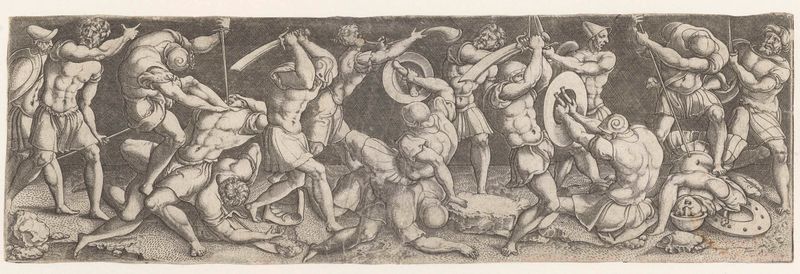
Gevecht tussen Romeinse soldaten
Monogrammist AC (16e eeuw)
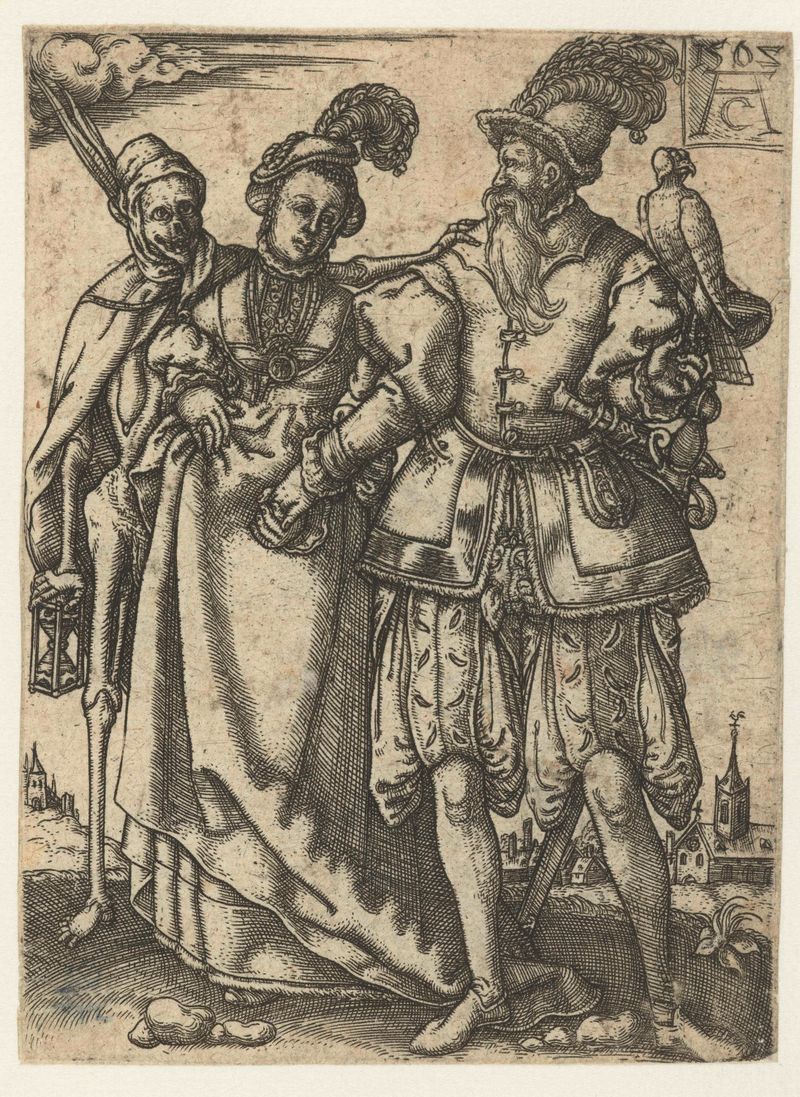
Echtpaar met de Dood
Monogrammist AC (16e eeuw)





