
De wonderbaarlijke spijsvermenigvuldiging — History & Facts
In a world often cast in shadows, hope flickers like a fragile flame, yearning to be nurtured. Look to the center of this engaging composition, where the miracle of multiplication unfolds amidst a sea of eager faces. The artist employs rich colors — vibrant blues and radiant golds — to create an aura of reverence surrounding the event. The contrast between the warm divine light and the cooler tones of the crowd amplifies the sense of wonder, drawing your gaze toward the central figure.
Notice how the figures are arranged in concentric circles, each face brimming with a mix of disbelief and anticipation, emphasizing the collective experience of faith and transformation. Within the layers of this work lies a profound narrative; the miracle is not merely one of physical sustenance but also of spiritual nourishment. The juxtaposition of abundance and need reflects the human condition, where hope often arises from desperation. The artist’s meticulous detailing of the bread and fish, rendered with both tenderness and precision, highlights the delicate balance between the miraculous and the mundane, inviting viewers to contemplate their own moments of grace amidst struggle. The artist, known as the Meester van Antwerpen (I), created this piece between 1485 and 1491 in a period marked by both artistic innovation and spiritual upheaval.
Working during the Northern Renaissance, they were part of a movement that emphasized detailed realism and emotional depth. This work not only showcases their technical skill but also reflects the era's complex relationship with faith and the human experience, as society grappled with the ever-present search for hope and meaning.
More Artworks by Meester van Antwerpen (I)
Browse all →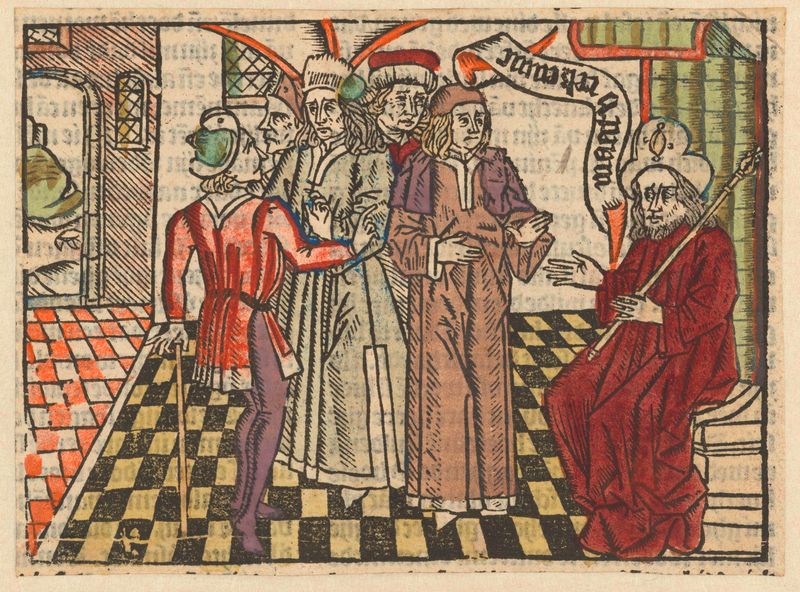
Parabel van de koning en de dienaar die geen vergiffenis schonk
Meester van Antwerpen (I)
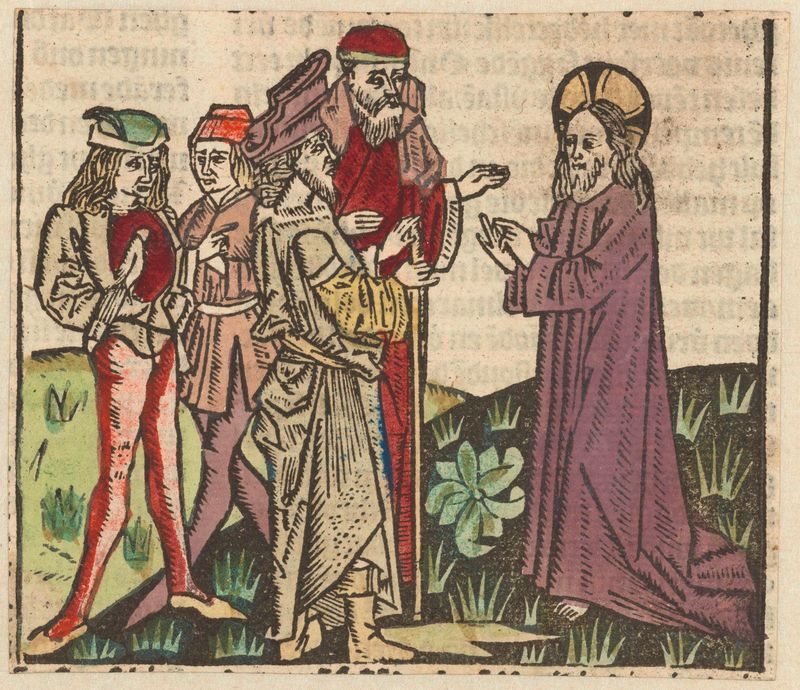
Christus in gesprek met Nicodemus
Meester van Antwerpen (I)
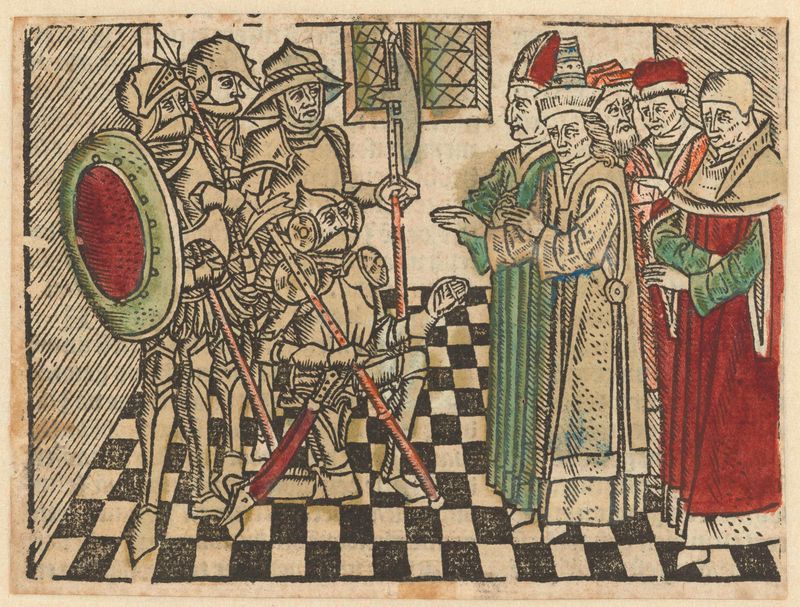
Soldaten berichten de hoge priesters dat Christus is herrezen
Meester van Antwerpen (I)
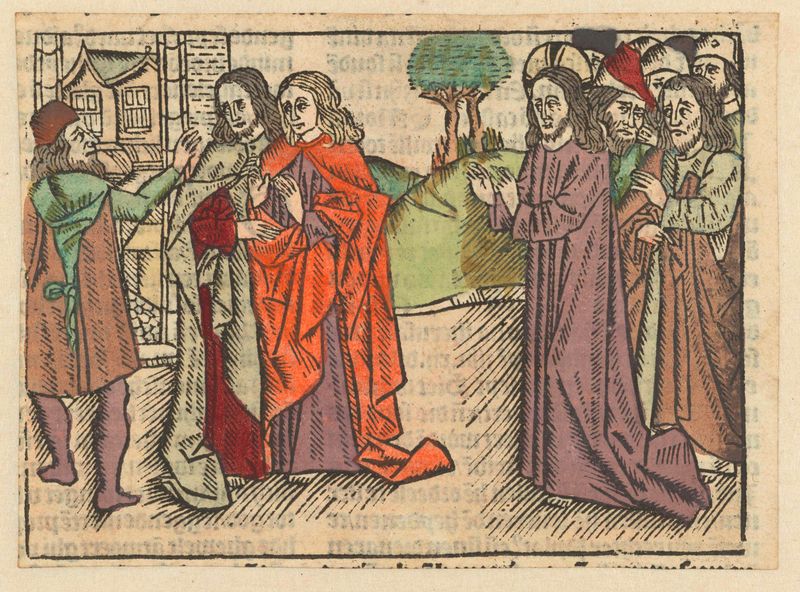
Een Samaritaan weigert Christus te ontvangen
Meester van Antwerpen (I)
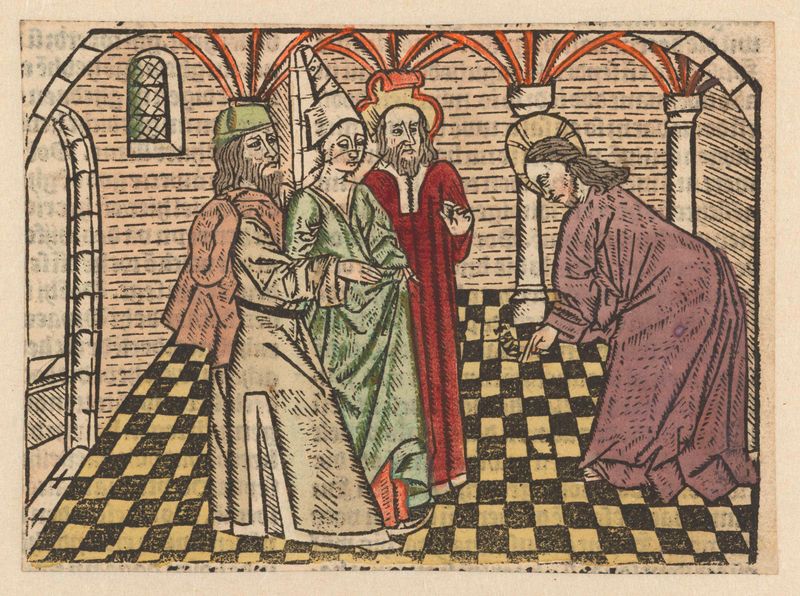
Christus en de overspelige vrouw
Meester van Antwerpen (I)
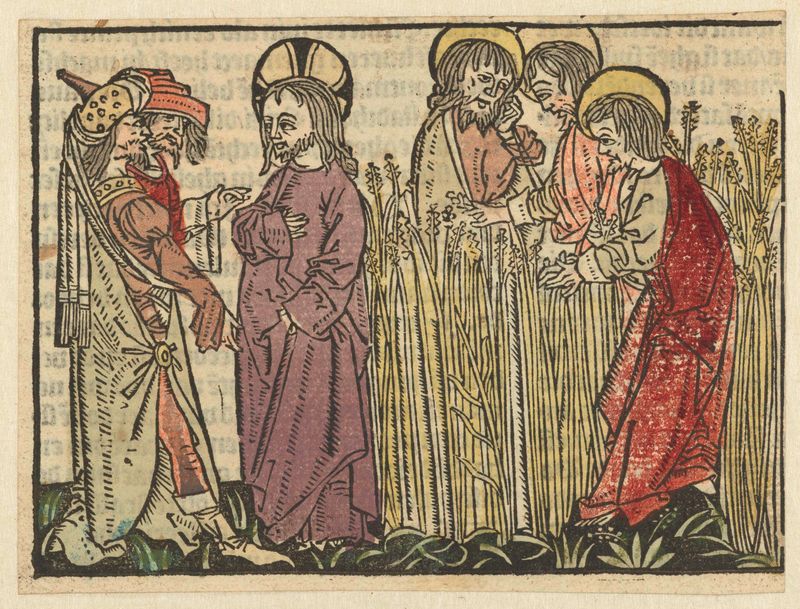
De discipelen plukken en eten aren op de sabbat
Meester van Antwerpen (I)
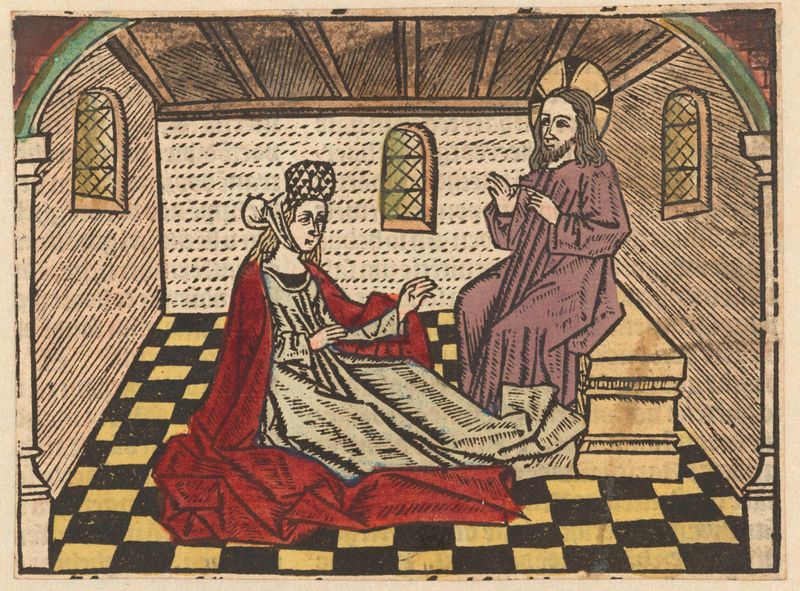
Maria Magdalena luistert naar Christus en bekeert zich
Meester van Antwerpen (I)
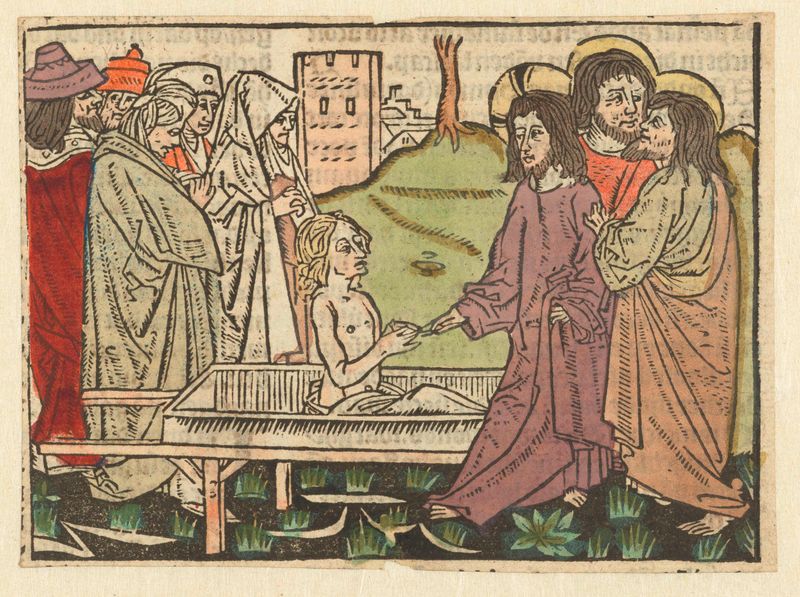
Opwekking van de zoon van de weduwe van Nain
Meester van Antwerpen (I)
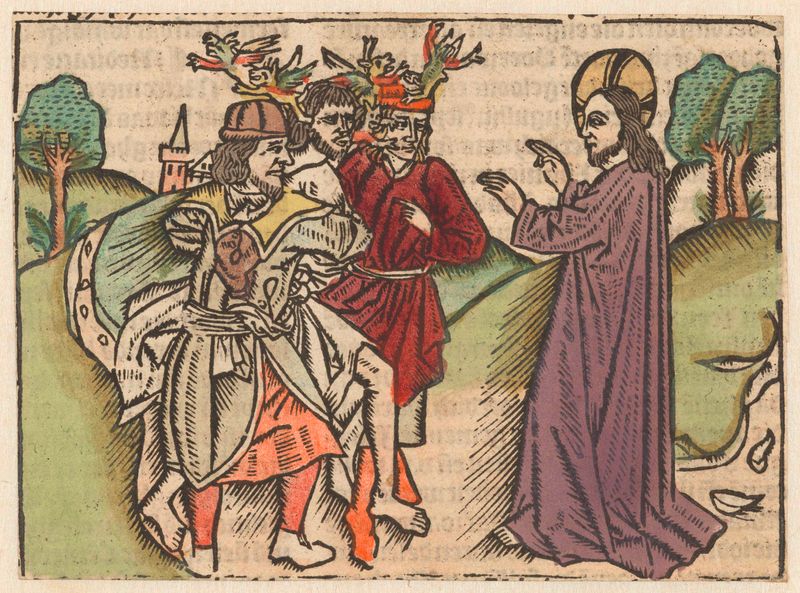
Christus geneest de bezeten man die niet kon spreken
Meester van Antwerpen (I)
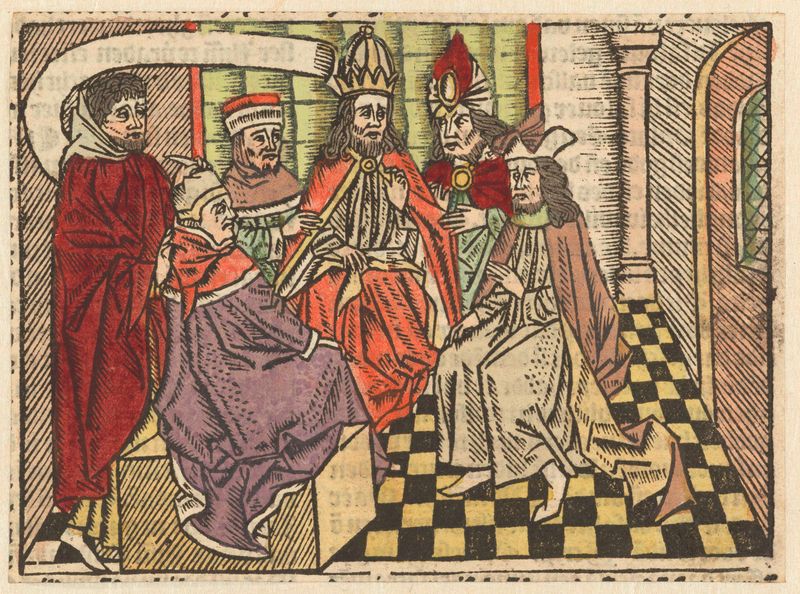
Judas bij de hogepriesters om Christus te verraden
Meester van Antwerpen (I)
More Religious Art
Browse all →
The Return of the Prodigal Son
Rembrandt van Rijn

The Garden of Earthly Delights
El Bosco

Count Orgaz’ funeral
El Greco

The Hundred Guilder Print: the central piece with Christ preaching, the plate arched
Rembrandt van Rijn

The Descent from the Cross
Rogier van der Weyden

The return of the prodigal son
Rembrandt van Rijn