
Death of Sigismund Augustus in Knyszyn in — History & Facts
In 1886, Jan Matejko turned his gaze to one of Poland’s most fateful moments: the death of the last Jagiellonian king, Sigismund II Augustus, in the remote manor of Knyszyn. The king’s passing in July 1572 ended a royal dynasty that had ruled for nearly two centuries, plunging the Polish-Lithuanian Commonwealth into a period of uncertainty and political experiment. Matejko, renowned for his sweeping historical canvases, chose this episode for its drama and its consequences—the moment when a nation’s future seemed to hang in the balance. Matejko captures the king’s final hours with a theatrical intensity, focusing on the dimly lit chamber where Sigismund lies propped among pillows, his face pale and resigned.
Around him, courtiers and clergy cluster in anxious groups, their postures betraying grief, fear, and calculation. The heavy drapery and the scattered royal regalia—crown, orb, and scepter—signal the gravity of the loss, while a shaft of light falls on the dying monarch, isolating him from the living world. Unlike the serene royal deaths painted by earlier artists, such as Rembrandt’s Death of the Virgin, Matejko’s scene is charged with political tension: the empty space beside the bed hints at the throne’s vacancy. The painting was created during a period when Matejko was at the height of his fame and influence, frequently returning to pivotal episodes from Polish history.
While the exact details of its early ownership are unclear, it is known that Matejko intended his historical works to educate and inspire his countrymen during a time when Poland itself was partitioned and erased from the map. Today, Death of Sigismund Augustus in Knyszyn remains an important part of Poland’s national collections, a testament to both the artist’s ambition and the enduring power of history painting in the late nineteenth century.
More Artworks by Jan Matejko
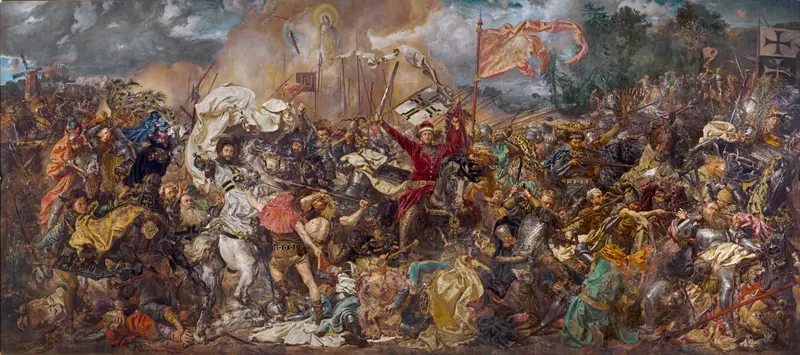
Battle of Grunwald
Jan Matejko

Stańczyk
Jan Matejko

Battle of Raclawice
Jan Matejko
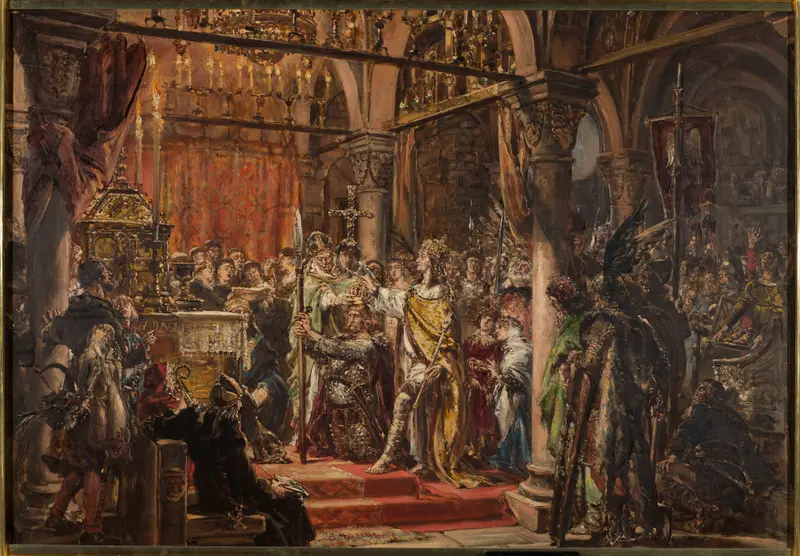
Coronation of the First King, 1001 AD, from the series “History of Civilization in Poland”
Jan Matejko
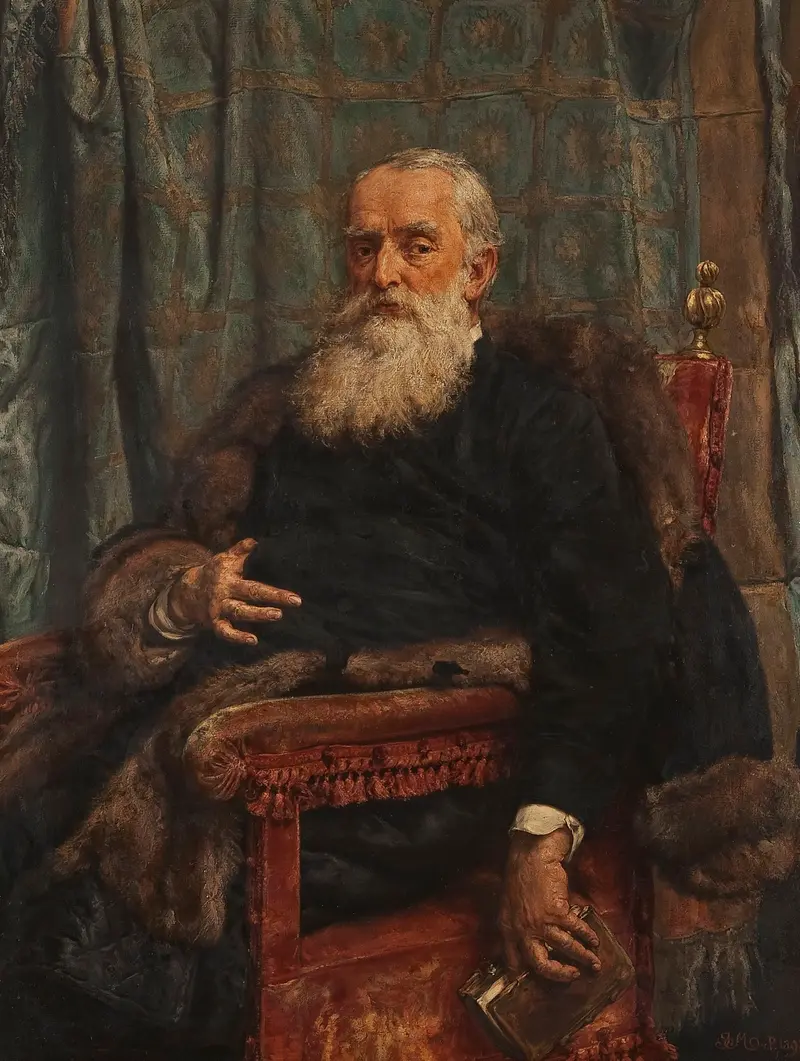
Portrait of Henryk Krajewski
Jan Matejko
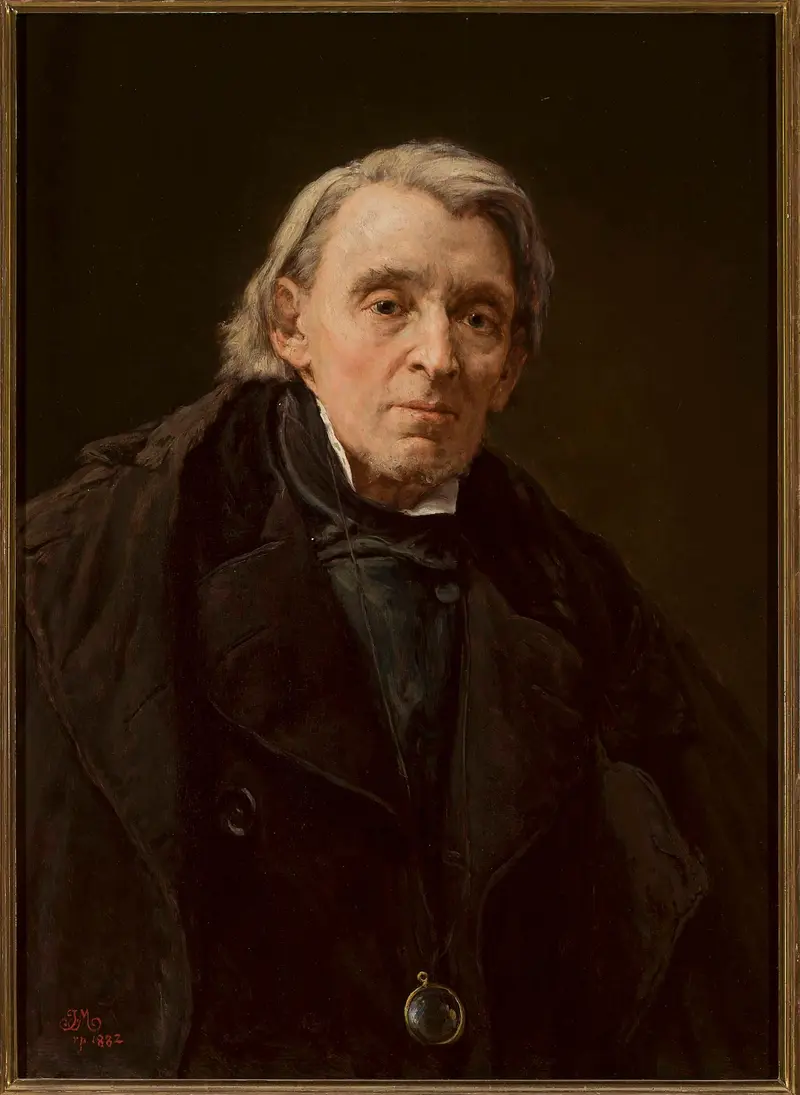
Portrait of Karol Podlewski
Jan Matejko
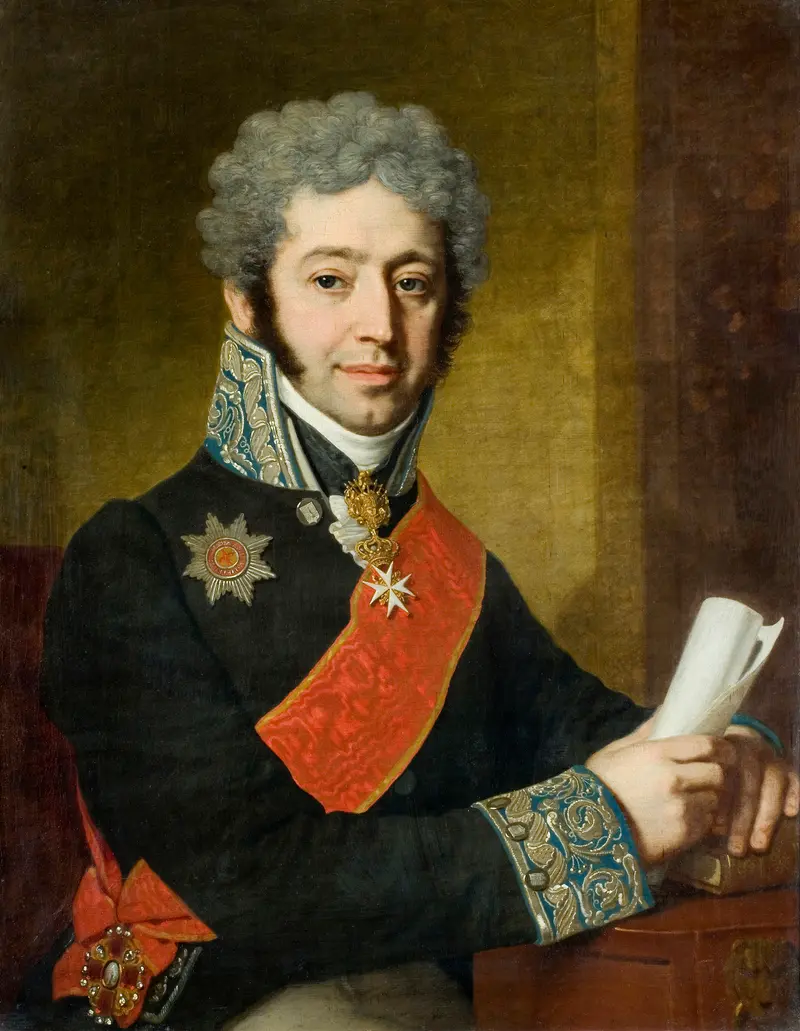
Portrait of Potocki and Poninski
Jan Matejko
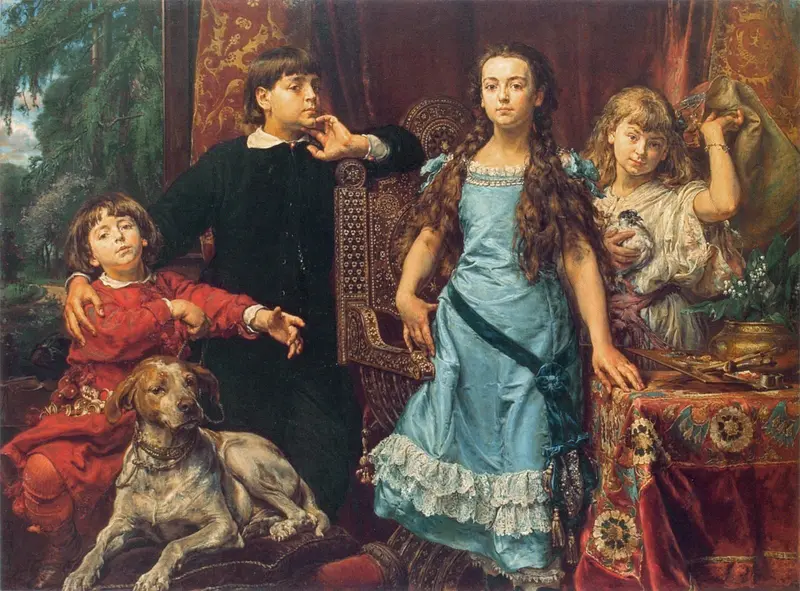
Portrait of the artist's four children
Jan Matejko
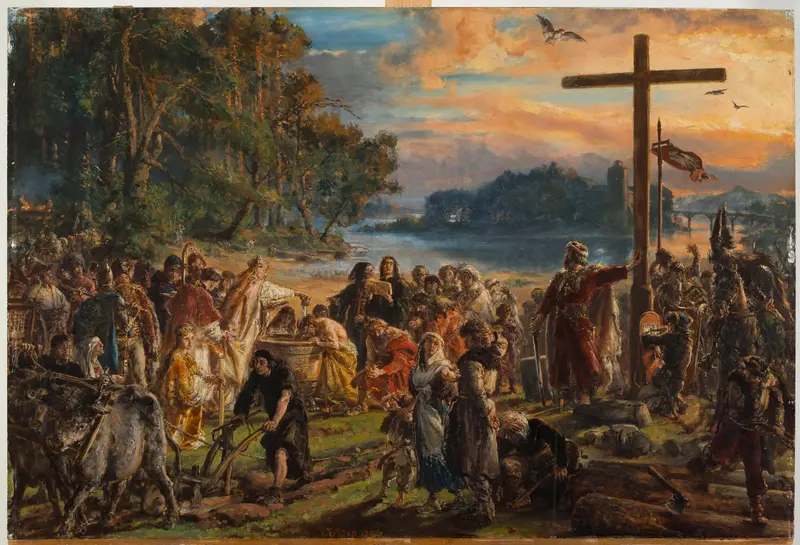
Introduction of Christianity in Poland
Jan Matejko
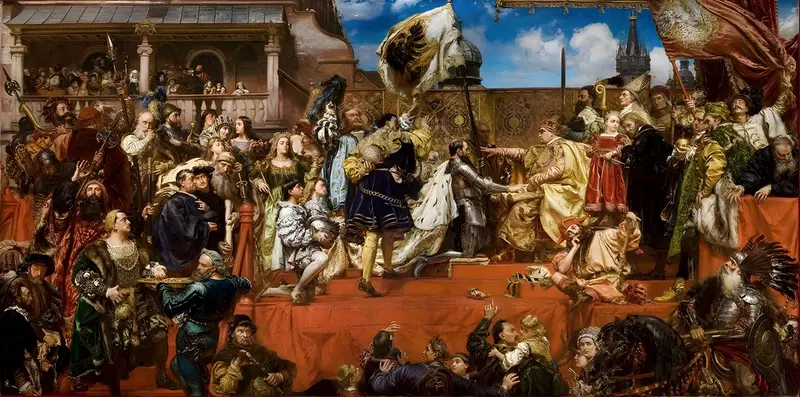
Prussian Homage
Jan Matejko





