December — History & Facts
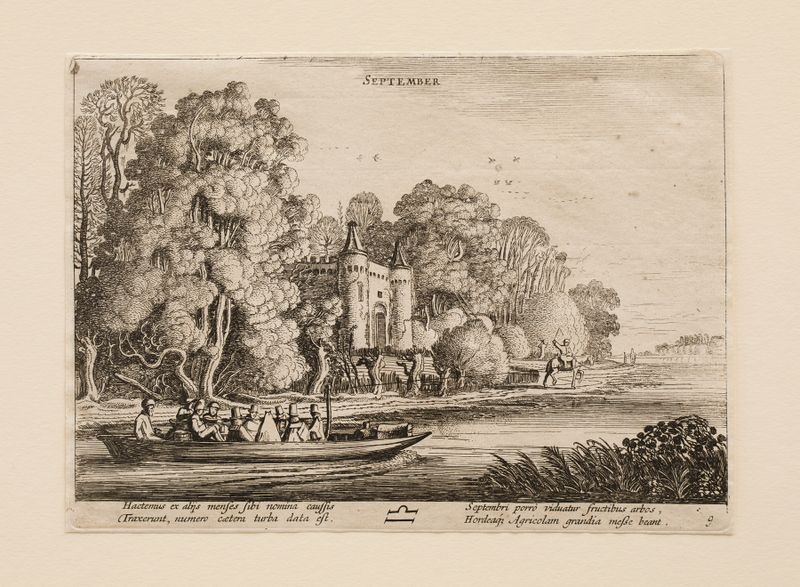
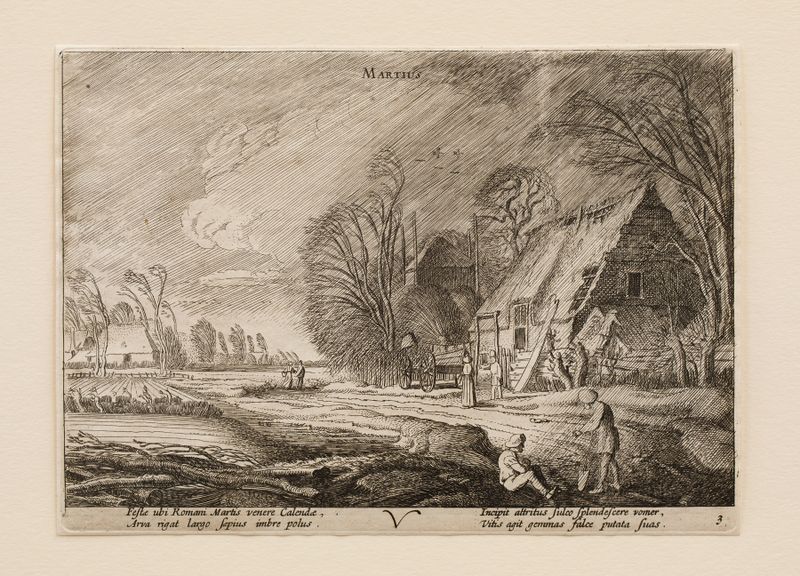
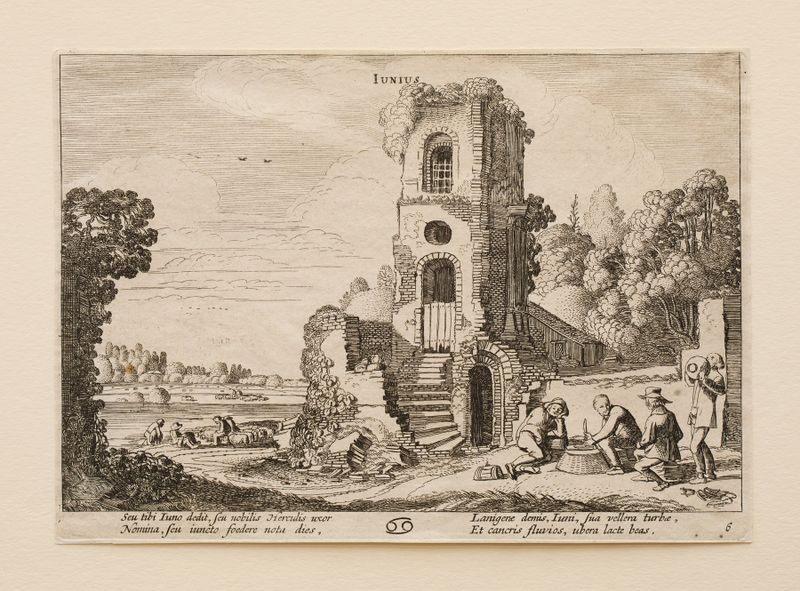
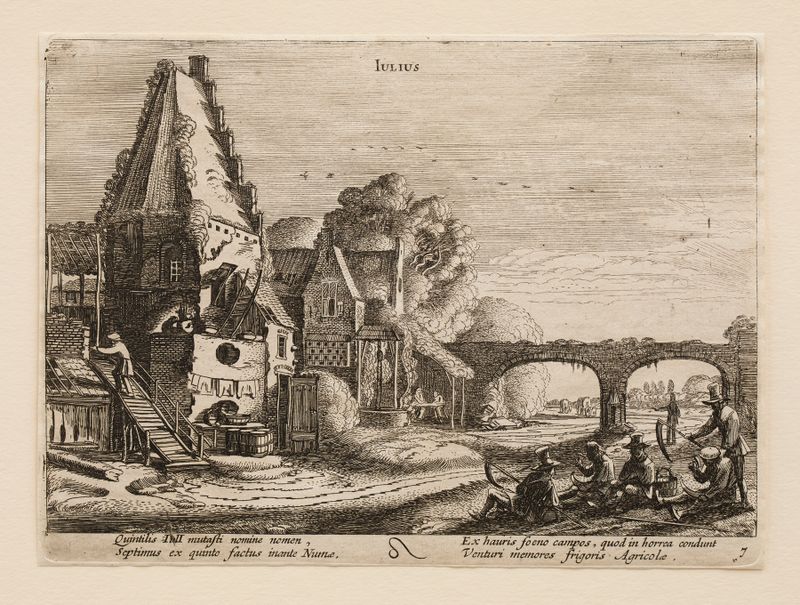
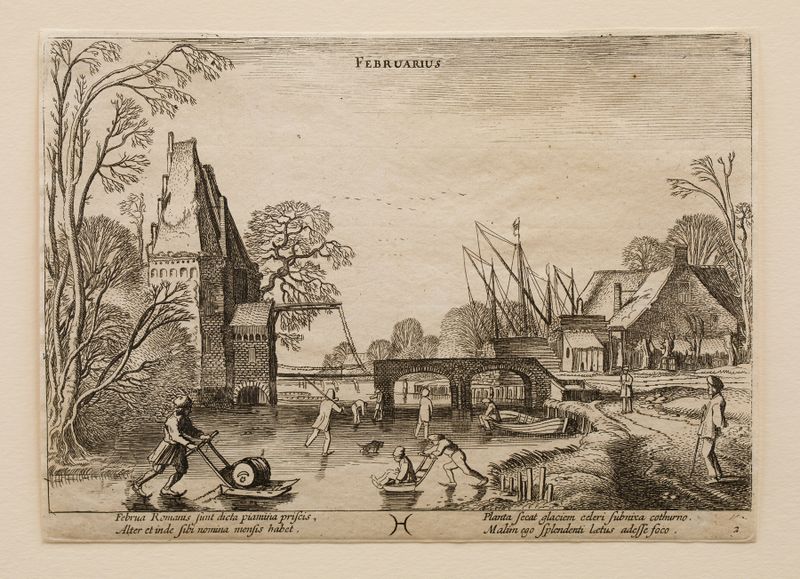
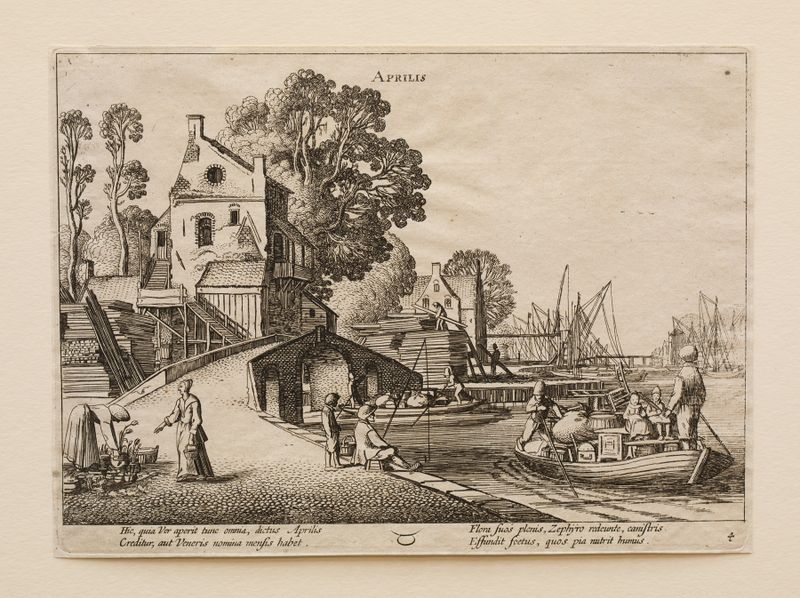
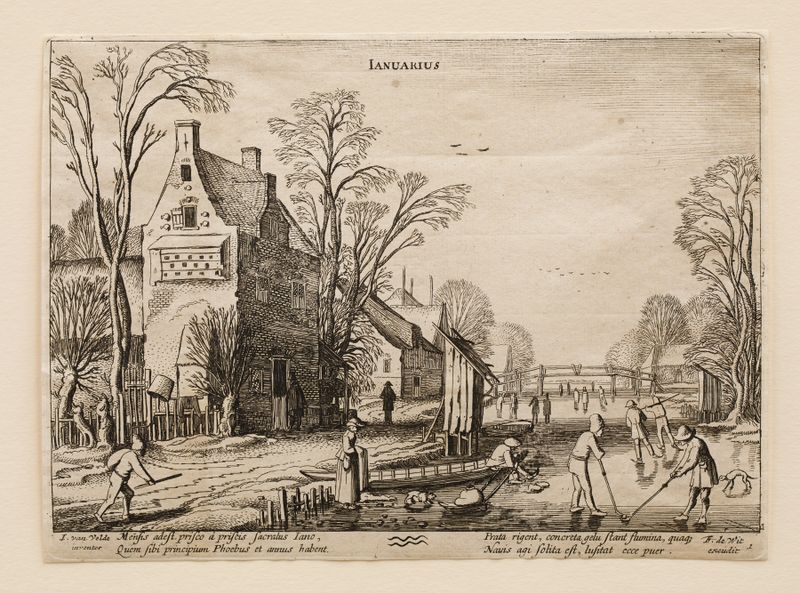
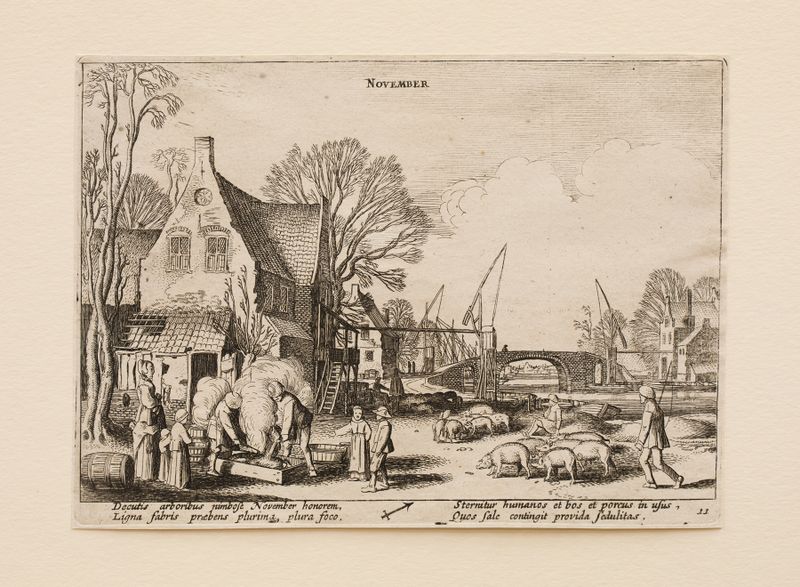
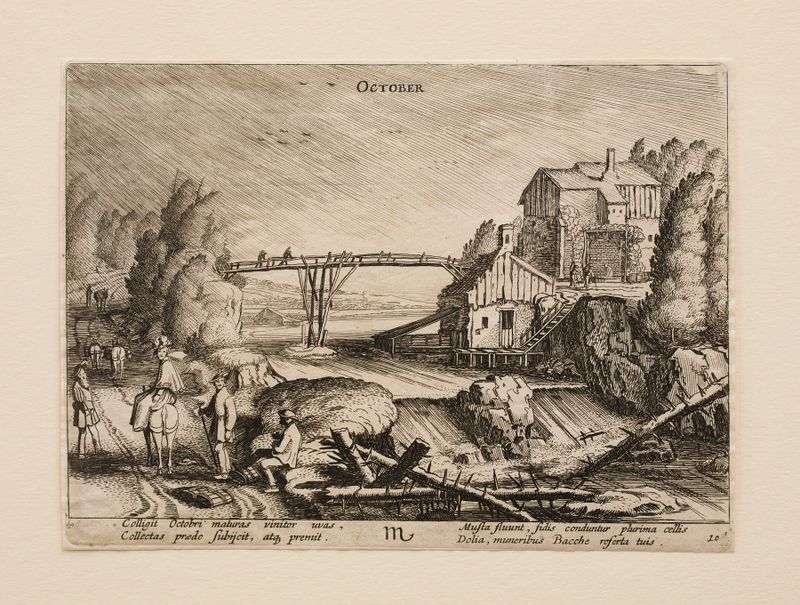
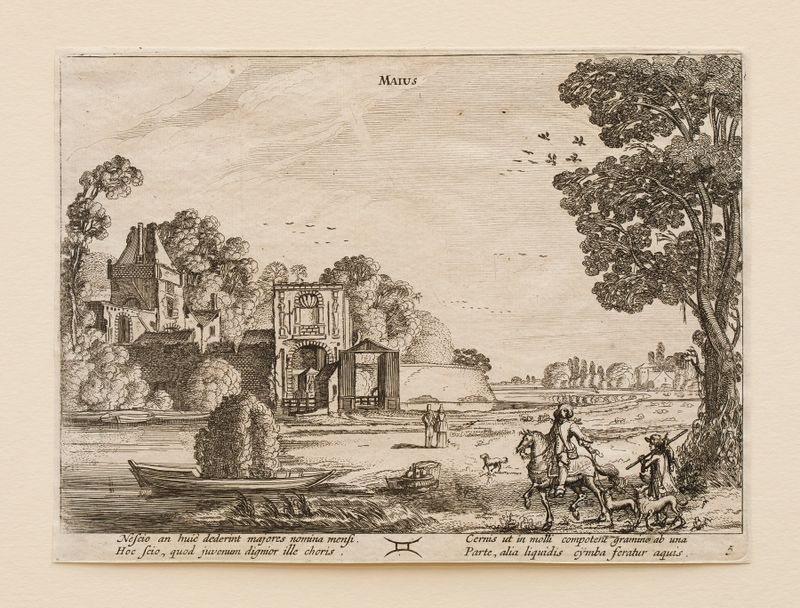
Could a single brushstroke hold eternity? In December, the stillness of winter is captured with an evocative reflection that beckons exploration. Look to the bottom left of the canvas, where delicate layers of soft blues and whites blend, evoking the cold serenity of a winter landscape. The subtle interplay of light and shadow creates a mesmerizing depth, drawing your gaze deeper into the tranquil scene. Notice how the faint outlines of bare trees emerge from the fog, their skeletal branches reaching toward a muted sky, while tiny details seem to dance on the canvas, revealing van de Velde's meticulous technique and masterful command of the medium. At first glance, the painting radiates quiet beauty, yet hidden beneath its serene surface lies a tension between solitude and reflection.
The stillness of the landscape mirrors an introspective moment, suggesting the reflective nature of winter itself—a time for contemplation and insight. The muted palette not only evokes the chill of the season but also invites viewers to ponder the passage of time, revealing how winter can symbolize both an end and a beginning. Jan van de Velde created December in 1616 amidst a flourishing period for Dutch painting, characterized by a growing interest in landscape and still-life genres. He was known for his ability to convey atmosphere and emotion through subtle details, reflecting both personal and societal themes of the time.
This work stands as a testament to his mastery, encapsulating the spirit of an era rich with artistic exploration and innovation.