October — History & Facts
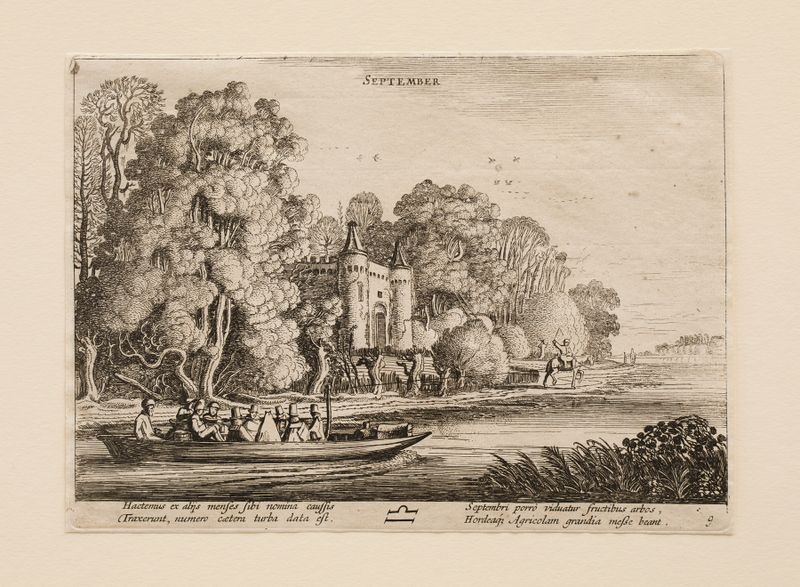
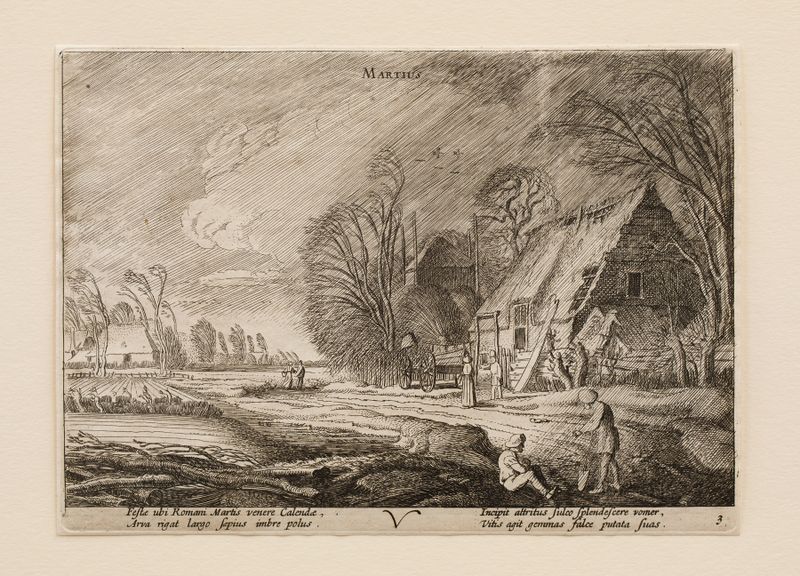
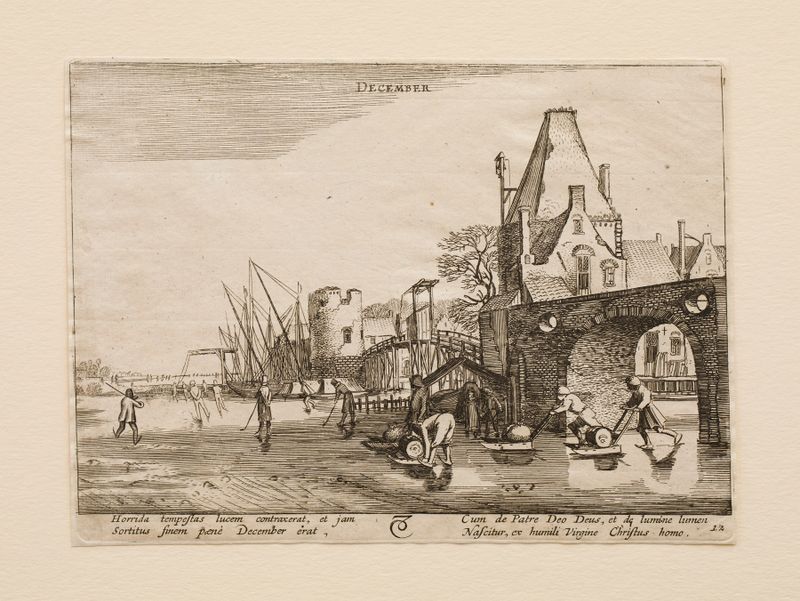
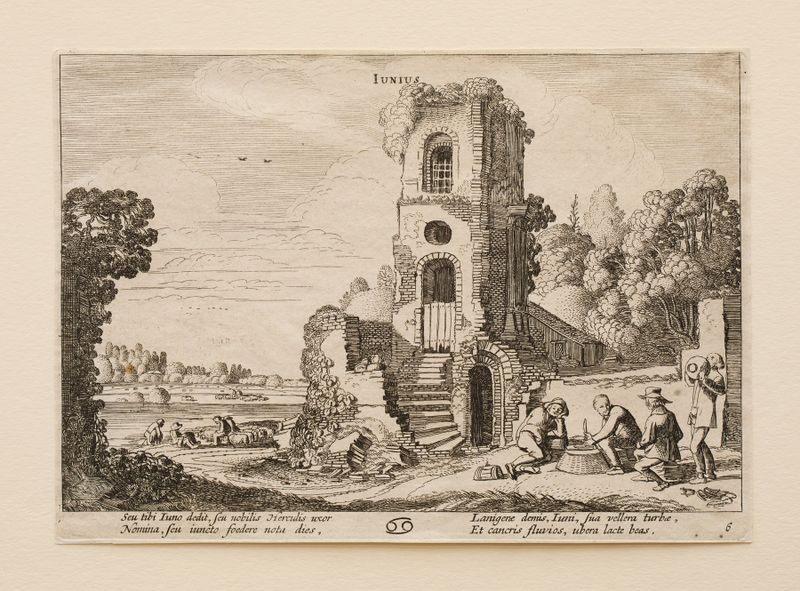
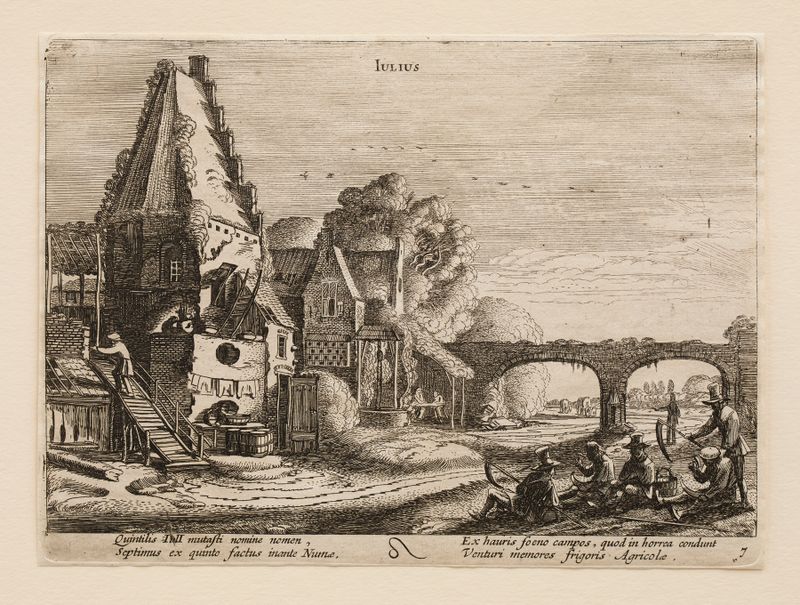
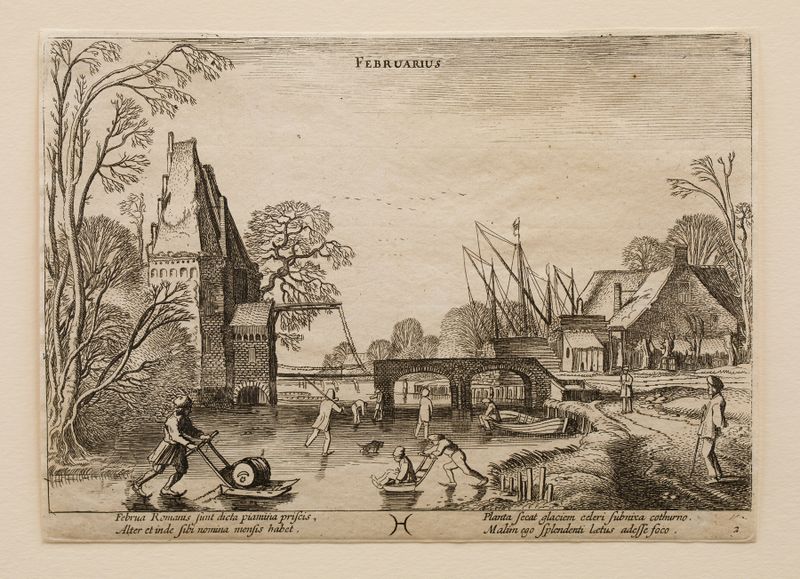
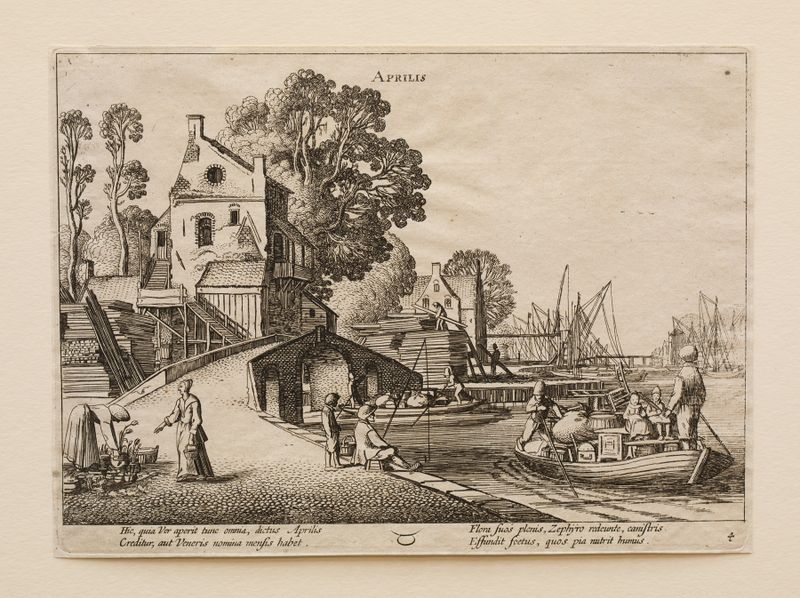
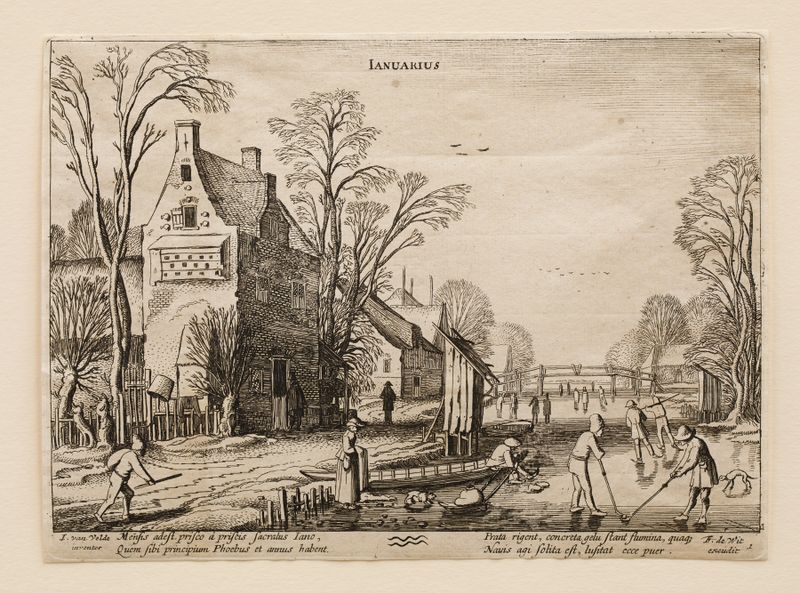
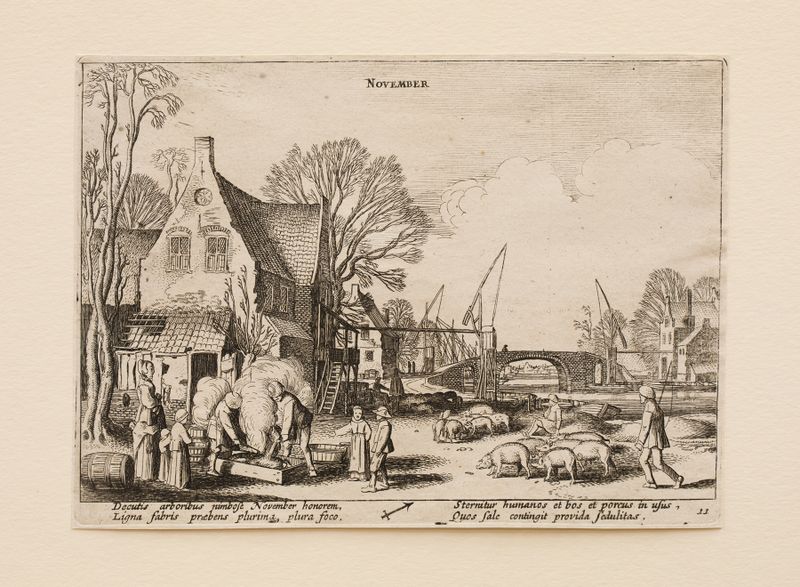
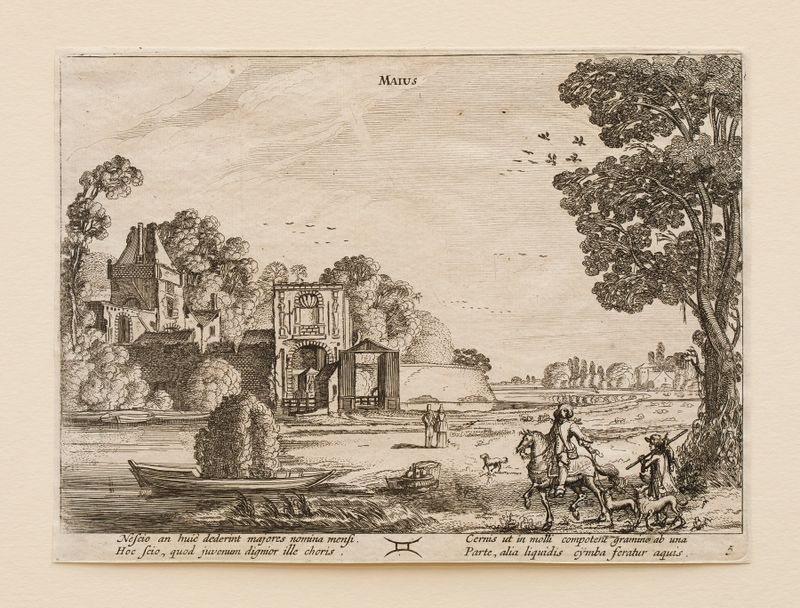
In this stillness, violence simmers beneath the surface, veiled by autumn’s golden hues and the gentle decay of nature. Look to the left at the vivid oranges and yellows that herald change, embodying both beauty and the inevitable passage of time. The delicate strokes suggest wind brushing against the leaves, while in the central foreground, a lone tree stands resolute, its gnarled branches reaching like grasping fingers. The composition, balanced yet dynamic, draws your gaze inward, revealing shadows that hint at a deeper narrative — one of loss and resilience. In this work, the juxtaposition of vibrant color against darker undertones speaks to the duality of existence.
The tranquility of the scene contrasts sharply with the knowing silence of winter’s approach, suggesting that beneath the surface, life is preparing for a harsher reality. Each fallen leaf represents a moment lost, a whisper of violence as nature asserts its dominion over life itself, reminding us that beauty often bears the weight of sorrow. Painted in 1616, this work emerged during a period of significant transition in the art world, marked by the rise of Northern realism. Jan van de Velde, navigating the political and social upheavals of the time, infused his pieces with a nuanced understanding of nature's cycles.
This painting reflects a moment where stillness and the foreboding presence of change coalesce, capturing the essence of a time defined by both artistic exploration and existential contemplation.