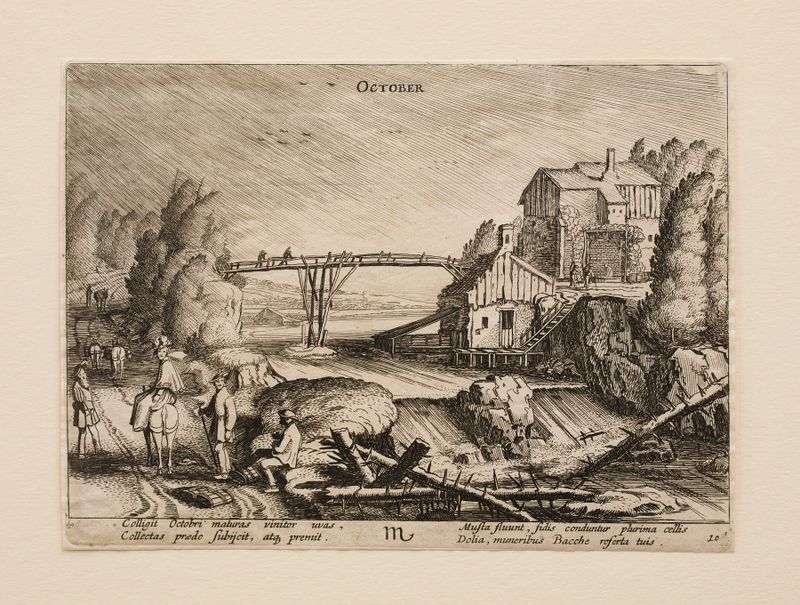
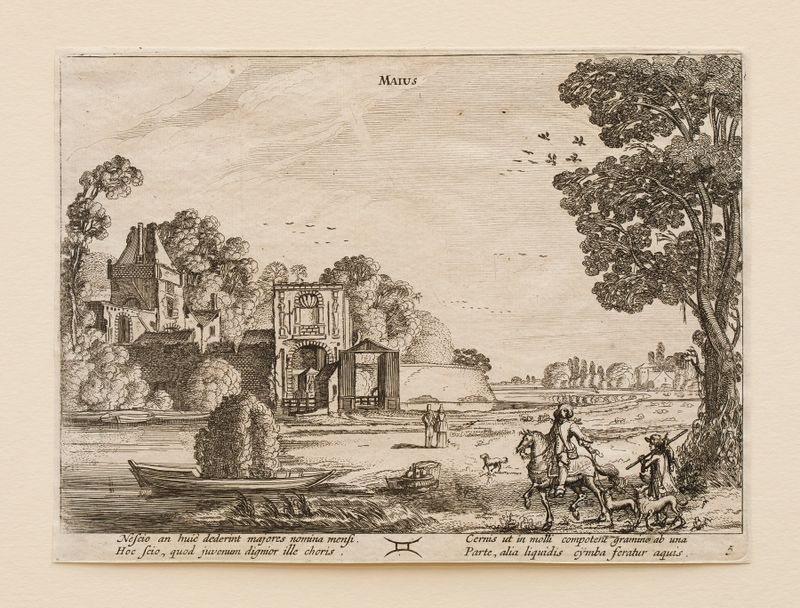
March — History & Facts
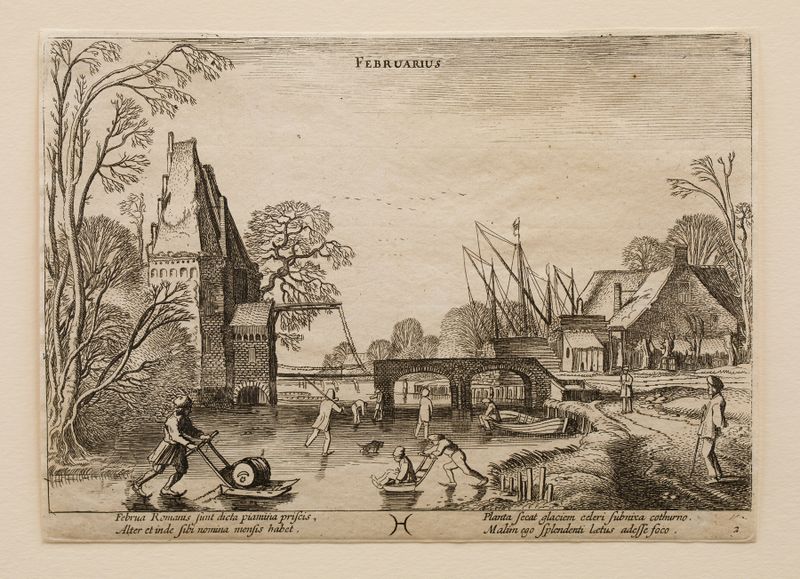
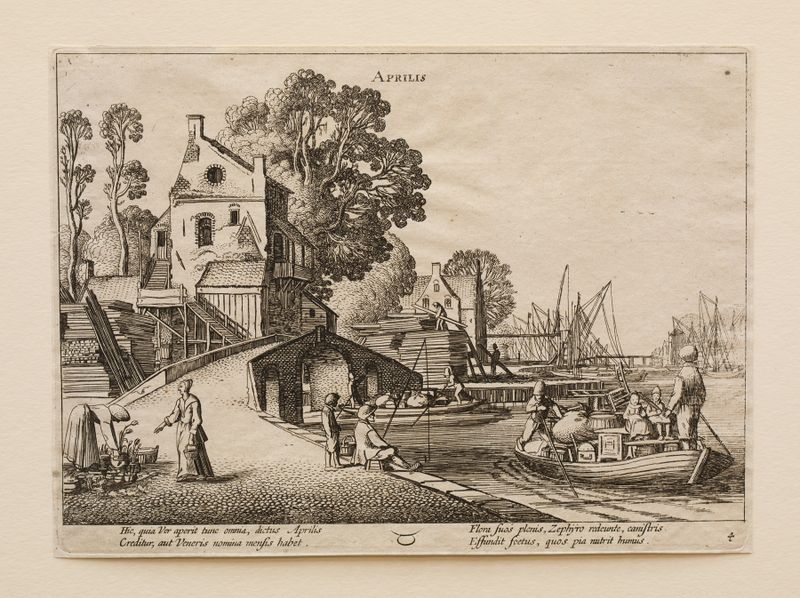
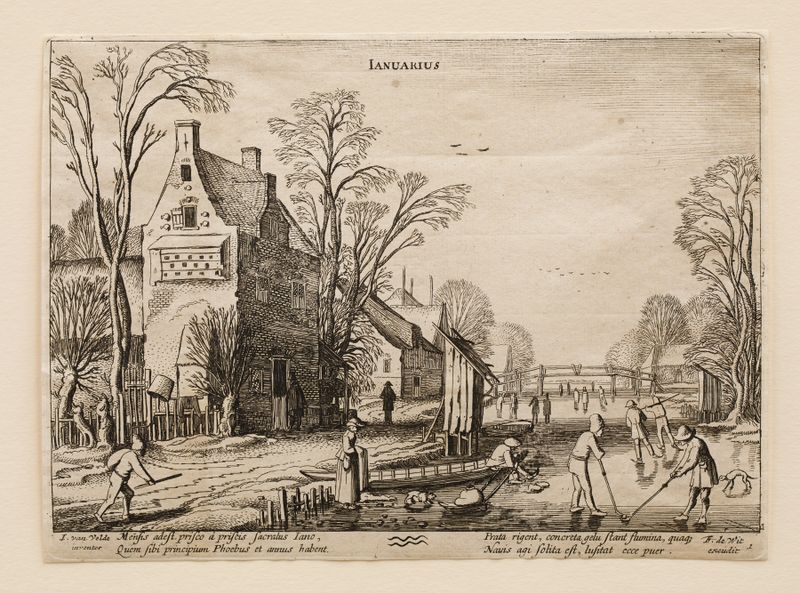
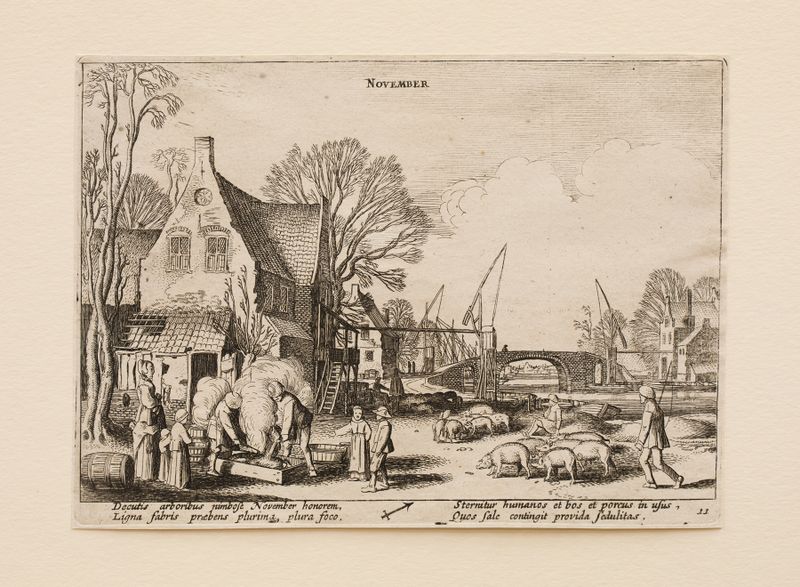
Could a single brushstroke hold eternity? In Jan van de Velde's March, the interplay of lines and colors invites the viewer to contemplate the weight of destiny entwined within art. Look to the center of the composition, where a delicate balance of muted greens and soft browns creates a landscape that feels both familiar and ethereal. The sweeping strokes of the foreground lead the eye toward a distant horizon, where a faint golden light hints at both dawn and possibility. Notice how the gentle curves of the land cradle the viewer’s gaze, drawing attention to the intricate details of flora that peek through the soil, symbolizing renewal and the inevitability of change. Beneath the serene surface lies a complex emotional landscape.
The tension between the dormant earth and the hint of burgeoning life speaks to the duality of time—the past weighed down by stillness, and the future that promises growth. The subdued palette amplifies this sense of yearning, while the flowing composition articulates a quiet dynamism, mirroring the rhythms of nature and the cyclical dance of existence. Here, each brushstroke becomes a decision, a moment frozen in time, yet alive with the promise of what is to come. Created in 1616, this work emerged during a period when the Northern European art scene was shifting, moving toward more intimate, personal expressions amid the broader trends of the Baroque.
Van de Velde, a master of printmaking and drawing, painted March as part of his exploration of landscapes that reflect not only the physical world but also the deeper currents of human experience. His art captures a moment in history when artists were beginning to infuse personal destiny into their works, revealing a new path toward emotional engagement through visual storytelling.