February — History & Facts
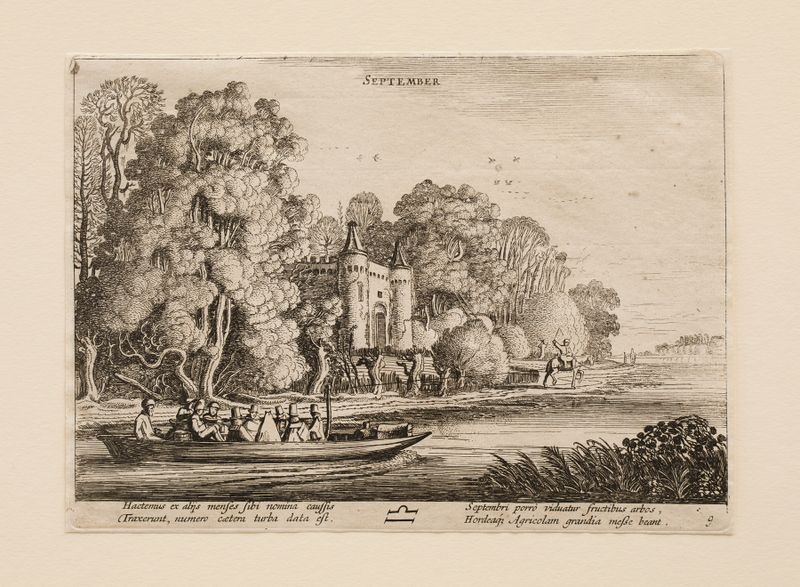
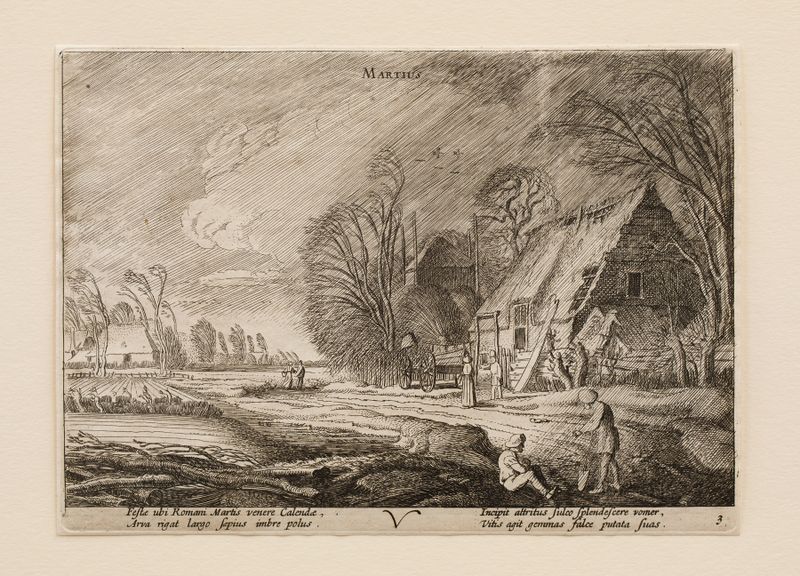
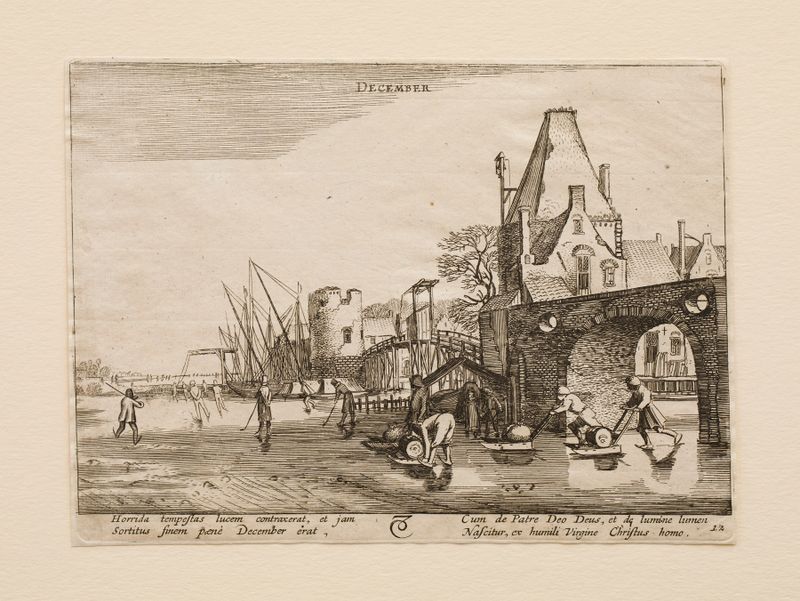
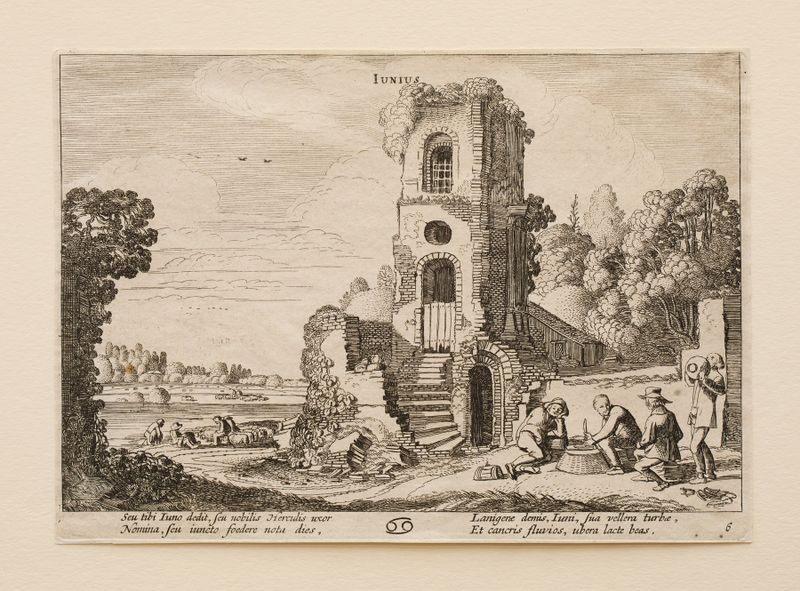
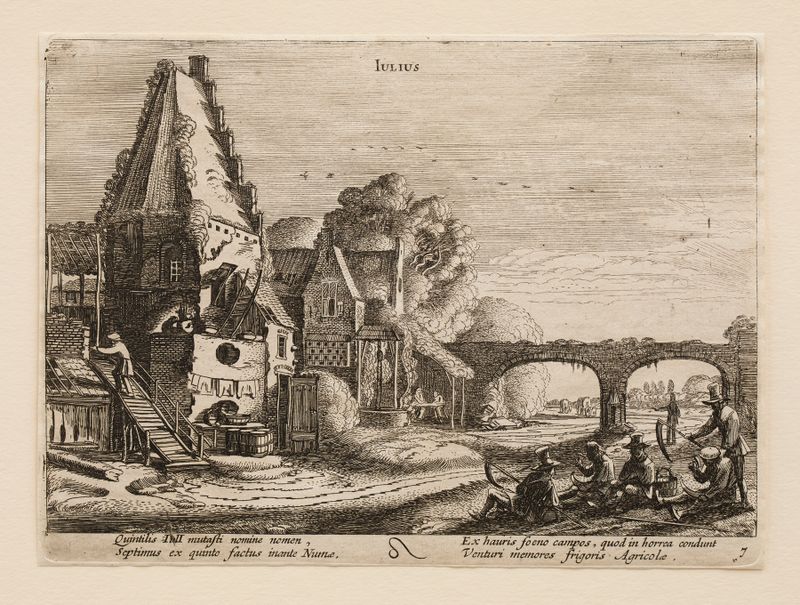
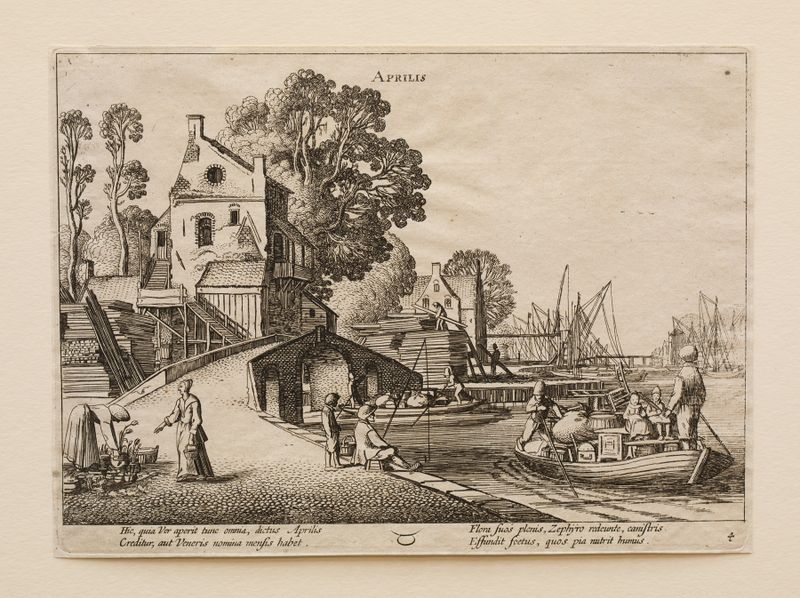
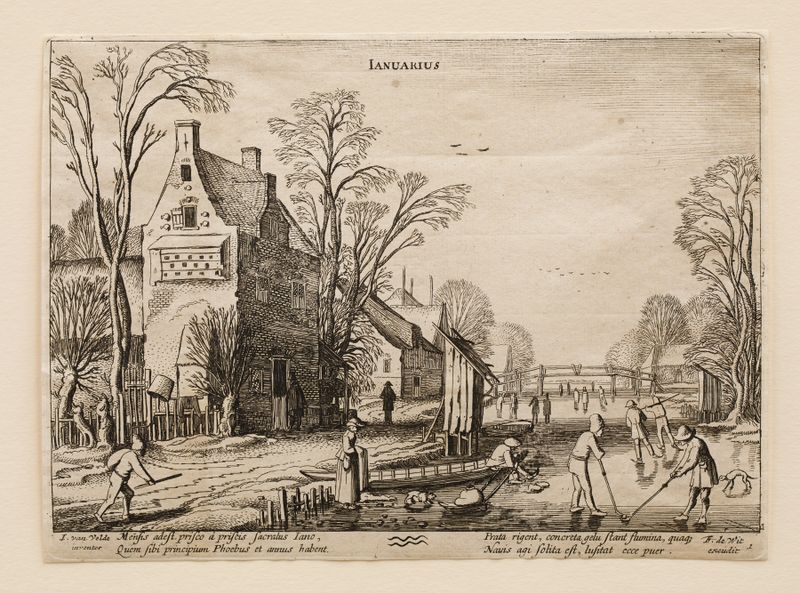
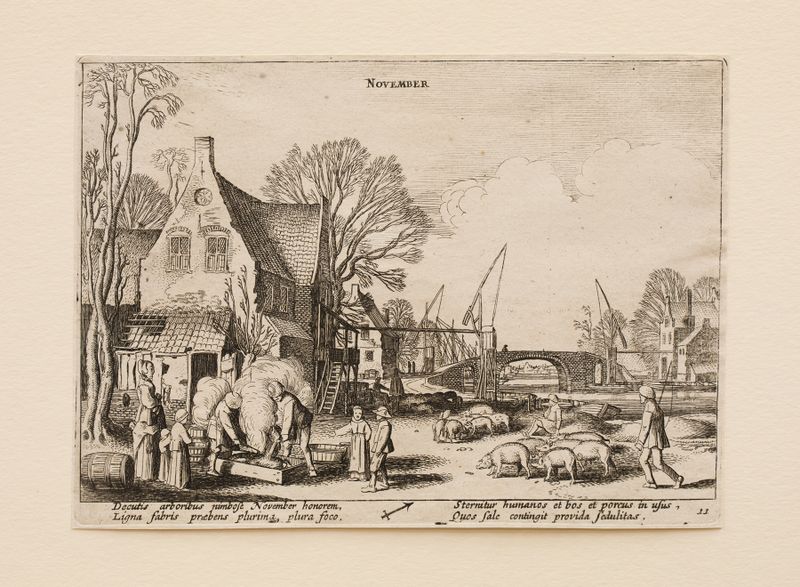
Within the stillness of February, yearning intertwines with solitude, whispering of moments lost and dreams unfulfilled. Each brushstroke holds the weight of winter's chill, invoking a deep sense of longing, as if the art itself breathes with anticipation. Look to the foreground, where the stark landscape stretches beneath a cold, muted sky. The desaturated hues of gray and brown depict a world stripped bare, each shade reflecting the lifelessness of the season.
Notice how the gentle blend of delicate lines and sparse details create a haunting serenity, drawing the eye toward the horizon, where the faintest hint of warmth teases the landscape, suggesting that spring, although distant, is not entirely absent. As you explore the composition, the contrast becomes palpable; the barren trees stand as silent sentinels, their twisted branches yearning for the life that once adorned them. This starkness resonates with an emotional undertone, evoking a poignant sense of nostalgia for the warmth and vibrancy of life. The almost-ghostly figures in the background appear to fade into the landscape, embodying the idea of loss amid the beauty of nature, a reminder of the fragility of existence. In 1616, Jan van de Velde painted February during a period of transition within Dutch art.
Emerging from the influence of the Northern Renaissance, he grappled with themes of nature and human emotion, reflecting the harsh realities of life in a changing world. This work captures a moment of introspection, mirroring both Van de Velde's artistic evolution and the broader societal shifts of his time.