September — History & Facts
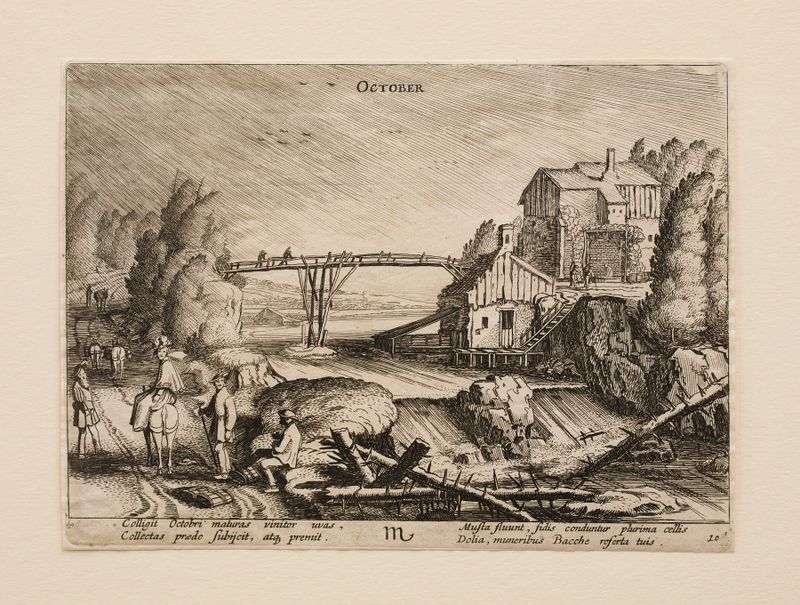
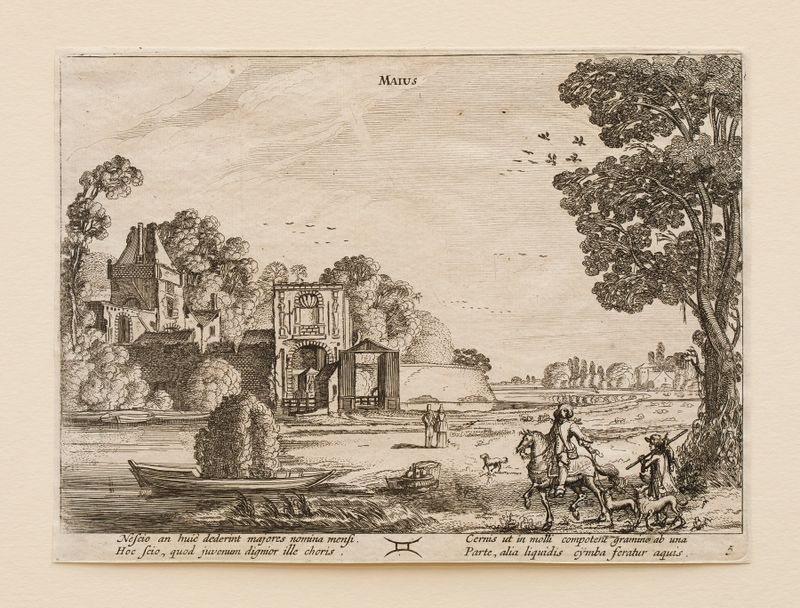
In the stillness of an autumn landscape, movement resonates through soft hues and gentle forms. The essence of September encapsulates the fleeting beauty of life as nature transitions toward dormancy, evoking a profound sense of nostalgia and the inevitability of change. Look to the center of the composition, where the vibrant oranges and deep russets of trees stand in sharp contrast against the cool blues of a serene sky. The meticulous detailing of each leaf, captured with delicate strokes, draws the viewer into the heart of the scene.
Notice the gentle undulation of the landscape as it recedes into the horizon, expertly crafted to evoke both depth and tranquility. The interplay of light and shadow plays a crucial role here, imbuing the scene with a dynamic quality that suggests the moment is alive, even as it is fixed on canvas. As the viewer explores the edges, subtle details emerge: a solitary figure meandering through the foliage, hands clasped, lost in contemplation. This element of human presence introduces a poignant contrast between the vibrancy of nature and the stillness of the soul.
The painting captures a moment rife with emotion, where the vibrancy of life collides with the introspection that accompanies change, inviting a dialogue between the observer and the artwork about the passage of time. Jan van de Velde created September in 1616, during a time when the Dutch Golden Age was flourishing, marked by innovation in landscape painting. Living amidst a period of great artistic exploration, he was influenced by the emerging interest in naturalism and detail, which would come to define his body of work. This painting exemplifies his commitment to portraying the serenity and beauty of the world, reflecting both personal and collective experiences of transition.