May — History & Facts
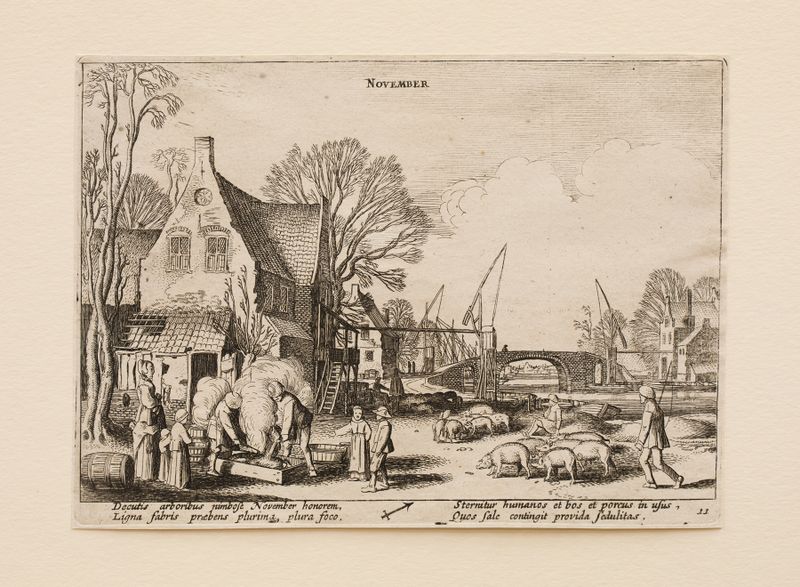
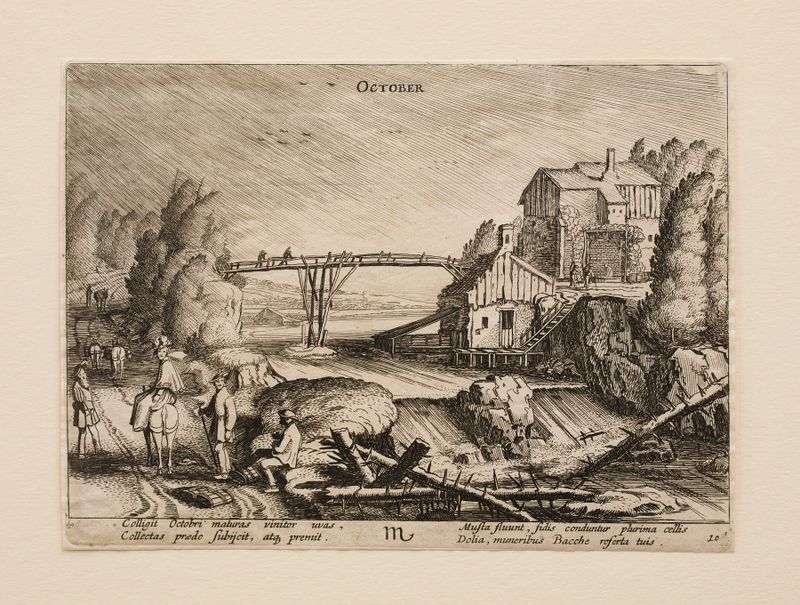
Could a single brushstroke hold eternity? In May, the essence of awakening is captured in every hue and delicate detail, inviting the viewer to ponder the transformative power of nature. Look to the vibrant greens that sweep across the canvas, embodying the lush, verdant life of spring. Notice how the soft pastels of flowers dot the landscape, each petal seemingly alive with possibility. The composition is harmonious, drawing your eyes from the foreground's blossoming flora to the expansive sky, a gentle gradient of blue that suggests both serenity and change.
The light, rendered with a subtle touch, creates a warm glow, infusing the scene with a sense of renewal. Amidst the natural beauty, contrasts emerge—the fleeting nature of blossoms against the permanence of the earth, a reminder of life’s ephemeral beauty. The small figures scattered throughout evoke a sense of human connection to this awakening, each absorbed in their quiet contemplation. This relationship between humanity and nature reflects a deeper dialogue about the cycles of life, hinting at both joy and transience intertwined in the season's embrace. Created in 1616, May represents a pivotal moment for Jan van de Velde, who was known for his mastery of delicate line work and vivid color.
Working in the Netherlands during a time of burgeoning artistic exploration, he was influenced by the Dutch Golden Age, where nature’s beauty became a focal point for many artists. This period brought about a renewed appreciation for the natural world, which van de Velde embraced with a unique sensitivity, allowing him to convey the essence of spring in ways that resonate to this day.