January — History & Facts
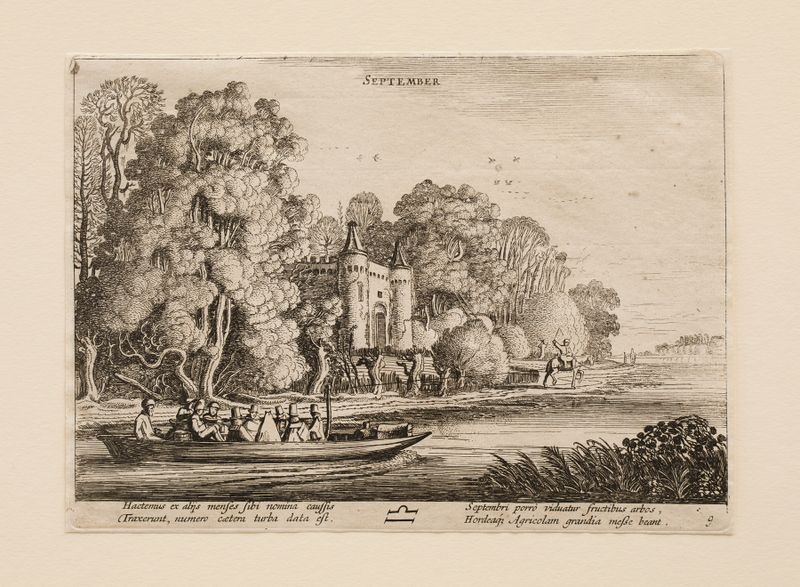
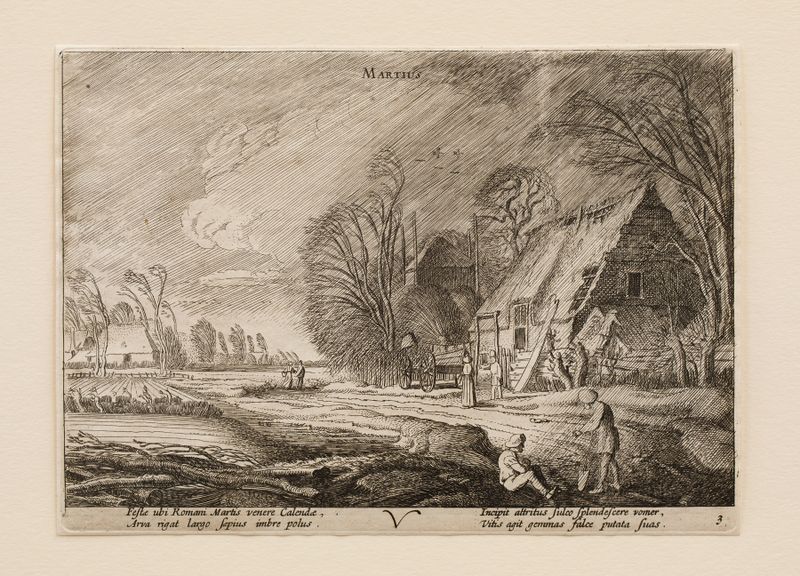
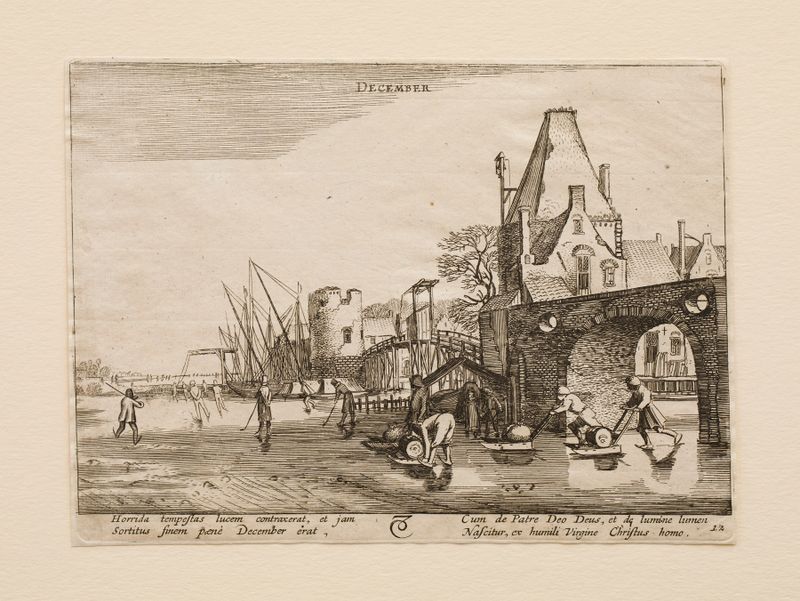
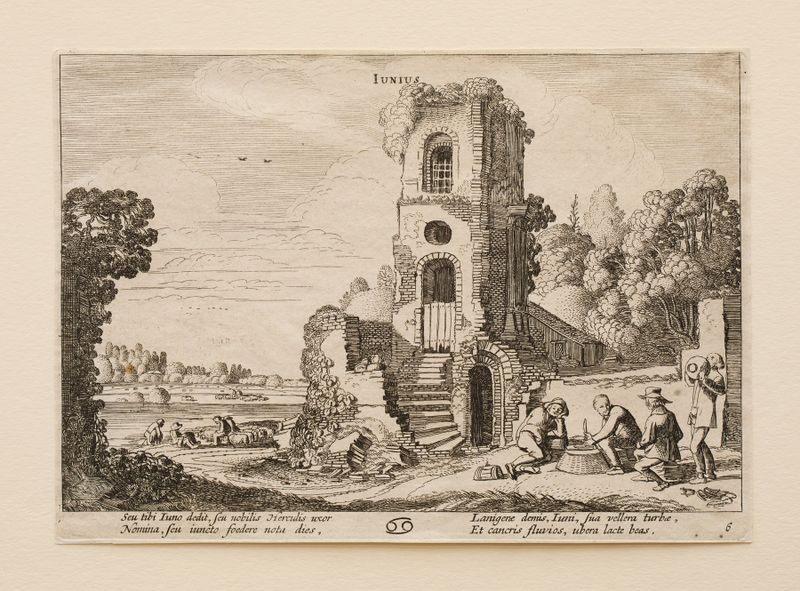
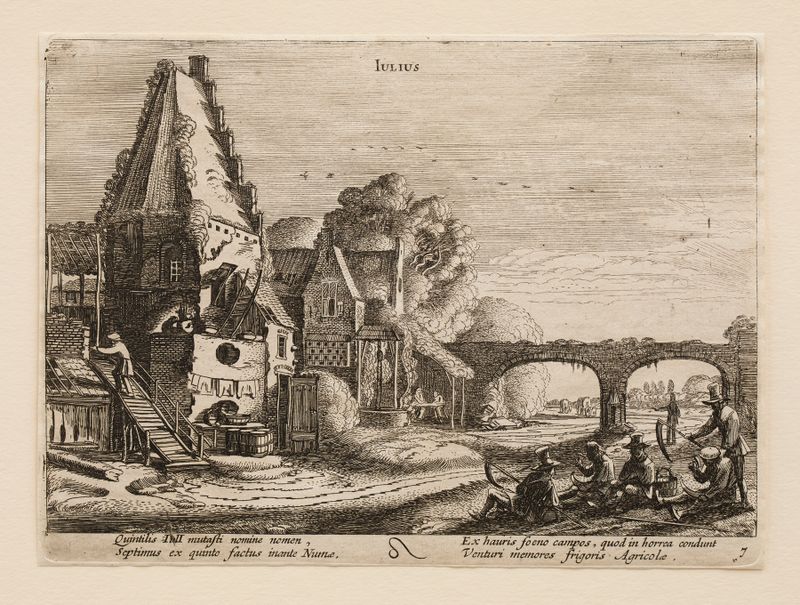
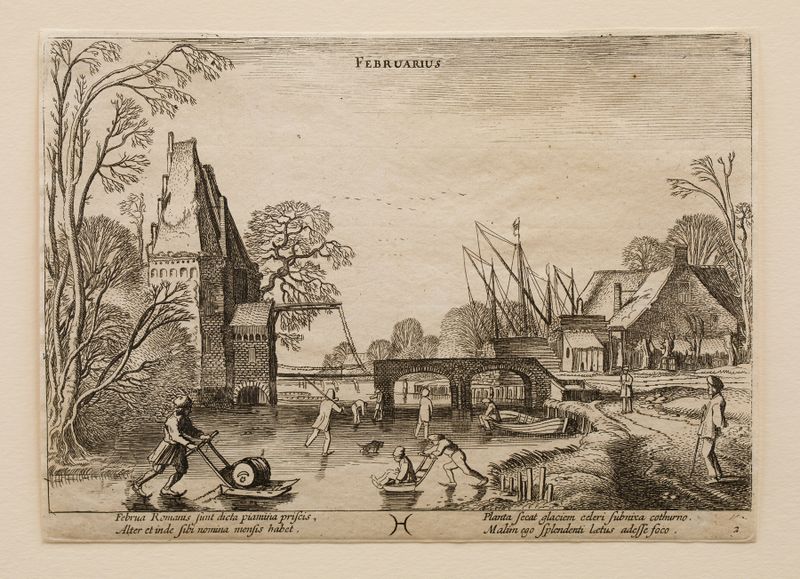
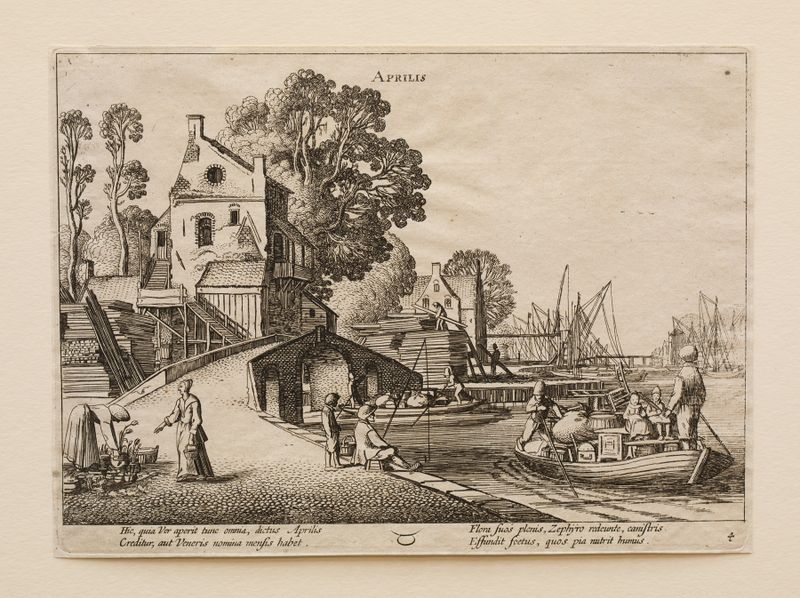
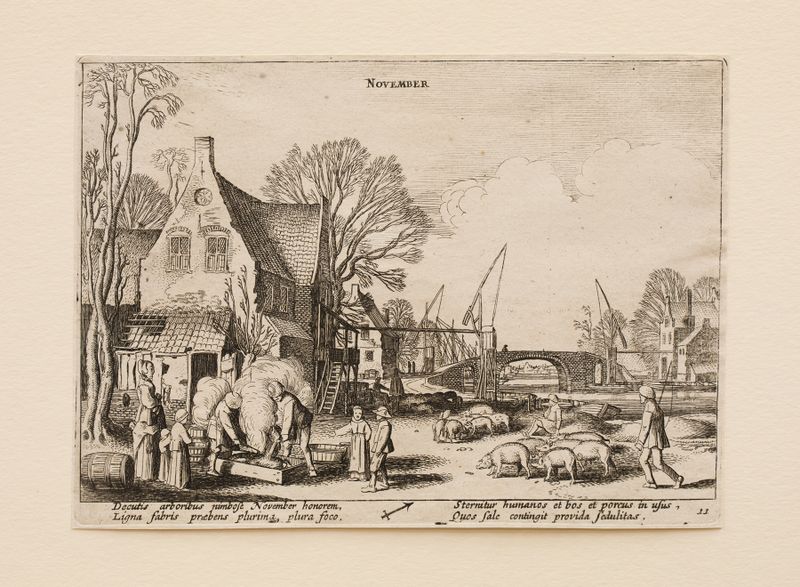
What if beauty was never meant to be finished? In January, the notion of time itself is captured in a delicate, intricate dance, weaving together the ephemeral and the eternal. Look to the center of the composition, where a figure stands ensconced among the swirling motifs of nature and intricately rendered objects. The cool blues and muted earth tones create a serene ambiance, inviting your gaze to linger on the richness of detail. Notice how the delicate lines illustrate the frost-kissed branches, evoking the chill of winter, while the soft highlights suggest illumination from an unseen source, hinting at the possibility of warmth hidden within the coldness of the season. The painting embodies contrasts—the harsh realities of winter against the promise of renewal.
The figures, though contoured in shadows, possess a palpable warmth in their gestures, bridging the gap between desolation and hope. Subtle elements, such as the tiny blossoms fighting against the frosty backdrop, symbolize resilience and the cyclical nature of existence, urging us to reflect on the passage of time and our place within it. In 1616, Jan van de Velde created this work during a period of significant artistic evolution in the Netherlands, where realism and naturalism were gaining prominence. His meticulous attention to detail and the harmonic balance of elements reflect a broader cultural shift towards celebrating the beauty of everyday life and nature.
Amidst the transformations in society and art, he found a way to encapsulate the essence of time, inviting viewers to ponder the fleeting nature of beauty.