July — History & Facts
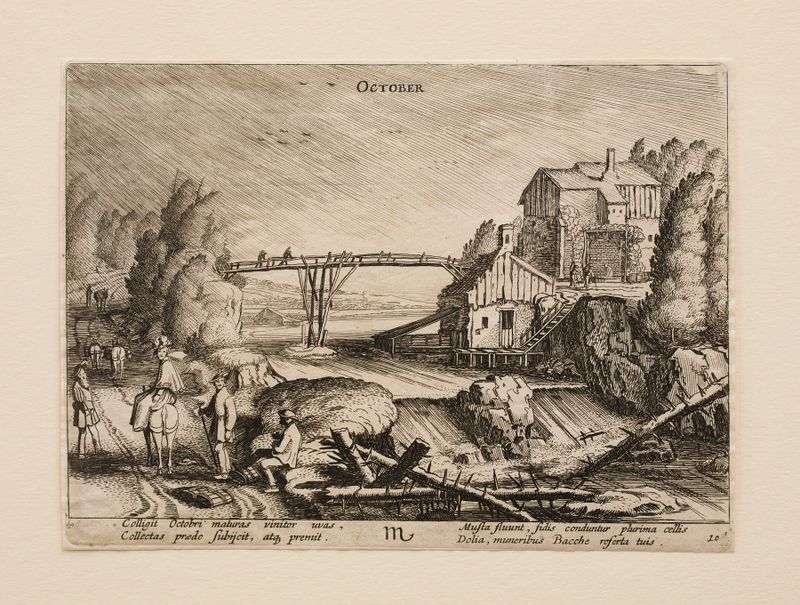
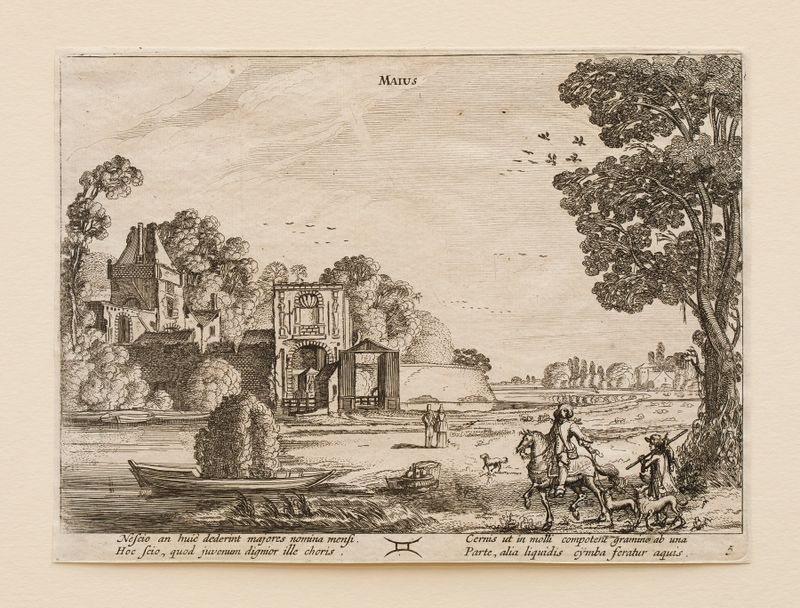
Such is the essence of legacy, where the weight of history intertwines with the ephemeral allure of the present. Look closely at the intricate details of July. Notice how the vibrant greens of the fields dominate the scene, capturing the lushness of summer, while the golden hues of sunlight spill across the landscape, illuminating the toil of the harvest. The foreground invites you in with its vivid depiction of fruit and flowers, their colors rich and inviting, hinting at the abundance of nature.
In the background, a serene sky transitions from azure to the warm tones of evening, suggesting the fleeting nature of time. Beneath this picturesque surface lies a poignant contrast. The bountiful harvest speaks of prosperity and delight, yet the weary figures laboring in the fields evoke a sense of struggle and sacrifice. Each fruit, carefully painted, carries the weight of the hands that toiled for it, serving as a reminder that beauty often emerges from hardship.
This duality questions the viewer: what is the true cost of abundance? In 1616, Jan van de Velde painted this piece during a time of significant transition in the art world, as the Northern European landscape began to assert its identity amidst the influences of the Renaissance. Living in Amsterdam, van de Velde was inspired by both the natural environment and a growing appreciation for still lifes, reflecting the societal values of labor and harvest inherent in his community. This painting, with its meticulous attention to detail, marks a moment of personal and artistic legacy for the artist.