November — History & Facts
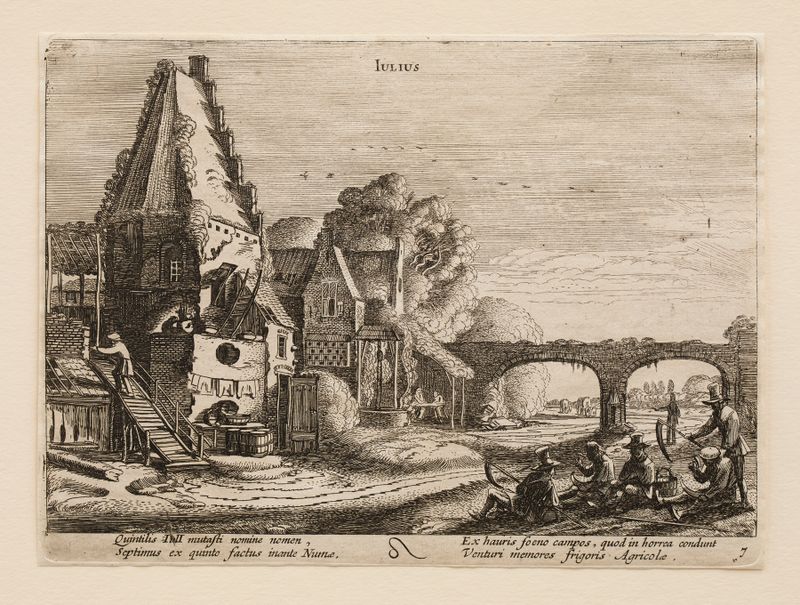
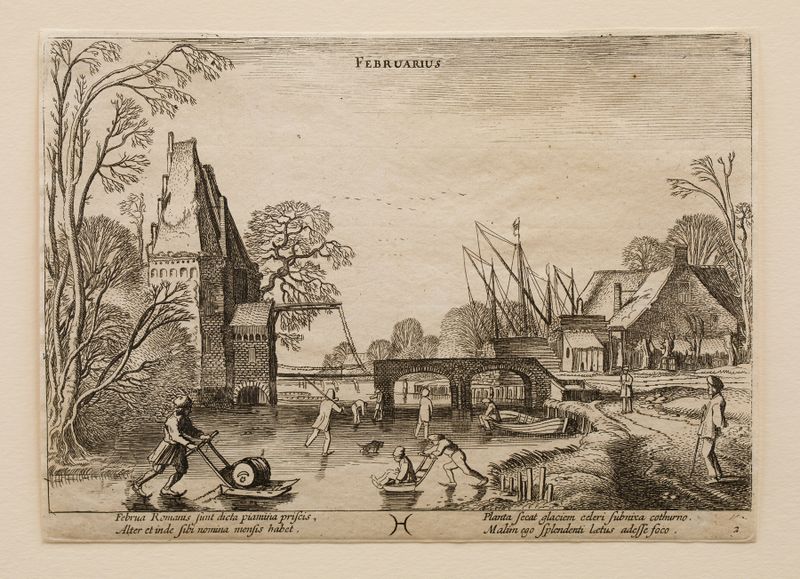
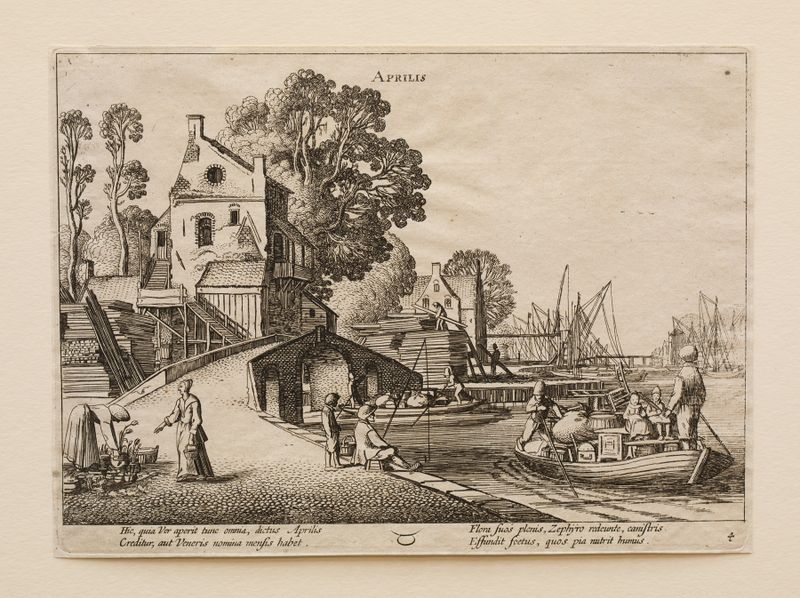
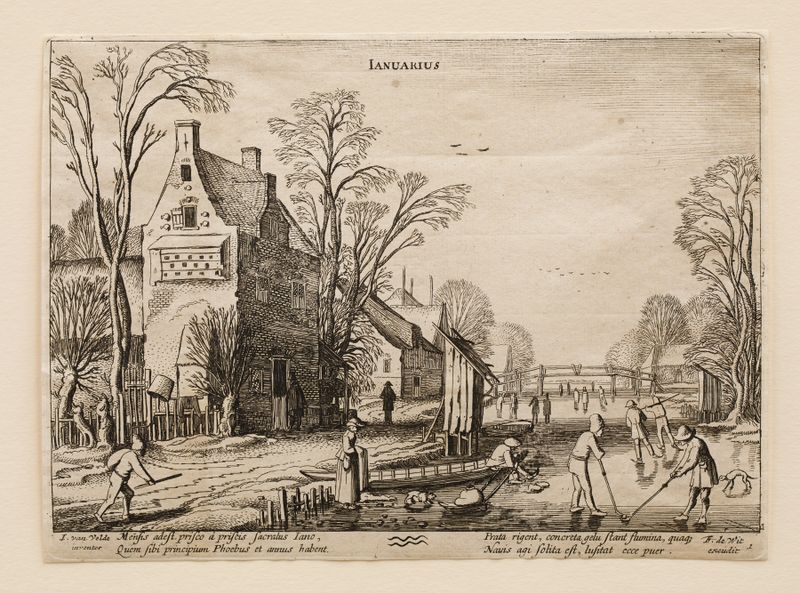
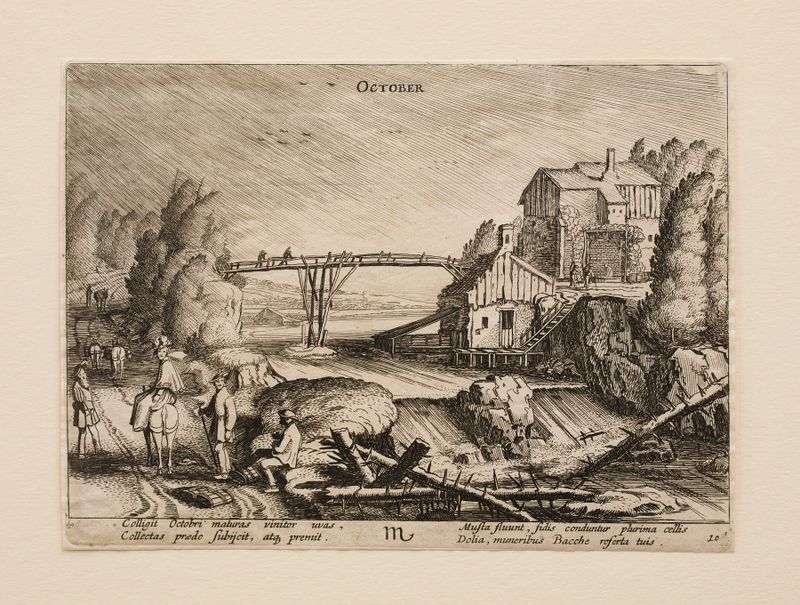
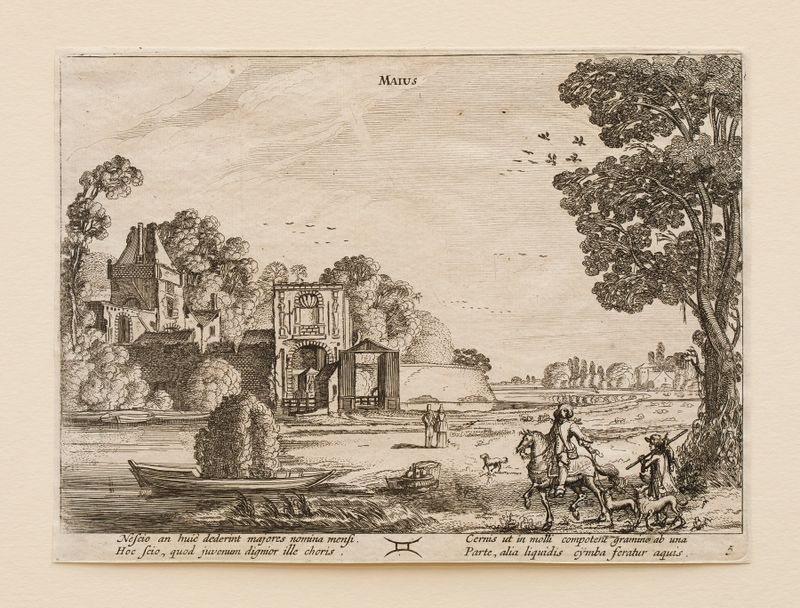
Could a single brushstroke hold eternity? In the delicate simplicity of November, one can sense the weight of legacy, evoking the quiet contemplation of nature's cycle and the passage of time. Focus on the intricate details that emerge from the muted palette; look closely at the tender strokes that outline the bare branches and wispy clouds. Notice how the subtle hues of brown and gray blend seamlessly, creating a somber yet serene atmosphere. The horizon, nearly absent, invites the viewer to feel the vastness of the sky and the stillness of the landscape, drawing you into a moment suspended between the past and the future. Here, the contrast between the starkness of the trees and the softness of the clouds speaks to the tension between life and decay, a poignant reminder of nature's resilience.
Each element, from the thin branches reaching outward to the fading light, carries emotional significance, suggesting both loss and the quiet promise of renewal. This harmony of opposites reflects a deeper understanding of existence itself, encapsulating the bittersweet beauty of transition. In 1616, Jan van de Velde painted November during a time marked by a growing interest in landscapes among artists in the Netherlands. The early 17th century was a period of exploration and reflection, as artists sought to capture everyday life and nature in their work.
This painting reflects not only Van de Velde’s technical skill but also the broader cultural shifts that emphasized the beauty of the natural world, linking personal legacy with the universal cycles of life.