
Deep in the Rockies — History & Facts
The first thing that draws the eye in Deep in the Rockies is not a dramatic peak or a rushing river, but the dense, layered hush of green upon green. The artist, Albert Bierstadt, chooses to immerse the viewer in a thicket of foliage, where the sunlight sifts gently through the canopy, catching on the tips of leaves and bathing the undergrowth in a golden haze. There is no grand vista here—no horizon to escape to—only the enveloping presence of the forest itself, each tree rendered with a patient attention that invites the viewer to linger.
The light leads the gaze upward, where the sky, barely visible, lends a quiet contrast to the lush profusion below. Works like this belong to a moment when American landscape painting was both a celebration and an exploration—a way for artists to bring home the vastness and variety of the continent. In the later nineteenth century, painters such as Bierstadt became known for their sweeping panoramas of the American West, often commissioned by collectors eager to possess a piece of the new frontier. Yet, as this painting—sold at Heritage Auctions, Dallas, in November 2006—reminds us, the quieter corners of nature held their own fascination.
History has kept few traces of this particular work’s journey, but its stillness and detail invite us to step closer, to see what might be waiting just beyond the next veil of leaves.
More Artworks by Albert Bierstadt

A Storm in the Rocky Mountains, Mt. Rosalie
Albert Bierstadt
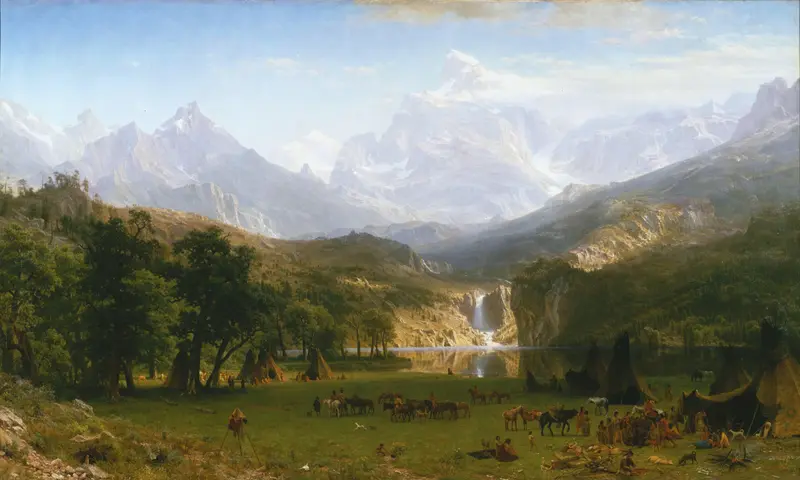
The Rocky Mountains, Lander's Peak
Albert Bierstadt
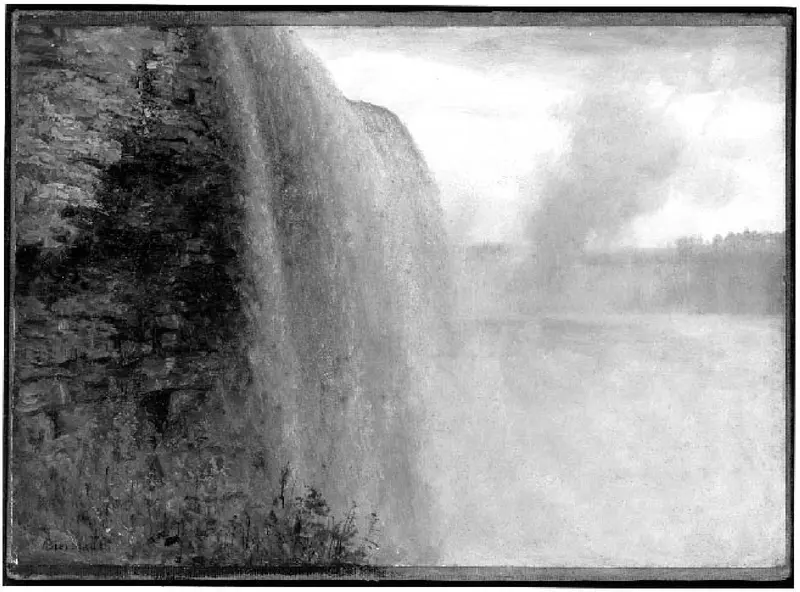
Niagara from the American Side
Albert Bierstadt
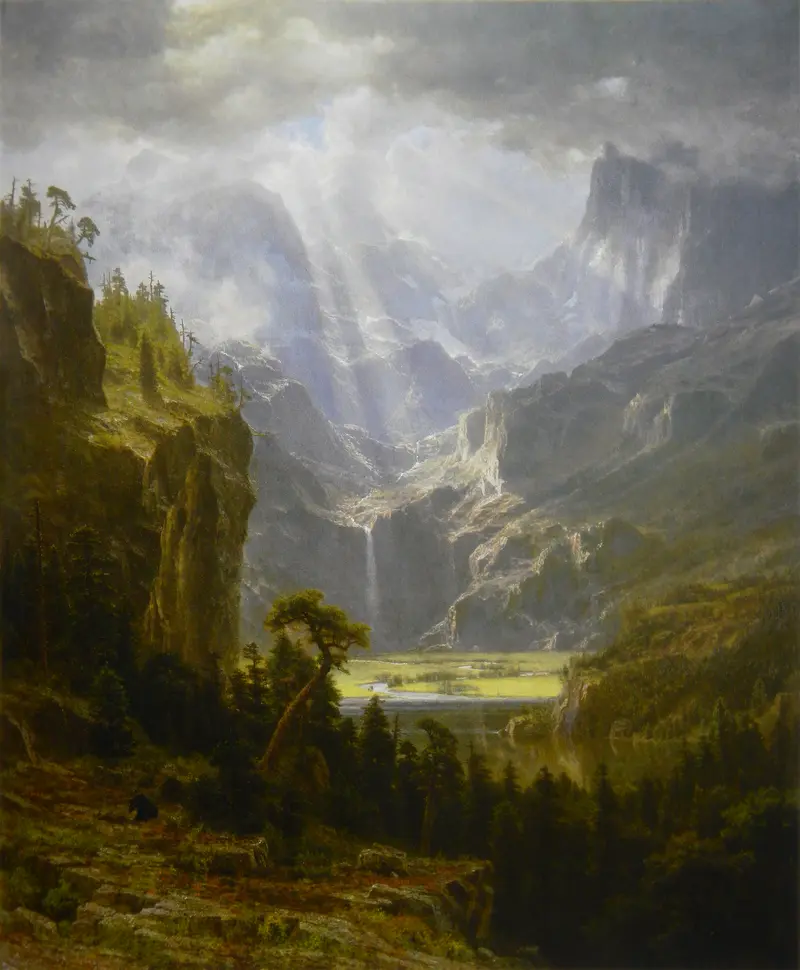
Rocky Mountains, Lander’s Peak
Albert Bierstadt

Valley of the Yosemite
Albert Bierstadt
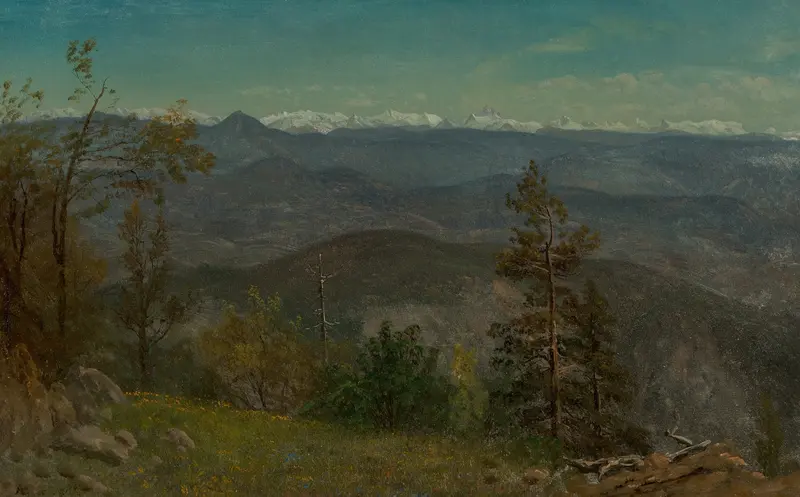
Yosemite Valley, California
Albert Bierstadt
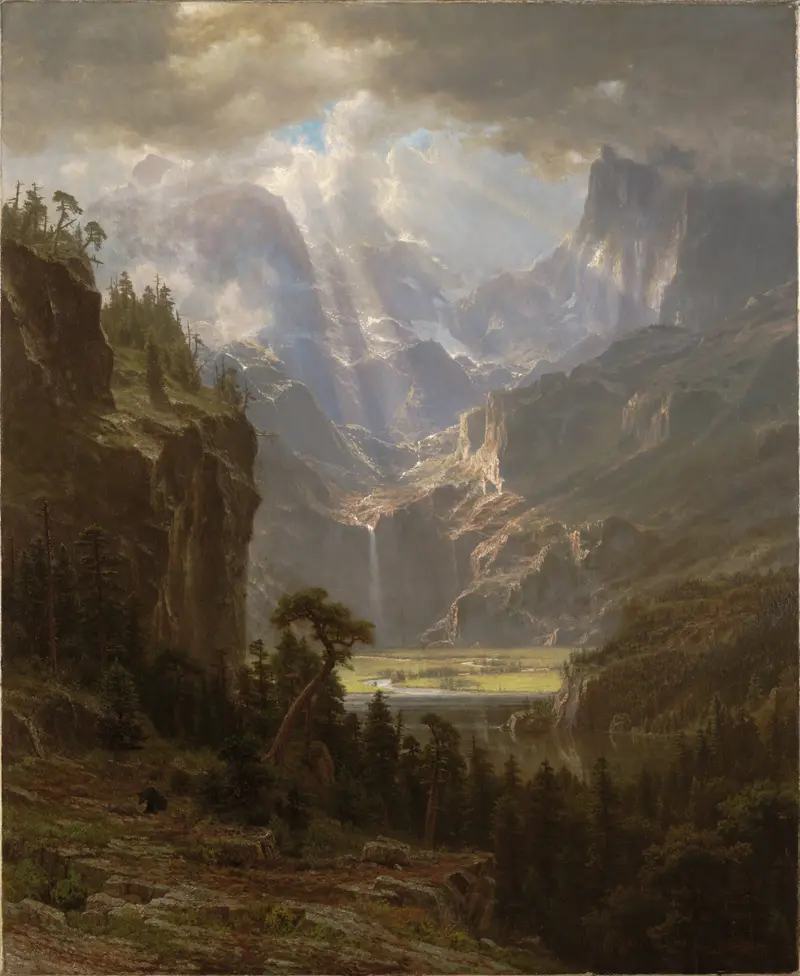
Rocky Mountains, "Lander's Peak"
Albert Bierstadt

Laramie Peak
Albert Bierstadt
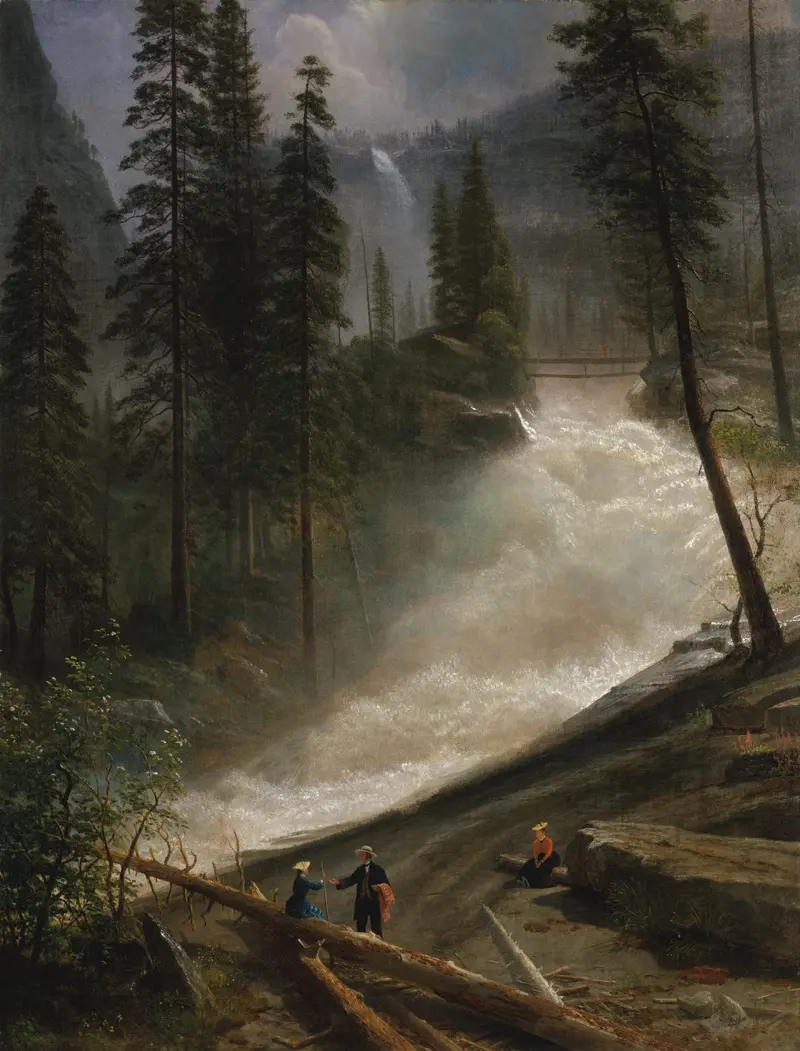
Nevada Falls, Yosemite
Albert Bierstadt
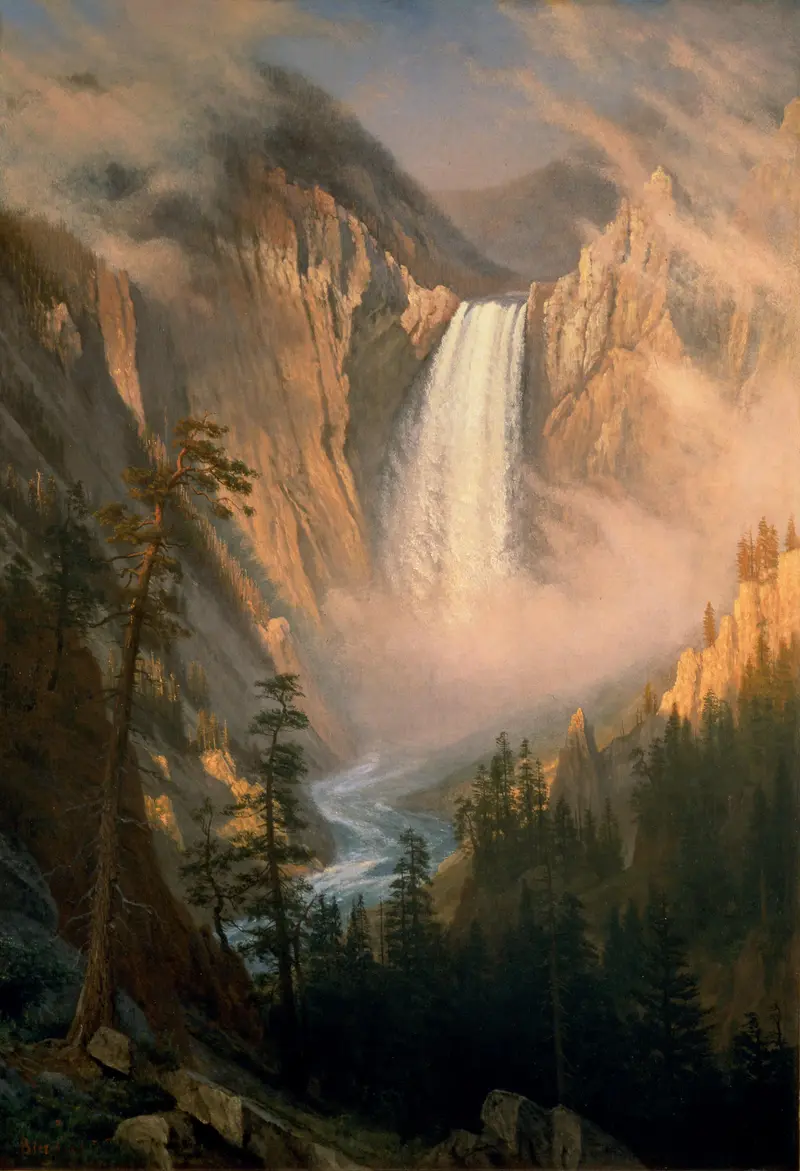
Yellowstone Falls
Albert Bierstadt
More Landscape Art

The Starry Night
Vincent van Gogh

View of Delft
Johannes Vermeer

Water Lilies
Claude Monet

The Grand Canal, Venice, looking north-west from the Ca' Corner to the Ca' Contarini degli Scrigni, with the campanile of Santa Maria della Carità
Canaletto

Windsor Castle
Canaletto

The Grand Canal looking North-East from the Palazzo Dolfin-Manin to the Rialto Bridge
Canaletto