
Deer in Mountain Home — History & Facts
What first seizes the viewer here is the hush: four deer pause in a wide, sunlit field, dwarfed by the jagged, snow-tipped peaks that rise behind them. The animals, alert but at ease, draw the eye with their poised forms—one lies in the grass, another grazes, while the others stand watchful, their bodies catching the last warmth of the day. The mountain range dominates the horizon, its sharp ridges catching golden light and casting deep blue shadows, while the sky above stretches clear and endless, punctuated by delicate bands of cloud.
Every detail signals a world both wild and serene, where the presence of the deer feels both fragile and inevitable, as if they are the rightful inhabitants of this vast, untamed home. Painted around 1879, Deer in Mountain Home belongs to a period when American artists, and especially Albert Bierstadt, sought to capture the grandeur of the West for audiences hungry for visions of untouched nature. Such works were often commissioned or collected by patrons eager to celebrate—and sometimes justify—the expansion into these distant landscapes. Bierstadt became known for his sweeping vistas, and this painting, now in the Whitney Gallery of Western Art, is a quieter moment within that tradition: less about conquest, more about coexistence.
The painting invites us to linger, to follow the line of the mountains and the gentle curve of the deer’s backs, and to imagine the world as it might have appeared before the fences and railroads arrived.
More Artworks by Albert Bierstadt

A Storm in the Rocky Mountains, Mt. Rosalie
Albert Bierstadt
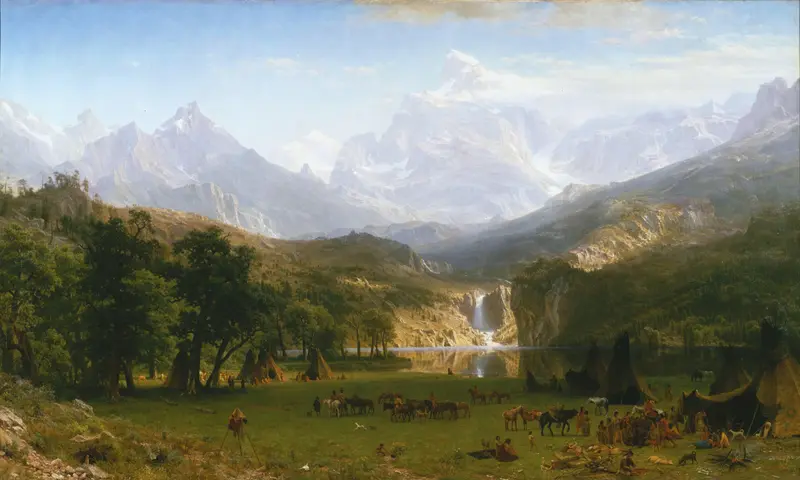
The Rocky Mountains, Lander's Peak
Albert Bierstadt
Niagara from the American Side
Albert Bierstadt
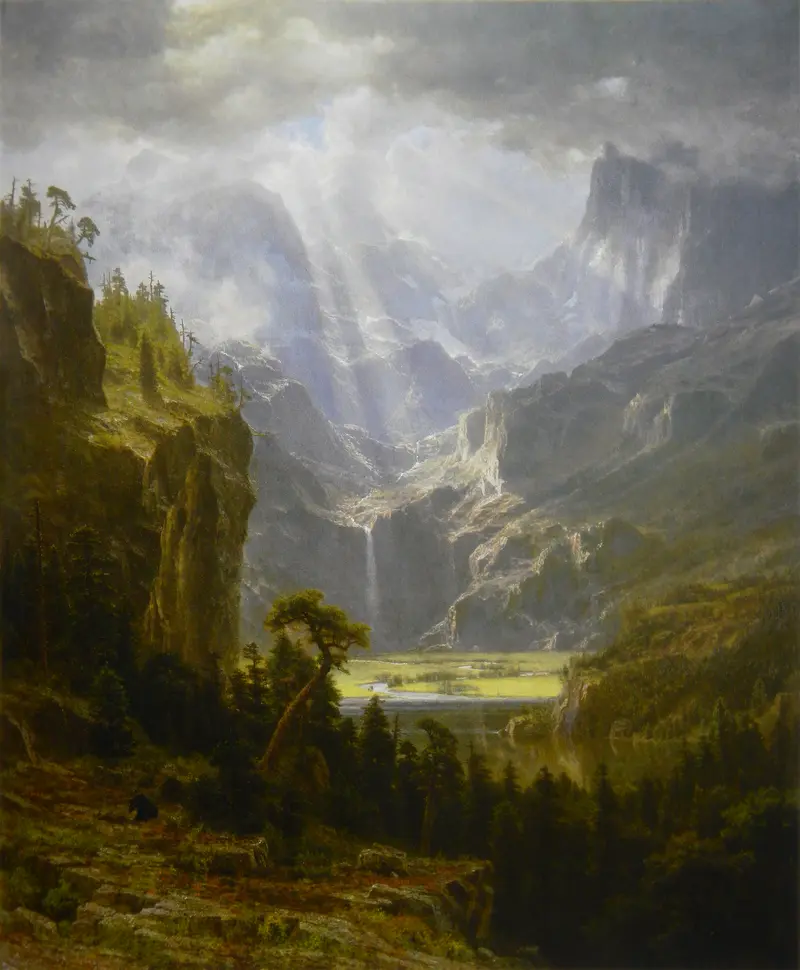
Rocky Mountains, Lander’s Peak
Albert Bierstadt

Valley of the Yosemite
Albert Bierstadt
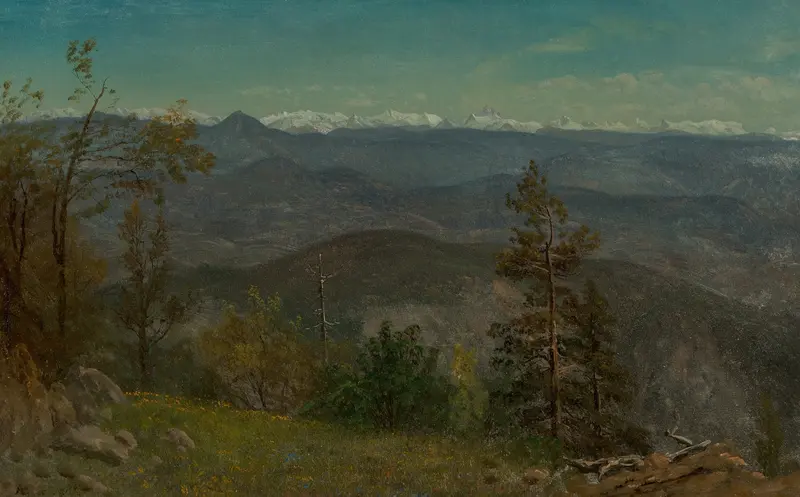
Yosemite Valley, California
Albert Bierstadt
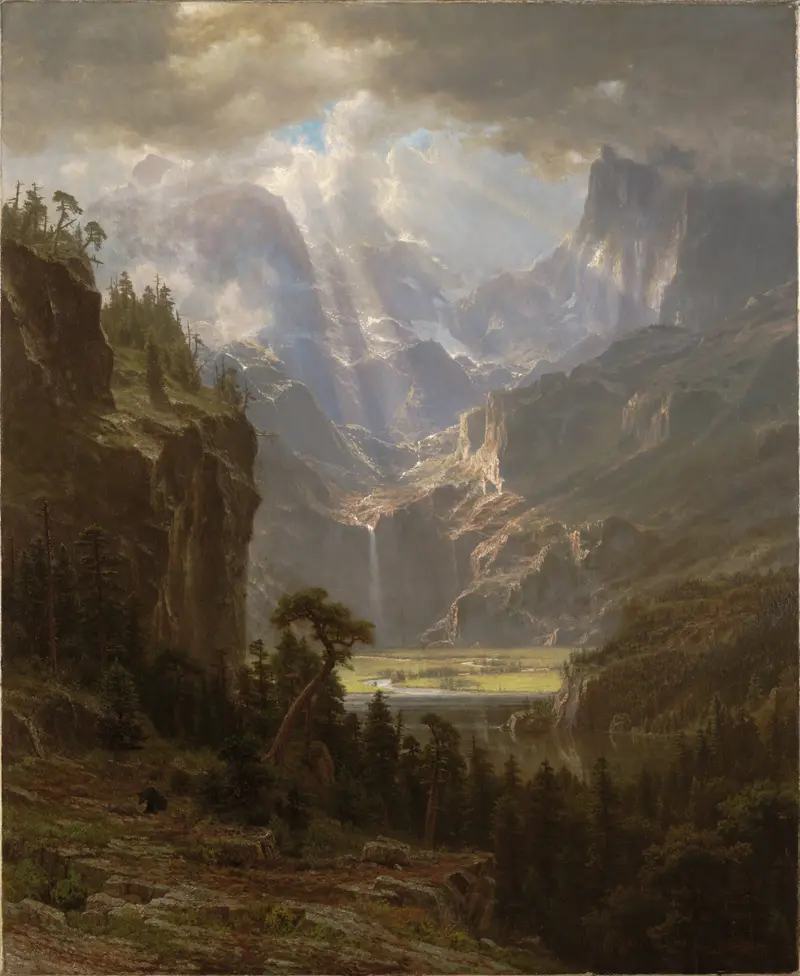
Rocky Mountains, "Lander's Peak"
Albert Bierstadt

Laramie Peak
Albert Bierstadt
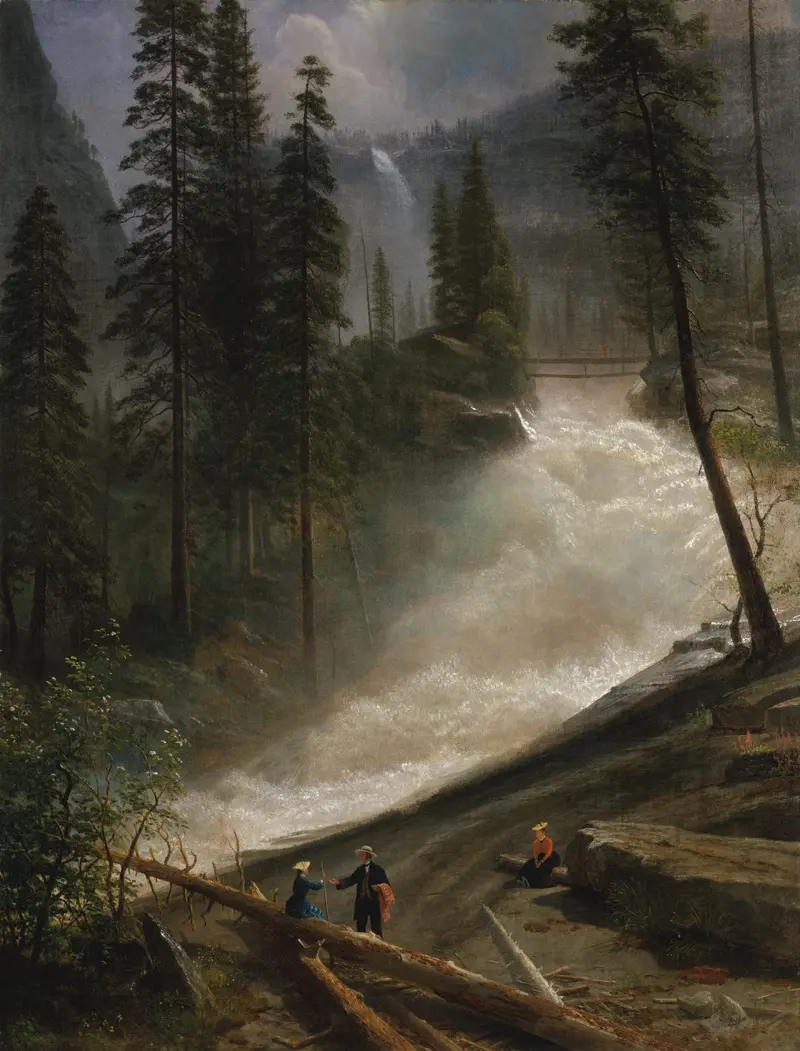
Nevada Falls, Yosemite
Albert Bierstadt
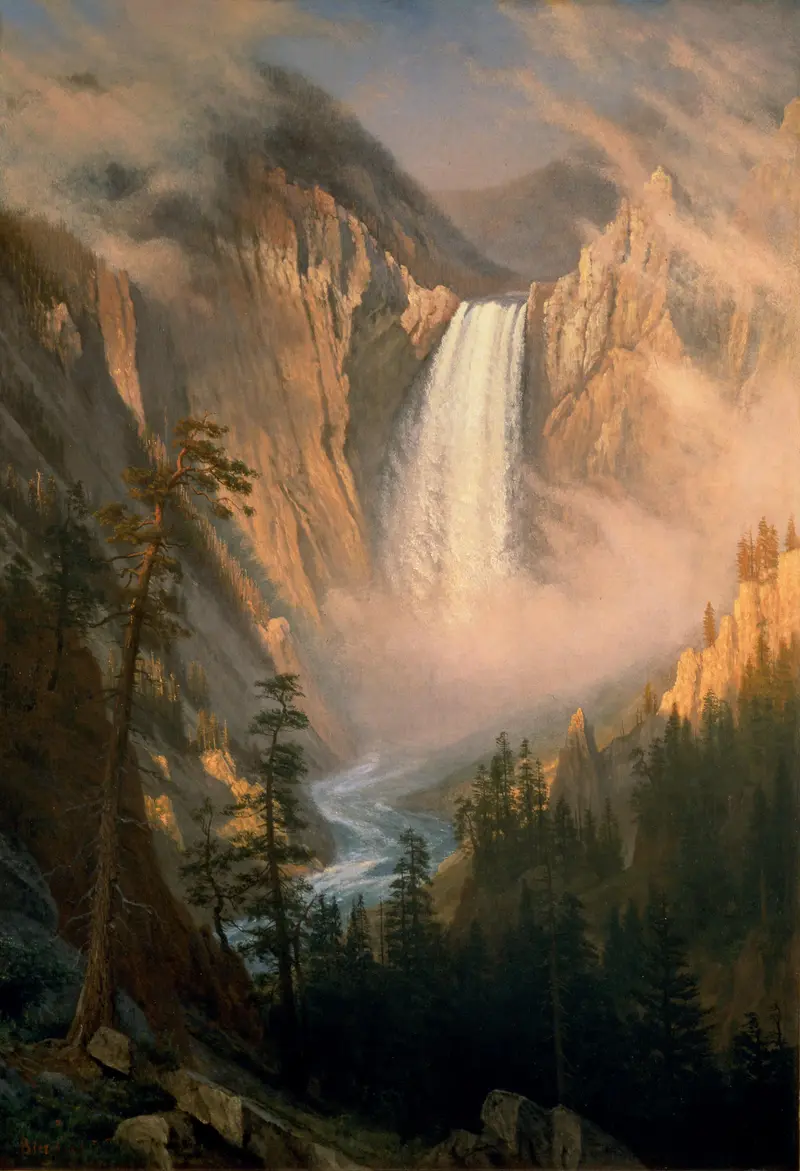
Yellowstone Falls
Albert Bierstadt
More Landscape Art

The Starry Night
Vincent van Gogh

View of Delft
Johannes Vermeer

Water Lilies
Claude Monet

The Grand Canal, Venice, looking north-west from the Ca' Corner to the Ca' Contarini degli Scrigni, with the campanile of Santa Maria della Carità
Canaletto

Windsor Castle
Canaletto

The Grand Canal looking North-East from the Palazzo Dolfin-Manin to the Rialto Bridge
Canaletto