Deer—Sketch from Nature — History & Facts
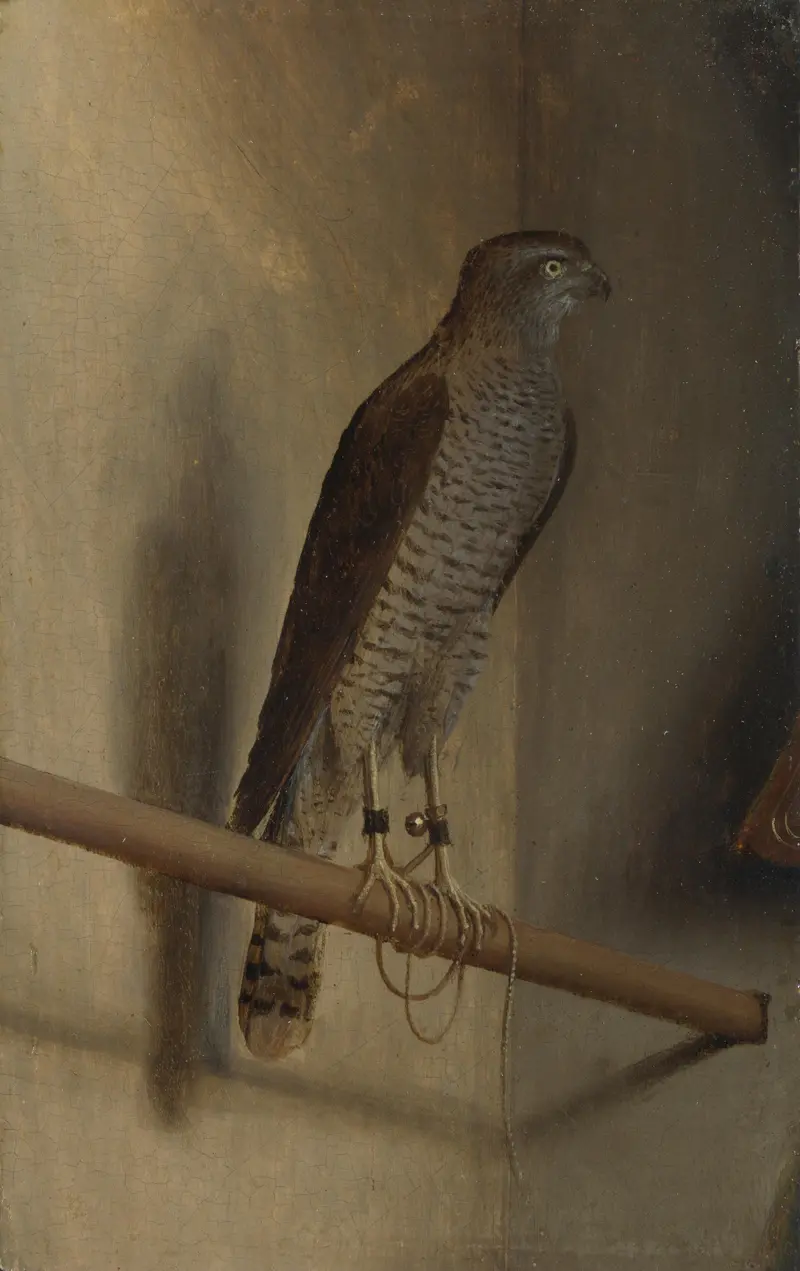
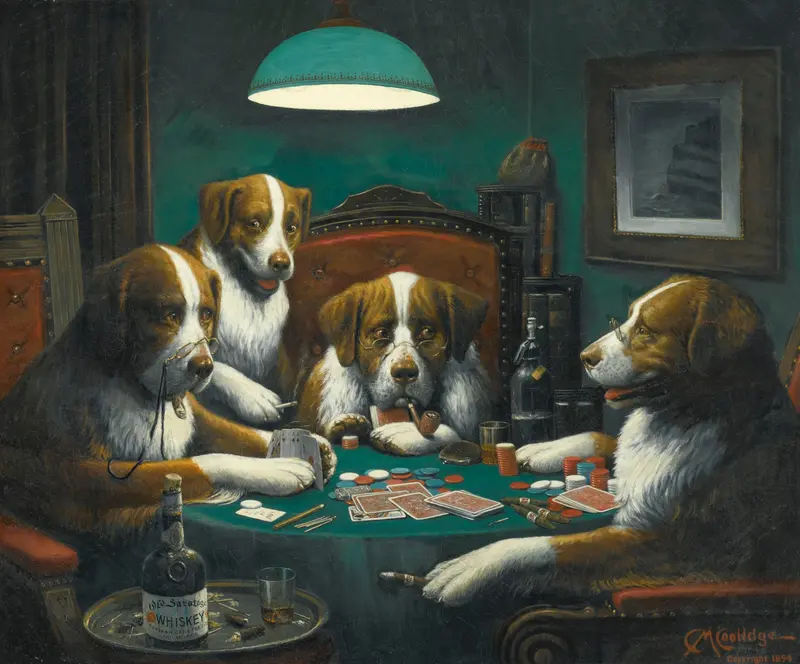
A shaft of light falls across the flank of a young deer, catching its alert gaze and the subtle tension in its stance. The animal stands poised at the edge of a clearing, its body turned as if caught mid-step, listening for a sound just out of the viewer’s reach. The artist’s hand lingers on the soft, almost luminous texture of the deer’s coat, while the background dissolves into a haze of leaves and shadow, drawing the eye back to the animal’s delicate silhouette.
Here, every detail—the tilt of the ears, the gentle shadow beneath the belly—serves to heighten a sense of watchfulness and quiet suspense, as if the world beyond the frame might shift at any moment. Created circa 1882, Deer—Sketch from Nature belongs to a period when American artists like Arthur Fitzwilliam Tait found both inspiration and acclaim in the observation of wildlife. Such works were often commissioned by collectors eager to bring the untamed American landscape into their parlors, or by sportsmen seeking to commemorate the animals that populated their expeditions. The painting’s presence today in the Metropolitan Museum of Art’s collection—thanks to a public-spirited donation—reminds us how much of this era’s art was shaped by a fascination with nature as both subject and spectacle.
Look again at the deer’s steady gaze, and consider how the quiet drama of a single animal could once carry the weight of a continent’s imagination.
More Artworks by Arthur Fitzwilliam Tait
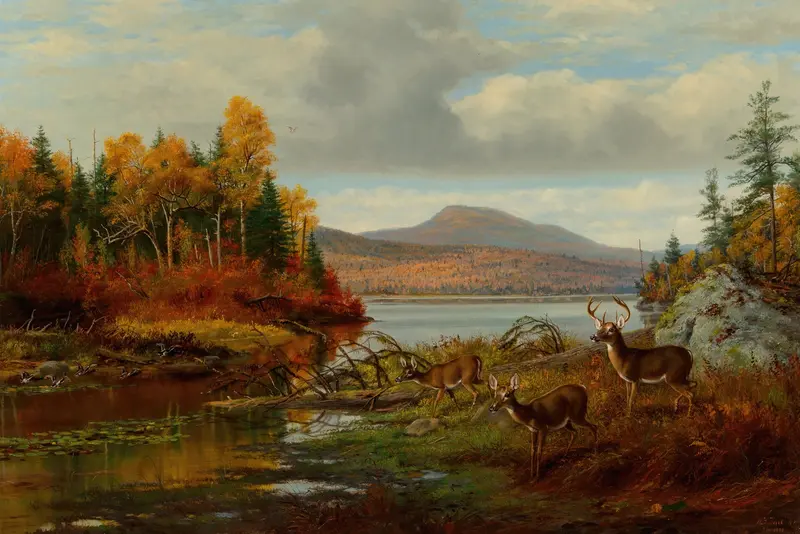
Late Autumn, Long Lake, Hamilton Co., New York, Adirondacks
Arthur Fitzwilliam Tait
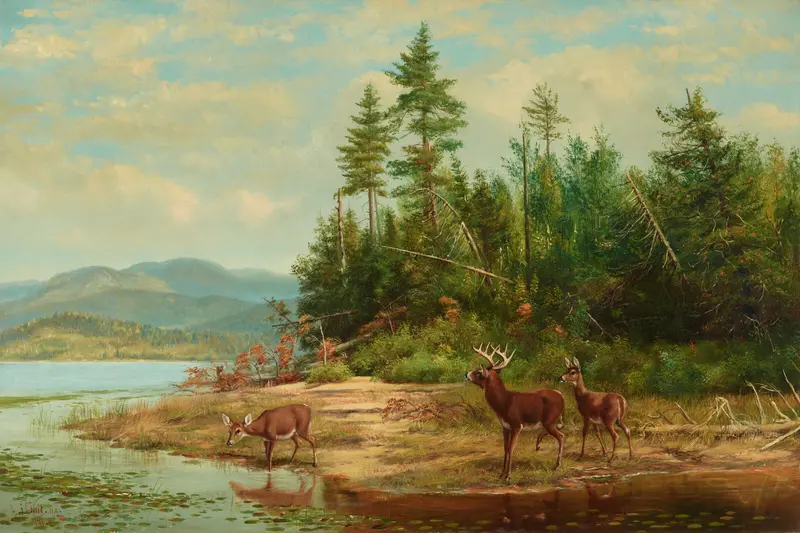
View on Long Lake
Arthur Fitzwilliam Tait
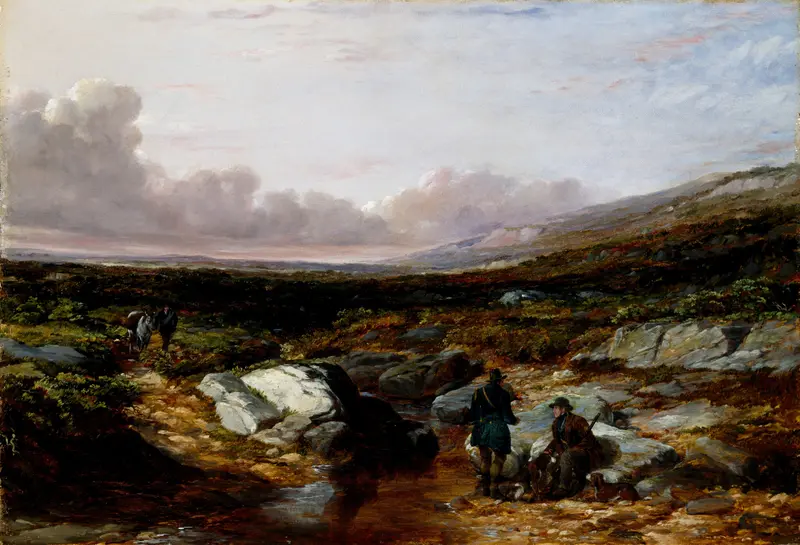
Deer Stalking in Scotland; Getting Ready
Arthur Fitzwilliam Tait
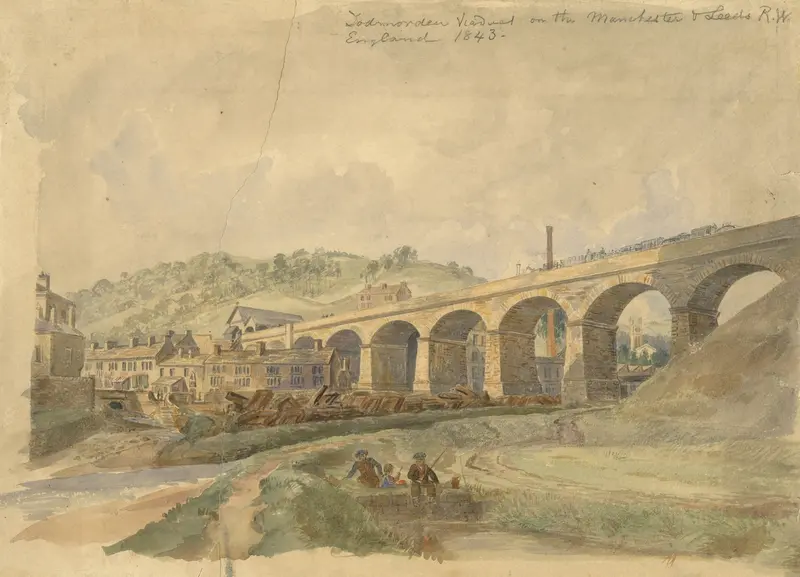
Todmorden Viaduct on the Manchester and Leeds Railway, England
Arthur Fitzwilliam Tait
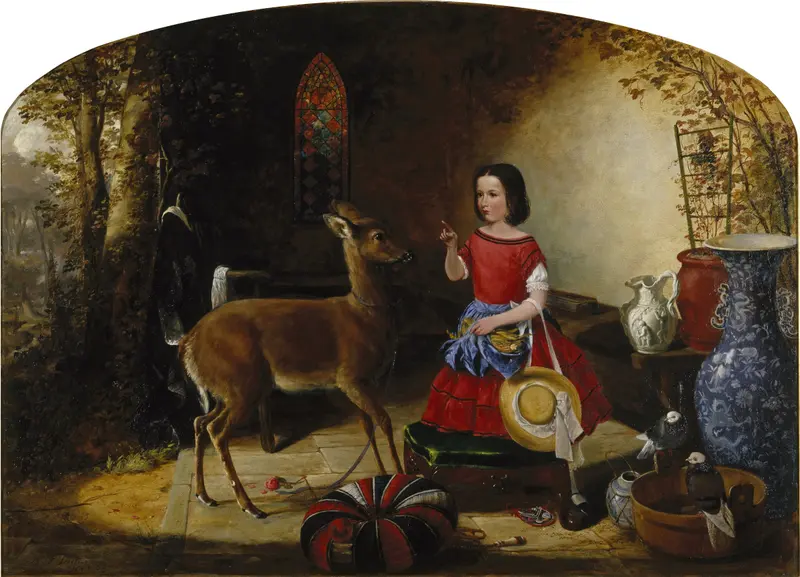
The Reprimand. Ah! You Naughty Fawn, You Have Been Eating the Flowers Again.
Arthur Fitzwilliam Tait
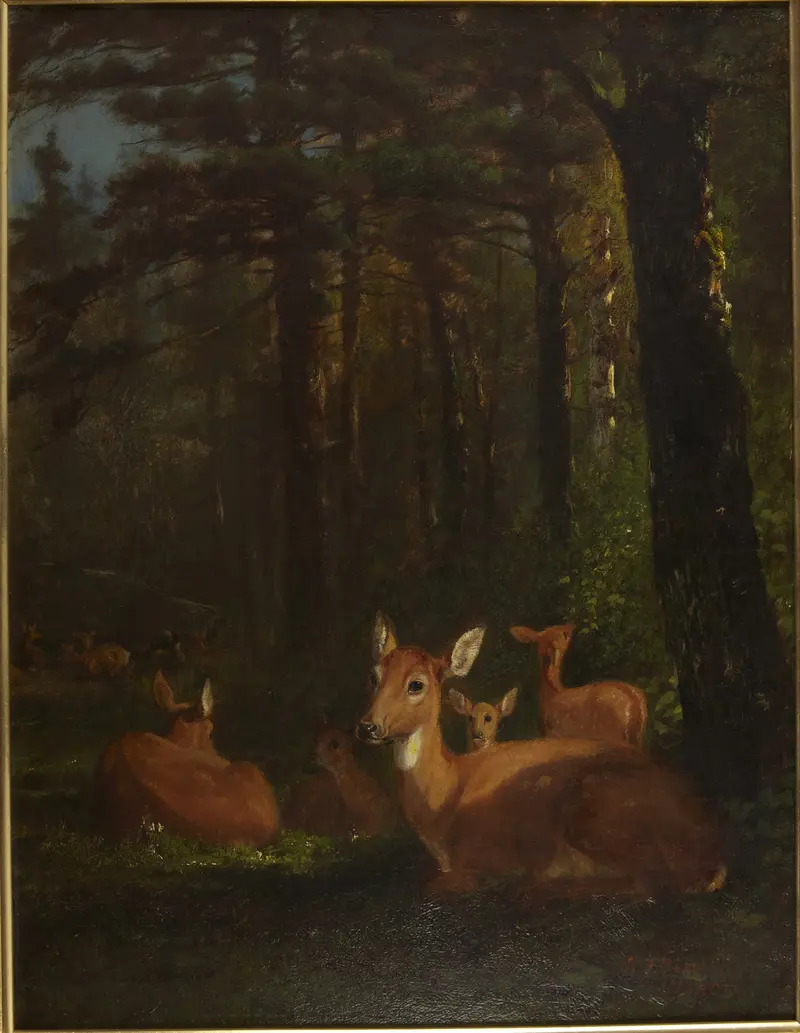
Deer in Forest
Arthur Fitzwilliam Tait
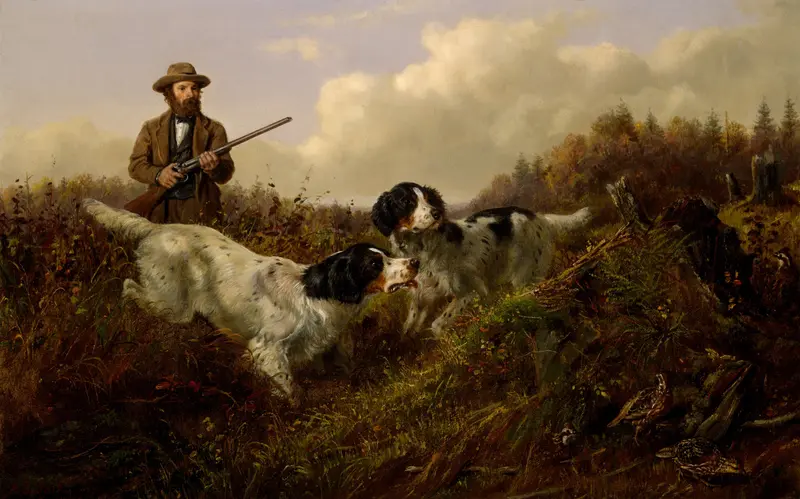
Flushing Grouse, Long Lake, Hamilton County, New York
Arthur Fitzwilliam Tait
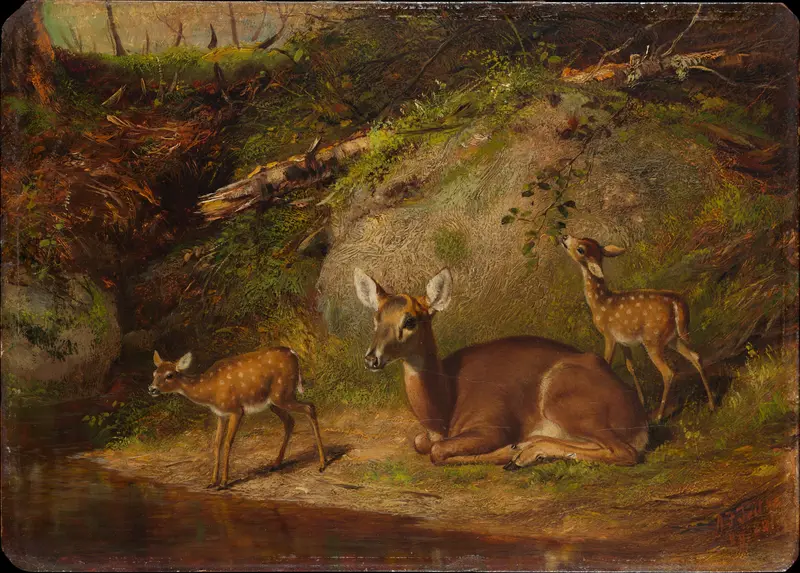
Doe and Two Fawns
Arthur Fitzwilliam Tait
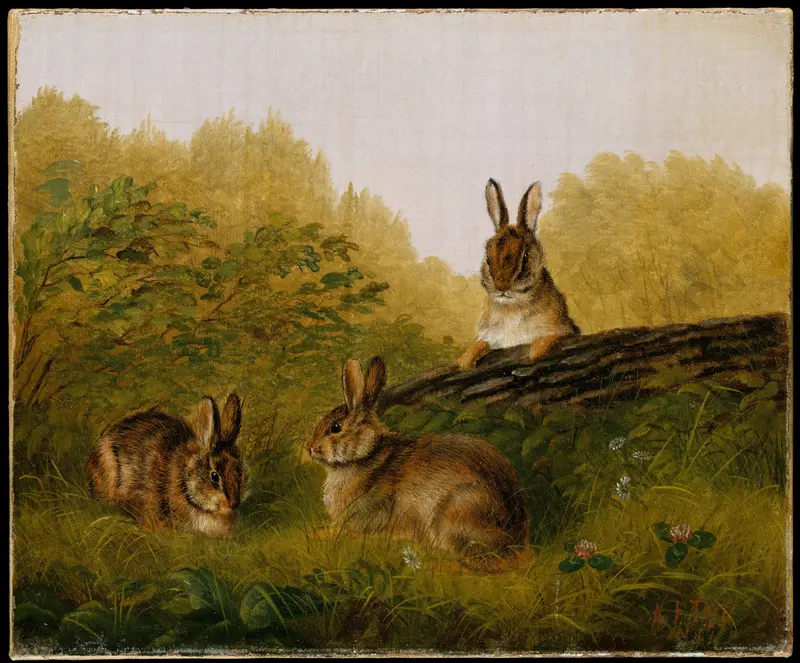
Rabbits on a Log
Arthur Fitzwilliam Tait
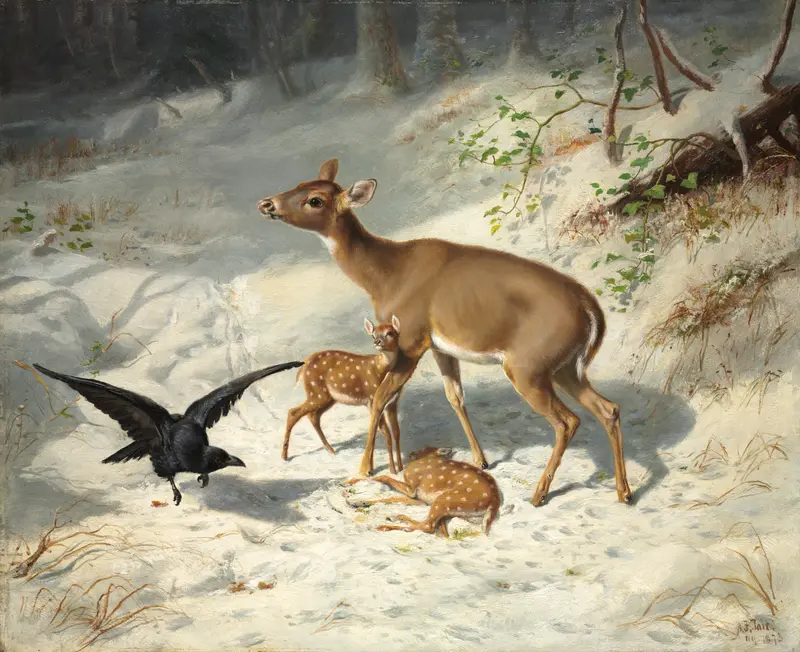
Maternal Solicitude
Arthur Fitzwilliam Tait