
Rabbits on a Log — History & Facts
One rabbit stands sentinel atop a fallen log, ears pricked and gaze fixed outward, while its companions graze and nose through the clover below. The eye is drawn first to this upright figure, whose posture suggests both alertness and a gentle curiosity; the log itself forms a natural stage, elevating the watcher above the sunlit tangle of grass and foliage. Around them, the world is rendered in soft, late-summer greens and golds, the background dissolving into a haze of trees that lets the foreground animals claim the viewer’s full attention.
Each rabbit is painted with a care for the texture of fur and the subtle gradations of brown, their forms solid and lively against the delicate wildflowers. The palette is warm and quiet, inviting a sense of pause and observation, as if the artist has caught a fleeting moment of peace in the undergrowth. Painted in 1897, Rabbits on a Log belongs to the late nineteenth-century tradition of animal painting that flourished in both Europe and America. Artists like Arthur Fitzwilliam Tait found eager collectors among a public newly fascinated by natural history and the rural landscape, as industrialization transformed daily life.
Such works were often destined for parlors and studies, where they offered a window onto a world both familiar and increasingly distant. This painting now resides in the Metropolitan Museum of Art, part of a collection that preserves these quiet records of a changing era. Look again at the watchful rabbit on the log—its stillness is a reminder of all that can be seen when we stop to look closely.
More Artworks by Arthur Fitzwilliam Tait
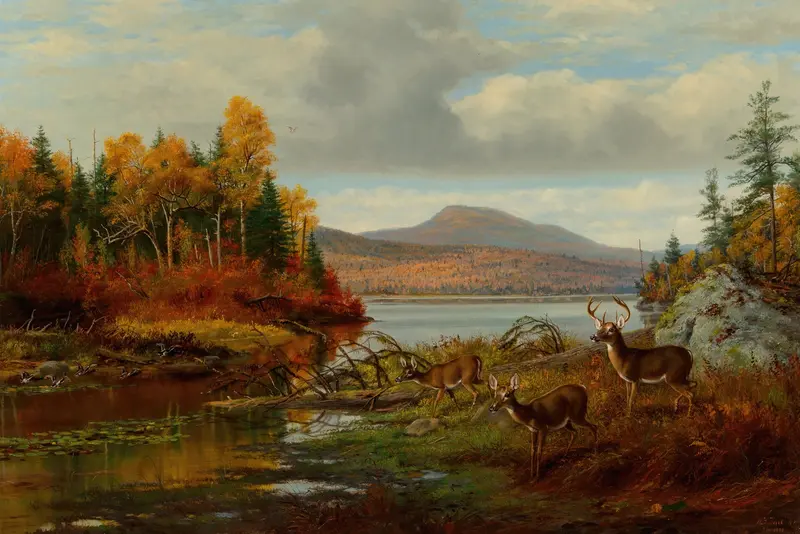
Late Autumn, Long Lake, Hamilton Co., New York, Adirondacks
Arthur Fitzwilliam Tait
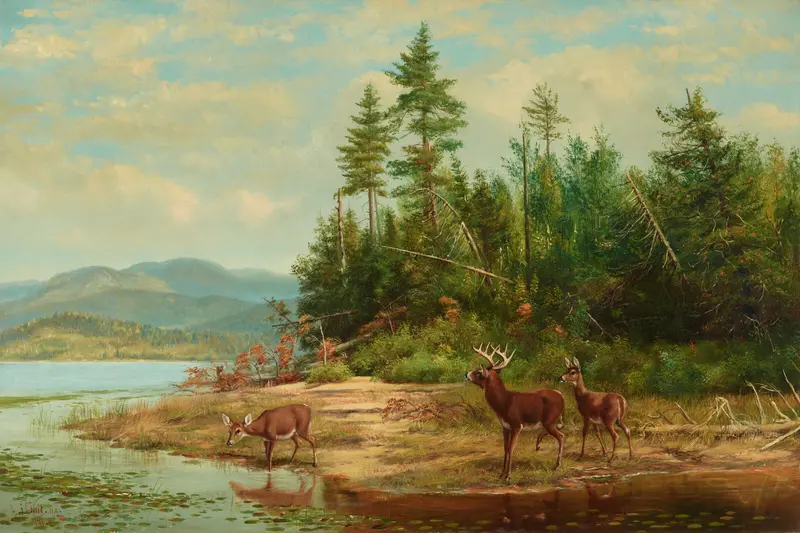
View on Long Lake
Arthur Fitzwilliam Tait
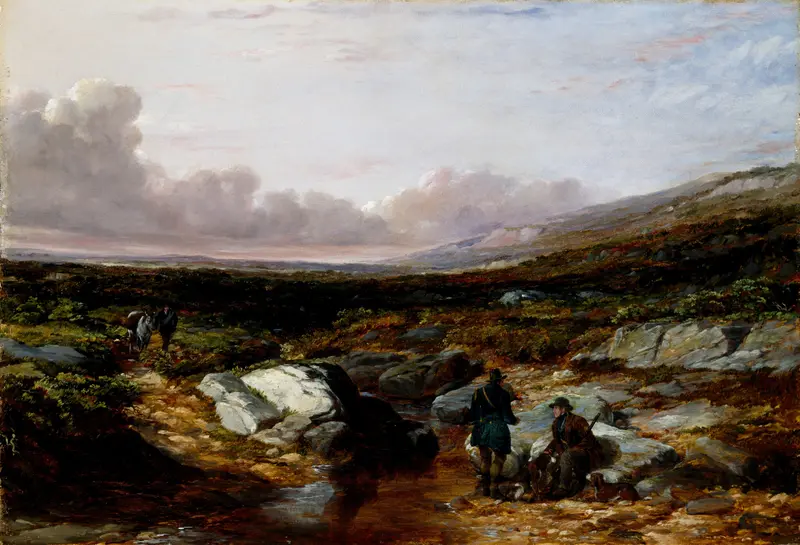
Deer Stalking in Scotland; Getting Ready
Arthur Fitzwilliam Tait
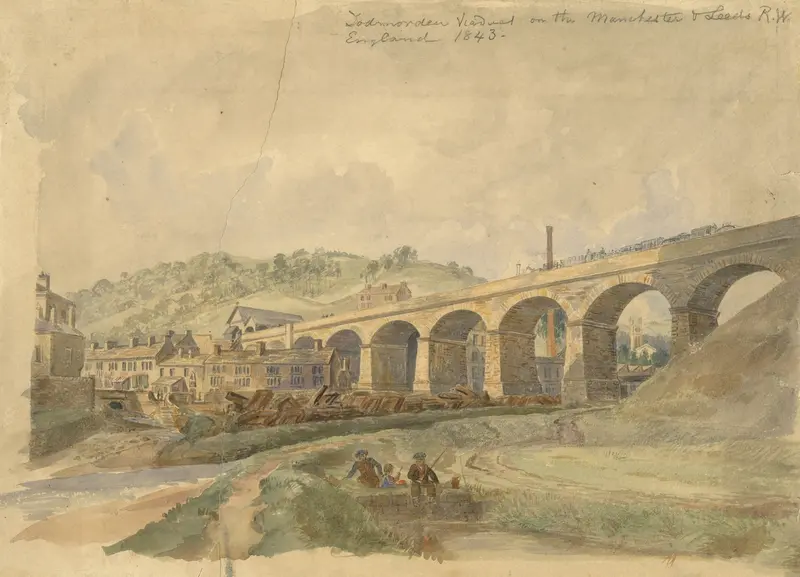
Todmorden Viaduct on the Manchester and Leeds Railway, England
Arthur Fitzwilliam Tait
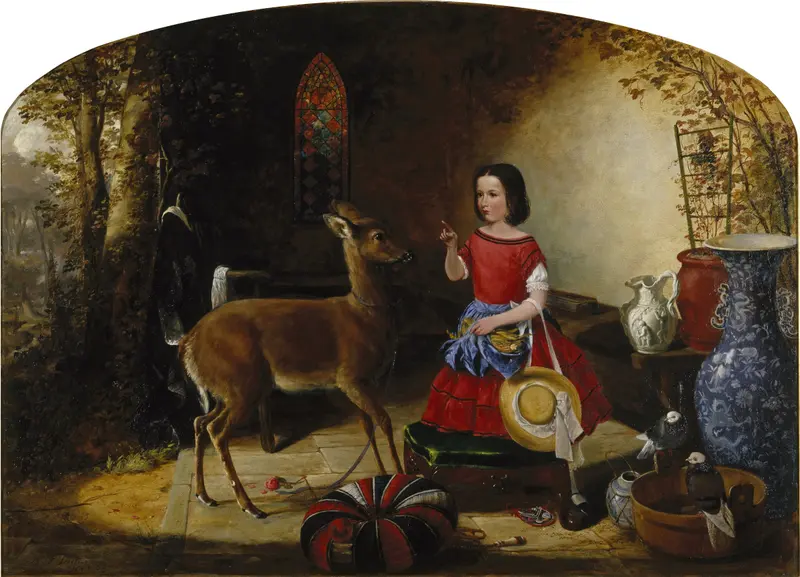
The Reprimand. Ah! You Naughty Fawn, You Have Been Eating the Flowers Again.
Arthur Fitzwilliam Tait
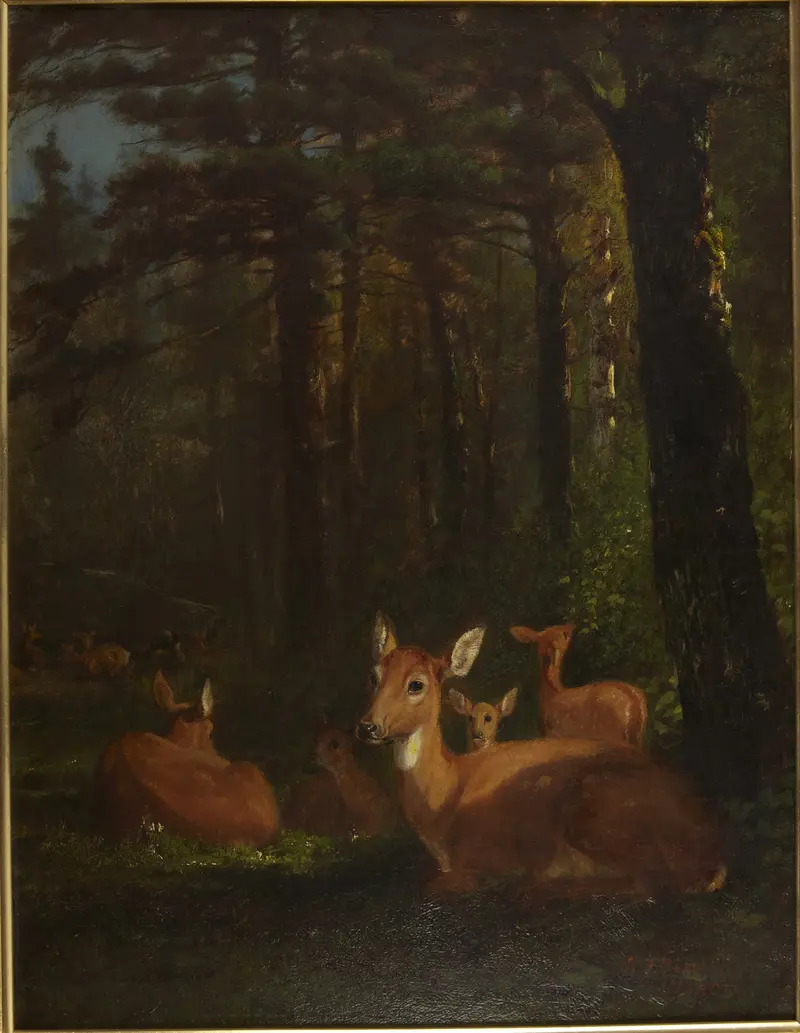
Deer in Forest
Arthur Fitzwilliam Tait
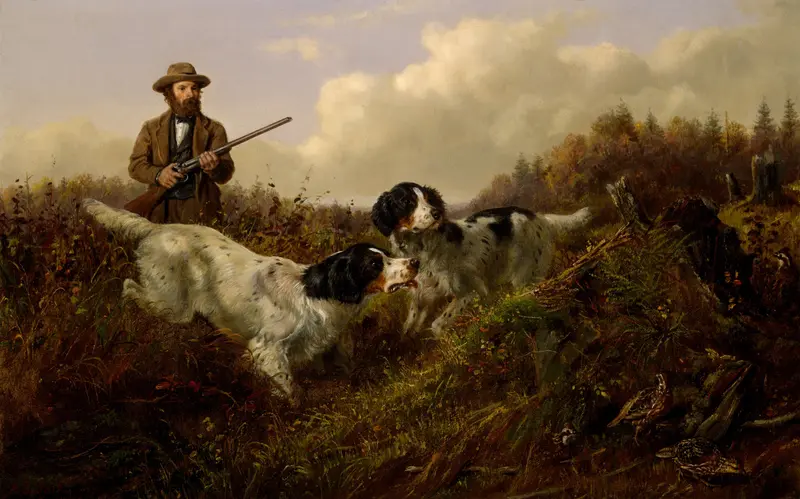
Flushing Grouse, Long Lake, Hamilton County, New York
Arthur Fitzwilliam Tait
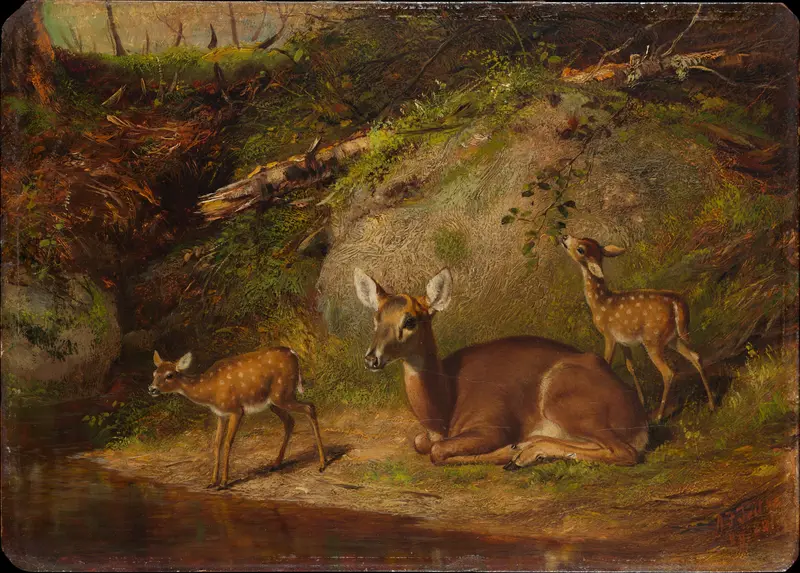
Doe and Two Fawns
Arthur Fitzwilliam Tait
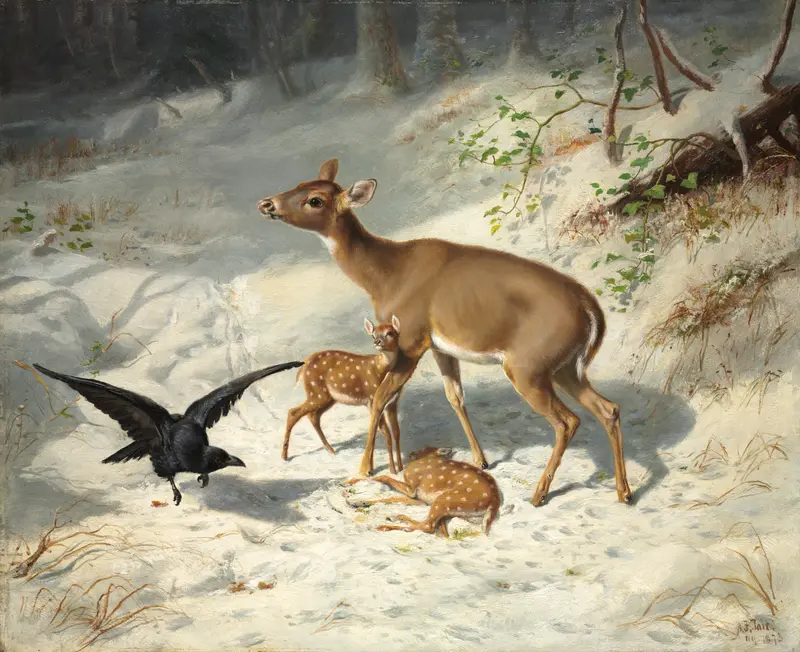
Maternal Solicitude
Arthur Fitzwilliam Tait
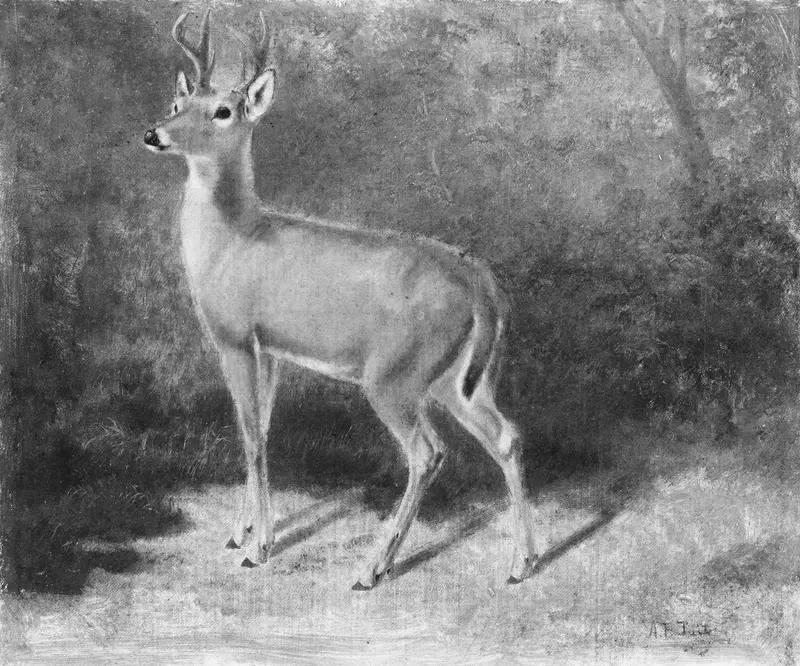
Deer—Sketch from Nature
Arthur Fitzwilliam Tait





