Der Kürbisgarten — History & Facts
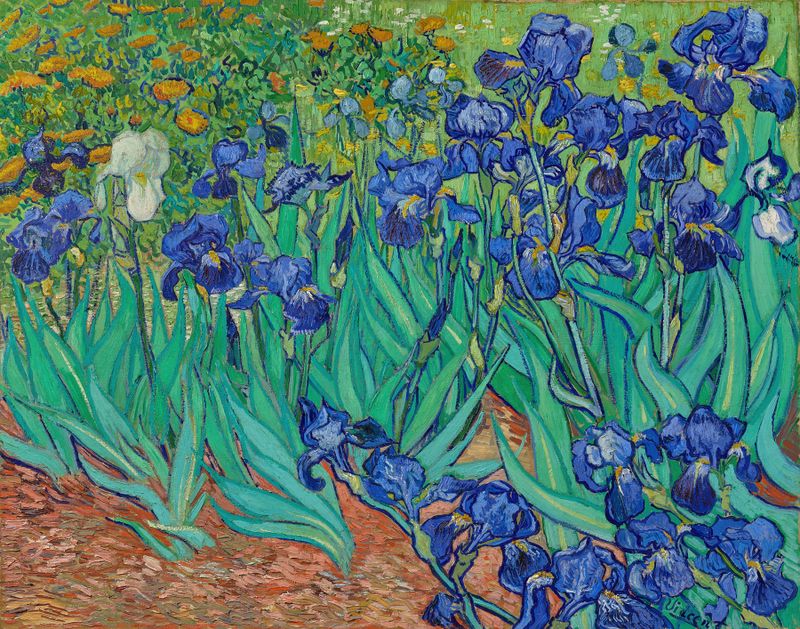
In a world often overshadowed by revolution and chaos, how do we capture moments of simplicity and beauty? Look to the foreground, where vibrant greens and rich oranges burst forth from the canvas, drawing the eye to the lush pumpkin vines that twine and curl with an organic grace. The brushwork is fluid, almost rhythmic, as dappled sunlight filters through the foliage, illuminating the scene in a warm embrace. Notice how the textures of the leaves contrast with the smooth skin of the pumpkins, creating a harmonious balance that invites the viewer to pause and appreciate the details. Yet beneath this pastoral tranquility lies a deeper tension.
The pumpkins, symbols of abundance, stand juxtaposed against the backdrop of a world poised on the brink of change. Their round forms convey a sense of stability, while the wild, sprawling vines reflect the chaos of nature and life itself. Each stroke seems to whisper of the turbulence outside this garden, suggesting that even in moments of serenity, there are shadows of revolution lurking just beyond the edges of the frame. In 1862, the artist found himself amidst the shifting landscape of Europe, where social and political upheaval shaped daily life.
Living and working in Vienna, Pettenkofen absorbed the influences of the Romantic movement while capturing the essence of rural life. This piece, with its focus on the natural world, reflects both a yearning for peace and an awareness of the storm brewing on the horizon, bridging the personal with the collective experience of his time.
More Artworks by August von Pettenkofen
Browse all →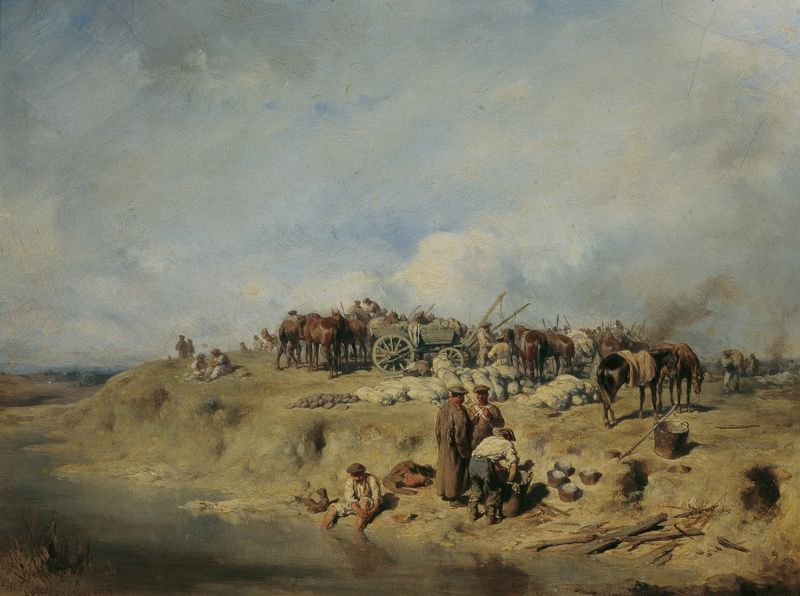
Biwak russischer Soldaten
August von Pettenkofen
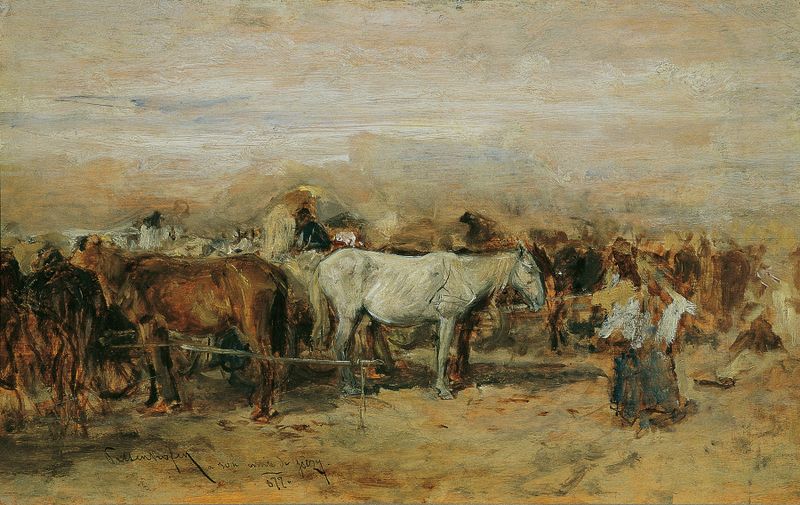
Pferdemarkt in Szolnok II
August von Pettenkofen
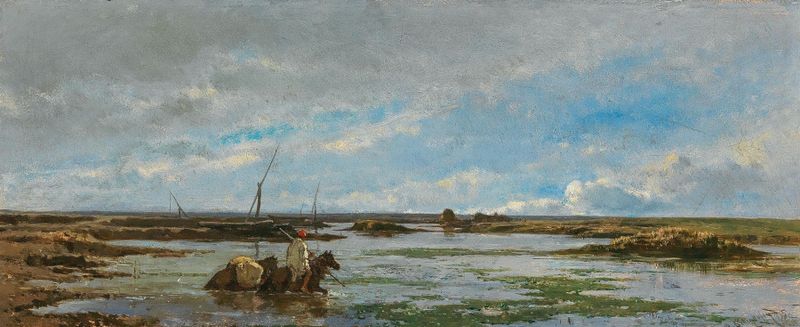
Wallachian Post
August von Pettenkofen
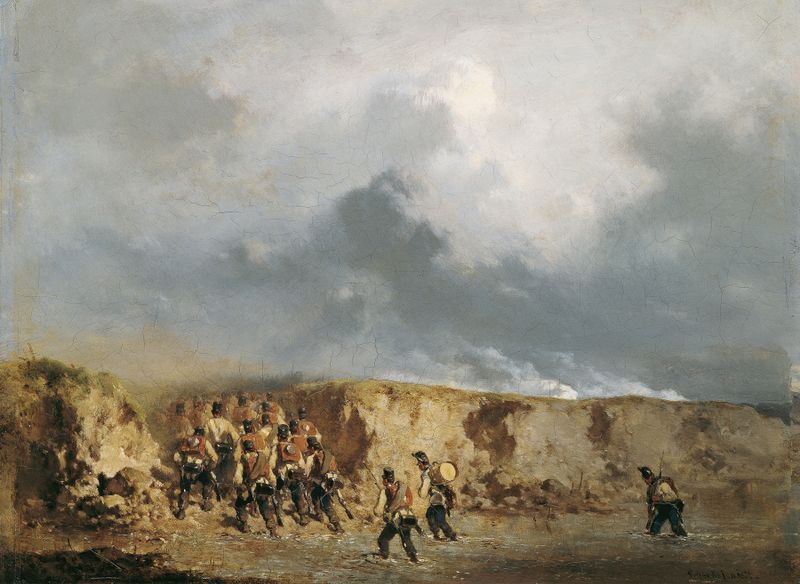
Österreichische Soldaten eine Furt überschreitend
August von Pettenkofen
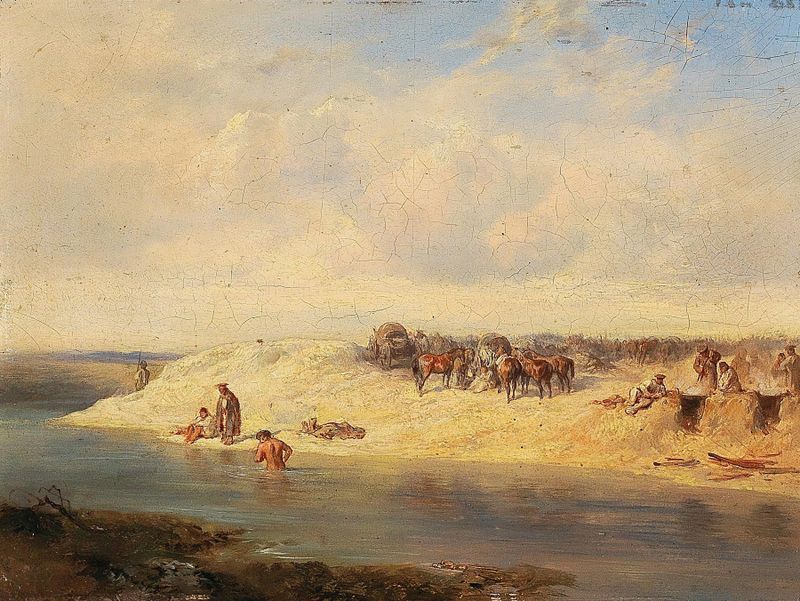
Russisches Bivouak
August von Pettenkofen
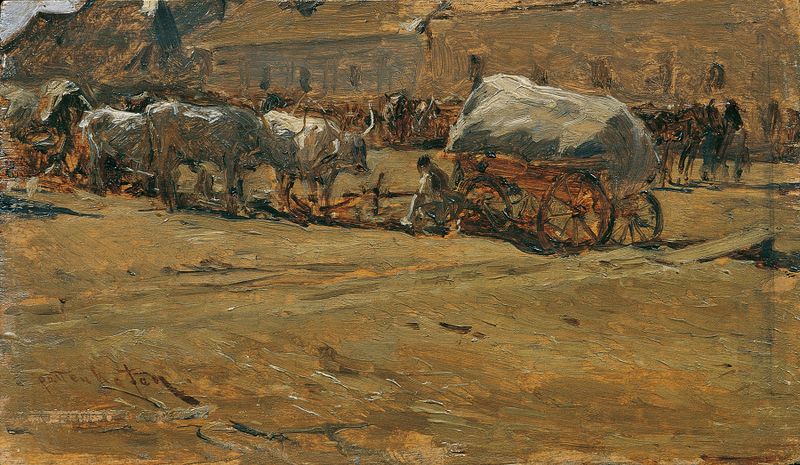
Ungarische Ochsengespanne
August von Pettenkofen
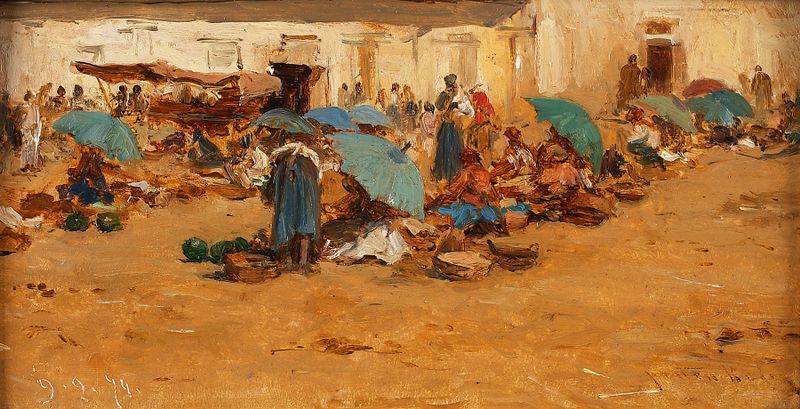
Ungarischer Markt mit blauen Schirmen
August von Pettenkofen
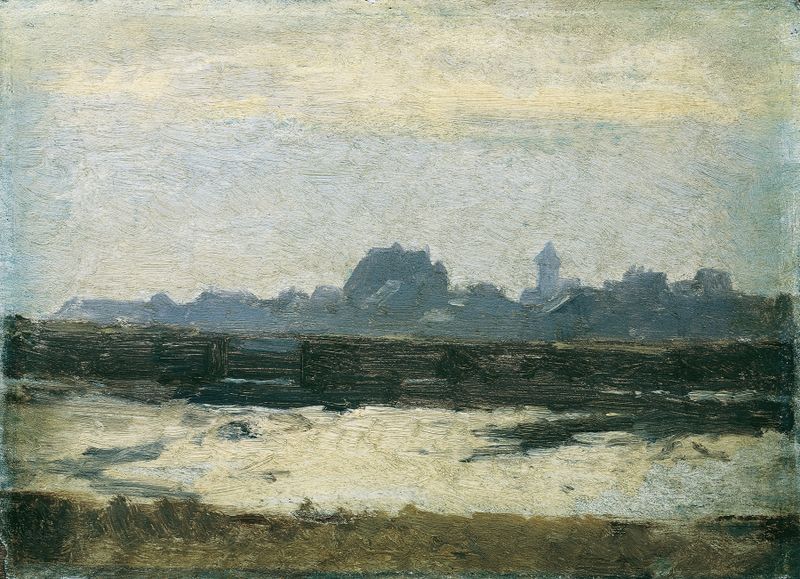
Blick auf eine Stadt
August von Pettenkofen
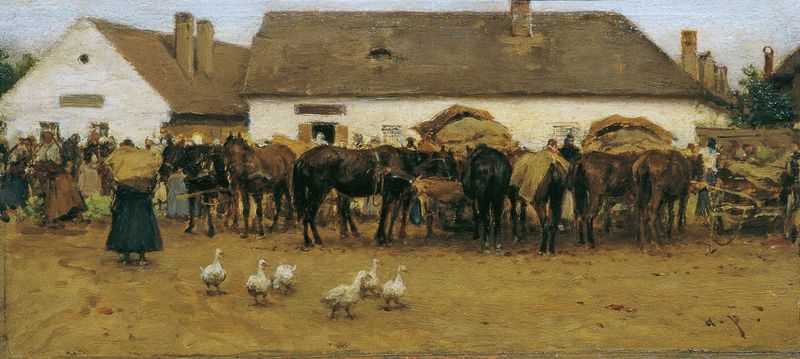
Markt in Szolnok
August von Pettenkofen
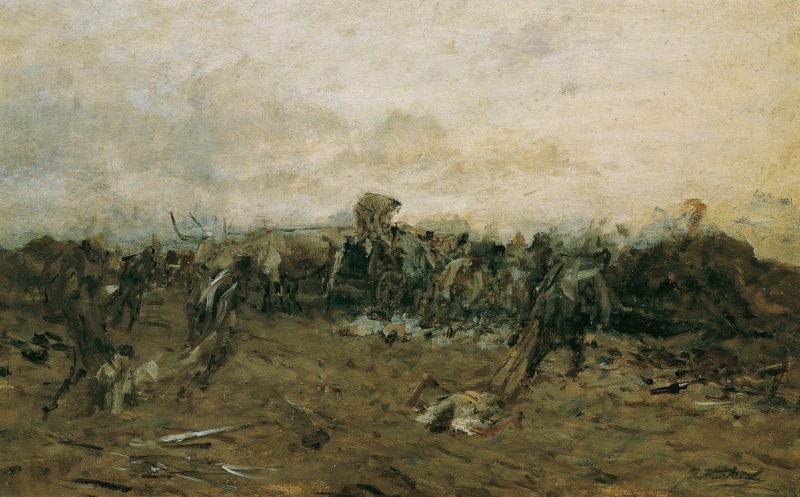
Nach der Schlacht
August von Pettenkofen