
Der Sarstein bei Alt-Aussee (Fassung I) — History & Facts
The first thing that draws the eye in Der Sarstein bei Alt-Aussee (Fassung I) is the quiet, almost private sense of space between the humble lakeside hut and the monumental sweep of the mountain beyond. The path, worn into the earth, leads us gently from the foreground’s tangle of roots and moss toward the water’s edge, where a few scattered sheep rest in the sun. The painter’s gaze lingers on the sharp silhouettes of fir trees, their spindly trunks rising like sentinels against the pale, cloud-streaked sky.
Every element seems placed to invite the viewer into a moment of stillness, where the drama is not in action but in the meeting of solitude and grandeur. The palette—cool greens, soft blues, and the golden warmth of the earth—sets a mood of calm observation, as if the world is pausing to breathe. Painted in 1835, this work by Adalbert Stifter belongs to a period when artists across Europe were turning their attention to the landscapes of their homelands, seeking both scientific accuracy and personal resonance. In the Biedermeier era, such scenes were not only a celebration of nature’s beauty but also a quiet assertion of local identity and domestic peace, often commissioned for private homes rather than grand salons.
The painting now resides in the Zeno.org collection, a reminder that history has kept few traces of its early journey or intended audience. Yet, in its careful rendering and gentle light, it preserves a vision of the Austrian lakeside that is both intimate and enduring—an invitation to linger, to follow the path, and to imagine the world just beyond the trees.
More Artworks by Adalbert Stifter
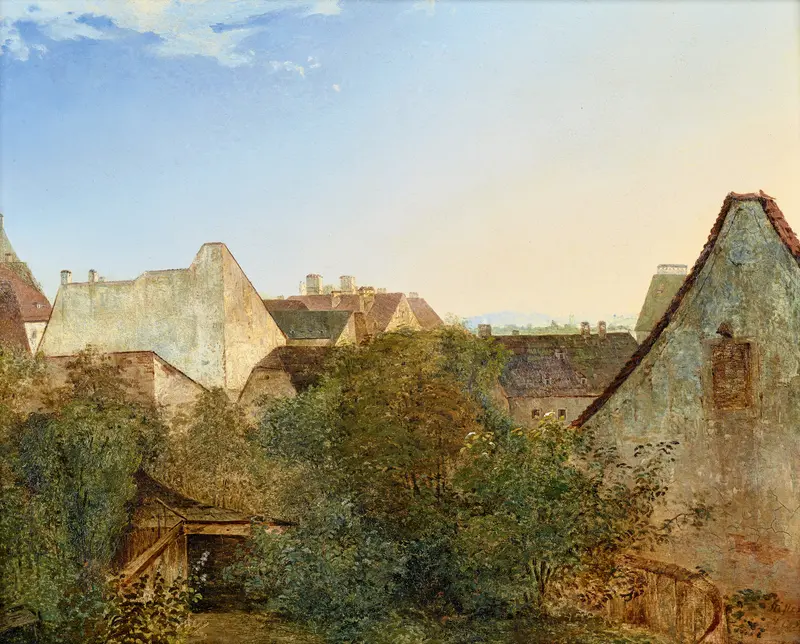
Blick über Wiener Vorstadthäuser (Beatrixgasse)
Adalbert Stifter
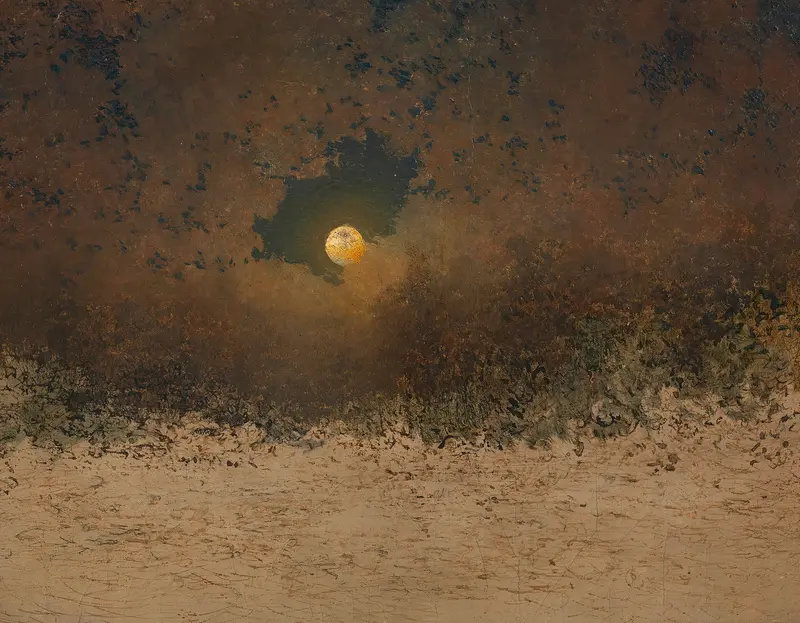
Mondlandschaft mit bewölktem Himmel
Adalbert Stifter
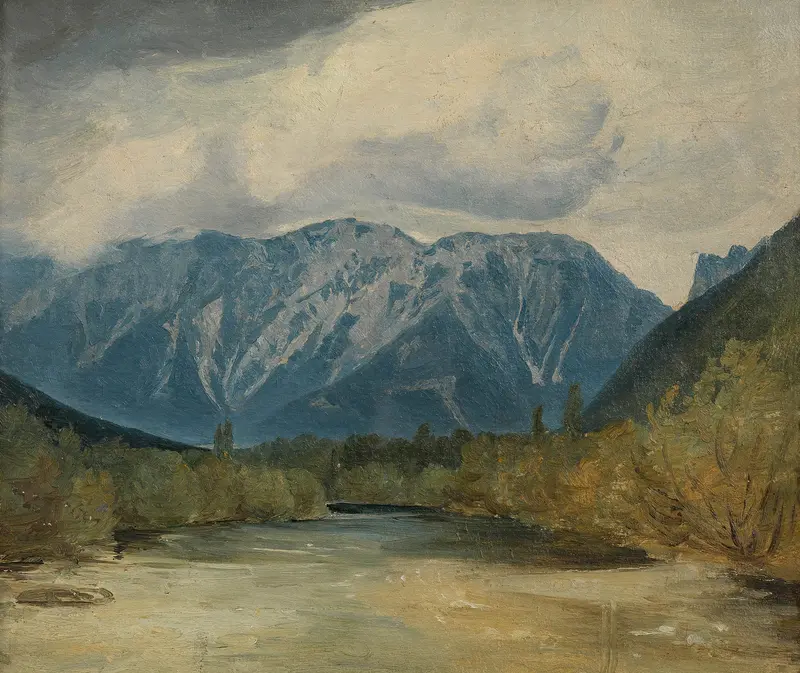
Die Rax in Niederösterreich
Adalbert Stifter
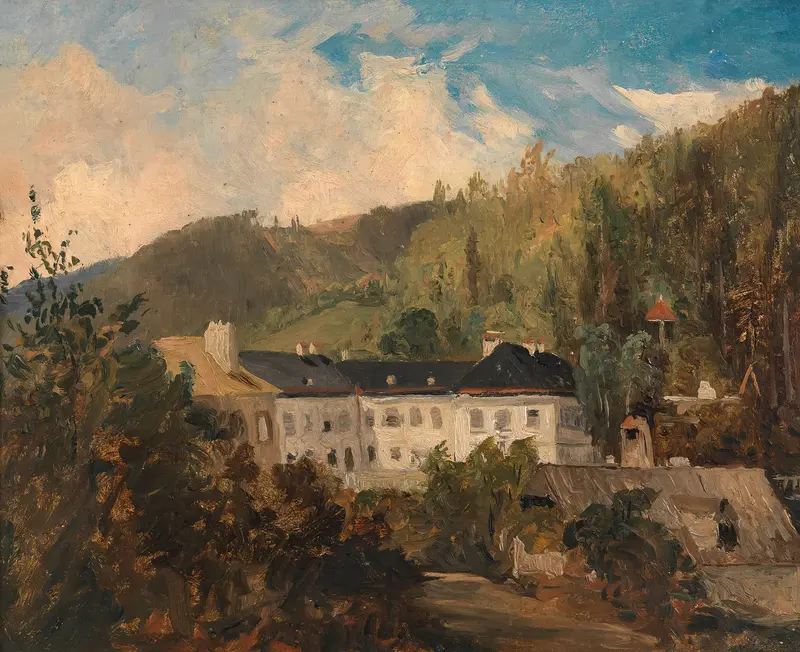
Motiv aus Neuwaldegg
Adalbert Stifter
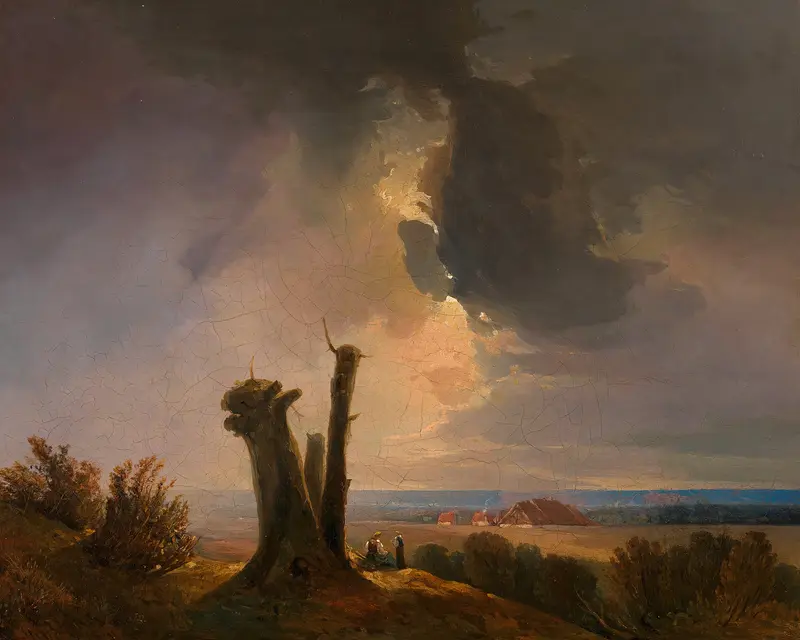
Westungarische Landschaft – Blick vom Leithagebirge
Adalbert Stifter
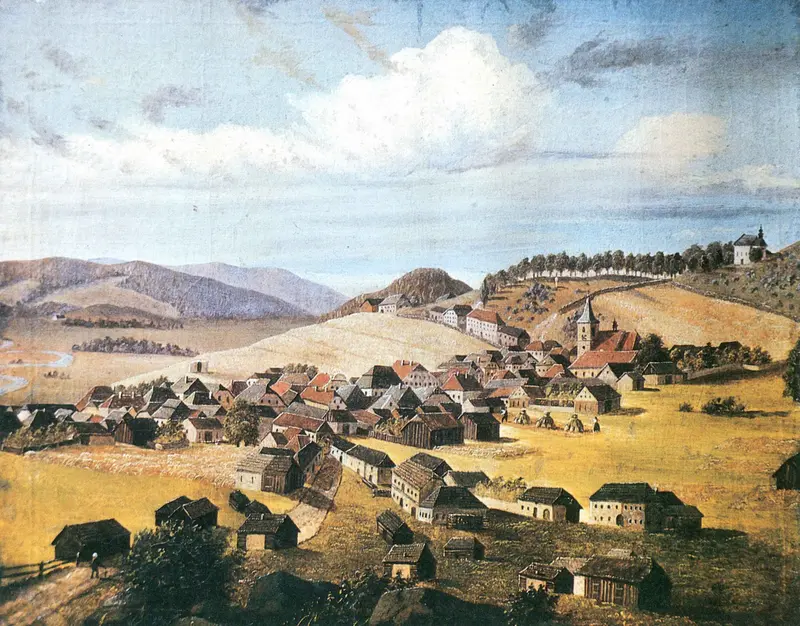
View of Oberplan
Adalbert Stifter
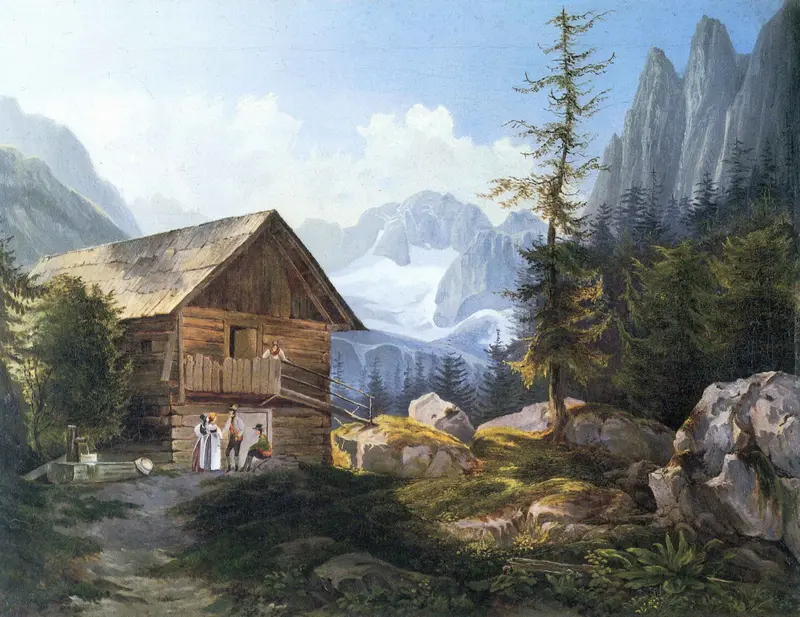
Im Gosautal
Adalbert Stifter
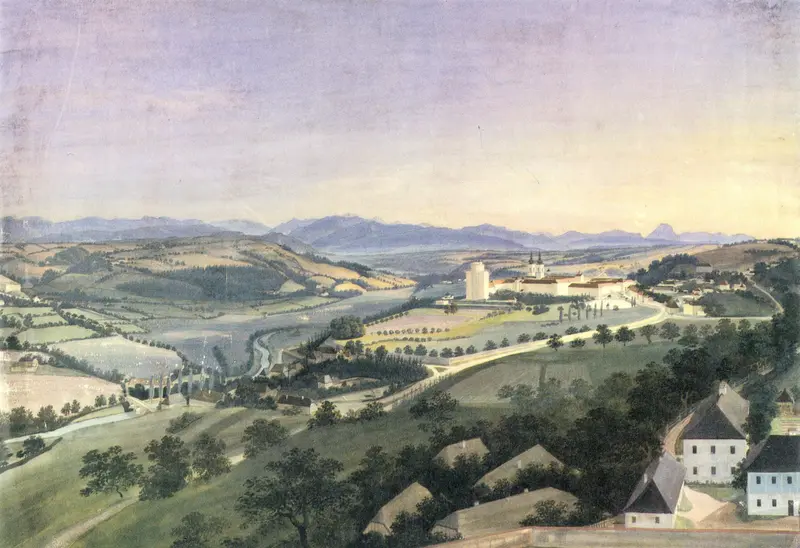
Blick auf Kremsmünster und Umgebung
Adalbert Stifter
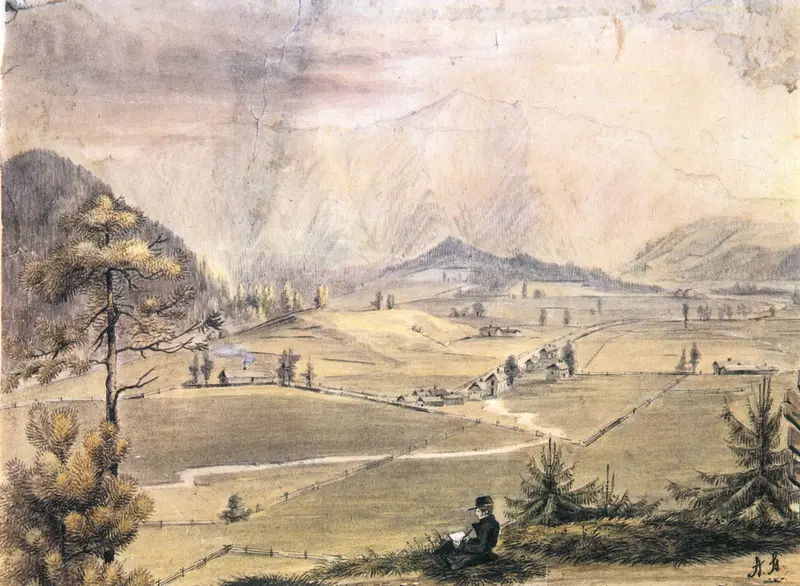
Blick auf die Falkenmauer aus der Gegend von Kremsmünster
Adalbert Stifter
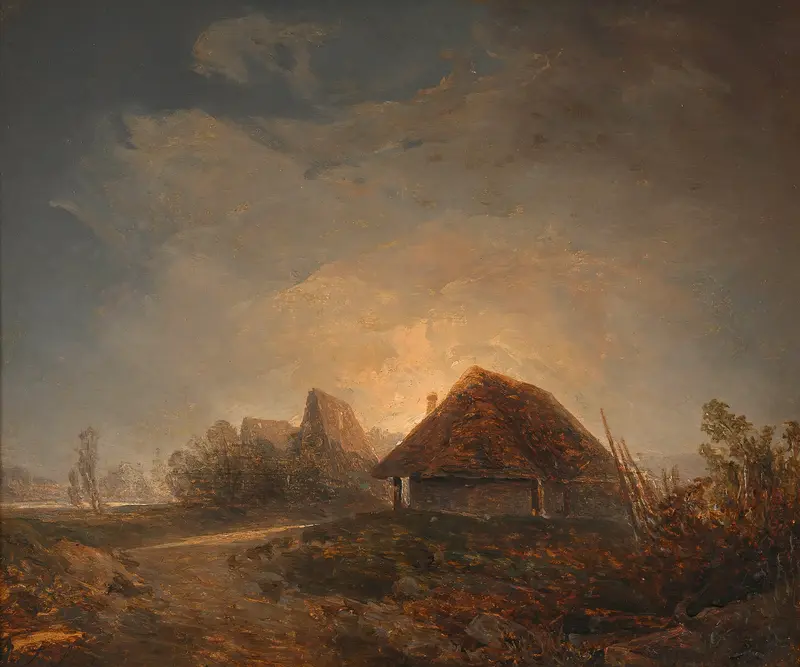
Westungarische Landschaft mit Hütten und aufgehendem Mond
Adalbert Stifter
More Landscape Art

The Starry Night
Vincent van Gogh

View of Delft
Johannes Vermeer

Water Lilies
Claude Monet

The Grand Canal, Venice, looking north-west from the Ca' Corner to the Ca' Contarini degli Scrigni, with the campanile of Santa Maria della Carità
Canaletto

Windsor Castle
Canaletto

The Grand Canal looking North-East from the Palazzo Dolfin-Manin to the Rialto Bridge
Canaletto