
Diana's Hunt — History & Facts
The first thing that catches the eye in Diana's Hunt is the sense of movement—three figures, draped in flowing garments, emerge from the dense, shadowy woods, their attention fixed on a wild animal just ahead. The painter, Arnold Böcklin, chooses not the moment of triumph but the tense anticipation before the chase reaches its climax. The women’s gestures—one reaching forward, another clutching her bow—draw the viewer into the drama, while the dogs at their feet press low to the ground, alert and ready.
The light, breaking through the foliage, spotlights the central figures and heightens the sense of urgency, while the heavy greens and browns of the forest create a stage from which the action leaps. Painted in 1862, this work belongs to a period when mythological scenes were enjoying a revival among European artists, especially those inspired by the lingering Romantic fascination with nature and legend. Such paintings were often intended for private collectors, eager to surround themselves with scenes of classical heroism or divine intervention, and Böcklin’s choice of Diana—the huntress goddess—would have appealed to their taste for both the wild and the refined. The painting now resides in the collection of the Kunstmuseum Basel, a reminder of how 19th-century artists like Böcklin reimagined ancient myths not as distant tales, but as living moments, caught in the thick of the forest, just before the arrow flies.
Let your eye wander back to the edge of those trees, and imagine what happens next.
More Artworks by Arnold Böcklin

Die Toteninsel III
Arnold Böcklin
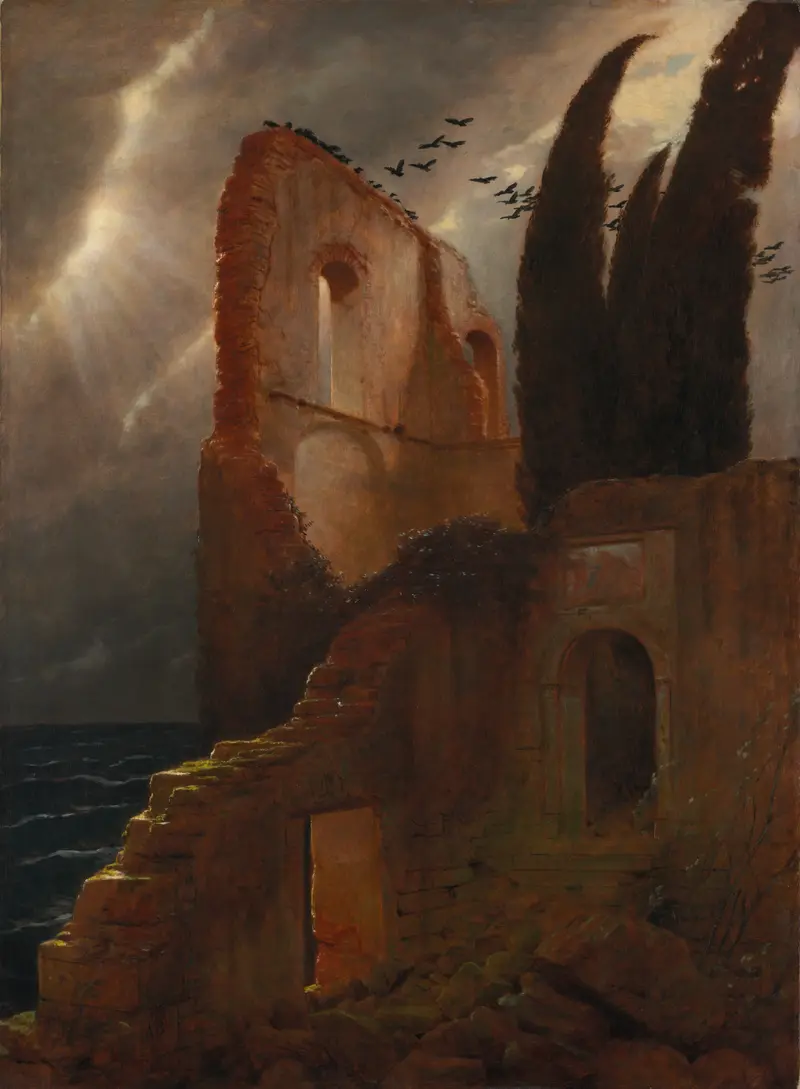
Ruin by the Sea
Arnold Böcklin
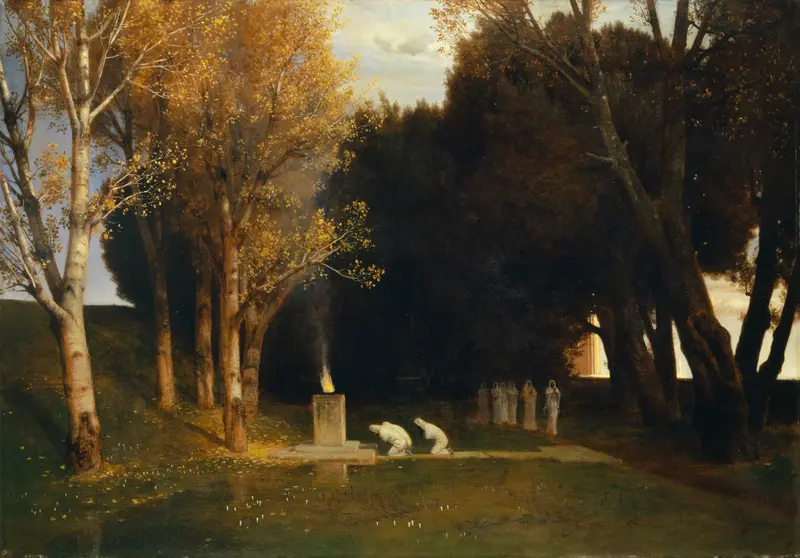
The Sacred Grove
Arnold Böcklin
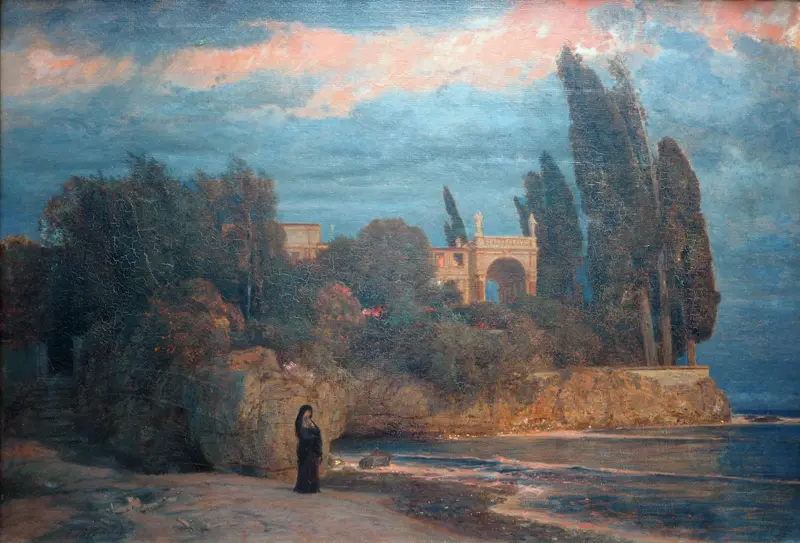
Villa by the Sea
Arnold Böcklin
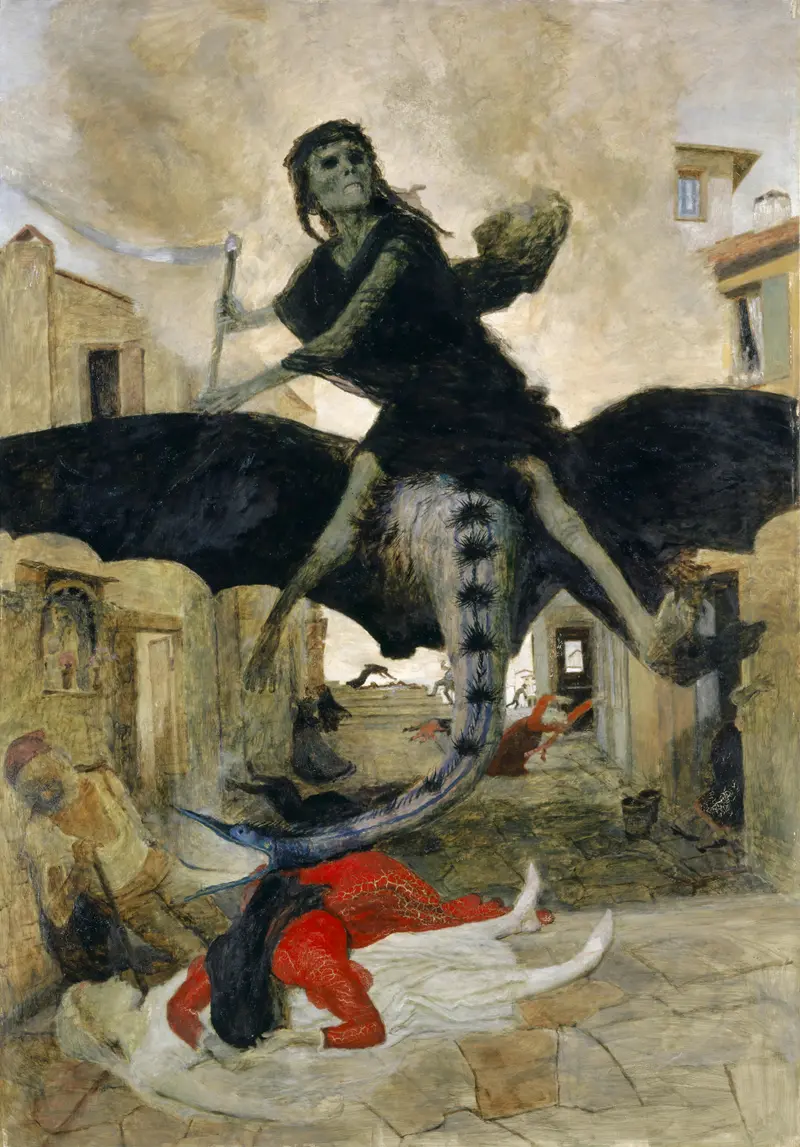
The Plague
Arnold Böcklin
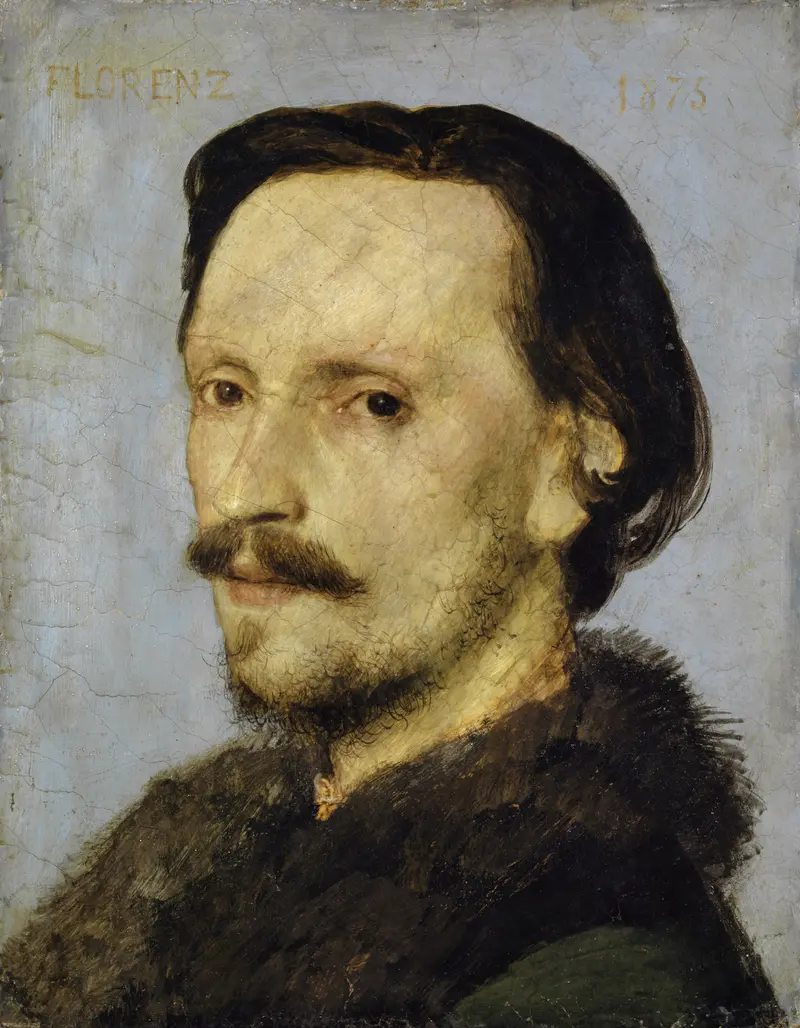
Böcklin Bildnis des Kunsthistorikers Adolph Bayersdorfer, 1875
Arnold Böcklin
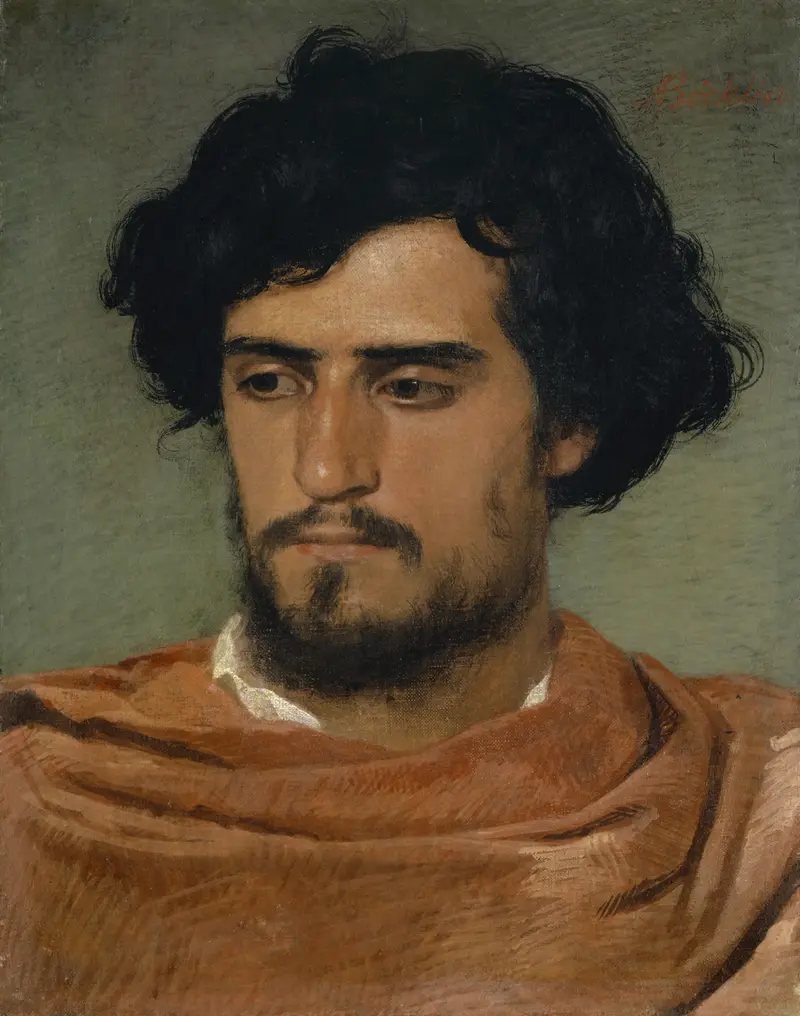
Head of a Roman
Arnold Böcklin
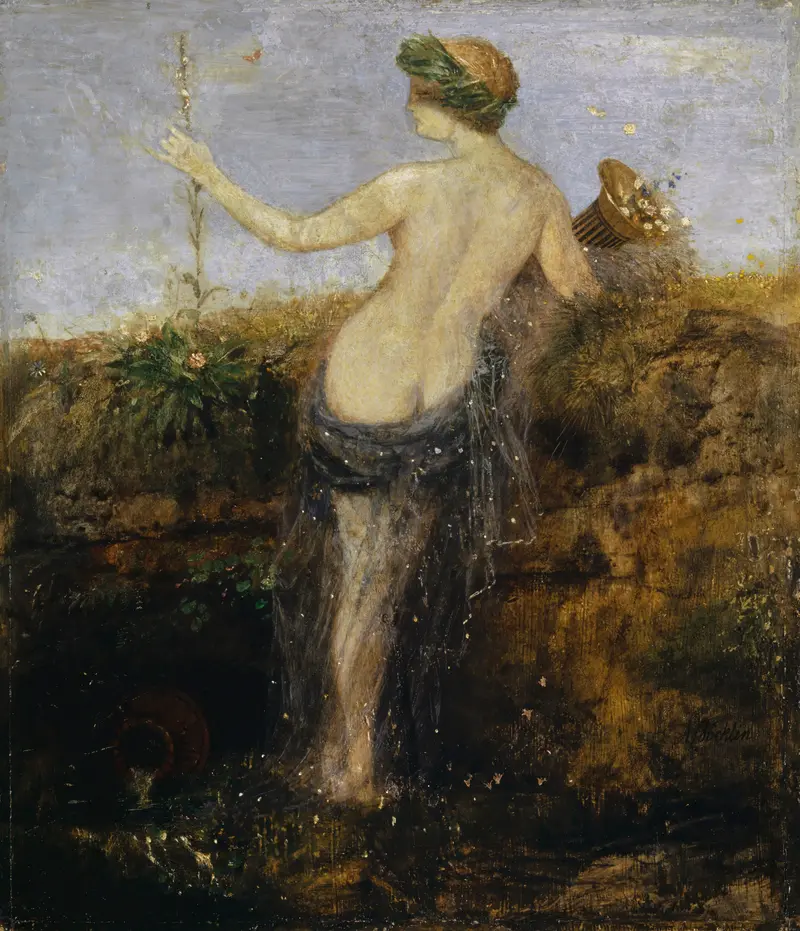
Nymphe with Horn of Plenty
Arnold Böcklin
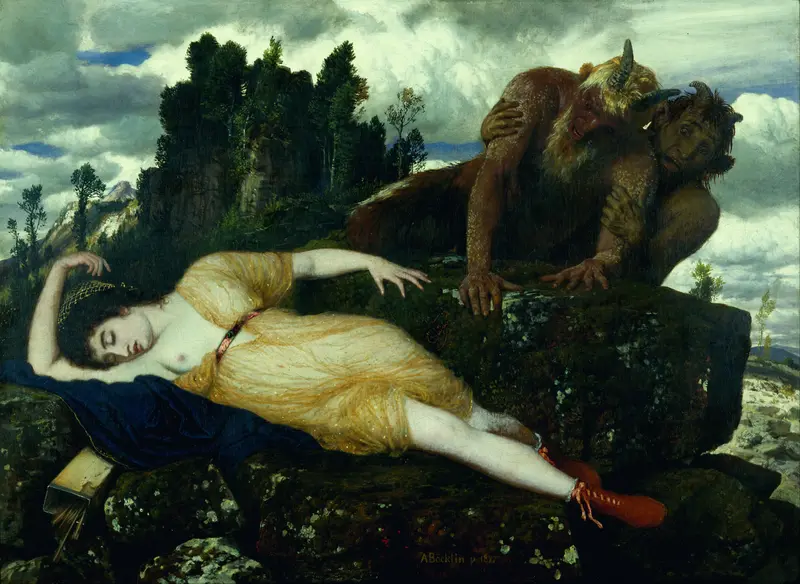
Sleeping Diana Watched by Two Fauns
Arnold Böcklin
Spring (Songs of Spring)
Arnold Böcklin





