Die Bewegung (II. Fassung, Fragment) — History & Facts
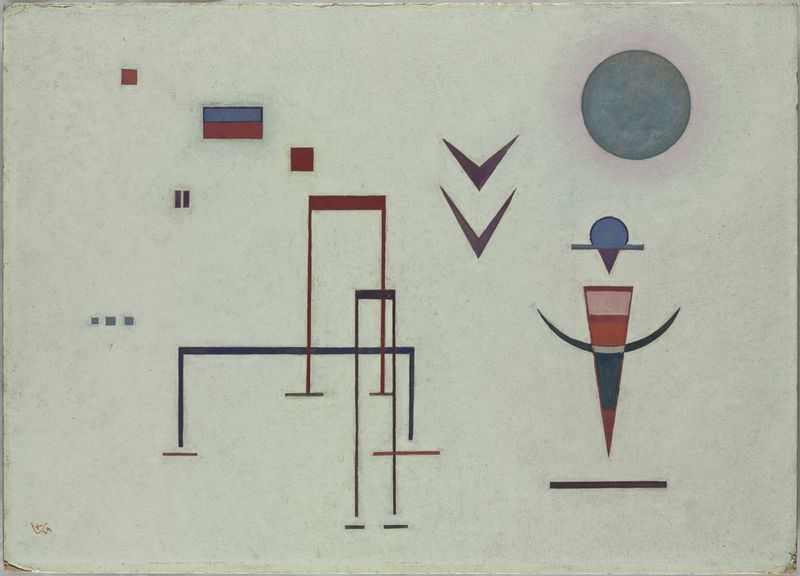
This sentiment resonates deeply within the fragmented elegance of Die Bewegung. Time, a relentless force, is captured here, as if the canvas itself breathes the weight of fleeting moments and lingering memories. Focus first on the dynamic interplay of colors at the center, where vibrant hues clash and merge, creating an illusion of motion that draws the eye. Notice how the artist uses light to amplify this sense of movement, with warm golds reflecting a warm embrace while cooler blues and greens introduce an undercurrent of melancholy.
It’s a striking balance, a visceral experience that invites contemplation, revealing the tension between joy and sorrow. Delve deeper into the intricacies of this work, and you will uncover layers of meaning. The fragmented elements suggest a sense of incompleteness, reflecting the realities of human experience—how we often feel caught between past reveries and future aspirations. The fluid forms hint at the passage of time, evoking a sense of urgency, as if each moment is a fleeting opportunity, both beautiful and painful in its impermanence. Adalbert Stifter created Die Bewegung between 1858 and 1862, during a time when he was navigating personal turmoil while also engaging with the emerging movements in Romanticism and Idealism.
Living in an era marked by rapid social and technological changes, his art sought to encapsulate the tension between nature and the evolving human condition, solidifying his legacy as a profound observer of time and emotion.
More Artworks by Adalbert Stifter
Browse all →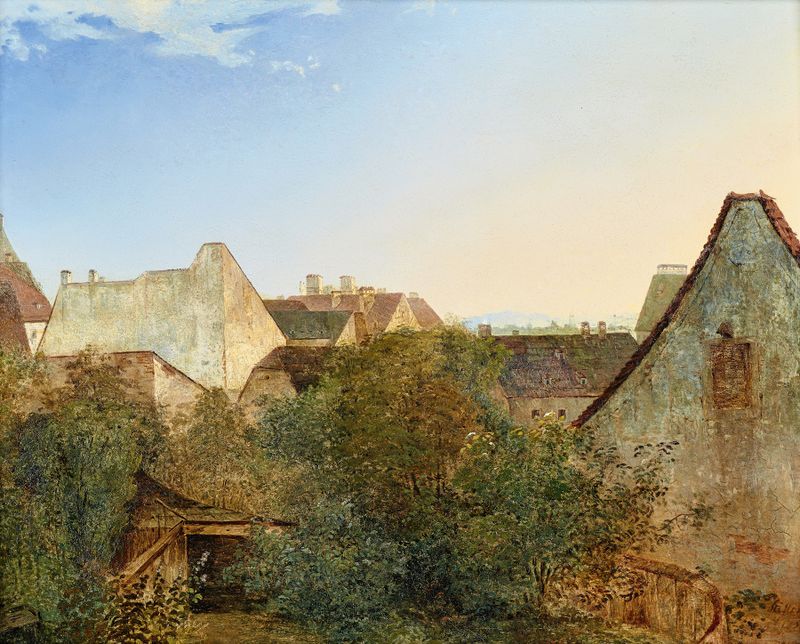
Blick über Wiener Vorstadthäuser (Beatrixgasse)
Adalbert Stifter
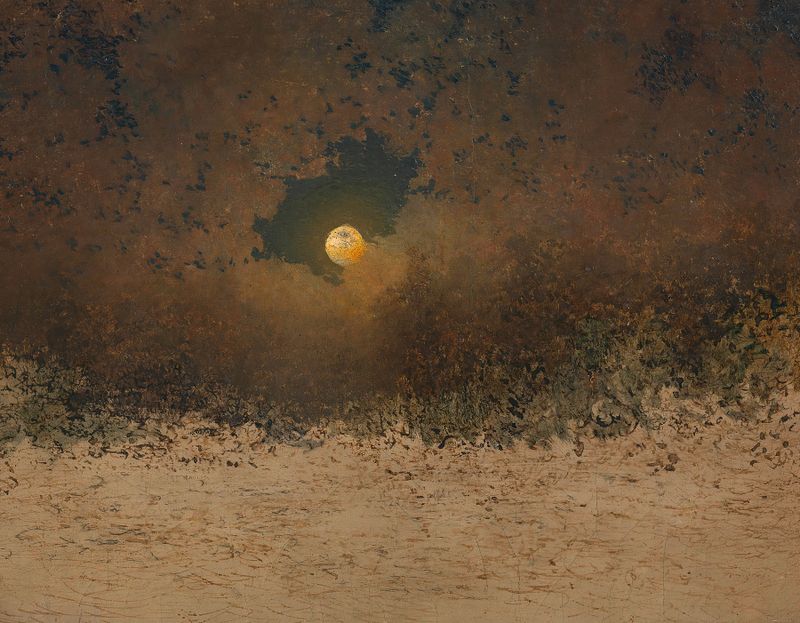
Mondlandschaft mit bewölktem Himmel
Adalbert Stifter
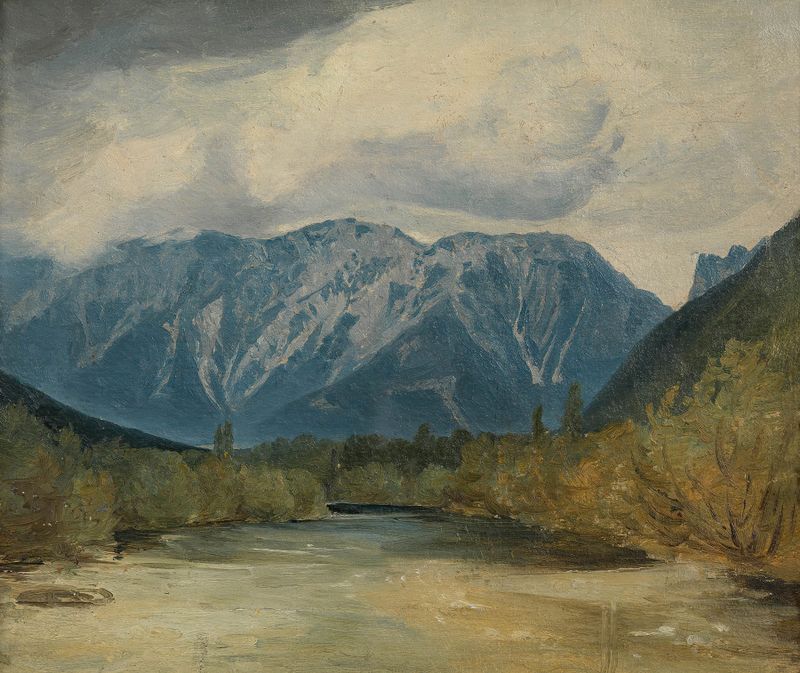
Die Rax in Niederösterreich
Adalbert Stifter
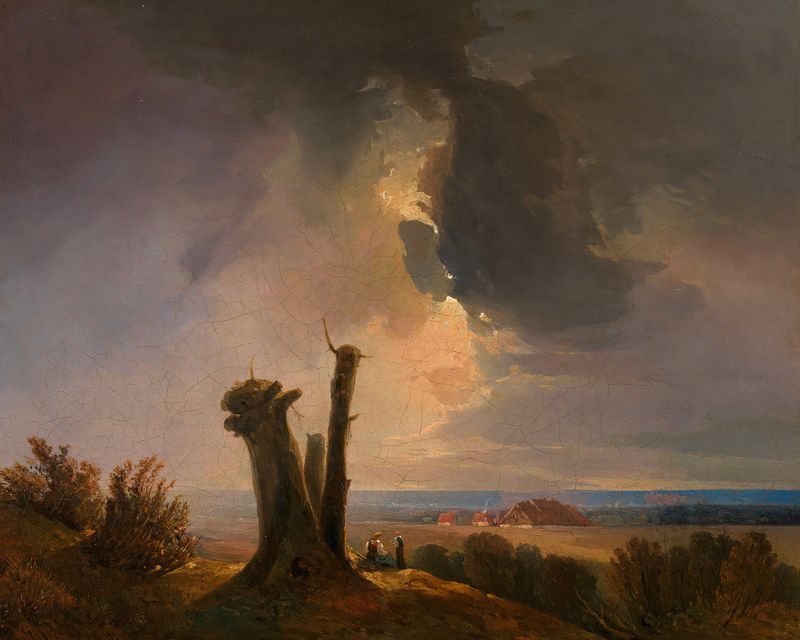
Westungarische Landschaft – Blick vom Leithagebirge
Adalbert Stifter
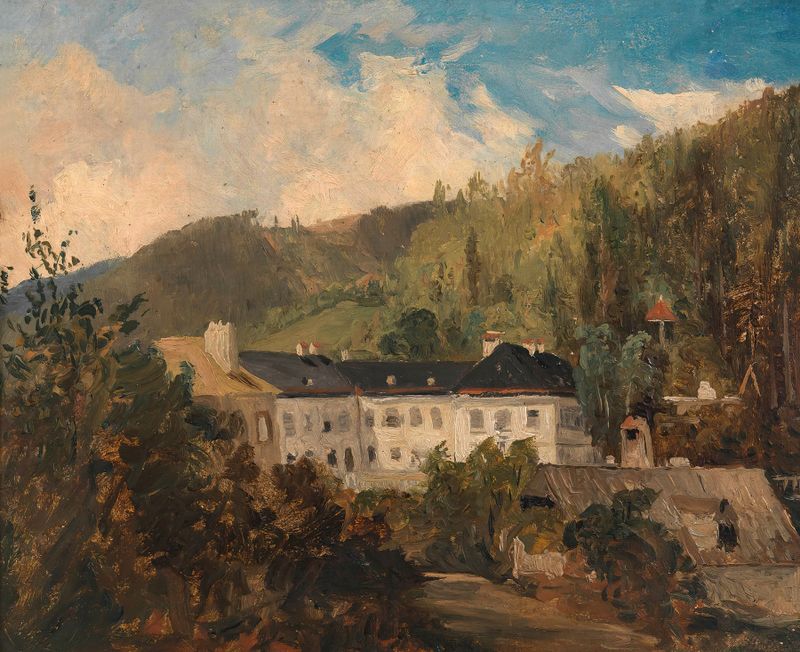
Motiv aus Neuwaldegg
Adalbert Stifter
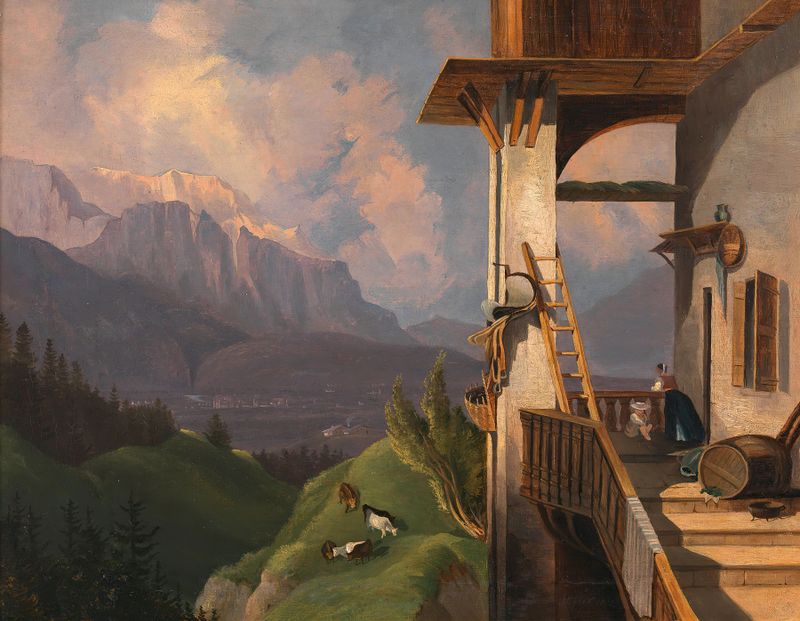
Innsbruck mit der Nordkette
Adalbert Stifter
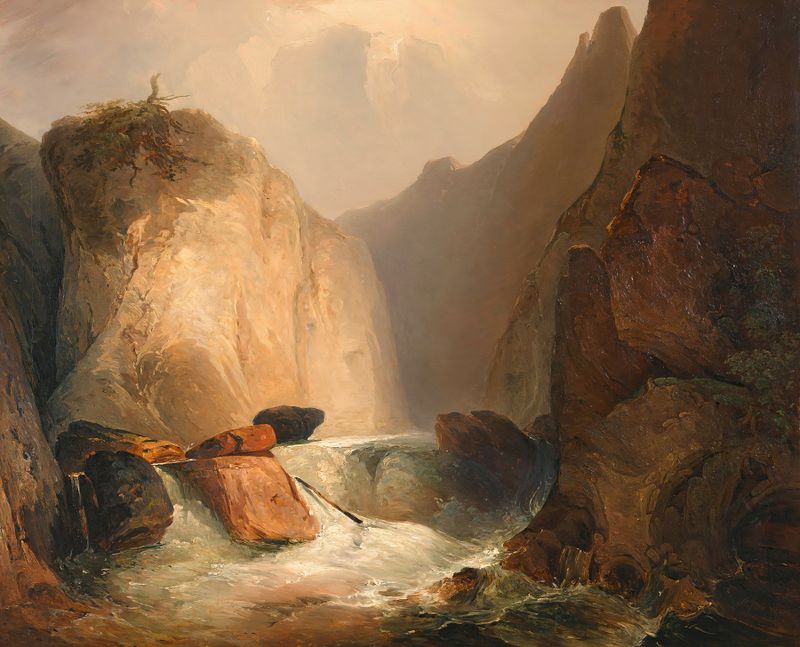
Felspartie – Moldauenge bei Hohenfurt
Adalbert Stifter
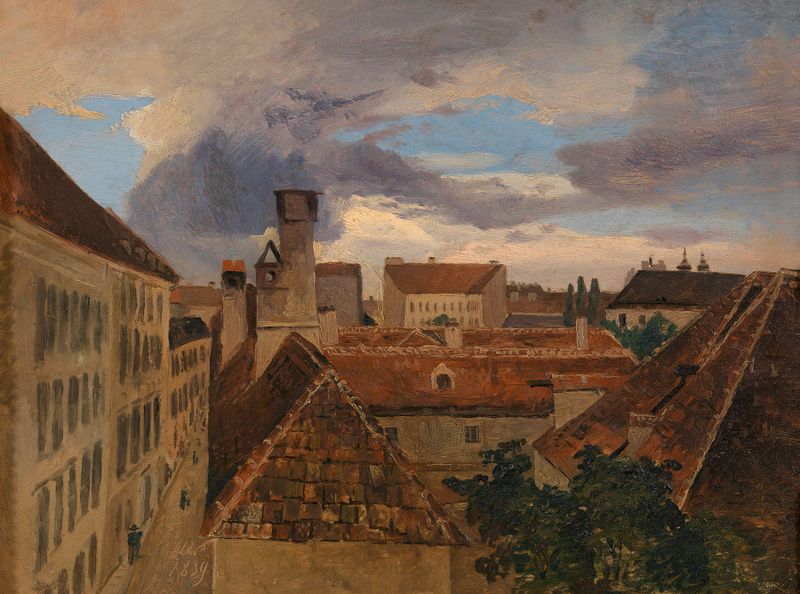
Blick in die Beatrixgasse in Wien
Adalbert Stifter
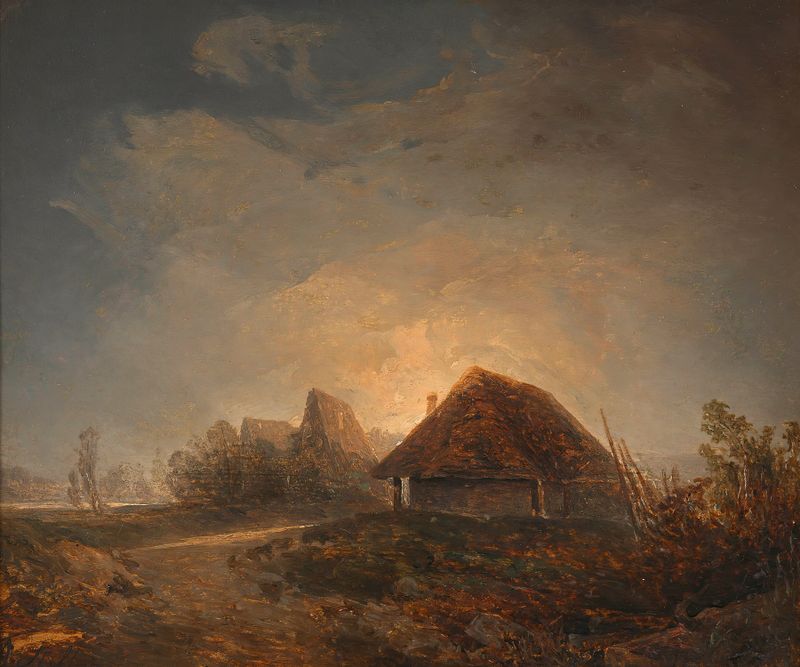
Westungarische Landschaft mit Hütten und aufgehendem Mond
Adalbert Stifter
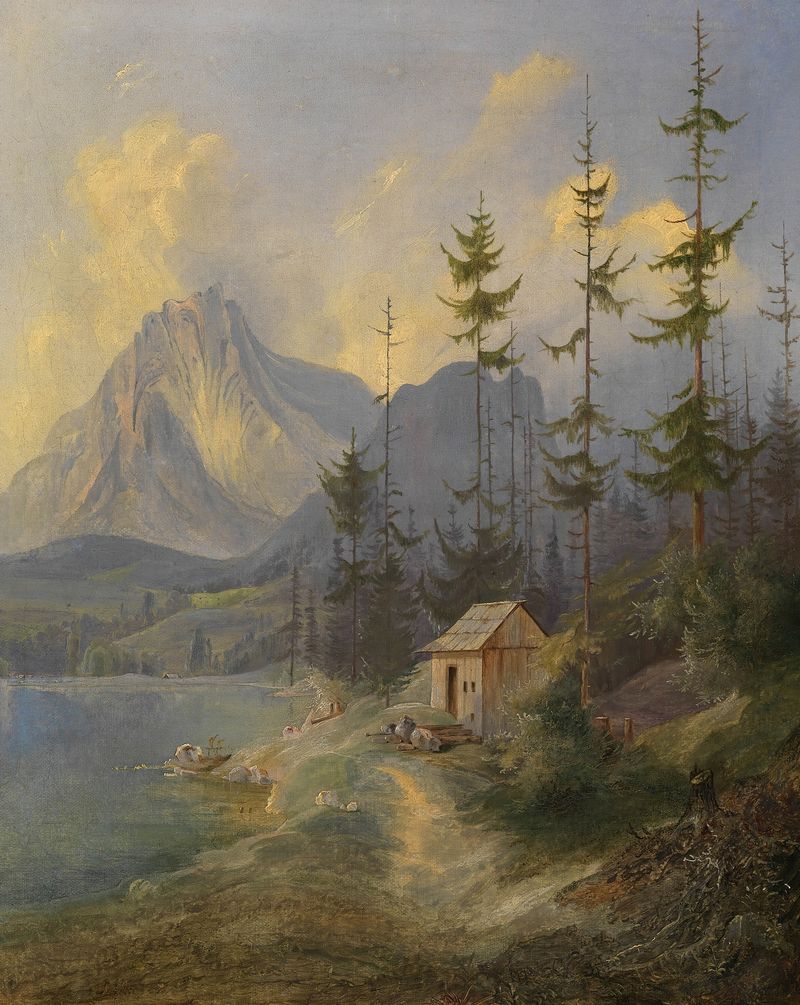
Der Sarstein bei Alt-Aussee
Adalbert Stifter