
Die Grotte der Egeria — History & Facts
What if beauty was never meant to be finished? In Die Grotte der Egeria, the sublime decay of nature whispers secrets of mortality, capturing a moment suspended between the ethereal and the ephemeral. Focus first on the rich interplay of light and shadow that dances across the rocky surfaces. Notice how the soft glow illuminates the cavern's interior, bringing life to the mossy textures and intricate formations. The artist employs a muted palette, with deep greens and earthy browns, drawing the viewer’s eye towards the inviting water below, enticing yet veiled in mystery.
The composition cleverly guides the gaze inward, as if inviting us to explore the hidden depths of both the grotto and our own existence. Beneath the surface beauty lies a contemplation of life’s transience. The illusion of untouched nature stands in stark contrast to the inevitable decay that accompanies it, echoing the duality of creation and destruction. Egeria, the Roman deity of springs and prophecy, symbolizes the elusive nature of inspiration, reinforcing the notion that beauty, though captivating, is ultimately fleeting.
The very act of capturing this scene becomes a meditation on what it means to exist in a world that constantly shifts beneath our feet. In 1840, Johann Wilhelm Schirmer painted this work during a period marked by the burgeoning Romantic movement in Germany. Framed by the quest for deeper emotional connections to nature, Schirmer sought to blend landscape with symbolism, reflecting the contemporary interest in the sublime. His explorations were influenced by both the picturesque qualities of the Rhine region and the philosophical dialogues concerning the relationship between humanity and the natural world, where every brushstroke acted as a testament to life's transient beauty.
More Artworks by Johann Wilhelm Schirmer
Browse all →
Waldlandschaft mit Blick auf Olevano und den Monte Cavo
Johann Wilhelm Schirmer
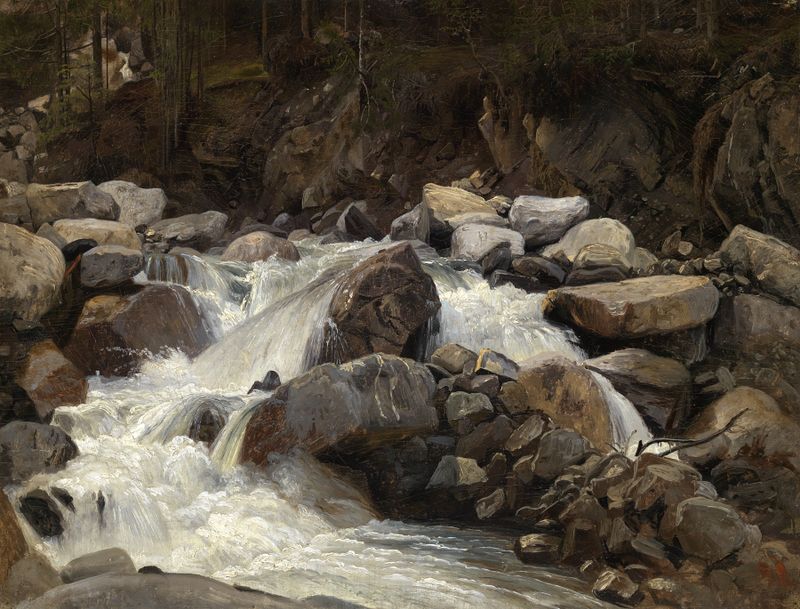
Schweizer Gebirgsbach
Johann Wilhelm Schirmer
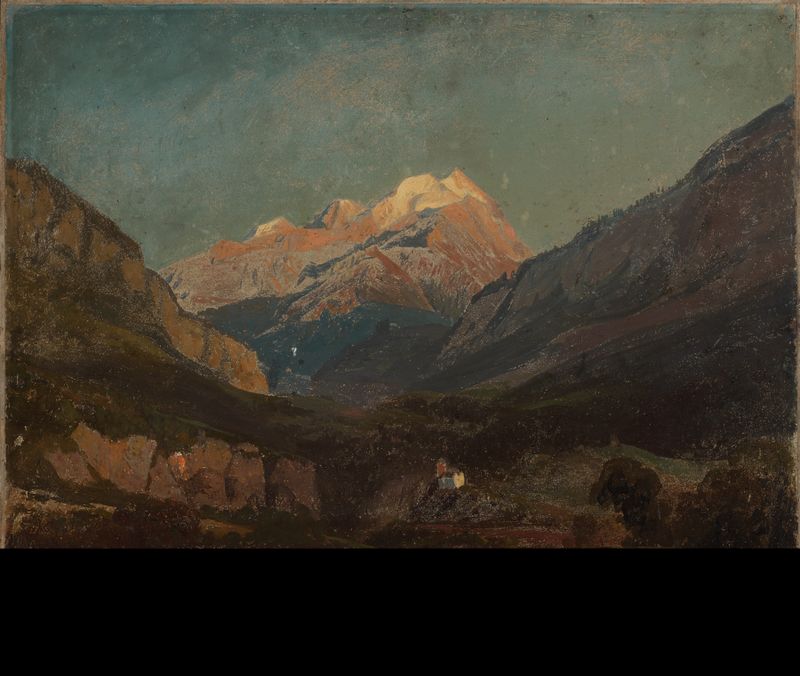
Schweizer Gebirgslandschaft mit Kapelle und fernem Schneegipfel
Johann Wilhelm Schirmer

Schweizer Gebirgslandschaft mit dem Piz Beverin im Hintergrund
Johann Wilhelm Schirmer

Waldinneres mit Hirschen am Wasser
Johann Wilhelm Schirmer

The Wetterhorn
Johann Wilhelm Schirmer

Partie aus der Römischen Campagna
Johann Wilhelm Schirmer

Felsabhang in der Schweiz
Johann Wilhelm Schirmer
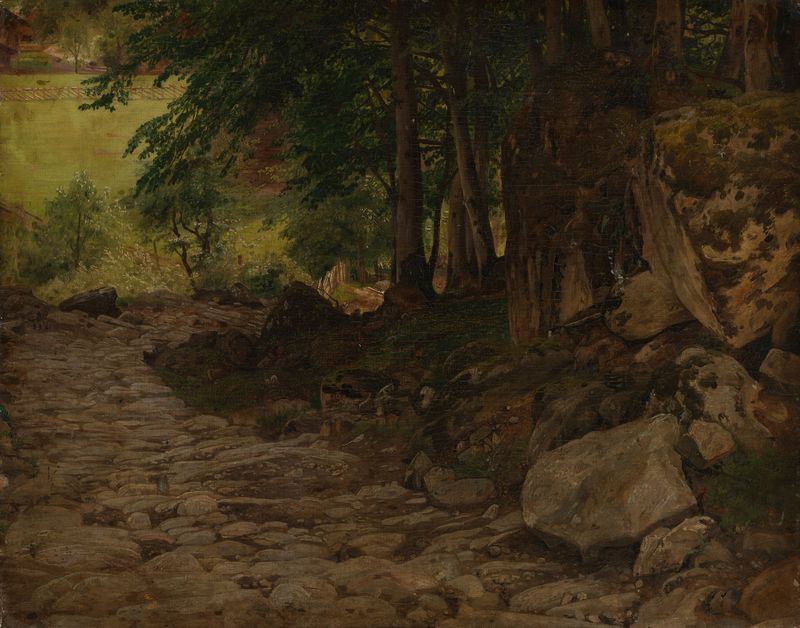
Felsweg in der Schweiz
Johann Wilhelm Schirmer
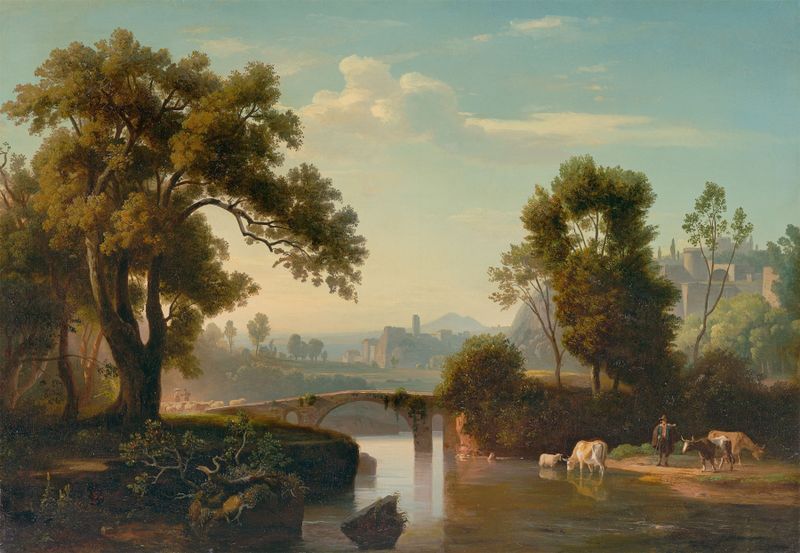
Italienische Landschaft mit Hirten
Johann Wilhelm Schirmer





