
Die Sünde des Lulatsch — History & Facts
A single, hypnotic face commands the scene, framed by a sweep of orange hair and a string of pearls that seem to float on a blank stage. The eyes, heavy-lidded and rimmed in shadow, meet the viewer’s gaze with a knowing coolness, while a beauty mark punctuates the mask-like calm. But it is the serpent—coiled in emerald green, fangs bared and tongue flicking—that breaks the spell, curling up from below as if conjured by the woman’s very presence.
The contrast is electric: glamour and danger, innocence and temptation, all compressed into a single, unforgettable image. The design pulls the viewer’s eye in a circle, from the text above to the woman’s lips, then down to the snake’s gaping mouth—an endless loop of allure and threat. Created around 1914, this poster by Hans Rudi Erdt advertises Die Sünde des Lulatsch, a burlesque operetta by Jean Gilbert, for Berlin’s lively entertainment scene. Such works were the lifeblood of early twentieth-century urban culture, their posters designed not merely to inform but to seduce passersby into the theater.
Erdt was a leading figure of the Sachplakat movement, which stripped away clutter for bold, direct impact—here, every detail serves the drama of the stage and the thrill of the forbidden. The lithograph was printed by Hollerbaum & Schmidt, a firm renowned for their collaborations with avant-garde artists. History has kept few traces of the operetta itself, but the image endures, daring us to look again at the face—and the serpent—of temptation.
More Artworks by Hans Rudi Erdt
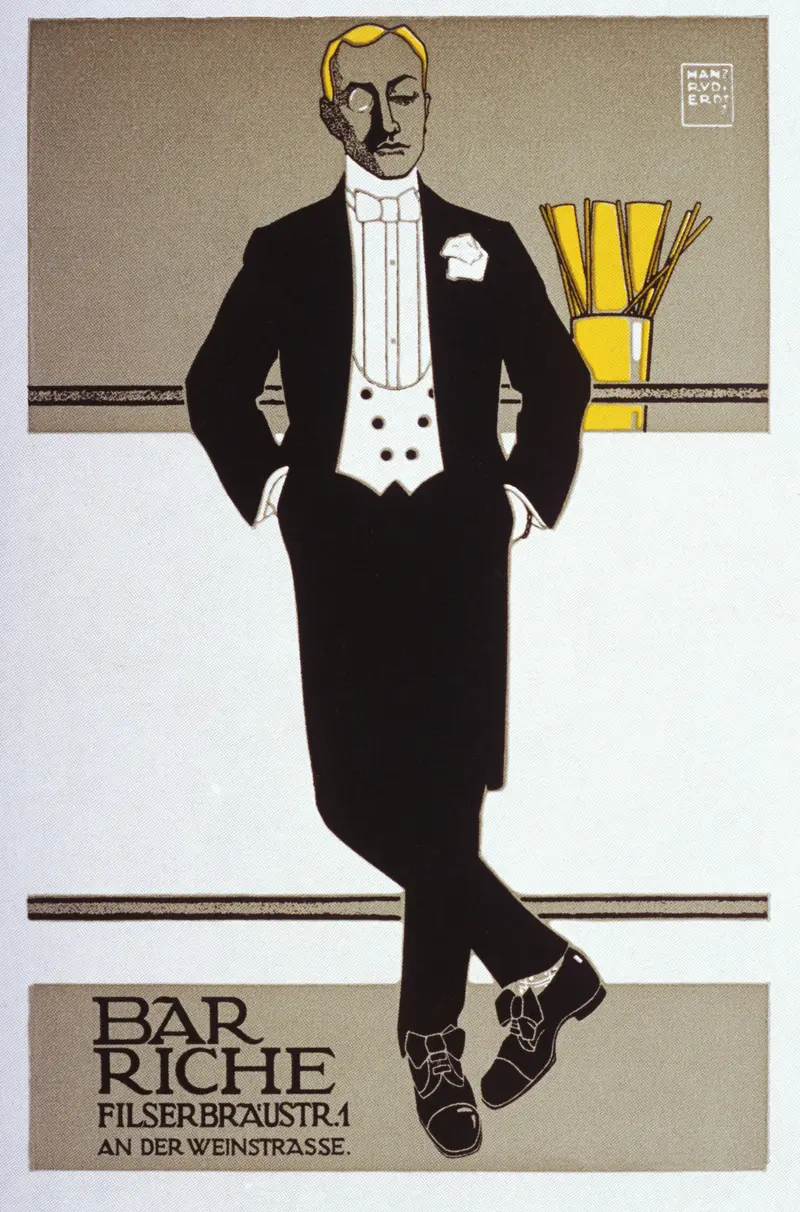
Bar Riche
Hans Rudi Erdt
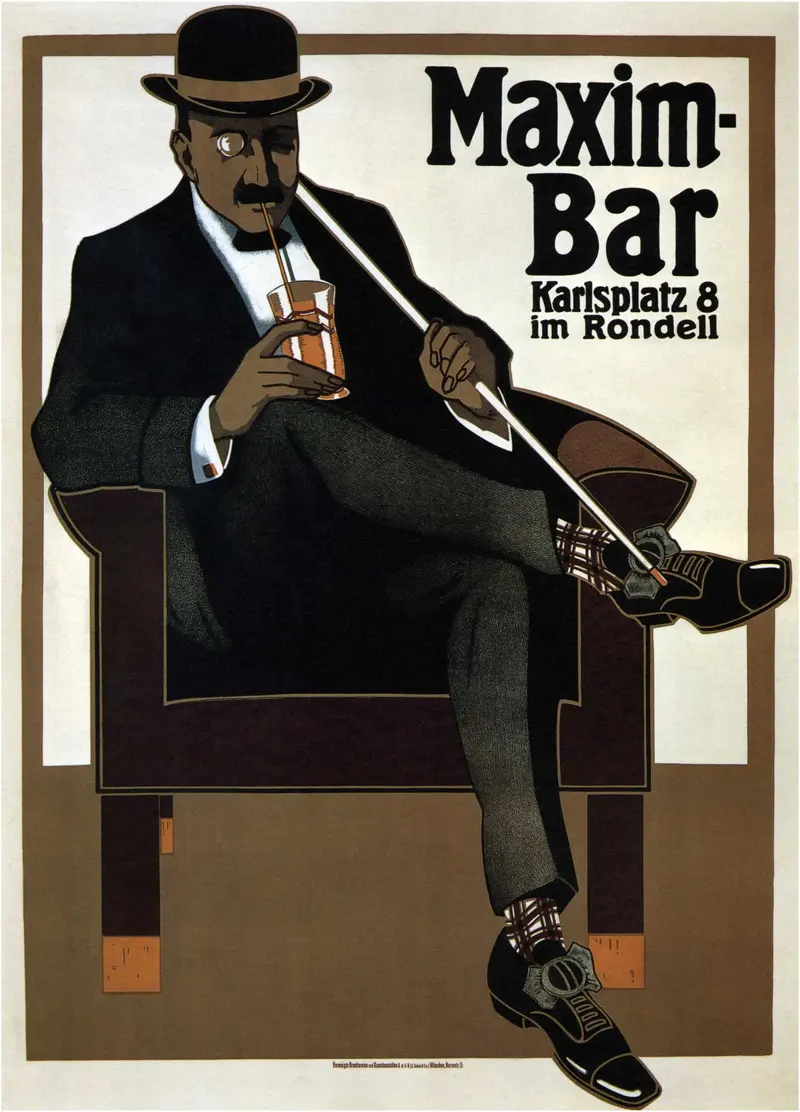
Maxim Bar
Hans Rudi Erdt
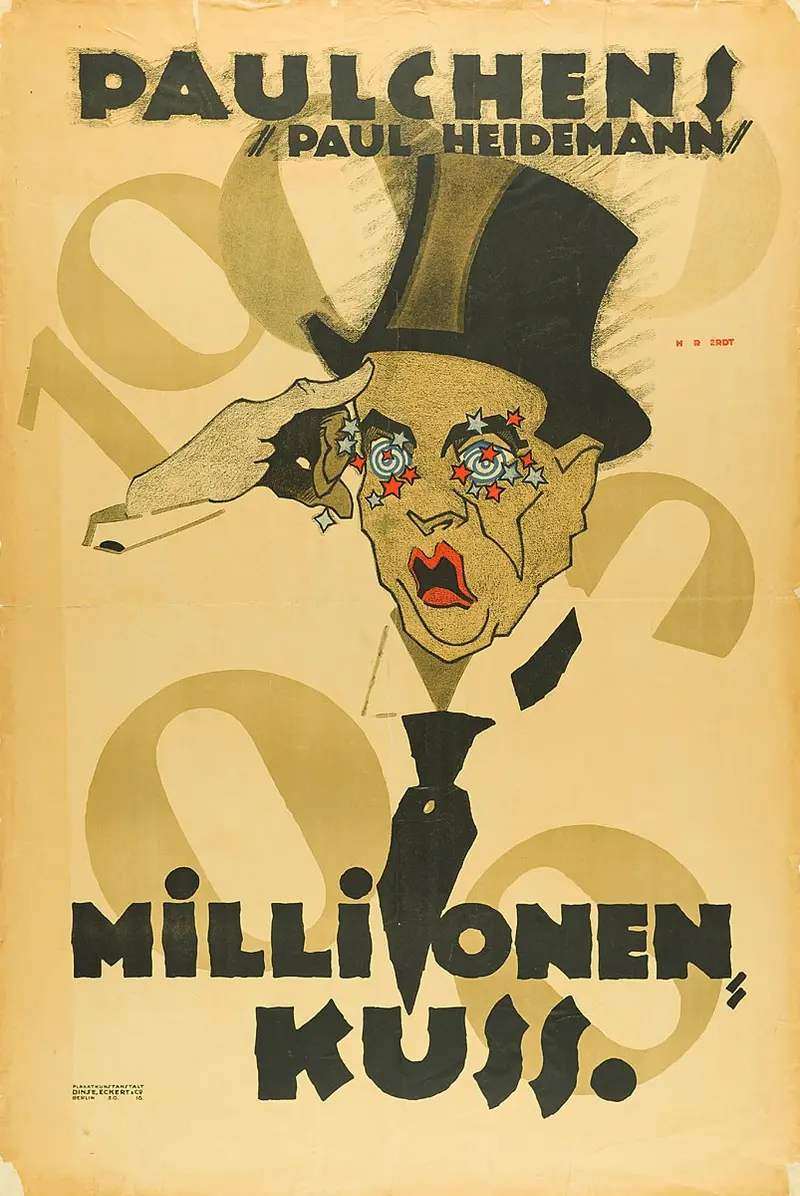
Paulchen's Million-Kiss
Hans Rudi Erdt
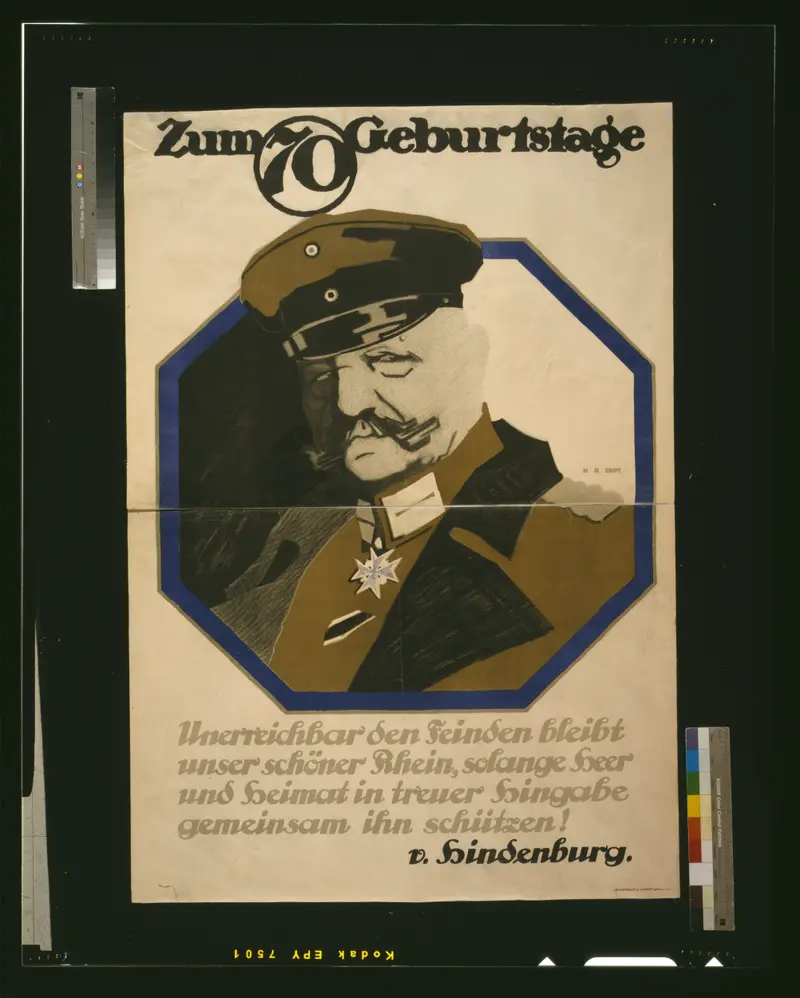
For the 70th Birthday
Hans Rudi Erdt
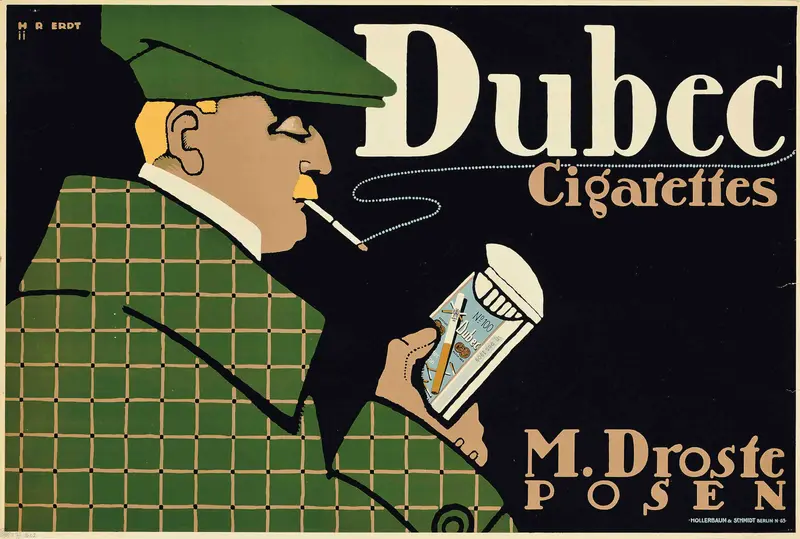
Dubec Cigarettes
Hans Rudi Erdt
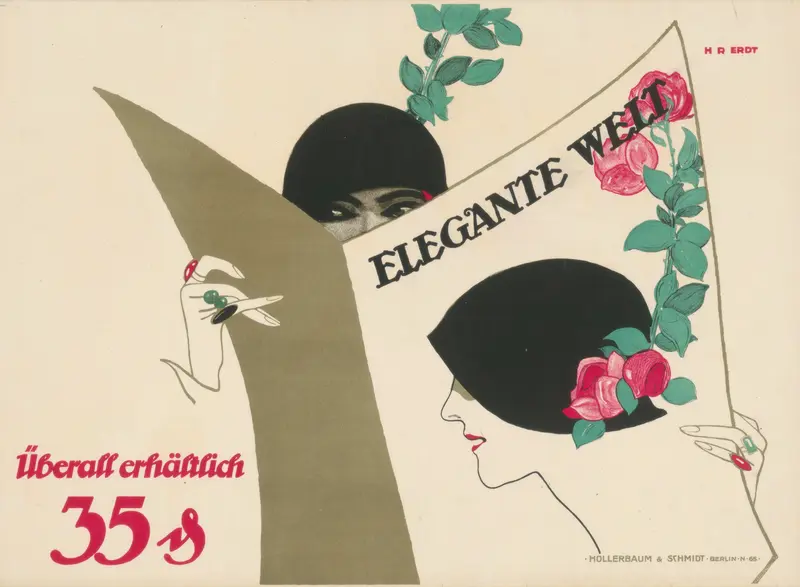
Elegante Welt
Hans Rudi Erdt
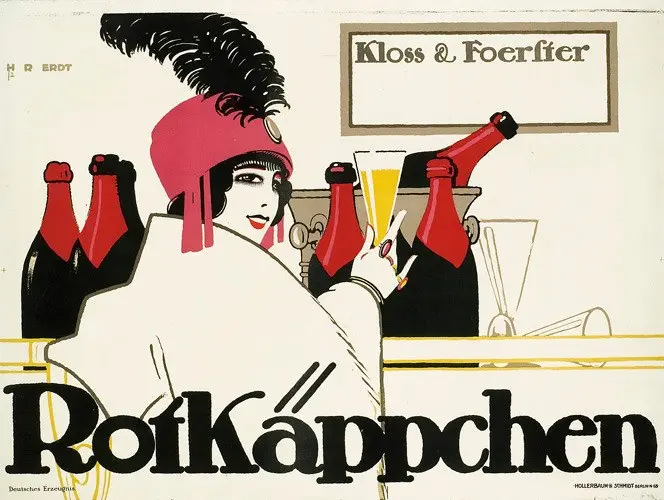
Little Red Riding Hood
Hans Rudi Erdt
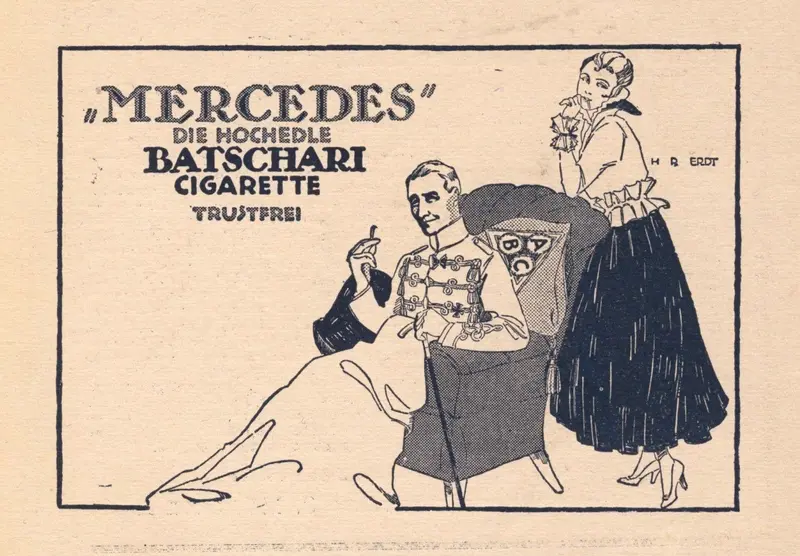
Mercedes — Batschari Cigarette
Hans Rudi Erdt
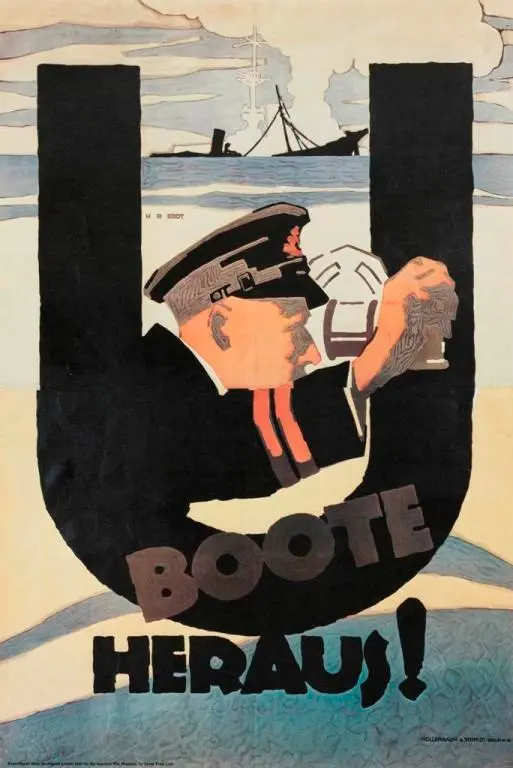
U-Boote heraus!
Hans Rudi Erdt

Manoli
Hans Rudi Erdt



