
Dogepaleis in Venetië — History & Facts
When did color learn to lie? In the interplay of vibrant hues and haunting shadows, the essence of truth seems to dissolve, unveiling layers of illusion and void. Look to the left at the intricate façade of the grand structure, where the sun's rays dance across the textured surface, shimmering in a golden embrace. The artist skillfully employs a palette of deep blues and rich earth tones, creating a rhythmic harmony that guides the eye. Notice how the contrast between light and shadow not only defines the architectural details but also evokes an emotional landscape, hinting at the stories of those who have walked there. As you explore deeper, consider the figures populating this scene – their silhouettes barely discernible, yet they pulse with life and longing.
The juxtaposition of the solid, imposing architecture against the ephemeral nature of the figures speaks to the transient moments in life, capturing the tension between permanence and the fleeting essence of human experience. In the periphery, a subtle void looms, inviting contemplation on absence and presence, beckoning viewers to ponder what lies beyond the visible. Etienne Bosch created this work during a transformative period from 1873 to 1931, navigating the rich tapestry of early 20th-century European art. Living in a time marked by rapid change, he drew inspiration from the interplay of reality and imagination, reflecting the shifting tides of modernism.
This piece stands as a testament to both the artist's personal journey and the broader artistic currents of his time, bridging the gap between representation and abstraction.
More Artworks by Etienne Bosch
Browse all →
Gezicht op de achterkant van de Notre Dame in Parijs Notre Dame
Etienne Bosch
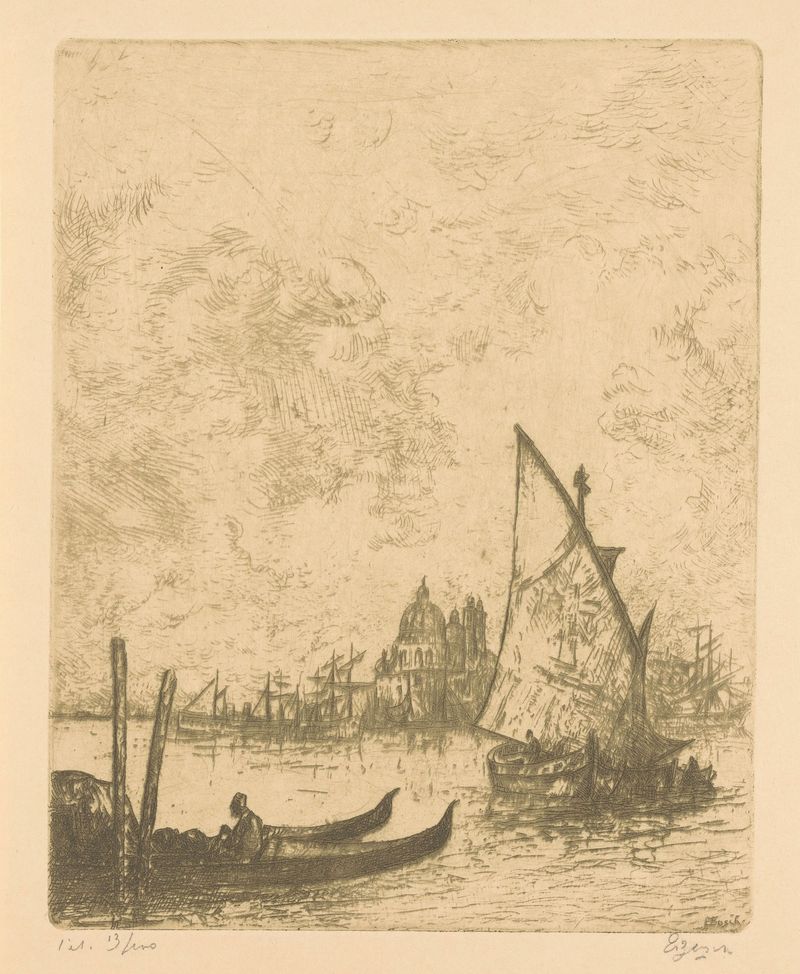
Venetië
Etienne Bosch

Amsterdamse poort te Haarlem
Etienne Bosch

Le Palatin Rome
Etienne Bosch

Landschap bij Rome
Etienne Bosch
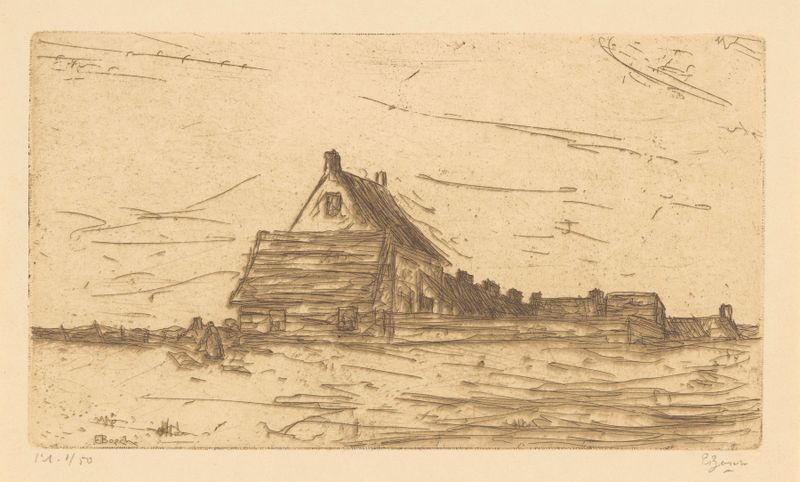
Boerenwoning
Etienne Bosch

Scheveningen
Etienne Bosch
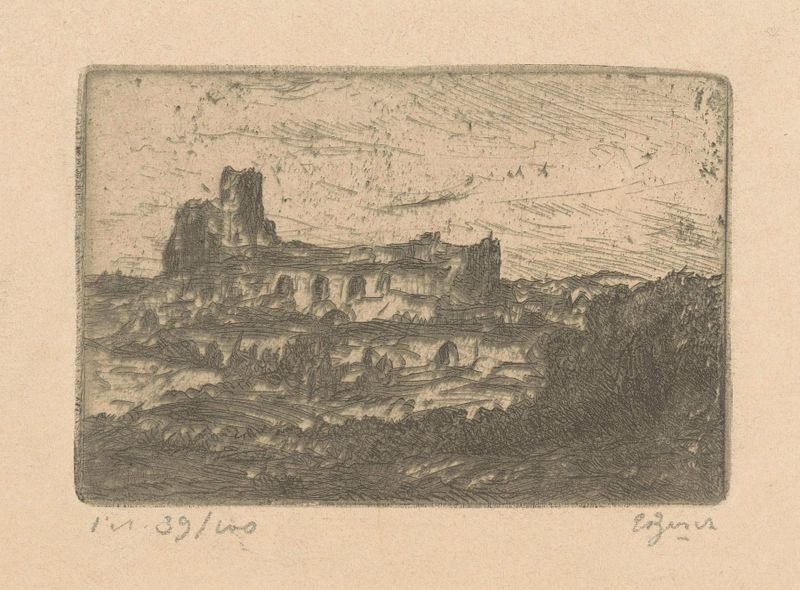
Ruïne Rome
Etienne Bosch
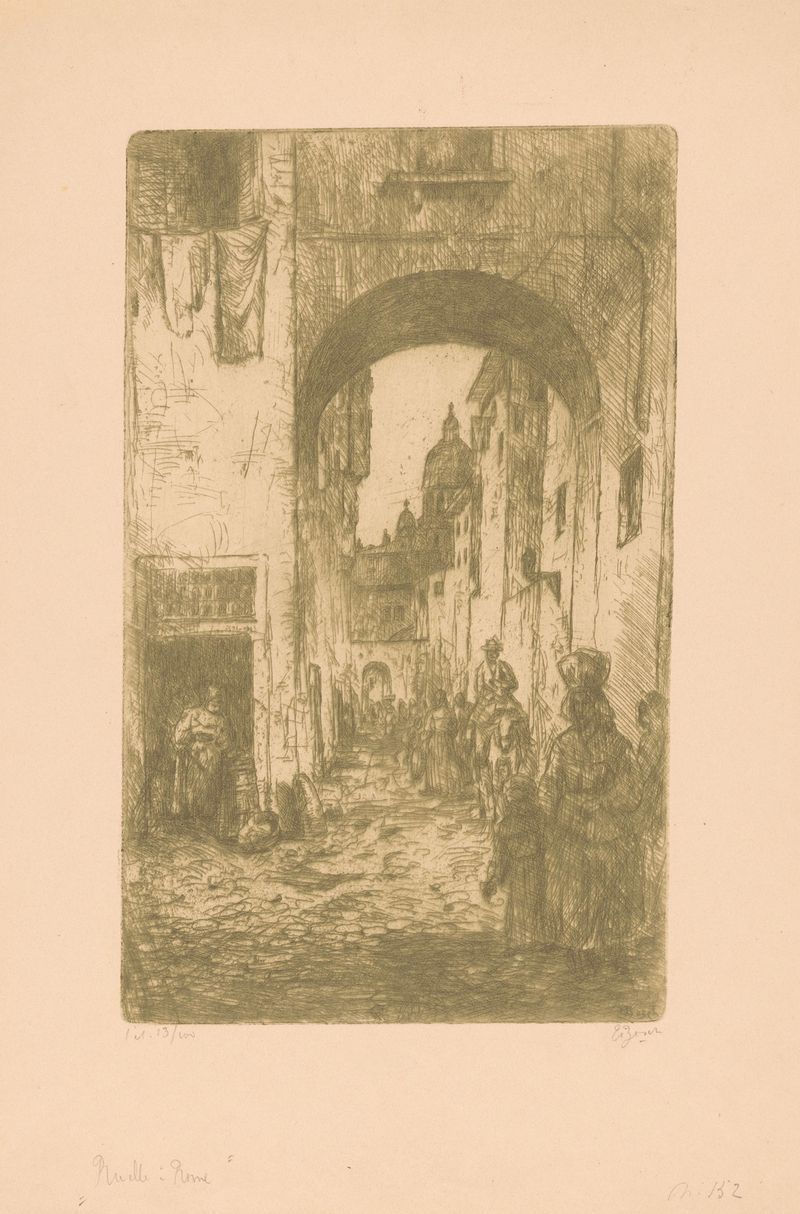
Ruelle, Rome
Etienne Bosch
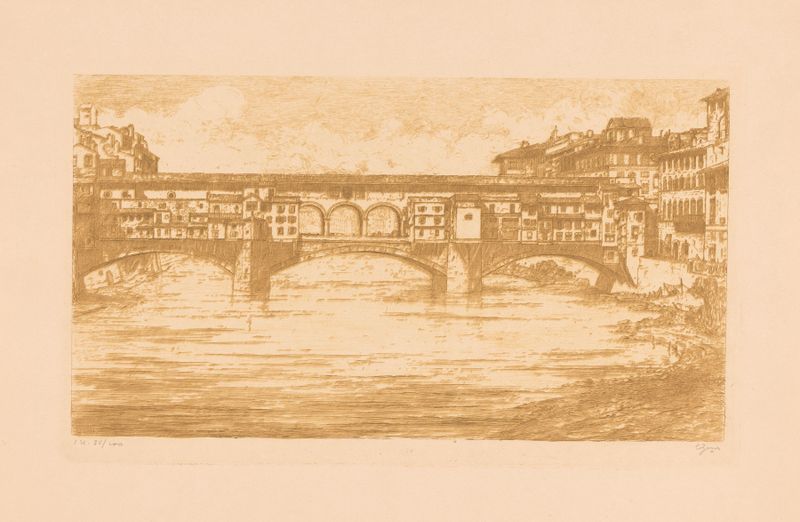
Ponte Vecchio in Florence
Etienne Bosch
More Architecture Art
Browse all →
The statue of Liberty
Frédéric Auguste Bartholdi

View of Houses in Delft, Known as ‘The Little Street’
Johannes Vermeer

View of Houses in Delft, Known as ‘The Little Street’
Johannes Vermeer

The Cathedral in Rouen. The portal, Grey Weather
Claude Monet

The yellow house
Vincent van Gogh

The Church in Auvers-sur-Oise, View from the Chevet
Vincent van Gogh