
Dorneck — History & Facts
Can paint confess what words never could? In Dorneck, a tumultuous landscape unfurls, a canvas teeming with the echoes of madness, whispering secrets that linger just beyond comprehension. Focus first on the deep, swirling blues that form the backdrop of the piece, drawing you into a tumult of emotions. The jagged peaks rise starkly on the left, their sharp lines suggesting both majesty and treachery. Notice how the lighter strokes of white and grey dance across the surface, evoking an unsettling interplay of light and shadow.
This deliberate choice of color and form creates a visceral tension that invites viewers to explore deeper layers of meaning. As you delve further, consider the juxtaposition of the serene river winding through the chaos of the mountains. This contrast between calm and tumult hints at the thin line between sanity and madness. The ethereal quality of the sky, with its swirling clouds, evokes a sense of foreboding yet also beauty, suggesting that within turmoil, there lies a profound, unsettling truth.
Each brushstroke reveals an emotional landscape that resonates with the human experience, urging one to reflect on their own struggles. Wagner painted Dorneck between 1840 and 1844, during a time when Romanticism was flourishing, capturing the tumultuous emotional landscape of the era. Living in the shadow of the socio-political upheaval in Europe, he sought to transcend mere representation and convey the depth of human emotion. This period of introspection and fervent creativity established him as a key figure in exploring themes of duality, nature, and the complexities of the mind within the context of art.
More Artworks by Johann Friedrich Wagner
Browse all →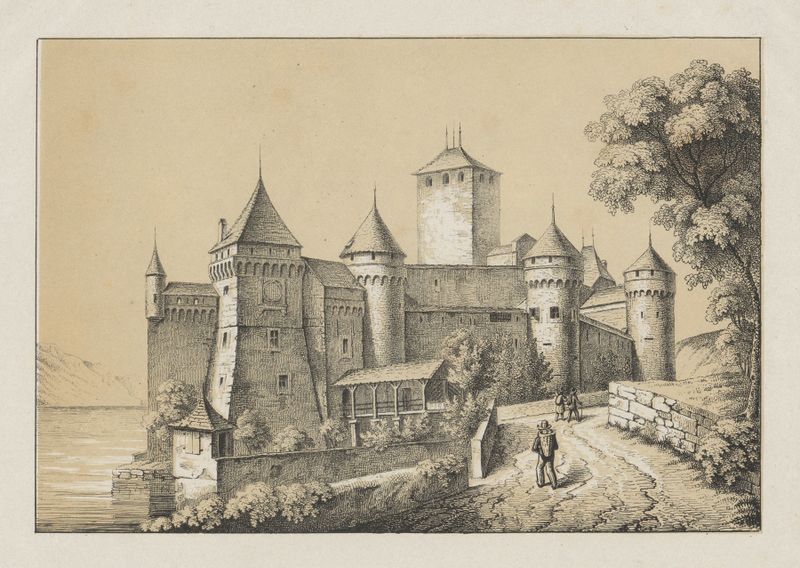
Chillon
Johann Friedrich Wagner

Valangin
Johann Friedrich Wagner
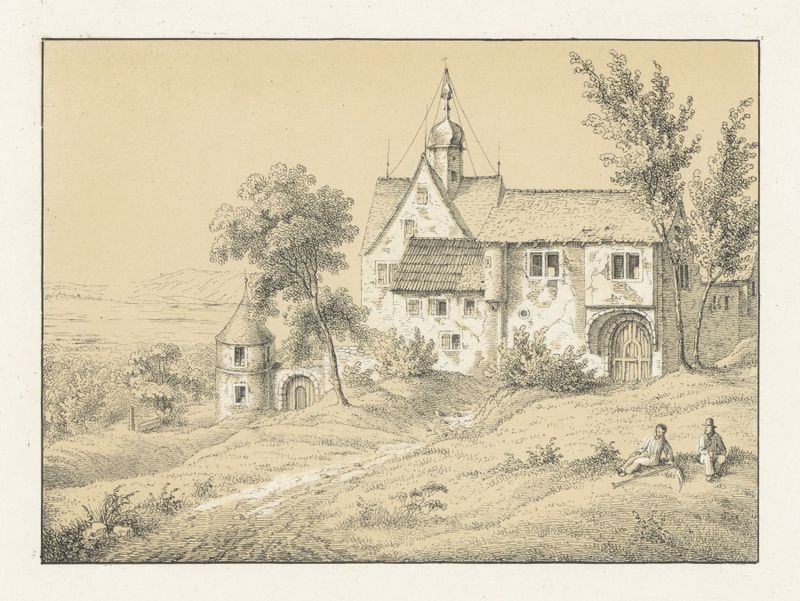
Greifenstein
Johann Friedrich Wagner

Vorburg
Johann Friedrich Wagner
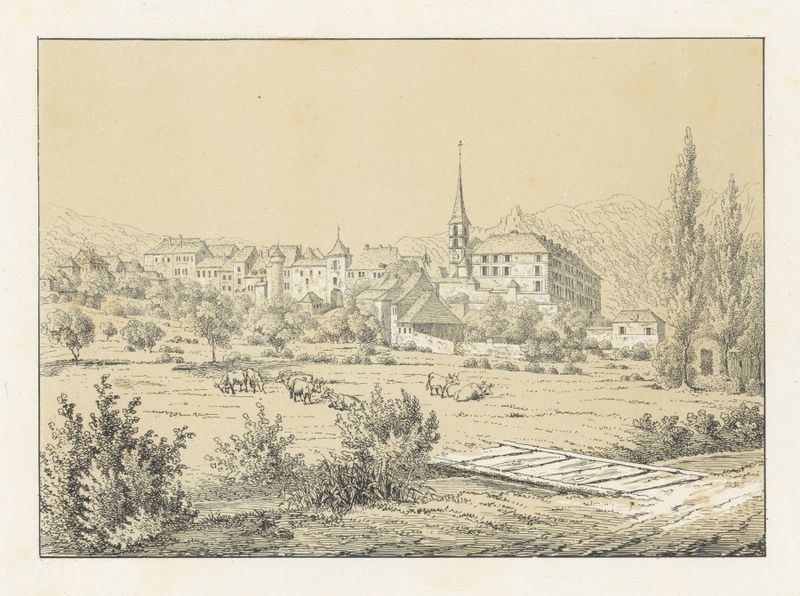
Delémont
Johann Friedrich Wagner

Pleujouse
Johann Friedrich Wagner

Challay
Johann Friedrich Wagner
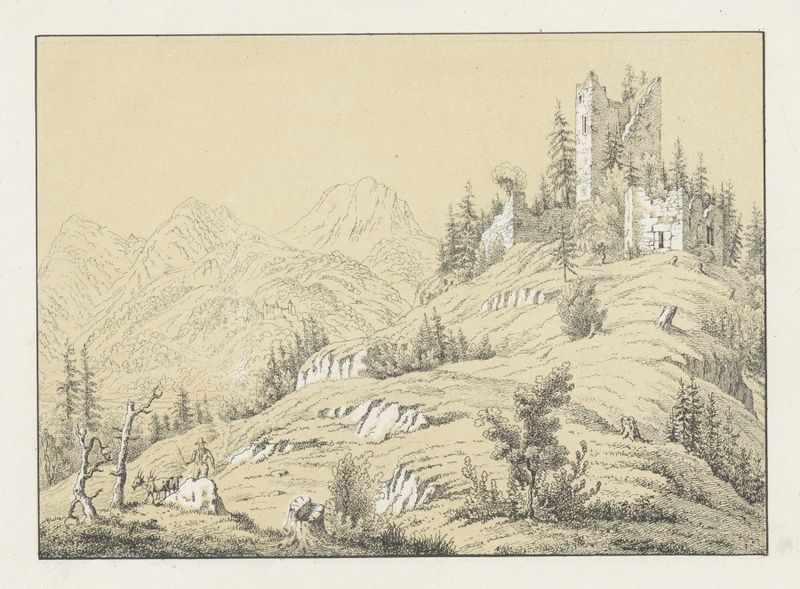
Mont Salvant
Johann Friedrich Wagner
Aha. Od. Untere Burg von Sarnen
Johann Friedrich Wagner
Lausanne
Johann Friedrich Wagner





