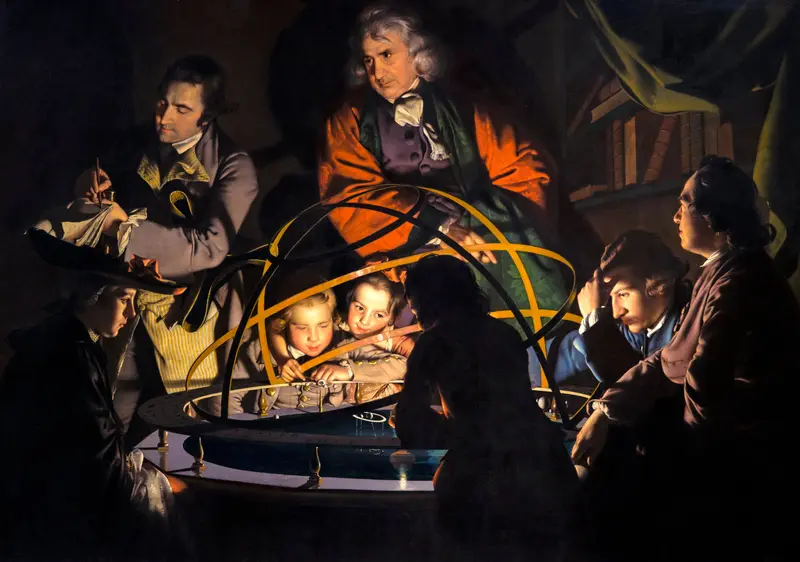
Drie jongens aan het spelen met tollen — History & Facts
The first thing to catch the eye in Drie jongens aan het spelen met tollen by Augustin de Saint-Aubin is the lively tangle of childhood energy, frozen mid-game. Three boys, their hair tousled and their clothes rumpled, are absorbed in the simple thrill of spinning tops. The artist draws us into their circle, capturing a moment of shared delight and rivalry: one boy leans in, his hand extended, as if offering advice or challenge, while another lifts his foot with theatrical flair, poised between triumph and mischief.
The tops themselves, scattered on the ground, become the quiet center of their world, while the grand architecture behind them—columns, arches, balustrades—lends the scene an unexpected gravity, as if to remind us that play, too, has its stage. This print belongs to the world of late eighteenth-century France, where artists like Saint-Aubin turned their attention to scenes of daily life with a gentle, observational wit. Such images were often made for collectors or as illustrations, offering glimpses into both the innocence of youth and the rituals of society. The presence of adults in the background—heads bent over their work—sets up a quiet contrast between the labor of grown-ups and the freedom of children, a theme that echoed through Enlightenment debates about education and the nature of happiness.
Little is recorded about the specific journey of this print, now in the Rijksmuseum, but its subject and style speak to a moment when the everyday was becoming worthy of art’s careful gaze. Look again at the boys’ faces: each one a study in concentration, rivalry, and fleeting joy.
More Artworks by Augustin de Saint-Aubin

Parade
Augustin de Saint-Aubin
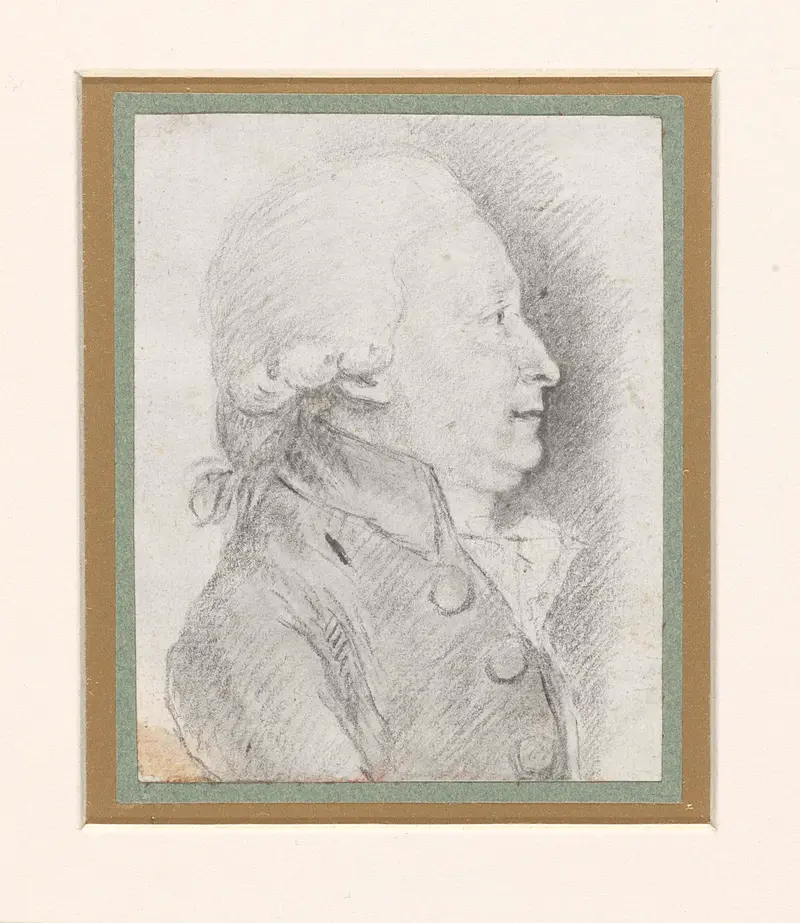
Profielportret van een oudere man met pruik
Augustin de Saint-Aubin
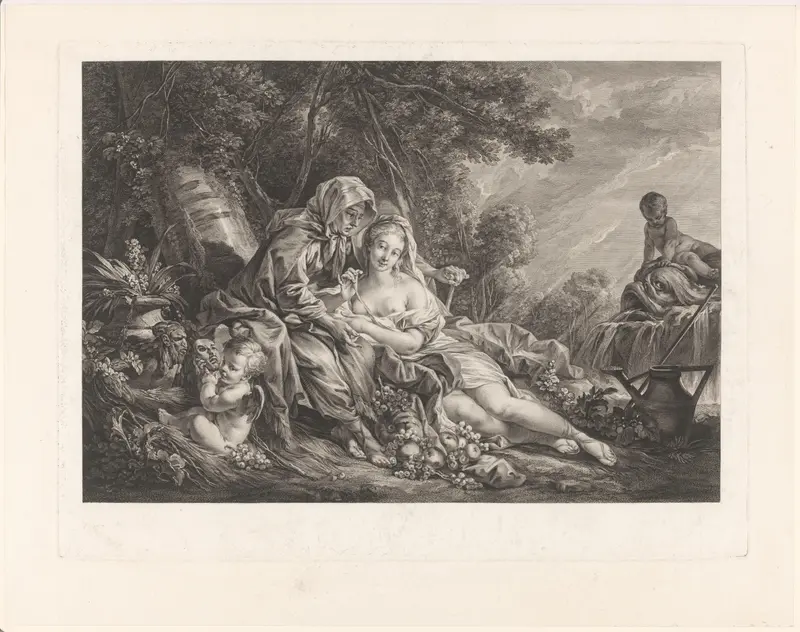
Vertumnus en Pomona in een parklandschap
Augustin de Saint-Aubin
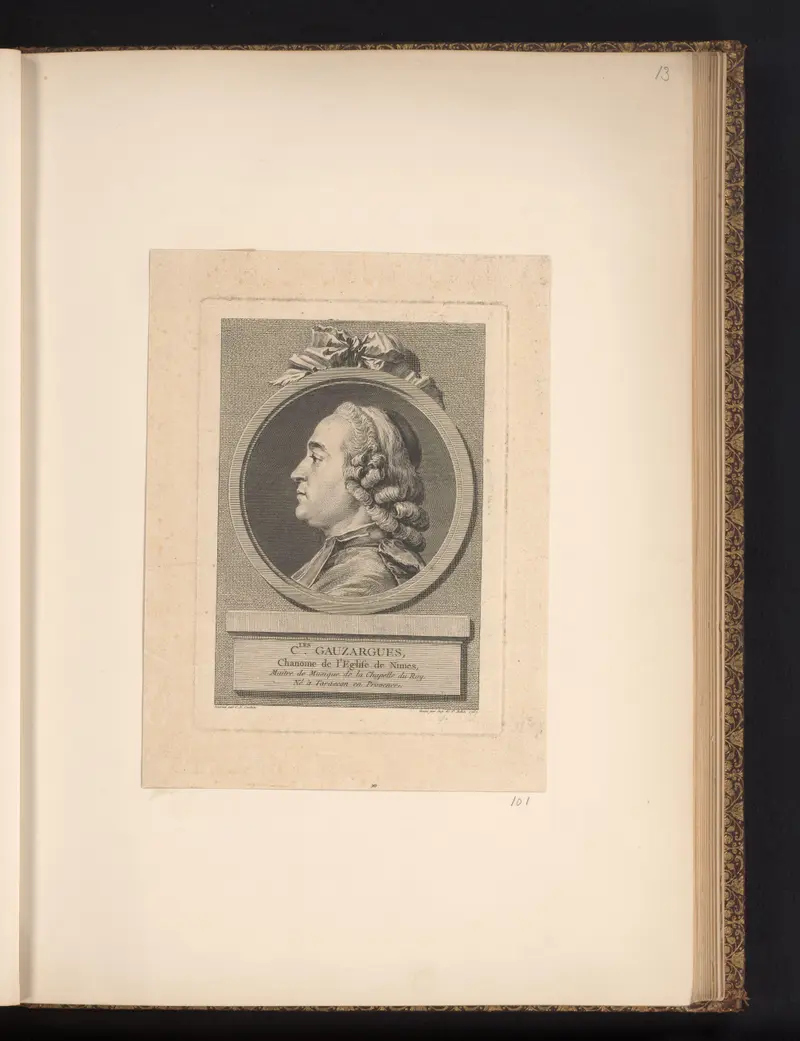
Portret van Charles Gauzargues
Augustin de Saint-Aubin
Portret van Jacques Roëttiers III
Augustin de Saint-Aubin
Portret van Jean-Baptiste Lully
Augustin de Saint-Aubin
Portret van Jean Baptiste Marie Pierre
Augustin de Saint-Aubin
Portret van Jean-Joseph Cassanéa de Mondonville
Augustin de Saint-Aubin
Portret van Joseph Charles Roëttiers
Augustin de Saint-Aubin
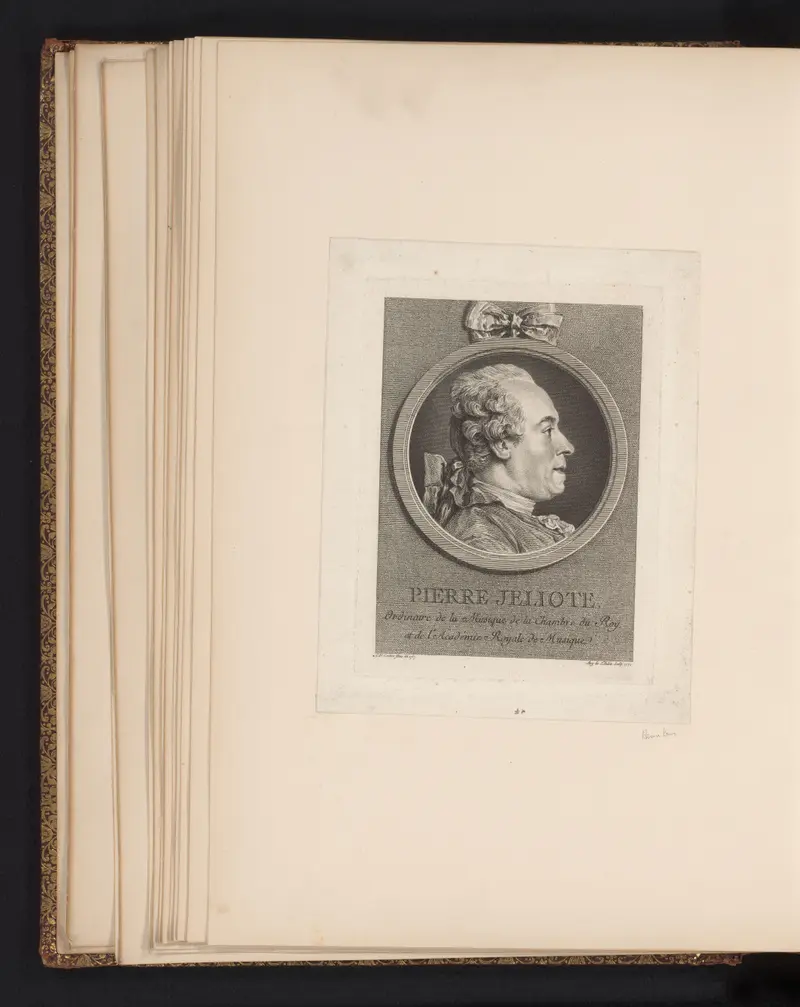
Portret van Pierre de Jélyotte
Augustin de Saint-Aubin