
Droom van Paris — History & Facts
In the vibrant tapestry of life, creation emerges, singing softly yet powerfully through the hues and forms that surround us. Look closely at the intricate details of Droom van Paris; notice how the luminous palette invites your gaze to wander. Focus on the delicate interplay of light across the figures, illuminating their expressions and gestures, which pulse with a latent energy. The vibrant blues and golds form a rich backdrop, while the figures are enveloped in an almost ethereal quality, merging the organic and the imagined.
Each stroke is a whisper, revealing the artist’s intention to blend reality with a fantastical dreamscape. Hidden in this work are layers of emotional tension and meaning. The figures, caught between reverie and reality, reflect the complexities of desire and aspiration. The dreamlike quality of the scene speaks to the notion of unattainable beauty, a longing for the grandeur of Paris that remains just out of reach.
The tension between the vivid colors and the soft outlines further emphasizes the paradox of creation: it is both palpable and elusive, a fleeting moment captured in time. During the years 1540 to 1542, Georg Pencz painted Droom van Paris in Nuremberg, amidst a flourishing Renaissance that sought to blend humanism with artistic innovation. As a student of the great Albrecht Dürer, Pencz was deeply influenced by the cultural currents of his time—experiencing a world rich in exploration and intellectual discourse, which emerged in his meticulous craftsmanship and imaginative vision.
More Artworks by Georg Pencz
Browse all →
Parabel van de zaaier
Georg Pencz

Parabel van de arbeiders in de wijngaard
Georg Pencz
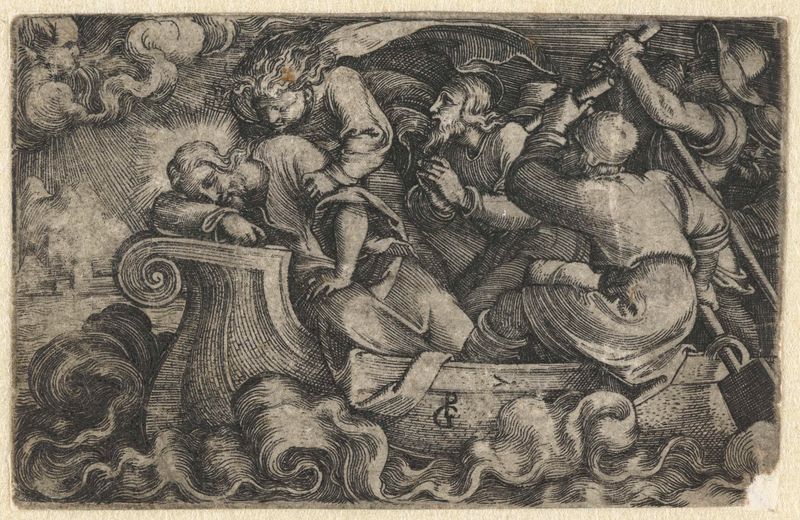
Discipelen wekken slapende Christus tijdens storm op Meer van Galilea
Georg Pencz

Afgunst (Invidia)
Georg Pencz
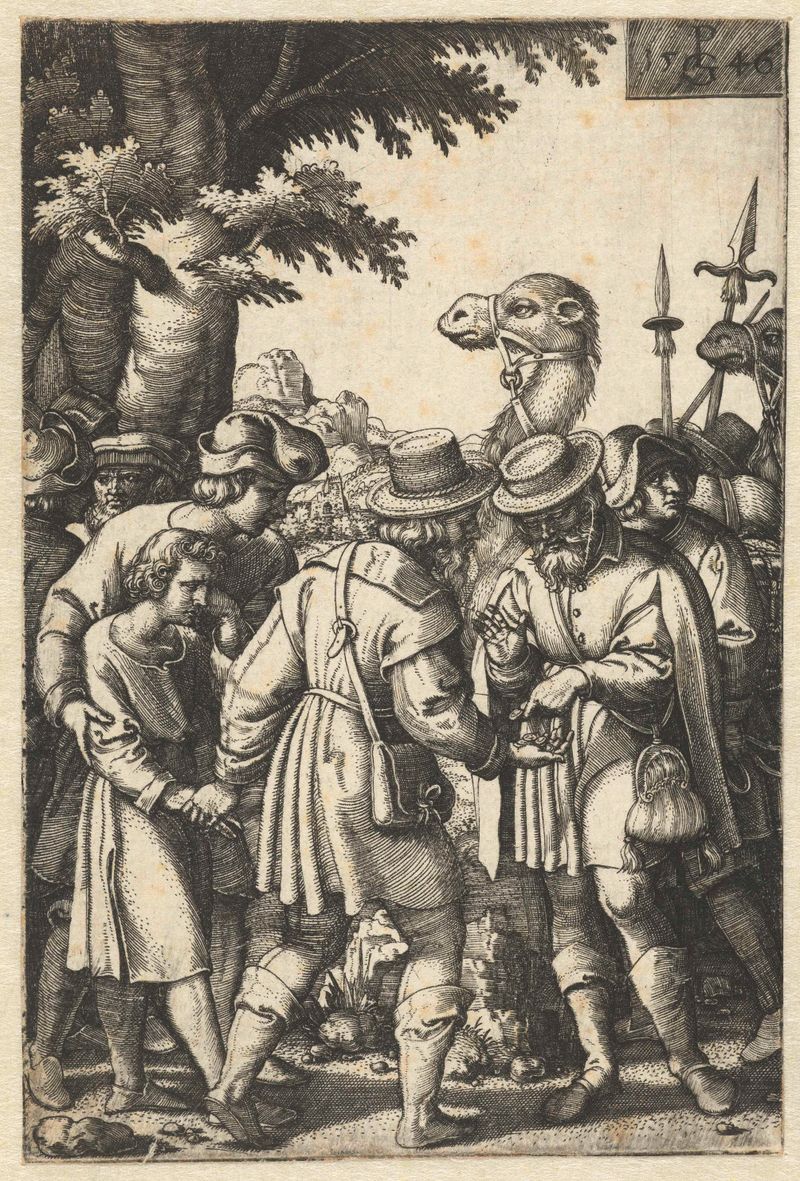
Jozef wordt verkocht aan kooplieden op weg naar Egypte
Georg Pencz

Aanbidding der koningen
Georg Pencz
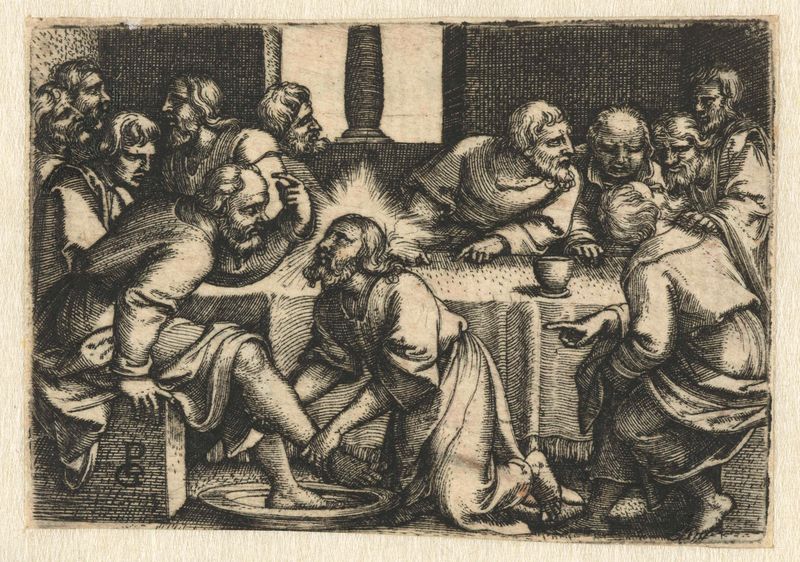
Petrus protesteert als Christus zijn voeten wast
Georg Pencz
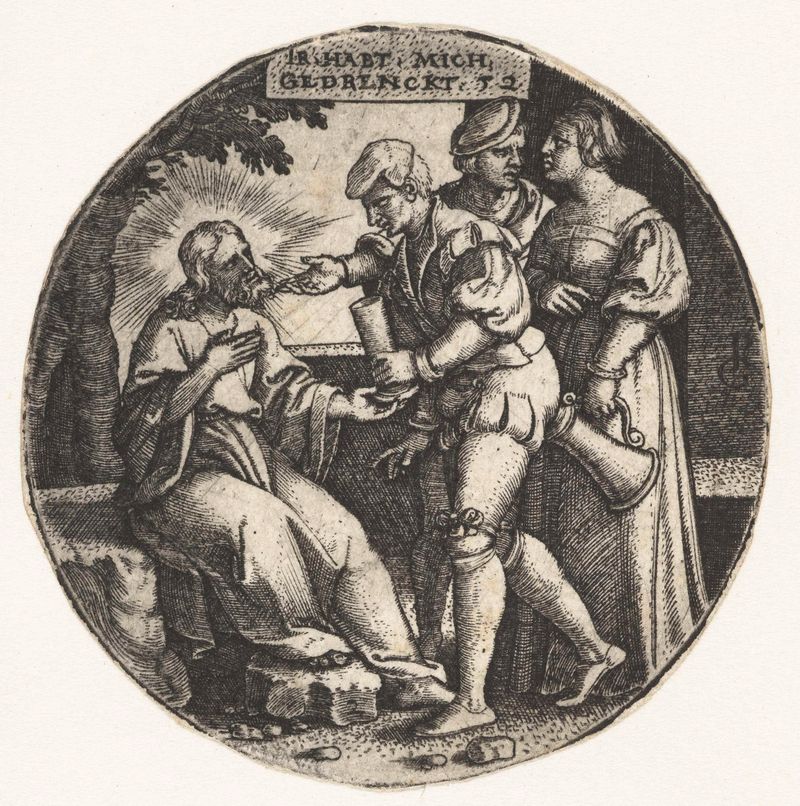
Christus heeft dorst en krijgt drinken aangeboden
Georg Pencz
Ongelovige Thomas raakt wonden Christus aan
Georg Pencz

Offer van Abraham van Isaak
Georg Pencz





