
Duin — History & Facts
Could a single brushstroke hold eternity? In Johann Friedrich Wagner’s Duin, a sweeping landscape emerges, capturing the essence of nostalgia through its tranquil yet poignant hues. Look to the soft, sweeping lines that contour the undulating dunes, drawing the eye across the canvas. Notice how the gentle gradients of ochre and sandy browns blend seamlessly into the ethereal blues of the sky, evoking a sense of warmth and wistfulness. The delicate touch of light, filtering through wispy clouds, creates an almost dreamlike quality that invites contemplation.
Each stroke seems deliberate yet spontaneous, encapsulating the fleeting beauty of a moment caught between memory and reality. The emotional tension within the painting lies in its contrast between the vibrant earth tones and the melancholic, cool sky. This interplay suggests a connection to the past, as if the landscape is a living memory, inviting the viewer to reflect on the passage of time. The absence of figures serves to heighten this sense of solitude, allowing one to ponder their place within this serene yet haunting expanse.
As dusk approaches, the horizon blurs, symbolizing the intersection of what once was and what remains. Wagner painted Duin between 1840 and 1844 during a time of great change in the art world, where Romanticism was giving way to more modern movements. Living in Germany, he sought to capture the sublime beauty of nature and the emotions it invokes. This period marked a significant exploration of personal expression in art, and Duin stands as a testament to his dedication to evoking a profound sense of longing through landscape.
More Artworks by Johann Friedrich Wagner
Browse all →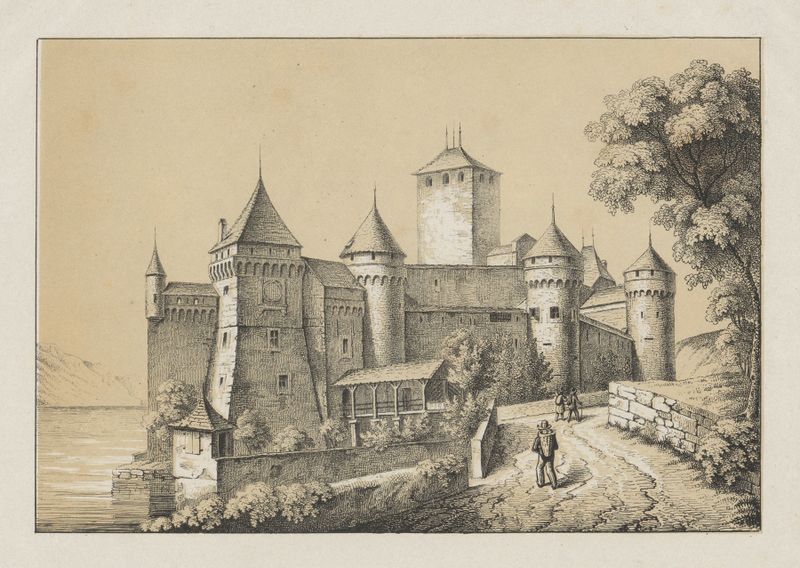
Chillon
Johann Friedrich Wagner

Valangin
Johann Friedrich Wagner
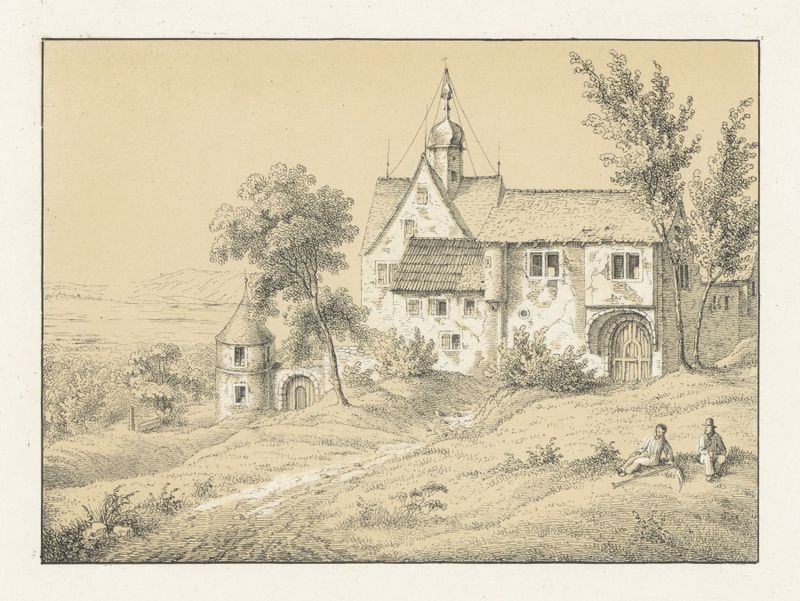
Greifenstein
Johann Friedrich Wagner

Vorburg
Johann Friedrich Wagner
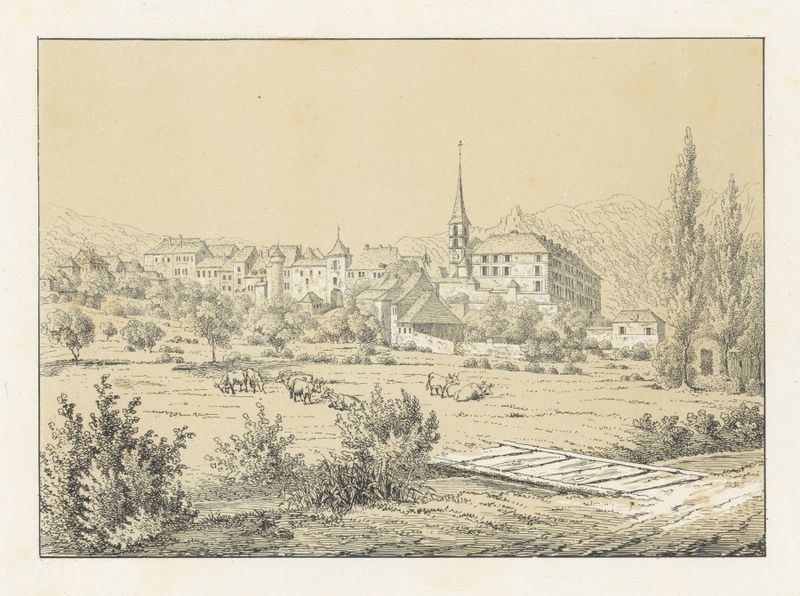
Delémont
Johann Friedrich Wagner

Pleujouse
Johann Friedrich Wagner

Challay
Johann Friedrich Wagner
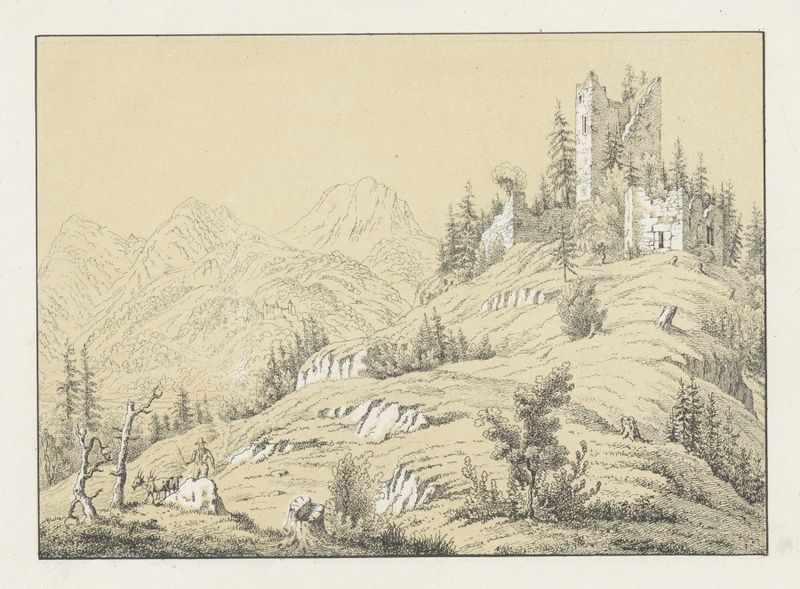
Mont Salvant
Johann Friedrich Wagner
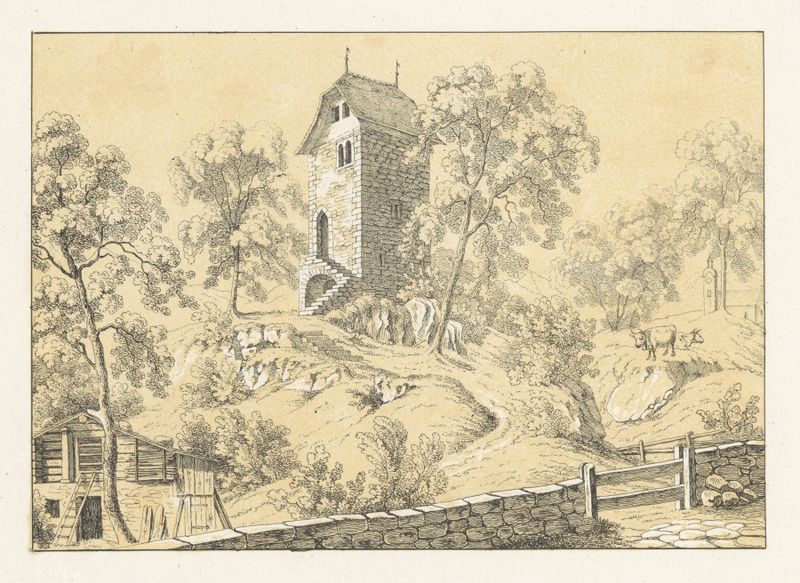
Aha. Od. Untere Burg von Sarnen
Johann Friedrich Wagner
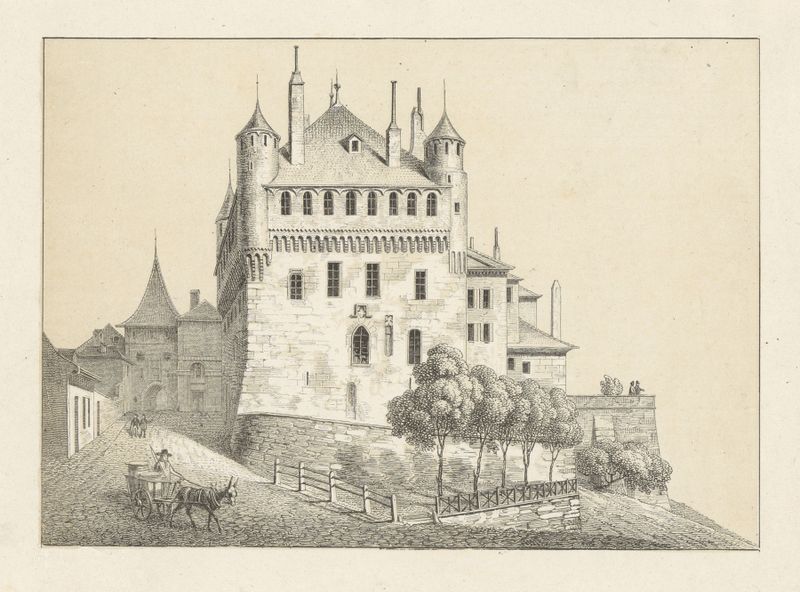
Lausanne
Johann Friedrich Wagner





